

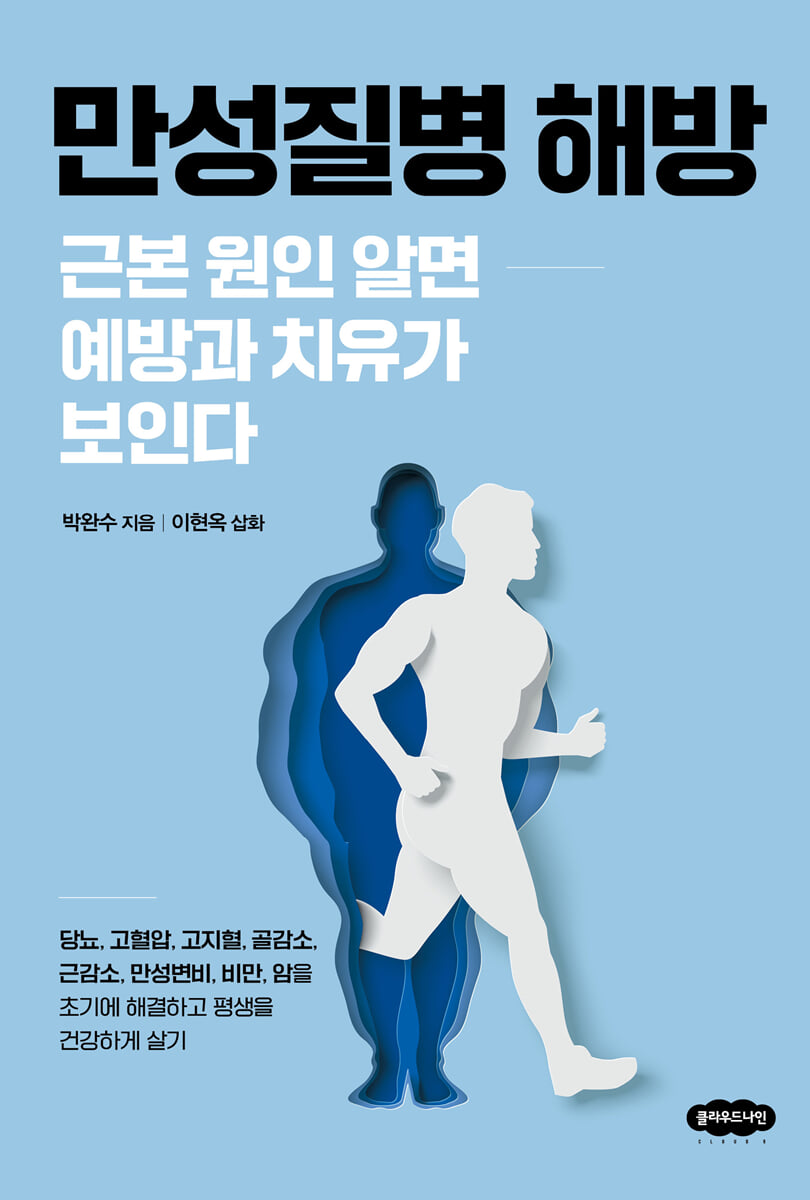
Liberation from chronic diseases
 |
Description
Book Introduction
Diabetes, high blood pressure, hyperlipidemia, osteoporosis, sarcopenia, cancer······
Rather than managing it with medication for the rest of your life, you need to know the root cause and prevent it!
This book explores the "real causes" of chronic diseases that threaten modern life, such as diabetes, high blood pressure, hyperlipidemia, osteopenia, sarcopenia, chronic constipation, and cancer, and presents "alternatives that can prevent and cure them."
Despite advanced medical technology, why are chronic diseases not eradicated? This book finds the answer in the limitations of modern medicine and the absence of lifestyle therapies.
“Chronic diseases are not an inevitable consequence of aging, but rather a result of poor lifestyle habits.”
The author has run a pharmacy for 47 years, analyzing health information, gathering voices from the field, and questioning existing health common sense and treatment methods.
It calls for a reexamination of even the common belief that eating lightly, drinking plenty of water, and drinking milk are good for your health, and emphasizes that systematic and scientific health habits are the most certain way to prevent and recover from disease.
The author reflects on the process by which humanity has overcome infectious diseases and extended lifespans, and argues that we now need a strategy to respond to the "new enemy called chronic disease."
While antibiotics and vaccines have conquered infectious diseases, chronic diseases must be approached with a complex mix of immune system, energy management, and lifestyle habits.
It examines the causes of chronic diseases such as diabetes, hypertension, hyperlipidemia, osteopenia, sarcopenia, and chronic constipation, as well as the limitations of existing treatments, and suggests practical solutions based on the root causes.
In particular, the author's explanation that "the real beginning of aging is a decrease in energy production in mitochondria within cells" is persuasive.
Above all, the strength of this book is that it focuses on prevention rather than treatment and on lifestyle habits rather than drugs.
The author emphasizes to readers that “to regain health, you need the wisdom to study and practice on your own, rather than waiting for a doctor’s prescription.”
Chronic diseases are diagnosed late and symptoms accumulate, so early response and habit improvement are the only answers.
This book is a 'lifestyle health guide' that guides you on the path to reflecting on your own body and life and becoming the master of your own health.
Rather than managing it with medication for the rest of your life, you need to know the root cause and prevent it!
This book explores the "real causes" of chronic diseases that threaten modern life, such as diabetes, high blood pressure, hyperlipidemia, osteopenia, sarcopenia, chronic constipation, and cancer, and presents "alternatives that can prevent and cure them."
Despite advanced medical technology, why are chronic diseases not eradicated? This book finds the answer in the limitations of modern medicine and the absence of lifestyle therapies.
“Chronic diseases are not an inevitable consequence of aging, but rather a result of poor lifestyle habits.”
The author has run a pharmacy for 47 years, analyzing health information, gathering voices from the field, and questioning existing health common sense and treatment methods.
It calls for a reexamination of even the common belief that eating lightly, drinking plenty of water, and drinking milk are good for your health, and emphasizes that systematic and scientific health habits are the most certain way to prevent and recover from disease.
The author reflects on the process by which humanity has overcome infectious diseases and extended lifespans, and argues that we now need a strategy to respond to the "new enemy called chronic disease."
While antibiotics and vaccines have conquered infectious diseases, chronic diseases must be approached with a complex mix of immune system, energy management, and lifestyle habits.
It examines the causes of chronic diseases such as diabetes, hypertension, hyperlipidemia, osteopenia, sarcopenia, and chronic constipation, as well as the limitations of existing treatments, and suggests practical solutions based on the root causes.
In particular, the author's explanation that "the real beginning of aging is a decrease in energy production in mitochondria within cells" is persuasive.
Above all, the strength of this book is that it focuses on prevention rather than treatment and on lifestyle habits rather than drugs.
The author emphasizes to readers that “to regain health, you need the wisdom to study and practice on your own, rather than waiting for a doctor’s prescription.”
Chronic diseases are diagnosed late and symptoms accumulate, so early response and habit improvement are the only answers.
This book is a 'lifestyle health guide' that guides you on the path to reflecting on your own body and life and becoming the master of your own health.
- You can preview some of the book's contents.
Preview
index
Prologue: Seeking Fundamental Solutions Through the History of Epidemics and Chronic Diseases
Chapter 1: Understanding the Root Causes of Diabetes
1.
Understand the types and root causes of diabetes.
Type 1 diabetes is caused by unknown cellular breakdown, while type 2 diabetes is caused by insulin resistance due to sugar toxins.
2.
Understanding the Causes of Diabetes: The Pancreas and Insulin
Discovering the islets of Langerhans in the pancreas / Producing human insulin using E. coli
3.
What solutions are needed for diabetes?
There are many different types of blood sugar medications, but they are far from a fundamental solution. / Diabetes should be treated in four different situations. / For diabetes and our health, keep these four things in mind.
Chapter 2: Taking medication for life without knowing the root cause of high blood pressure
1.
Understand the common symptoms and root causes of high blood pressure.
Blood pressure is accurate if you take the average of one week's blood pressure as soon as you wake up.
If you have problems due to cardiovascular disease, lifestyle therapy is necessary.
The fundamental problem of hypertension is vascular deposits before blood pressure.
2.
Blood pressure medications are only good as a first aid.
Blood pressure medications are not a fundamental solution / Blood pressure medications have diverse principles and types.
3.
What methods and solutions are needed for high blood pressure?
Hypertension can be divided into four stages and addressed accordingly. / Hypertension prevention methods / Hypertension solutions / Finding clues about phytochemicals in the wisdom of our ancestors.
Chapter 3: Hyperlipidemia can be treated without side effects.
1.
What is cholesterol and what does it do?
Cholesterol is an essential lipid for the human body / Cholesterol is not only a harmful substance to the human body.
2.
Statins, which lower cholesterol, can cause side effects.
The problem is that people continue to take statins without recognizing their side effects. / Statins can cause a side effect called rhabdomyolysis.
3.
What methods and solutions are needed for hyperlipidemia?
Checking your cholesterol levels is the key to finding a solution / What to eat if you have high cholesterol / Foods that are good for high cholesterol
Chapter 4: Osteopenia is more frightening because it comes quietly.
1.
What are osteopenia and osteoporosis and how do they start?
When osteopenia becomes severe, it leads to osteoporosis / Osteopenia is caused by energy deficiency.
2.
Prevent osteopenia by understanding bone structure and osteogenic principles.
Calcium, hydroxyapatite, and fiber are important / Osteoblasts create bone, and osteoclasts dissolve bone.
3.
What are the side effects and solutions of osteopenia treatment?
Be mindful of the side effects of osteopenia medications. / There are ways to strengthen bones other than osteoclasts. / Losing teeth as you age is also due to bone density loss.
Chapter 5: Regaining Vitality by Addressing Sarcopenia and Musculoskeletal Problems
1.
Sarcopenia begins quietly without you even knowing it.
Identifying the Bad Habits That Cause Sarcopenia / Sarcopenia Causes Various Pains and Devastates the Body / It's Not Easy to Recognize Sarcopenia Even When It Occurs
2.
Knowing the characteristics of muscle structure can help you find solutions to sarcopenia.
Body muscles are divided into skeletal, smooth, and cardiac muscles. / How are muscles with multiple nuclei formed?
3.
What exercises and nutrients are needed to address sarcopenia?
Fiber supplementation also helps with disc herniation and spinal stenosis. / Protein and fiber supplementation prevents sarcopenia. / Proper muscle training helps increase muscle mass.
Chapter 6: Chronic constipation worsens with age.
1.
Classify chronic constipation and learn about medications that can improve symptoms.
Chronic constipation is classified based on various criteria / There are many different medications that can improve chronic constipation.
2.
12 Solutions for Chronic Constipation
We provide appropriate solutions for each cause of chronic constipation.
Chapter 7: Let's Eat a Healthy Diet to Fight Disease
1.
Find out what your ideal weight is
Body Mass Index alone doesn't determine health issues. / To avoid skinny fat, lose fat and build muscle.
2.
There are body types that gain weight and body types that don't.
There are three constitutions in a person: wood, fire, earth, metal, and water. / You must know the characteristics of the wood and fire constitutions, which are obese.
3.
The food we eat must be consumed as energy.
Glucose that doesn't enter cells causes weight gain / Exercise or a single meal can be a big help in losing weight.
4.
Treating obesity and addressing aging issues are inseparable.
Obesity is best treated at a young age when you are active / News and detox are recommended.
Chapter 8: The best way to prevent cancer is to prevent it before it starts.
1.
What on earth is cancer?
In the West, all words referring to cancer are reminiscent of crabs. / The right attitude toward cancer is to be generous. / Cancer is a condition in which cells go awry and mutate.
2.
Why on earth does cancer occur?
The first cause of cancer is X-rays and radiation / The second cause of cancer is chemicals / The third cause of cancer is carcinogens / The fourth cause of cancer is stress / The fifth cause of cancer is food / The sixth cause of cancer is other carcinogens or carcinogenic environments / The seventh cause of cancer is viruses / The fundamental cause of cancer is bad lifestyle habits
3.
Don't just wait for cancer to come
It is also important to know and practice cancer prevention methods / There is always a preparatory stage for cancer or any disease to occur.
4.
Cancer is not a disease to be feared so much.
Let's face cancer calmly without fear / Cancer treatment has both bright and dark sides / Chemotherapy drugs are constantly evolving and being developed / Hadron accelerator cancer treatment is not a panacea either / It is better to practice the three standard therapies together with prevention methods / The era has come where well-dying is more important than well-being / Prepare for death in advance and accept it calmly
Chapter 9: Understanding the Human Body's Structure is Key to Curing Cancer
1.
The human immune system controls cancer.
Apoptosis and autophagy keep the body healthy. Cancer cells arise when there is a problem with the body's basic mechanisms. Cancer can be completely cured if self-management is good. The p53 protein is responsible for removing malfunctioning cells.
2.
You need to know how cancer develops.
Carcinogenic genes are usually good genes / There are various types of carcinogenic genes / Genes that suppress cancer cause cancer / Carcinogenic gene expression and mutations are caused by the wrong environment and lifestyle / Cigarettes, alcohol, instant foods, and coffee are also factors that cause cancer / The development of epigenetics is being emphasized / What are the latest epigenetic carcinogenic theories and treatments?
3.
Let's learn about different ways to beat cancer.
The human body has four major components similar to those found in plants. / Phytochemicals have anti-cancer properties. / Phytochemicals have various types and effects.
Chapter 10: Cancer Recurrence and Metastasis Prevention Continues
1.
Preventing cancer is the way to cure it.
Before removing cancer cells, we must first identify the root cause. Let's practice a "righteous life" with a calm mind and a stable state of mind.
2.
The importance of food cannot be overemphasized.
Excessive carbohydrate intake is also bad for cancer / Eating too much protein also creates toxins in the body / It is recommended to eat high-quality fats in moderation / Vegetables are diverse and provide the best nutrients / You must first know which foods to avoid
3.
Exercise should be tailored to each individual's situation and circumstances.
If you suffer from a lack of exercise, you should make a deliberate effort / These exercises are recommended for people with weak physical strength
4.
Moderate moderation is good for your health in many ways.
It is important to change your lifestyle and sleeping habits / Sometimes fasting can be very helpful
5.
Cancer, the mind, emotions, and nerves are all interconnected.
Focus on the neurotransmitters in the human body that function like machines / Practice self-hypnosis to take care of your physical and mental health.
Epilogue: Just practice as in the elementary school textbook "A Good Life."
References
Chapter 1: Understanding the Root Causes of Diabetes
1.
Understand the types and root causes of diabetes.
Type 1 diabetes is caused by unknown cellular breakdown, while type 2 diabetes is caused by insulin resistance due to sugar toxins.
2.
Understanding the Causes of Diabetes: The Pancreas and Insulin
Discovering the islets of Langerhans in the pancreas / Producing human insulin using E. coli
3.
What solutions are needed for diabetes?
There are many different types of blood sugar medications, but they are far from a fundamental solution. / Diabetes should be treated in four different situations. / For diabetes and our health, keep these four things in mind.
Chapter 2: Taking medication for life without knowing the root cause of high blood pressure
1.
Understand the common symptoms and root causes of high blood pressure.
Blood pressure is accurate if you take the average of one week's blood pressure as soon as you wake up.
If you have problems due to cardiovascular disease, lifestyle therapy is necessary.
The fundamental problem of hypertension is vascular deposits before blood pressure.
2.
Blood pressure medications are only good as a first aid.
Blood pressure medications are not a fundamental solution / Blood pressure medications have diverse principles and types.
3.
What methods and solutions are needed for high blood pressure?
Hypertension can be divided into four stages and addressed accordingly. / Hypertension prevention methods / Hypertension solutions / Finding clues about phytochemicals in the wisdom of our ancestors.
Chapter 3: Hyperlipidemia can be treated without side effects.
1.
What is cholesterol and what does it do?
Cholesterol is an essential lipid for the human body / Cholesterol is not only a harmful substance to the human body.
2.
Statins, which lower cholesterol, can cause side effects.
The problem is that people continue to take statins without recognizing their side effects. / Statins can cause a side effect called rhabdomyolysis.
3.
What methods and solutions are needed for hyperlipidemia?
Checking your cholesterol levels is the key to finding a solution / What to eat if you have high cholesterol / Foods that are good for high cholesterol
Chapter 4: Osteopenia is more frightening because it comes quietly.
1.
What are osteopenia and osteoporosis and how do they start?
When osteopenia becomes severe, it leads to osteoporosis / Osteopenia is caused by energy deficiency.
2.
Prevent osteopenia by understanding bone structure and osteogenic principles.
Calcium, hydroxyapatite, and fiber are important / Osteoblasts create bone, and osteoclasts dissolve bone.
3.
What are the side effects and solutions of osteopenia treatment?
Be mindful of the side effects of osteopenia medications. / There are ways to strengthen bones other than osteoclasts. / Losing teeth as you age is also due to bone density loss.
Chapter 5: Regaining Vitality by Addressing Sarcopenia and Musculoskeletal Problems
1.
Sarcopenia begins quietly without you even knowing it.
Identifying the Bad Habits That Cause Sarcopenia / Sarcopenia Causes Various Pains and Devastates the Body / It's Not Easy to Recognize Sarcopenia Even When It Occurs
2.
Knowing the characteristics of muscle structure can help you find solutions to sarcopenia.
Body muscles are divided into skeletal, smooth, and cardiac muscles. / How are muscles with multiple nuclei formed?
3.
What exercises and nutrients are needed to address sarcopenia?
Fiber supplementation also helps with disc herniation and spinal stenosis. / Protein and fiber supplementation prevents sarcopenia. / Proper muscle training helps increase muscle mass.
Chapter 6: Chronic constipation worsens with age.
1.
Classify chronic constipation and learn about medications that can improve symptoms.
Chronic constipation is classified based on various criteria / There are many different medications that can improve chronic constipation.
2.
12 Solutions for Chronic Constipation
We provide appropriate solutions for each cause of chronic constipation.
Chapter 7: Let's Eat a Healthy Diet to Fight Disease
1.
Find out what your ideal weight is
Body Mass Index alone doesn't determine health issues. / To avoid skinny fat, lose fat and build muscle.
2.
There are body types that gain weight and body types that don't.
There are three constitutions in a person: wood, fire, earth, metal, and water. / You must know the characteristics of the wood and fire constitutions, which are obese.
3.
The food we eat must be consumed as energy.
Glucose that doesn't enter cells causes weight gain / Exercise or a single meal can be a big help in losing weight.
4.
Treating obesity and addressing aging issues are inseparable.
Obesity is best treated at a young age when you are active / News and detox are recommended.
Chapter 8: The best way to prevent cancer is to prevent it before it starts.
1.
What on earth is cancer?
In the West, all words referring to cancer are reminiscent of crabs. / The right attitude toward cancer is to be generous. / Cancer is a condition in which cells go awry and mutate.
2.
Why on earth does cancer occur?
The first cause of cancer is X-rays and radiation / The second cause of cancer is chemicals / The third cause of cancer is carcinogens / The fourth cause of cancer is stress / The fifth cause of cancer is food / The sixth cause of cancer is other carcinogens or carcinogenic environments / The seventh cause of cancer is viruses / The fundamental cause of cancer is bad lifestyle habits
3.
Don't just wait for cancer to come
It is also important to know and practice cancer prevention methods / There is always a preparatory stage for cancer or any disease to occur.
4.
Cancer is not a disease to be feared so much.
Let's face cancer calmly without fear / Cancer treatment has both bright and dark sides / Chemotherapy drugs are constantly evolving and being developed / Hadron accelerator cancer treatment is not a panacea either / It is better to practice the three standard therapies together with prevention methods / The era has come where well-dying is more important than well-being / Prepare for death in advance and accept it calmly
Chapter 9: Understanding the Human Body's Structure is Key to Curing Cancer
1.
The human immune system controls cancer.
Apoptosis and autophagy keep the body healthy. Cancer cells arise when there is a problem with the body's basic mechanisms. Cancer can be completely cured if self-management is good. The p53 protein is responsible for removing malfunctioning cells.
2.
You need to know how cancer develops.
Carcinogenic genes are usually good genes / There are various types of carcinogenic genes / Genes that suppress cancer cause cancer / Carcinogenic gene expression and mutations are caused by the wrong environment and lifestyle / Cigarettes, alcohol, instant foods, and coffee are also factors that cause cancer / The development of epigenetics is being emphasized / What are the latest epigenetic carcinogenic theories and treatments?
3.
Let's learn about different ways to beat cancer.
The human body has four major components similar to those found in plants. / Phytochemicals have anti-cancer properties. / Phytochemicals have various types and effects.
Chapter 10: Cancer Recurrence and Metastasis Prevention Continues
1.
Preventing cancer is the way to cure it.
Before removing cancer cells, we must first identify the root cause. Let's practice a "righteous life" with a calm mind and a stable state of mind.
2.
The importance of food cannot be overemphasized.
Excessive carbohydrate intake is also bad for cancer / Eating too much protein also creates toxins in the body / It is recommended to eat high-quality fats in moderation / Vegetables are diverse and provide the best nutrients / You must first know which foods to avoid
3.
Exercise should be tailored to each individual's situation and circumstances.
If you suffer from a lack of exercise, you should make a deliberate effort / These exercises are recommended for people with weak physical strength
4.
Moderate moderation is good for your health in many ways.
It is important to change your lifestyle and sleeping habits / Sometimes fasting can be very helpful
5.
Cancer, the mind, emotions, and nerves are all interconnected.
Focus on the neurotransmitters in the human body that function like machines / Practice self-hypnosis to take care of your physical and mental health.
Epilogue: Just practice as in the elementary school textbook "A Good Life."
References
Into the book
There are people who live healthy lives, but the problem is that many people are too busy trying to make a living to care about it and don't know how to solve the fundamental problem, so they end up taking medication for the rest of their lives.
It is surprisingly easy to prevent diabetes, high blood pressure, hyperlipidemia, osteopenia, sarcopenia, chronic constipation, and cancer.
However, these diseases occur because people do not sufficiently understand or practice preventive measures.
Even if these chronic diseases appear, there are many cases where they are automatically resolved if preventive measures are taken in the early stages.
But because you don't know how to prevent it, you have to take products that control the disease for the rest of your life, and you literally just control it and end up suffering from the disease.
If diabetes, high blood pressure, hyperlipidemia, osteopenia, sarcopenia, or chronic constipation are severe or long-standing, it is difficult to resolve them in a short period of time.
However, the important thing is that if you practice preventive measures well, your symptoms will improve, even if it is a little late.
--- p.6
While the drug descriptions claim that the drugs are “diabetic,” “hypertension,” or “hyperlipidemic,” some companies are now using the terms “hyperglycemic agent” and “hypertensive agent.”
Pharmaceutical companies and experts know better than anyone that these drugs are useless for a cure.
If taken for 10 to 30 years or more, complications may occur or symptoms may become more severe, and the dosage may also increase.
Even if you only had one adult disease, there are many cases where other adult diseases are added to the mix and you end up living with three or four or more adult diseases.
If that happens, the number of medications taken can exceed 20 to 30.
Why does this phenomenon occur? I believe it's because life expectancy has increased, leading to a population explosion and improved nutrition and affluent lifestyles, leaving little room for prevention of age-related diseases.
You might ask, “How much information about health is out there these days on TV, in newspapers, on the internet, and on YouTube?”
Yes, that's right.
Although health information is abundant, information that accurately identifies the root cause is rare.
So the problem is that we are not practicing accurate prevention methods.
This is also because, although we do our best in the health methods we practice, they are not perfect.
In addition, in the midst of the fierce competition and the busyness of making a living, it is a reality that many people eat too much and lead irregular lifestyles, which harms their health.
--- pp.12~13
However, many people do not try to practice proper lifestyle or do it half-heartedly and do not achieve the desired results.
As the saying goes, “If you lose your health, you lose everything.” If you are going to put it into practice, I recommend that you push forward resolutely and with the utmost precision.
Correct and accurate common sense about health is very important.
And we must accurately recognize the problem of food overload, which is the biggest problem today.
Our ancestors had to endure disease and short lifespans because they had to work so hard while lacking food.
We need to face and wake up to the fact that the prevalence of age-related diseases is increasing due to the inability to control the abundance of food since ancient times.
This book also clearly emphasizes the importance of what we eat and drink for true health, disease prevention, and early healing.
--- p.18
Whether you are in a healthy state before diabetes or at the threshold of developing diabetes, the early stages that are not severe can often be resolved with preventive measures alone.
However, if you have uneven lifestyle habits, are not careful about what you eat, or have chronic diabetes, you may need additional sugar-free diet, detox, and sugar-eliminating supplements.
It is wise to consistently practice additional methods to prevent diabetes from worsening or developing complications.
Let's summarize and summarize what we've covered so far.
First, if you don't convert glucose into energy and use it through work and exercise, blood sugar control is difficult.
Second, blood sugar control becomes difficult when sugar toxins attach to red blood cells, albumin in the blood, insulin, or insulin receptors on cells.
Third, we must put into practice the wisdom to prevent not only diabetes but also high blood pressure, high cholesterol, and cancer by prioritizing the proportion of food in the order of vegetables, protein, and resistant carbohydrates (multigrain rice).
Fourth, it is ideal to eat only as much energy as you use each day, or to consume only as much energy as the amount of food you eat each day.
This concept is most important in controlling blood sugar levels.
But today, with so many mouth-watering foods, we often end up eating more than we expend.
Overeating habits will eventually come back to haunt you like a boomerang.
Since it appears after 10 years at the earliest and 30 years at the latest, most people tend to let their guard down.
If you go there and say 'Oops!', it's already too late.
--- pp.56~57
What should you do if your blood pressure averages over 90/140 millimeters of mercury over the past week? Should you immediately start taking medication to control high blood pressure? Or should you carefully consider the cause of your high blood pressure and, if so, correct any unhealthy lifestyle habits? Furthermore, if a parent, sibling, or grandparent has suffered a stroke, cerebral hemorrhage, or other illness, many worry about inheriting the condition.
If you overwork or strain your body without managing your blood pressure or blood vessels, there is a high chance that your genetic condition will appear.
However, even if your grandparents or parents had cardiovascular disease, if you manage your blood pressure and blood vessels well, you are much more likely to avoid the same disease as your ancestors.
In other words, unlike your grandparents or parents, you need to know how to live a healthy lifestyle to avoid getting sick.
If you try to solve the problem with only medication without knowing or being interested in healthy lifestyle methods, the chances of failure increase.
Even if you take medication to control your blood pressure, your chances of avoiding cardiovascular disease are much higher if you practice a healthy lifestyle that cleanses and strengthens your blood vessels.
--- pp.65~66
At some point, cholesterol became the natural enemy of humans.
Is cholesterol necessarily bad for humans? From birth to growth, the human body requires enormous amounts of fat and cholesterol.
So our body produces its own cholesterol.
We only get 20% of the cholesterol we need through food, and the liver makes 80%.
And the cell membranes, which number as many as 50 trillion, are mostly composed of phospholipids.
Cell membranes require a lot of cholesterol.
Cholesterol is an essential material for the production of various hormones, including adrenal cortex hormones and sex hormones.
In addition, it is also a material for producing bile, which is necessary for digesting fat.
So, cholesterol is an essential and important component.
But at some point, cholesterol became synonymous with vascular deposits.
So, cholesterol has been identified as the main cause of high blood pressure, myocardial infarction, cerebral infarction, and cerebral hemorrhage.
The obsession with lowering cholesterol levels at all costs is taking a toll on people around the world.
--- p.88
First, height begins to decrease in the mid-50s and continues to decrease as you age from 60 to 100.
Teeth also vary greatly depending on the constitution, but in people in their 40s, the jawbone (alveolar bone) and teeth become weak.
In addition, if the periodontal ligament (periodontal ligament) is weakened, inflammation occurs and the teeth become loose or fall out, so the existing teeth must be replaced with implants.
The number of people getting implants increases from their 50s, and when the condition worsens in their 70s or 80s, they may get dentures.
Some people with a healthy constitution use their teeth for a long time.
It would be better to prevent osteopenia before the age of 40, but most people do not plan to prevent it in advance.
Most people become interested in osteopenia after the age of 50 or 60, when they have inflammation in the root of the tooth, have implants, or have musculoskeletal diseases.
It is common to let your guard down if osteopenia has already begun but there is no major illness.
However, when there are many breakdowns, it takes a long time to repair and the cost increases, so there are many cases where you can't do anything and just give up.
It is surprisingly easy to prevent diabetes, high blood pressure, hyperlipidemia, osteopenia, sarcopenia, chronic constipation, and cancer.
However, these diseases occur because people do not sufficiently understand or practice preventive measures.
Even if these chronic diseases appear, there are many cases where they are automatically resolved if preventive measures are taken in the early stages.
But because you don't know how to prevent it, you have to take products that control the disease for the rest of your life, and you literally just control it and end up suffering from the disease.
If diabetes, high blood pressure, hyperlipidemia, osteopenia, sarcopenia, or chronic constipation are severe or long-standing, it is difficult to resolve them in a short period of time.
However, the important thing is that if you practice preventive measures well, your symptoms will improve, even if it is a little late.
--- p.6
While the drug descriptions claim that the drugs are “diabetic,” “hypertension,” or “hyperlipidemic,” some companies are now using the terms “hyperglycemic agent” and “hypertensive agent.”
Pharmaceutical companies and experts know better than anyone that these drugs are useless for a cure.
If taken for 10 to 30 years or more, complications may occur or symptoms may become more severe, and the dosage may also increase.
Even if you only had one adult disease, there are many cases where other adult diseases are added to the mix and you end up living with three or four or more adult diseases.
If that happens, the number of medications taken can exceed 20 to 30.
Why does this phenomenon occur? I believe it's because life expectancy has increased, leading to a population explosion and improved nutrition and affluent lifestyles, leaving little room for prevention of age-related diseases.
You might ask, “How much information about health is out there these days on TV, in newspapers, on the internet, and on YouTube?”
Yes, that's right.
Although health information is abundant, information that accurately identifies the root cause is rare.
So the problem is that we are not practicing accurate prevention methods.
This is also because, although we do our best in the health methods we practice, they are not perfect.
In addition, in the midst of the fierce competition and the busyness of making a living, it is a reality that many people eat too much and lead irregular lifestyles, which harms their health.
--- pp.12~13
However, many people do not try to practice proper lifestyle or do it half-heartedly and do not achieve the desired results.
As the saying goes, “If you lose your health, you lose everything.” If you are going to put it into practice, I recommend that you push forward resolutely and with the utmost precision.
Correct and accurate common sense about health is very important.
And we must accurately recognize the problem of food overload, which is the biggest problem today.
Our ancestors had to endure disease and short lifespans because they had to work so hard while lacking food.
We need to face and wake up to the fact that the prevalence of age-related diseases is increasing due to the inability to control the abundance of food since ancient times.
This book also clearly emphasizes the importance of what we eat and drink for true health, disease prevention, and early healing.
--- p.18
Whether you are in a healthy state before diabetes or at the threshold of developing diabetes, the early stages that are not severe can often be resolved with preventive measures alone.
However, if you have uneven lifestyle habits, are not careful about what you eat, or have chronic diabetes, you may need additional sugar-free diet, detox, and sugar-eliminating supplements.
It is wise to consistently practice additional methods to prevent diabetes from worsening or developing complications.
Let's summarize and summarize what we've covered so far.
First, if you don't convert glucose into energy and use it through work and exercise, blood sugar control is difficult.
Second, blood sugar control becomes difficult when sugar toxins attach to red blood cells, albumin in the blood, insulin, or insulin receptors on cells.
Third, we must put into practice the wisdom to prevent not only diabetes but also high blood pressure, high cholesterol, and cancer by prioritizing the proportion of food in the order of vegetables, protein, and resistant carbohydrates (multigrain rice).
Fourth, it is ideal to eat only as much energy as you use each day, or to consume only as much energy as the amount of food you eat each day.
This concept is most important in controlling blood sugar levels.
But today, with so many mouth-watering foods, we often end up eating more than we expend.
Overeating habits will eventually come back to haunt you like a boomerang.
Since it appears after 10 years at the earliest and 30 years at the latest, most people tend to let their guard down.
If you go there and say 'Oops!', it's already too late.
--- pp.56~57
What should you do if your blood pressure averages over 90/140 millimeters of mercury over the past week? Should you immediately start taking medication to control high blood pressure? Or should you carefully consider the cause of your high blood pressure and, if so, correct any unhealthy lifestyle habits? Furthermore, if a parent, sibling, or grandparent has suffered a stroke, cerebral hemorrhage, or other illness, many worry about inheriting the condition.
If you overwork or strain your body without managing your blood pressure or blood vessels, there is a high chance that your genetic condition will appear.
However, even if your grandparents or parents had cardiovascular disease, if you manage your blood pressure and blood vessels well, you are much more likely to avoid the same disease as your ancestors.
In other words, unlike your grandparents or parents, you need to know how to live a healthy lifestyle to avoid getting sick.
If you try to solve the problem with only medication without knowing or being interested in healthy lifestyle methods, the chances of failure increase.
Even if you take medication to control your blood pressure, your chances of avoiding cardiovascular disease are much higher if you practice a healthy lifestyle that cleanses and strengthens your blood vessels.
--- pp.65~66
At some point, cholesterol became the natural enemy of humans.
Is cholesterol necessarily bad for humans? From birth to growth, the human body requires enormous amounts of fat and cholesterol.
So our body produces its own cholesterol.
We only get 20% of the cholesterol we need through food, and the liver makes 80%.
And the cell membranes, which number as many as 50 trillion, are mostly composed of phospholipids.
Cell membranes require a lot of cholesterol.
Cholesterol is an essential material for the production of various hormones, including adrenal cortex hormones and sex hormones.
In addition, it is also a material for producing bile, which is necessary for digesting fat.
So, cholesterol is an essential and important component.
But at some point, cholesterol became synonymous with vascular deposits.
So, cholesterol has been identified as the main cause of high blood pressure, myocardial infarction, cerebral infarction, and cerebral hemorrhage.
The obsession with lowering cholesterol levels at all costs is taking a toll on people around the world.
--- p.88
First, height begins to decrease in the mid-50s and continues to decrease as you age from 60 to 100.
Teeth also vary greatly depending on the constitution, but in people in their 40s, the jawbone (alveolar bone) and teeth become weak.
In addition, if the periodontal ligament (periodontal ligament) is weakened, inflammation occurs and the teeth become loose or fall out, so the existing teeth must be replaced with implants.
The number of people getting implants increases from their 50s, and when the condition worsens in their 70s or 80s, they may get dentures.
Some people with a healthy constitution use their teeth for a long time.
It would be better to prevent osteopenia before the age of 40, but most people do not plan to prevent it in advance.
Most people become interested in osteopenia after the age of 50 or 60, when they have inflammation in the root of the tooth, have implants, or have musculoskeletal diseases.
It is common to let your guard down if osteopenia has already begun but there is no major illness.
However, when there are many breakdowns, it takes a long time to repair and the cost increases, so there are many cases where you can't do anything and just give up.
--- p.108
Publisher's Review
Don't rely solely on medication for the rest of your life; restore your body's vitality!
Living a healthy life without diabetes, high blood pressure, high cholesterol, osteoporosis, muscle loss, chronic constipation, obesity, or cancer
Despite the remarkable advancements in modern medicine, why do chronic diseases like diabetes, hypertension, hyperlipidemia, osteopenia, and cancer continue to rise? Why are we stuck taking medication our entire lives, "managing" our illnesses, unable to find "liberation" from them?
This book begins with this question.
Pharmacist Park Wan-su, the author, emphasizes that in Korea, which has entered an aging society, the number of patients with chronic diseases is increasing, and that the only true path to healing is to break away from the conventional treatment-centered thinking and to "understand the root cause and change lifestyle habits."
And, after reviewing the history of mankind overcoming infectious diseases caused by bacteria and viruses and extending lifespan, it declares that we are now faced with a new challenge called chronic disease.
Age-related adult diseases, metabolic diseases, and cancer that cannot be cured with antibiotics and vaccines are mainly caused by weakened immunity, imbalanced energy consumption, and poor eating and lifestyle habits.
In particular, the author criticizes the current medical system for only managing the 'symptoms' of most diseases and failing to eliminate the 'cause'.
Antihypertensive medications only temporarily lower blood pressure, and antidiabetic medications only lower blood sugar levels and do not address insulin resistance itself.
As a result, patients end up living their entire lives dependent on medication rather than being cured of their illness.
Aging is not natural, it is a manageable condition!
The most emphasized message in the book is this:
Most chronic diseases start from poor eating habits, lack of exercise, and imbalanced energy consumption, and if you rely only on medication without fundamental improvement, the disease will worsen.
However, if you improve your lifestyle habits from an early age, you can sufficiently prevent the disease and treat it in the early stages.
In particular, age-related diseases such as osteopenia, sarcopenia, and chronic constipation have no symptoms in the early stages, but are difficult to recover from if they progress later.
However, by understanding and managing the principles of energy metabolism and immunity, we can not only "extend" but also "qualitatively improve" our health in old age.
This book is particularly impressive for the parts that overturn conventional health wisdom.
For example, the claim that “you should drink a lot of water” does not apply to everyone.
It can actually be harmful to people with cold bodies or those who frequently suffer from diarrhea.
Regarding milk, it is also emphasized that the side effects of dairy products may outweigh the growth benefits in adulthood.
The author sounds the alarm on these stereotypes and suggests a lifestyle prescription that anyone can put into practice.
By organizing the causes of symptoms, limitations of existing treatments, natural and friendly preventive methods, dietary management, and ways to improve exercise and lifestyle routines for each disease, such as diabetes, hypertension, hyperlipidemia, osteopenia, sarcopenia, chronic constipation, and cancer, into categories, we have increased practicality and readability.
Especially for cancer, prevention before it occurs is the best, and for those who have already suffered from cancer, specific methods are also provided to prevent metastasis and improve quality of life.
The message that we need to prepare for ‘well-dying’ beyond ‘well-being’ is also impressive.
This book will provide useful information to those who have been taking lifelong medication for chronic diseases such as diabetes, high blood pressure, and high cholesterol; those who want to prevent cancer or prevent metastasis during treatment; middle-aged and older people who feel a sense of crisis about their health in old age; and those interested in functional medicine, immunology, and natural healing.
This is not a medical book that simply lists the names of diseases, but a health education book and a practical book that guides you on how to 'manage' and 'independently heal' your own body.
It leads to an intellectual shift away from the perception that 'chronic illness = a fate that must be managed' and toward fundamental healing in daily life.
It helps those who are already ill, but also teaches everyone who wants to avoid illness how to regain the power to protect their own health.
Living a healthy life without diabetes, high blood pressure, high cholesterol, osteoporosis, muscle loss, chronic constipation, obesity, or cancer
Despite the remarkable advancements in modern medicine, why do chronic diseases like diabetes, hypertension, hyperlipidemia, osteopenia, and cancer continue to rise? Why are we stuck taking medication our entire lives, "managing" our illnesses, unable to find "liberation" from them?
This book begins with this question.
Pharmacist Park Wan-su, the author, emphasizes that in Korea, which has entered an aging society, the number of patients with chronic diseases is increasing, and that the only true path to healing is to break away from the conventional treatment-centered thinking and to "understand the root cause and change lifestyle habits."
And, after reviewing the history of mankind overcoming infectious diseases caused by bacteria and viruses and extending lifespan, it declares that we are now faced with a new challenge called chronic disease.
Age-related adult diseases, metabolic diseases, and cancer that cannot be cured with antibiotics and vaccines are mainly caused by weakened immunity, imbalanced energy consumption, and poor eating and lifestyle habits.
In particular, the author criticizes the current medical system for only managing the 'symptoms' of most diseases and failing to eliminate the 'cause'.
Antihypertensive medications only temporarily lower blood pressure, and antidiabetic medications only lower blood sugar levels and do not address insulin resistance itself.
As a result, patients end up living their entire lives dependent on medication rather than being cured of their illness.
Aging is not natural, it is a manageable condition!
The most emphasized message in the book is this:
Most chronic diseases start from poor eating habits, lack of exercise, and imbalanced energy consumption, and if you rely only on medication without fundamental improvement, the disease will worsen.
However, if you improve your lifestyle habits from an early age, you can sufficiently prevent the disease and treat it in the early stages.
In particular, age-related diseases such as osteopenia, sarcopenia, and chronic constipation have no symptoms in the early stages, but are difficult to recover from if they progress later.
However, by understanding and managing the principles of energy metabolism and immunity, we can not only "extend" but also "qualitatively improve" our health in old age.
This book is particularly impressive for the parts that overturn conventional health wisdom.
For example, the claim that “you should drink a lot of water” does not apply to everyone.
It can actually be harmful to people with cold bodies or those who frequently suffer from diarrhea.
Regarding milk, it is also emphasized that the side effects of dairy products may outweigh the growth benefits in adulthood.
The author sounds the alarm on these stereotypes and suggests a lifestyle prescription that anyone can put into practice.
By organizing the causes of symptoms, limitations of existing treatments, natural and friendly preventive methods, dietary management, and ways to improve exercise and lifestyle routines for each disease, such as diabetes, hypertension, hyperlipidemia, osteopenia, sarcopenia, chronic constipation, and cancer, into categories, we have increased practicality and readability.
Especially for cancer, prevention before it occurs is the best, and for those who have already suffered from cancer, specific methods are also provided to prevent metastasis and improve quality of life.
The message that we need to prepare for ‘well-dying’ beyond ‘well-being’ is also impressive.
This book will provide useful information to those who have been taking lifelong medication for chronic diseases such as diabetes, high blood pressure, and high cholesterol; those who want to prevent cancer or prevent metastasis during treatment; middle-aged and older people who feel a sense of crisis about their health in old age; and those interested in functional medicine, immunology, and natural healing.
This is not a medical book that simply lists the names of diseases, but a health education book and a practical book that guides you on how to 'manage' and 'independently heal' your own body.
It leads to an intellectual shift away from the perception that 'chronic illness = a fate that must be managed' and toward fundamental healing in daily life.
It helps those who are already ill, but also teaches everyone who wants to avoid illness how to regain the power to protect their own health.
GOODS SPECIFICS
- Date of issue: June 23, 2025
- Page count, weight, size: 344 pages | 152*223*30mm
- ISBN13: 9791194534273
- ISBN10: 1194534279
You may also like
카테고리
korean


korean

![ELLE 엘르 스페셜 에디션 A형 : 12월 [2025]](http://librairie.coreenne.fr/cdn/shop/files/b8e27a3de6c9538896439686c6b0e8fb.jpg?v=1766436872&width=3840)


