

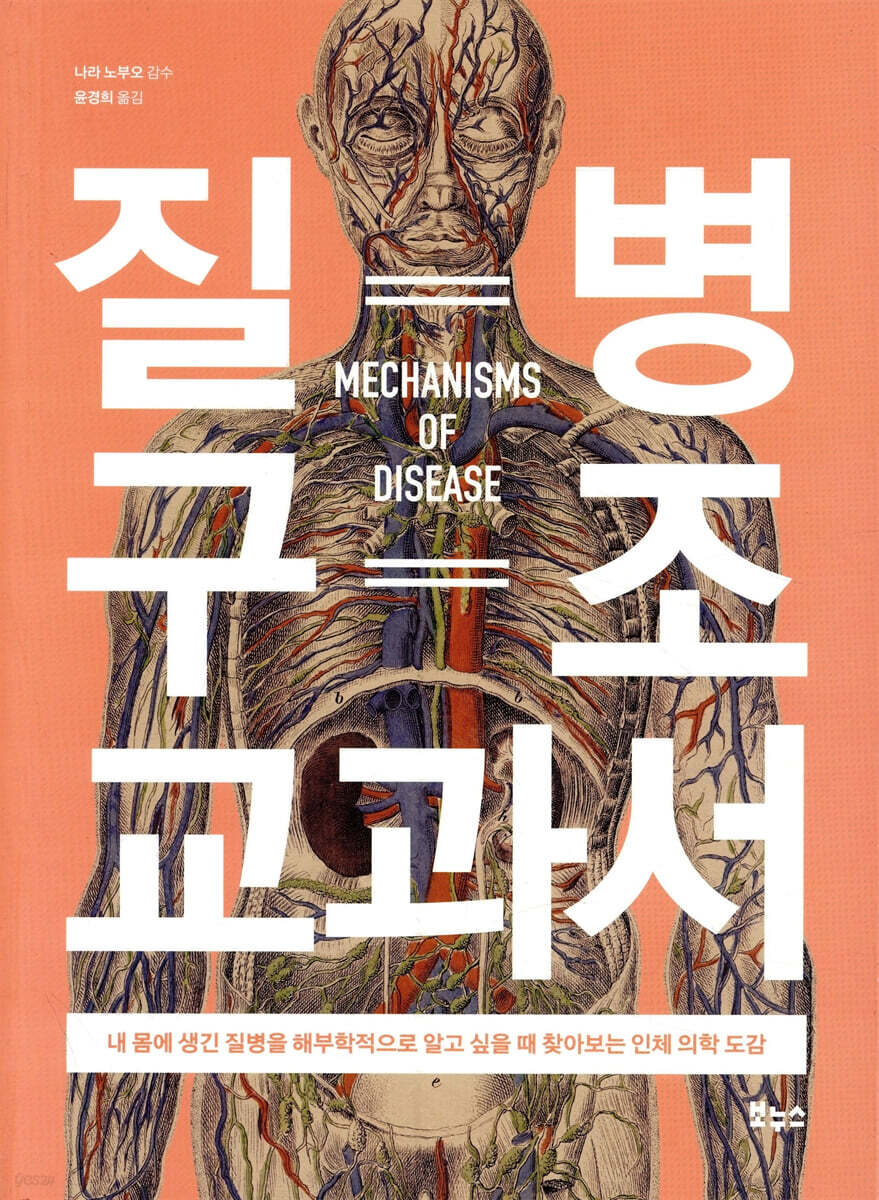
Disease Structure Textbook
 |
Description
Book Introduction
Knowing the structure of a disease is the beginning of treatment.
It is designed to provide a quick overview of the locations, causes, symptoms, and treatments of diseases that threaten our health, such as myocardial infarction, diabetes, high blood pressure, cancer, arteriosclerosis, and glaucoma.
Systematic explanations based on professional medical knowledge, along with 3D illustrations, CT images, and abundant photos, make understanding easier and more vivid.
Just by looking at it, you will naturally accumulate medical knowledge that will help you protect your body.
It is designed to provide a quick overview of the locations, causes, symptoms, and treatments of diseases that threaten our health, such as myocardial infarction, diabetes, high blood pressure, cancer, arteriosclerosis, and glaucoma.
Systematic explanations based on professional medical knowledge, along with 3D illustrations, CT images, and abundant photos, make understanding easier and more vivid.
Just by looking at it, you will naturally accumulate medical knowledge that will help you protect your body.
- You can preview some of the book's contents.
Preview
index
To begin with
How to use this book
Chapter 1 Exercise Machine
Skeleton of the whole body: fractures
Bone Structure and Metabolism: Osteoporosis
Structure of the joints: Rheumatoid arthritis
Muscle Structure: Muscle Tear
Bones and muscles of the head and neck: torticollis
Bones and muscles of the chest and abdomen: back pain
Bones and muscles of the back and waist area: herniated intervertebral disc
Bones and Muscles of the Arm: Dislocation
Bones and Muscles of the Leg: Achilles Tendon Rupture
Diseases of the motor system
Chapter 2 Brain and Nervous System
Cerebrum: Dementia
Limbic system: Schizophrenia
Brainstem: Parkinson's disease
Cerebellum: Spinocerebellar degeneration
Spinal Cord and Spinal Nerves: Spinal Cord Injury
Cranial nerves: facial paralysis
Conductivity of motor and sensory nerves: paralysis (motor paralysis, sensory paralysis)
Autonomic nervous system: dysautonomia
Neurotransmission at the Synapse: Drug Dependence
Diseases of the brain and nervous system
Chapter 3: Sensory organs
Structure of the Eye: Glaucoma
Structure of Vision: Retinal Detachment
The Structure of the Ear and the Way We Hear: Sudden Deafness
Balance: Meniere's disease
Structure of the Nasal Cavity: Paranasal Sinusitis
The Way of Smell: Olfactory Disorders
The Structure of the Tongue and the Way We Taste: Tongue Cancer
Structure and Role of the Skin: Atopic Dermatitis
Mode of skin sensation: Perceptual disturbance
Hair and Nails: Nail Diseases
Mechanism of pain
Diseases of the sensory organs
Chapter 4 Respiratory System
Nasal cavity, pharynx, and larynx: laryngeal cancer
Trachea and bronchi: bronchial asthma
Structure of the Lungs: Lung Cancer
Breathing Exercises and Control: Dyspnea
Alveoli and Gas Exchange: COPD (Chronic Obstructive Lung Disease)
vocalization style
respiratory diseases
Chapter 5 Circulatory System and Blood
Blood Circulation: Heart Failure
Heart and Coronary Arteries: Myocardial Infarction
Heart valves: valvular heart disease
Stimulus conduction system: flexor dysfunction syndrome
Cardiac cycle: arrhythmia
Arteries: Arteriosclerosis
Veins: Varicose Veins
Capillaries: Shock
Blood Pressure and Control: Hypertension
Lymphatic system: malignant lymphoma
Jira: Secret
Blood ① Composition of blood: Leukemia
Blood ② Plasma and red blood cells: iron deficiency anemia
Blood ③ White blood cells: Leukopenia
Immunity: Allergies
Platelets and Hemostasis: Idiopathic Thrombocytopenic Purpura
Circulatory and blood diseases
Chapter 6 Fire Extinguishers
Oral: Cavities
Pharynx and swallowing style: dysphagia (dysphagia)
Esophagus: Esophageal cancer
Above: Gastric cancer
Small intestine ① Small intestine: Small intestine ulcer
Small intestine ② Empty intestine/ileum: Ileus (intestinal obstruction)
How Digestion and Absorption Works: Crohn's Disease
Large intestine: large intestine cancer
Rectal and bowel movements: constipation
Interest: Acute pancreatitis
Liver: Liver cancer
Gallbladder: cholelithiasis
Diseases and symptoms of the digestive system
Chapter 7 Kidneys and Urinary System
Kidney: Nephritis
Nephrons and How Urine Is Made: CKD (Chronic Kidney Disease)
Kidney funnel and ureter: ureteral stones
Bladder: Bladder cancer
Urethra: Urethritis
Type of urination: urinary incontinence
Diseases of the kidneys and urinary system
Chapter 8 Endocrine
Hypothalamus: Stress
Pituitary gland: gigantism and acromegaly
Thyroid and thyroid glands: hyperthyroidism
Adrenal glands (suprarenal glands): Cushing's syndrome
Structure of the Islets of Langerhans: Diabetes
endocrine diseases
Chapter 9 Reproductive Organs and Cells
Breast: Breast Cancer
Uterus and Ovaries: Uterine Cancer
Women's Menstrual Cycle: Menstrual Abnormalities
Male reproductive organs: prostate cancer
Establishment and Course of Pregnancy: Hypertension Syndrome of Pregnancy
Cell Structure and Role: Cancer Development
Genes and DNA: Chromosomal Abnormalities
Diseases of the reproductive organs
Search
References
How to use this book
Chapter 1 Exercise Machine
Skeleton of the whole body: fractures
Bone Structure and Metabolism: Osteoporosis
Structure of the joints: Rheumatoid arthritis
Muscle Structure: Muscle Tear
Bones and muscles of the head and neck: torticollis
Bones and muscles of the chest and abdomen: back pain
Bones and muscles of the back and waist area: herniated intervertebral disc
Bones and Muscles of the Arm: Dislocation
Bones and Muscles of the Leg: Achilles Tendon Rupture
Diseases of the motor system
Chapter 2 Brain and Nervous System
Cerebrum: Dementia
Limbic system: Schizophrenia
Brainstem: Parkinson's disease
Cerebellum: Spinocerebellar degeneration
Spinal Cord and Spinal Nerves: Spinal Cord Injury
Cranial nerves: facial paralysis
Conductivity of motor and sensory nerves: paralysis (motor paralysis, sensory paralysis)
Autonomic nervous system: dysautonomia
Neurotransmission at the Synapse: Drug Dependence
Diseases of the brain and nervous system
Chapter 3: Sensory organs
Structure of the Eye: Glaucoma
Structure of Vision: Retinal Detachment
The Structure of the Ear and the Way We Hear: Sudden Deafness
Balance: Meniere's disease
Structure of the Nasal Cavity: Paranasal Sinusitis
The Way of Smell: Olfactory Disorders
The Structure of the Tongue and the Way We Taste: Tongue Cancer
Structure and Role of the Skin: Atopic Dermatitis
Mode of skin sensation: Perceptual disturbance
Hair and Nails: Nail Diseases
Mechanism of pain
Diseases of the sensory organs
Chapter 4 Respiratory System
Nasal cavity, pharynx, and larynx: laryngeal cancer
Trachea and bronchi: bronchial asthma
Structure of the Lungs: Lung Cancer
Breathing Exercises and Control: Dyspnea
Alveoli and Gas Exchange: COPD (Chronic Obstructive Lung Disease)
vocalization style
respiratory diseases
Chapter 5 Circulatory System and Blood
Blood Circulation: Heart Failure
Heart and Coronary Arteries: Myocardial Infarction
Heart valves: valvular heart disease
Stimulus conduction system: flexor dysfunction syndrome
Cardiac cycle: arrhythmia
Arteries: Arteriosclerosis
Veins: Varicose Veins
Capillaries: Shock
Blood Pressure and Control: Hypertension
Lymphatic system: malignant lymphoma
Jira: Secret
Blood ① Composition of blood: Leukemia
Blood ② Plasma and red blood cells: iron deficiency anemia
Blood ③ White blood cells: Leukopenia
Immunity: Allergies
Platelets and Hemostasis: Idiopathic Thrombocytopenic Purpura
Circulatory and blood diseases
Chapter 6 Fire Extinguishers
Oral: Cavities
Pharynx and swallowing style: dysphagia (dysphagia)
Esophagus: Esophageal cancer
Above: Gastric cancer
Small intestine ① Small intestine: Small intestine ulcer
Small intestine ② Empty intestine/ileum: Ileus (intestinal obstruction)
How Digestion and Absorption Works: Crohn's Disease
Large intestine: large intestine cancer
Rectal and bowel movements: constipation
Interest: Acute pancreatitis
Liver: Liver cancer
Gallbladder: cholelithiasis
Diseases and symptoms of the digestive system
Chapter 7 Kidneys and Urinary System
Kidney: Nephritis
Nephrons and How Urine Is Made: CKD (Chronic Kidney Disease)
Kidney funnel and ureter: ureteral stones
Bladder: Bladder cancer
Urethra: Urethritis
Type of urination: urinary incontinence
Diseases of the kidneys and urinary system
Chapter 8 Endocrine
Hypothalamus: Stress
Pituitary gland: gigantism and acromegaly
Thyroid and thyroid glands: hyperthyroidism
Adrenal glands (suprarenal glands): Cushing's syndrome
Structure of the Islets of Langerhans: Diabetes
endocrine diseases
Chapter 9 Reproductive Organs and Cells
Breast: Breast Cancer
Uterus and Ovaries: Uterine Cancer
Women's Menstrual Cycle: Menstrual Abnormalities
Male reproductive organs: prostate cancer
Establishment and Course of Pregnancy: Hypertension Syndrome of Pregnancy
Cell Structure and Role: Cancer Development
Genes and DNA: Chromosomal Abnormalities
Diseases of the reproductive organs
Search
References
Detailed image

Publisher's Review
Human anatomy knowledge to look up when you are curious about the structure of a disease that has occurred in your body.
An explanation of the human disease mechanism that identifies the nature of disease and symptoms.
If one day a blood vessel in the brain suddenly bursts or becomes blocked, normal blood flow stops.
If the brain is not properly supplied with oxygen, brain tissue is damaged.
The results can be fatal, including paralysis, loss of consciousness, and in severe cases, death.
This disease is collectively called stroke, and includes cerebral hemorrhage, cerebral infarction, and subarachnoid hemorrhage.
These diseases usually come on suddenly, and once symptoms appear, emergency treatment is necessary.
Any delay can lead to brain damage.
Even if a life is saved, brain tissue damage like this can leave aftereffects like motor paralysis, sensory impairment, and speech impediments, making daily life difficult. These neurological diseases are mainly caused by old age, smoking, drinking, and diabetes, and are particularly prevalent in people in their 50s and 60s.
People say that 'it's natural to get sick here and there as you get older', but that doesn't mean you can just ignore your body as it gets weaker.
A proper understanding of the mechanisms of diseases, including brain and nervous system diseases, which we have only vaguely known the names of, will be of great help in our efforts to maintain health, whether through diet or lifestyle.
Mechanisms of myocardial infarction, diabetes, hypertension, Parkinson's disease, arteriosclerosis, stomach cancer, and glaucoma
Suddenly, my chest feels tight.
The pain radiates to my jaw, back, and left shoulder.
My face turns pale, my breathing becomes rapid, and I feel nauseous.
In this case, myocardial infarction should be suspected and treated immediately.
Myocardial infarction is a disease in which the heart muscle dies because the coronary artery is blocked and blood flow is blocked.
In the acute phase of myocardial infarction, life-saving treatment should be given top priority before treatment.
Treatments include administering medications to dissolve blood clots in the coronary arteries, inserting catheters to widen blood vessels, and bypass surgery. In addition to myocardial infarction, there are many other heart diseases, including heart failure, valvular heart disease, and sinusitis, but most of them have similar symptoms, making it difficult to identify the specific disease.
However, the reason why you must have a good understanding of each disease is because even if the symptoms are similar, the location of the disease, cause, and treatment are completely different depending on the name of the disease.
This means that the sooner you recognize the nature of the disease, the greater your chances of maintaining your health.
Knowing the structure of the human body and the mechanisms of disease will soon give you the power to protect your body.
Let's look at the areas and symptoms that show symptoms and find out the cause and treatment.
You will be able to acquire correct knowledge about the disease.
The ultimate human medical guide to easily understand the symptoms, mechanisms, and treatments of diseases.
Even though I know the diagnosis and am prescribed medication, there are times when I feel frustrated and don't know why my body hurts.
I really wish someone would explain this in detail.
This book provides three-dimensional illustrations of the structure of the human body in an easy-to-understand manner, and explains each function according to the structure so that it can be understood.
Additionally, you can understand medical knowledge more vividly by using X-rays and CT images along with case studies of related diseases, their causes, symptoms, and treatments.
Breaking away from the difficult and boring conventional medical and anatomy textbooks, it is structured so that you can naturally build practical medical knowledge by understanding the structure and function of the human body in connection with the causes, symptoms, and treatments of diseases.
By reading this book, let's uncover the true nature of countless diseases that we didn't even know existed.
The human body is systematically classified into nine organ systems, and through scale drawings that accurately reduce the actual size to the exact ratio and illustrations that enlarge the microscopic structures in detail, even those who are new to medical books can easily understand the content and properly deal with diseases that constantly threaten their bodies.
An explanation of the human disease mechanism that identifies the nature of disease and symptoms.
If one day a blood vessel in the brain suddenly bursts or becomes blocked, normal blood flow stops.
If the brain is not properly supplied with oxygen, brain tissue is damaged.
The results can be fatal, including paralysis, loss of consciousness, and in severe cases, death.
This disease is collectively called stroke, and includes cerebral hemorrhage, cerebral infarction, and subarachnoid hemorrhage.
These diseases usually come on suddenly, and once symptoms appear, emergency treatment is necessary.
Any delay can lead to brain damage.
Even if a life is saved, brain tissue damage like this can leave aftereffects like motor paralysis, sensory impairment, and speech impediments, making daily life difficult. These neurological diseases are mainly caused by old age, smoking, drinking, and diabetes, and are particularly prevalent in people in their 50s and 60s.
People say that 'it's natural to get sick here and there as you get older', but that doesn't mean you can just ignore your body as it gets weaker.
A proper understanding of the mechanisms of diseases, including brain and nervous system diseases, which we have only vaguely known the names of, will be of great help in our efforts to maintain health, whether through diet or lifestyle.
Mechanisms of myocardial infarction, diabetes, hypertension, Parkinson's disease, arteriosclerosis, stomach cancer, and glaucoma
Suddenly, my chest feels tight.
The pain radiates to my jaw, back, and left shoulder.
My face turns pale, my breathing becomes rapid, and I feel nauseous.
In this case, myocardial infarction should be suspected and treated immediately.
Myocardial infarction is a disease in which the heart muscle dies because the coronary artery is blocked and blood flow is blocked.
In the acute phase of myocardial infarction, life-saving treatment should be given top priority before treatment.
Treatments include administering medications to dissolve blood clots in the coronary arteries, inserting catheters to widen blood vessels, and bypass surgery. In addition to myocardial infarction, there are many other heart diseases, including heart failure, valvular heart disease, and sinusitis, but most of them have similar symptoms, making it difficult to identify the specific disease.
However, the reason why you must have a good understanding of each disease is because even if the symptoms are similar, the location of the disease, cause, and treatment are completely different depending on the name of the disease.
This means that the sooner you recognize the nature of the disease, the greater your chances of maintaining your health.
Knowing the structure of the human body and the mechanisms of disease will soon give you the power to protect your body.
Let's look at the areas and symptoms that show symptoms and find out the cause and treatment.
You will be able to acquire correct knowledge about the disease.
The ultimate human medical guide to easily understand the symptoms, mechanisms, and treatments of diseases.
Even though I know the diagnosis and am prescribed medication, there are times when I feel frustrated and don't know why my body hurts.
I really wish someone would explain this in detail.
This book provides three-dimensional illustrations of the structure of the human body in an easy-to-understand manner, and explains each function according to the structure so that it can be understood.
Additionally, you can understand medical knowledge more vividly by using X-rays and CT images along with case studies of related diseases, their causes, symptoms, and treatments.
Breaking away from the difficult and boring conventional medical and anatomy textbooks, it is structured so that you can naturally build practical medical knowledge by understanding the structure and function of the human body in connection with the causes, symptoms, and treatments of diseases.
By reading this book, let's uncover the true nature of countless diseases that we didn't even know existed.
The human body is systematically classified into nine organ systems, and through scale drawings that accurately reduce the actual size to the exact ratio and illustrations that enlarge the microscopic structures in detail, even those who are new to medical books can easily understand the content and properly deal with diseases that constantly threaten their bodies.
GOODS SPECIFICS
- Publication date: October 14, 2022
- Page count, weight, size: 208 pages | 648g | 188*257*15mm
- ISBN13: 9788964945841
- ISBN10: 8964945840
You may also like
카테고리
korean


korean

![GQ KOREA Mark (Monthly): December [2025]](http://librairie.coreenne.fr/cdn/shop/files/8ef265dbbfbf186523ed75ba7319009d.jpg?v=1765340328&width=3840)


