

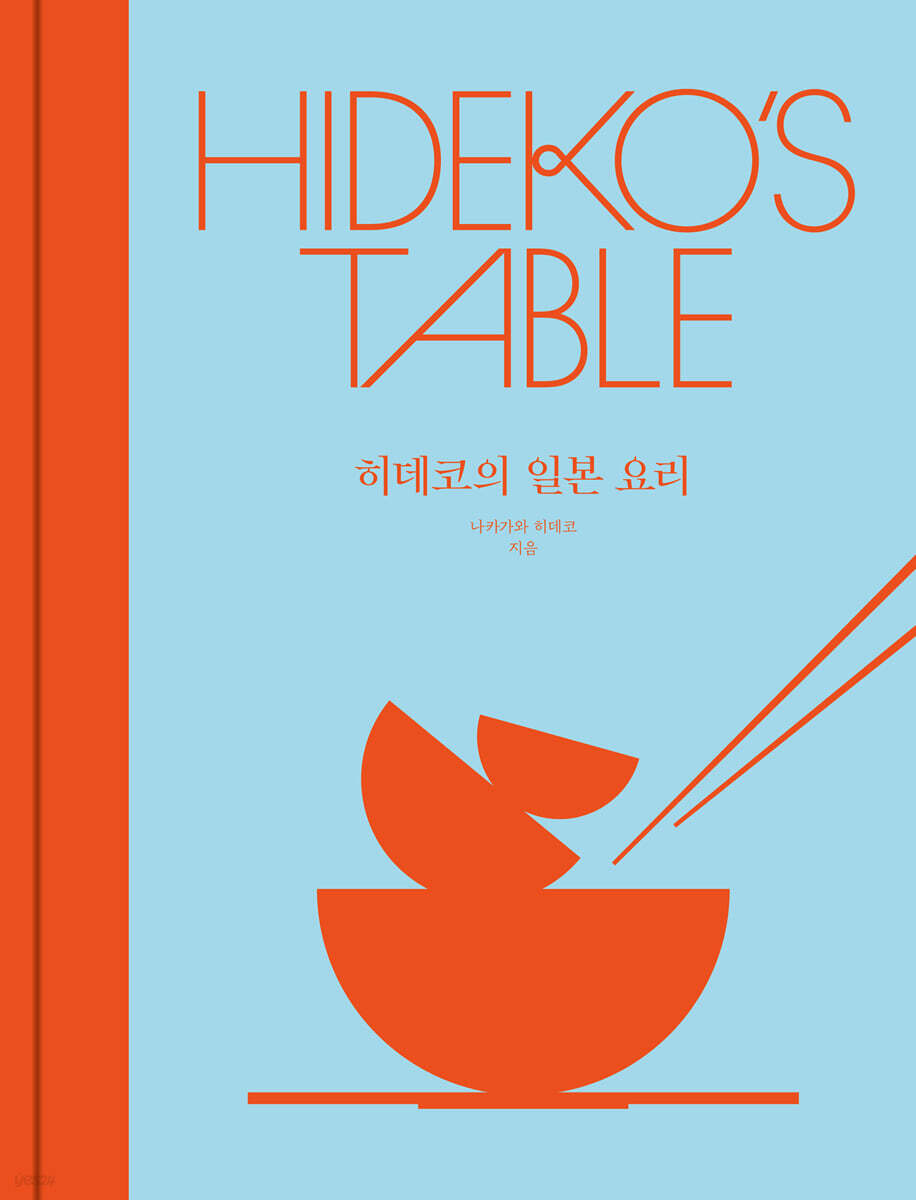
Hideko's Japanese Cuisine
 |
Description
Book Introduction
Soul food recipes from Yeonhui-dong cooking instructor Hideko, "Hideko's Japanese Cuisine"
The charm of Japanese cuisine, easy recipes, and the joy of exploring flavors, taught by kind teacher Hideko!
"On a day when you feel a little cold, what is 'that dish', 'that taste' that melts your heart and brings comfort? It's probably the warm and loving taste of your mother's cooking, the taste of your beloved hometown, the taste of our own home."
Hideko Nakagawa, a kitchen creator who runs the Yeonhui-dong cooking class Gourmet Levkuchen, has returned to her roots and compiled healthy Japanese recipes and rich food culture information into a single book.
Discover 86 Japanese recipes, starting with the taste of her mother's cooking and reborn in Hideko's style after extensive research.
The table is filled with a fresh seasonal feel thanks to the generous use of seasonal ingredients.
"Hideko's Japanese Cuisine" is a collection of 86 Japanese recipes, organized into 10 chapters, that fill the tables of everyday Japanese homes, including appetizers, side dishes and side dishes, stews and steamed dishes, grilled and stir-fried dishes, fried foods, rice, soups, hot pots, noodles, and pickled dishes.
Plus, it's packed with interesting reading material, including useful cooking tips for each chapter, information on Japanese ingredients and food culture, how to apply Korean ingredients, and essays on Hideko's culinary life and philosophy.
As we live, some dishes remain in our hearts and tongues with a definite presence and a vague sense of happiness.
Cooking is a precious lubricant in our lives.
If you can cook wherever you are, you can get closer to happiness.
Experience the small joys of everyday life that cooking brings through "Hideko's Japanese Cuisine"!
The charm of Japanese cuisine, easy recipes, and the joy of exploring flavors, taught by kind teacher Hideko!
"On a day when you feel a little cold, what is 'that dish', 'that taste' that melts your heart and brings comfort? It's probably the warm and loving taste of your mother's cooking, the taste of your beloved hometown, the taste of our own home."
Hideko Nakagawa, a kitchen creator who runs the Yeonhui-dong cooking class Gourmet Levkuchen, has returned to her roots and compiled healthy Japanese recipes and rich food culture information into a single book.
Discover 86 Japanese recipes, starting with the taste of her mother's cooking and reborn in Hideko's style after extensive research.
The table is filled with a fresh seasonal feel thanks to the generous use of seasonal ingredients.
"Hideko's Japanese Cuisine" is a collection of 86 Japanese recipes, organized into 10 chapters, that fill the tables of everyday Japanese homes, including appetizers, side dishes and side dishes, stews and steamed dishes, grilled and stir-fried dishes, fried foods, rice, soups, hot pots, noodles, and pickled dishes.
Plus, it's packed with interesting reading material, including useful cooking tips for each chapter, information on Japanese ingredients and food culture, how to apply Korean ingredients, and essays on Hideko's culinary life and philosophy.
As we live, some dishes remain in our hearts and tongues with a definite presence and a vague sense of happiness.
Cooking is a precious lubricant in our lives.
If you can cook wherever you are, you can get closer to happiness.
Experience the small joys of everyday life that cooking brings through "Hideko's Japanese Cuisine"!
- You can preview some of the book's contents.
Preview
index
A Letter from Hideko
Introduction
The First Step
Cooking Guides
Hideko's Notes: Again
Chapter 1 Appetizers
Tuna sashimi topped with cold tofu and seasoned with sesame oil
Pickled Mackerel and Shine Muscat Salad
Pickled kelp and flounder sashimi
sesame jelly
Soy Sauce Dressing Carpaccio
Hot Spring Eggs
Hideko's Notes: Appetizers
Chapter 2 Side Dishes, Vegetables, and Salads
Stir-fried octopus, green onion, and miso
Broccoli and Black Sesame Salad
Tofu and sesame salad
Turnip salad again
Octopus and cucumber salad
Stir-fried clams and octopus with miso
Radish Umeboshi Salad
Ginger Dressing Tomato Salad
Pork and Cucumber Shabu-Shabu Salad
Roasted Mushroom and Peach Salad
Hideko's Notes: Side Dishes, Vegetables, and Salads
Chapter 3 Braised and Steamed
Braised golden croaker in soy sauce
Root Vegetables Braised in Soy Sauce
Steamed salmon with cinnamon leaves
Steamed lily
Smile stew
braised pork belly in soy sauce
Red Crab Meat Ankake Chawanmushi
Bamboo shoot and seaweed stew
Mackerel miso stew
Beef and Potato Stew
Hideko's Notes: Braised and Steamed
Chapter 4 Grilled and Stir-fried
Pork Ginger Roast
Thick scrambled eggs
Egg roll again
Grilled tuna marinated in teriyaki soy sauce
Japanese-style fried dumplings
Roast beef with ginger
Daegu Shiro Miso Grill
Stir-fried burdock
Yeoju Stir-fried Tofu
Okonomiyaki
Hideko's Notes: Grilled and Stir-fried
Chapter 5 Fried Food
fry
fried chicken
Pork Starch Fries
Seafood and vegetable tempura
Fried vegetables soaked in tsuyu
Mackerel Nanbanzuke
Fried tuna tsukune
Menchikatsu
Hideko's Notes: Fried Food
Chapter 6 Rice
Glutinous rice and red bean rice
Salt Onigiri
Grilled Cheese Onigiri
Sweet Corn Fried Ochazuke
Salmon Ochazuke
Root vegetable gomokuzushi
Ume Shiso Rice
Turnip rice
Sweet potato rice
Green bean rice
Tomato rice
Omokbap
Sea eel rice bowl
Salmon rice bowl
Chicken and Egg Rice Bowl
Temakizushi
Hideko's Notes: Rice
Chapter 7 Country
Mom's rice cake soup
Tofu, Green Onion, and Miso Soup
Pork and Root Vegetable Miso Soup
Clear lily soup
Sooljigegi America
Ma Umeboshi Miso Soup
Clam miso soup
Hideko's Notes: Country
Chapter 8 Hot Pot
Winter Sukiyaki
Summer Tomato Sukiyaki
Soybean soup and tofu stew
Oyster stew with radish
Fish cake stew
Hideko's Notes: Hotpot
Chapter 9 page
Cold Miso Soup Somen
Japanese-style Chinese cold noodles
Hot pot udon
Green Onion Cream Buckwheat Noodles
Warm buckwheat noodles
Gochisou Somen
Hideko's Notes: Cotton
Chapter 10 Pickling
Pickled lotus root and mustard seeds
Pickled Eggplant with Mustard
Pickled vegetables
Pickled cucumber miso
Yorozuzuke
Pickled cucumbers again
Hideko's Notes: Pickles
Hideko's Stories
The moment when vegetables sparkle, Ohitashi and Namul
One soup, three side dishes? One soup, one side dish! Mom's onigiri, Dad's omusubi.
Mom's Nabe
Appendix
7 Essential Seasonings That Taste Better When You Know Them
Epilogue
Introduction
The First Step
Cooking Guides
Hideko's Notes: Again
Chapter 1 Appetizers
Tuna sashimi topped with cold tofu and seasoned with sesame oil
Pickled Mackerel and Shine Muscat Salad
Pickled kelp and flounder sashimi
sesame jelly
Soy Sauce Dressing Carpaccio
Hot Spring Eggs
Hideko's Notes: Appetizers
Chapter 2 Side Dishes, Vegetables, and Salads
Stir-fried octopus, green onion, and miso
Broccoli and Black Sesame Salad
Tofu and sesame salad
Turnip salad again
Octopus and cucumber salad
Stir-fried clams and octopus with miso
Radish Umeboshi Salad
Ginger Dressing Tomato Salad
Pork and Cucumber Shabu-Shabu Salad
Roasted Mushroom and Peach Salad
Hideko's Notes: Side Dishes, Vegetables, and Salads
Chapter 3 Braised and Steamed
Braised golden croaker in soy sauce
Root Vegetables Braised in Soy Sauce
Steamed salmon with cinnamon leaves
Steamed lily
Smile stew
braised pork belly in soy sauce
Red Crab Meat Ankake Chawanmushi
Bamboo shoot and seaweed stew
Mackerel miso stew
Beef and Potato Stew
Hideko's Notes: Braised and Steamed
Chapter 4 Grilled and Stir-fried
Pork Ginger Roast
Thick scrambled eggs
Egg roll again
Grilled tuna marinated in teriyaki soy sauce
Japanese-style fried dumplings
Roast beef with ginger
Daegu Shiro Miso Grill
Stir-fried burdock
Yeoju Stir-fried Tofu
Okonomiyaki
Hideko's Notes: Grilled and Stir-fried
Chapter 5 Fried Food
fry
fried chicken
Pork Starch Fries
Seafood and vegetable tempura
Fried vegetables soaked in tsuyu
Mackerel Nanbanzuke
Fried tuna tsukune
Menchikatsu
Hideko's Notes: Fried Food
Chapter 6 Rice
Glutinous rice and red bean rice
Salt Onigiri
Grilled Cheese Onigiri
Sweet Corn Fried Ochazuke
Salmon Ochazuke
Root vegetable gomokuzushi
Ume Shiso Rice
Turnip rice
Sweet potato rice
Green bean rice
Tomato rice
Omokbap
Sea eel rice bowl
Salmon rice bowl
Chicken and Egg Rice Bowl
Temakizushi
Hideko's Notes: Rice
Chapter 7 Country
Mom's rice cake soup
Tofu, Green Onion, and Miso Soup
Pork and Root Vegetable Miso Soup
Clear lily soup
Sooljigegi America
Ma Umeboshi Miso Soup
Clam miso soup
Hideko's Notes: Country
Chapter 8 Hot Pot
Winter Sukiyaki
Summer Tomato Sukiyaki
Soybean soup and tofu stew
Oyster stew with radish
Fish cake stew
Hideko's Notes: Hotpot
Chapter 9 page
Cold Miso Soup Somen
Japanese-style Chinese cold noodles
Hot pot udon
Green Onion Cream Buckwheat Noodles
Warm buckwheat noodles
Gochisou Somen
Hideko's Notes: Cotton
Chapter 10 Pickling
Pickled lotus root and mustard seeds
Pickled Eggplant with Mustard
Pickled vegetables
Pickled cucumber miso
Yorozuzuke
Pickled cucumbers again
Hideko's Notes: Pickles
Hideko's Stories
The moment when vegetables sparkle, Ohitashi and Namul
One soup, three side dishes? One soup, one side dish! Mom's onigiri, Dad's omusubi.
Mom's Nabe
Appendix
7 Essential Seasonings That Taste Better When You Know Them
Epilogue
Detailed image

Into the book
In Japan, Japanese cuisine is called “Washoku.”
It is characterized by simply bringing out the flavors of seasonal ingredients from each region.
A word that often appears when describing Japanese cuisine is 'shikioriori', which means 'all seasons'.
This is an expression that often appears in Korean cuisine.
Japan, which has the same four seasons and climate, has many things in common with Korea.
Although the methods of preparation are different, both countries are similar in that their cuisine is based on a culture of soybean paste, soy sauce, and dashi (broth).
---From "Introduction 'Let's make healthy Japanese cuisine that captures the seasons together?'"
Japanese side dishes can be simply seasoned with a mix of seasonal vegetables and various fermented seasonings.
Aemono, which is a side dish made with various seasonings, includes everything from ohitashi, which is made by soaking the dish in a broth seasoned only with dashi, soy sauce, and salt, to sunomono, which is made by marinating the dish in vinegar mixed with seasonings and dashi.
The method of making it is similar to Korean vegetable dishes, but it can be considered a healthy salad because it uses almost no oil, such as sesame oil.
---From "Chapter 2 Introduction to Side Dishes and Vegetable Salads"
My favorite fried dish is agebitashi, which is fried summer vegetables dipped in tsuyu.
Various ingredients are fried without batter and then dipped in a refreshing tsuyu sauce.
Served generously on a large platter with fragrant herbs like ginger, it creates a delightful dish that rivals meat and fish dishes.
Pair this with some cold somen noodles or chewy udon noodles, and you've got yourself a truly sparkling, happy summer afternoon.
---From "Chapter 5 'Fried Vegetables in Tsuyu'"
This soup is made with the white lees left over from filtering Cheongju, shiro miso, and a variety of other ingredients, and it warms your stomach.
Root vegetables slowly simmered in cold broth have a rich, savory flavor and are tender, so they are delicious even when lightly simmered with sake lees and shiro miso.
Adding salted salmon here deepens the flavor even further.
If you don't have shiro miso, you can use Korean rice malt soybean paste.
It is characterized by simply bringing out the flavors of seasonal ingredients from each region.
A word that often appears when describing Japanese cuisine is 'shikioriori', which means 'all seasons'.
This is an expression that often appears in Korean cuisine.
Japan, which has the same four seasons and climate, has many things in common with Korea.
Although the methods of preparation are different, both countries are similar in that their cuisine is based on a culture of soybean paste, soy sauce, and dashi (broth).
---From "Introduction 'Let's make healthy Japanese cuisine that captures the seasons together?'"
Japanese side dishes can be simply seasoned with a mix of seasonal vegetables and various fermented seasonings.
Aemono, which is a side dish made with various seasonings, includes everything from ohitashi, which is made by soaking the dish in a broth seasoned only with dashi, soy sauce, and salt, to sunomono, which is made by marinating the dish in vinegar mixed with seasonings and dashi.
The method of making it is similar to Korean vegetable dishes, but it can be considered a healthy salad because it uses almost no oil, such as sesame oil.
---From "Chapter 2 Introduction to Side Dishes and Vegetable Salads"
My favorite fried dish is agebitashi, which is fried summer vegetables dipped in tsuyu.
Various ingredients are fried without batter and then dipped in a refreshing tsuyu sauce.
Served generously on a large platter with fragrant herbs like ginger, it creates a delightful dish that rivals meat and fish dishes.
Pair this with some cold somen noodles or chewy udon noodles, and you've got yourself a truly sparkling, happy summer afternoon.
---From "Chapter 5 'Fried Vegetables in Tsuyu'"
This soup is made with the white lees left over from filtering Cheongju, shiro miso, and a variety of other ingredients, and it warms your stomach.
Root vegetables slowly simmered in cold broth have a rich, savory flavor and are tender, so they are delicious even when lightly simmered with sake lees and shiro miso.
Adding salted salmon here deepens the flavor even further.
If you don't have shiro miso, you can use Korean rice malt soybean paste.
---From "Chapter 7 'The United States of Alcohol'"
Publisher's Review
Hideko Nakagawa, a kitchen creator who has run a cooking class called Gourmet Lebkuchen in Yeonhui-dong for over 15 years and has also given lectures, written books, and been active in the media.
She returns to her roots, presenting a friendly Japanese cookbook in the Hideko style.
The book contains 86 Japanese cuisine recipes that began with the taste of a mother's cooking and were reborn in her own style after extensive research.
This book is especially meaningful as it is the first book from the publishing company Books Levkuchen, which he founded himself, and also the first book to mark the start of his personal publishing label, 'HIDEKO'S TABLE.'
"Hideko's Japanese Cuisine" introduces healthy Japanese home cooking that fills the dining table of Japanese families.
A total of 86 recipes are categorized into ten chapters by type, including appetizers, side dishes and salads, stews and steamed dishes, grilled and stir-fried dishes, fried dishes, rice, soups, stews, noodles, and pickles.
And each chapter includes a 'Hideko's Notes' page, which clearly organizes cooking tips for beginners in Japanese cooking, information on Japanese ingredients and cooking tools essential for making Japanese dishes, and basic common sense for understanding Japanese food culture.
Even the brief cooking instructions accompanying each recipe are filled with helpful reading material, including stories and history behind the dishes, and suggestions for substituting Korean ingredients that only the author can offer.
Also, 'Hideko's Stories', four essays that provide a brief respite between recipes, will make readers smile with episodes filled with the author's 30 years of living in Korea and memories of her childhood, as well as her philosophy on cooking and affectionate episodes.
As such, "Hideko's Japanese Cuisine" is filled with the author's unique skills that have helped countless students fall in love with the joy of cooking over the past 15 years.
Easy and efficient Hideko-style Japanese cooking recipes will teach readers the fundamentals and fun of Japanese cooking, and awaken the joy of exploring flavors.
She returns to her roots, presenting a friendly Japanese cookbook in the Hideko style.
The book contains 86 Japanese cuisine recipes that began with the taste of a mother's cooking and were reborn in her own style after extensive research.
This book is especially meaningful as it is the first book from the publishing company Books Levkuchen, which he founded himself, and also the first book to mark the start of his personal publishing label, 'HIDEKO'S TABLE.'
"Hideko's Japanese Cuisine" introduces healthy Japanese home cooking that fills the dining table of Japanese families.
A total of 86 recipes are categorized into ten chapters by type, including appetizers, side dishes and salads, stews and steamed dishes, grilled and stir-fried dishes, fried dishes, rice, soups, stews, noodles, and pickles.
And each chapter includes a 'Hideko's Notes' page, which clearly organizes cooking tips for beginners in Japanese cooking, information on Japanese ingredients and cooking tools essential for making Japanese dishes, and basic common sense for understanding Japanese food culture.
Even the brief cooking instructions accompanying each recipe are filled with helpful reading material, including stories and history behind the dishes, and suggestions for substituting Korean ingredients that only the author can offer.
Also, 'Hideko's Stories', four essays that provide a brief respite between recipes, will make readers smile with episodes filled with the author's 30 years of living in Korea and memories of her childhood, as well as her philosophy on cooking and affectionate episodes.
As such, "Hideko's Japanese Cuisine" is filled with the author's unique skills that have helped countless students fall in love with the joy of cooking over the past 15 years.
Easy and efficient Hideko-style Japanese cooking recipes will teach readers the fundamentals and fun of Japanese cooking, and awaken the joy of exploring flavors.
GOODS SPECIFICS
- Date of issue: January 20, 2025
- Format: Hardcover book binding method guide
- Page count, weight, size: 256 pages | 960g | 190*250*20mm
- ISBN13: 9791198559302
- ISBN10: 1198559306
You may also like
카테고리
korean


korean

![GQ KOREA Mark (Monthly): December [2025]](http://librairie.coreenne.fr/cdn/shop/files/8ef265dbbfbf186523ed75ba7319009d.jpg?v=1765340328&width=3840)


