

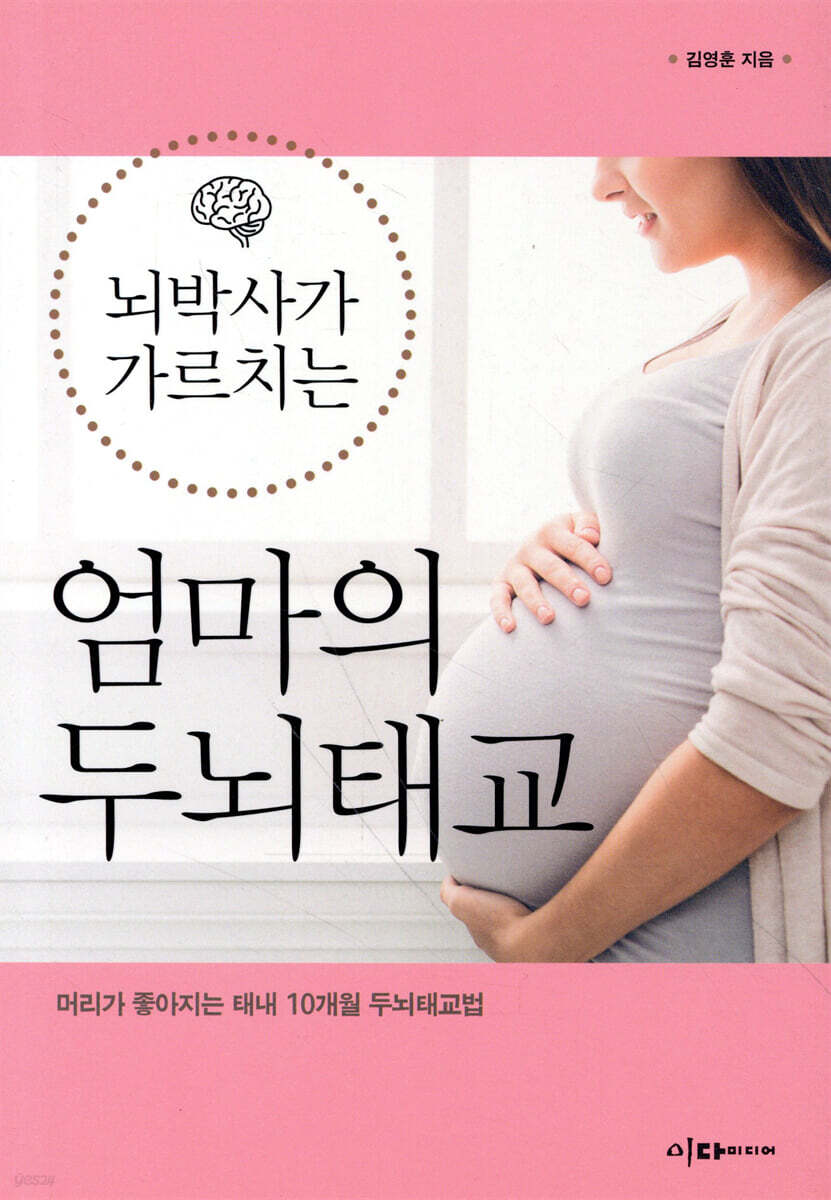
Prenatal brain education for mothers taught by a brain doctor
 |
Description
Book Introduction
This book, which presents a new concept of prenatal education called 'brain education', says that the mother's role is to focus on the development of the fetus's brain during the 10 months of pregnancy.
It includes an explanation of brain education, teaching how to create a healthy prenatal environment that helps the baby's brain develop, and how to communicate emotionally with the fetus.
Another unique advantage of this book is that it provides brain education methods based on the structure and characteristics of the fetal brain at each stage during the 10 months of pregnancy.
We also teach basic brain education methods to improve the baby's intelligence during the first year after birth.
It includes an explanation of brain education, teaching how to create a healthy prenatal environment that helps the baby's brain develop, and how to communicate emotionally with the fetus.
Another unique advantage of this book is that it provides brain education methods based on the structure and characteristics of the fetal brain at each stage during the 10 months of pregnancy.
We also teach basic brain education methods to improve the baby's intelligence during the first year after birth.
- You can preview some of the book's contents.
Preview
index
Chapter 1 What is brain education?
Introduction
The fetal brain and the mother's brain developing during pregnancy
A child's temperament is determined by the prenatal environment.
The 'Daddy Effect': Helping Pregnant Women and Fetuses
Is there a prenatal education program that makes children smarter?
The key to prenatal brain education is prenatal care.
Maternal stress is fatal to the fetus
Maternal depression is a cause of premature birth.
The placenta, which protects the fetus, is called the "third brain."
Drinking and smoking are dangerous for the fetus.
A mother's diet shapes her fetus's brain.
Pregnancy Diet for Fetal Brain Development
Mom's Exercise Changes the Fetal Brain
The mother's voice stimulates the fetus's hearing.
How do the five senses of a fetus develop?
Chapter 2: Pregnancy and Brain Education
Brain education during the first month of pregnancy
Brain education during the second month of pregnancy
Brain education during the third month of pregnancy
Brain education during the fourth month of pregnancy
Brain education during the fifth month of pregnancy
Brain education during the 6th month of pregnancy
Brain education during the 7th month of pregnancy
Brain education at 8 months of pregnancy
Brain education during the 9th month of pregnancy
Brain education at 10 months of pregnancy
Chapter 3: Postpartum Brain Education
Why do labor pains occur in laboring mothers?
The 'Daddy Effect': Essential for Pregnancy and Childbirth
Postpartum Depression: Mothers at Risk
Maternal stress improves parenting skills
Raising a Baby After Giving Birth
Brain education for 1-3 month old babies
Brain education for 4-6 month old babies
Brain education for babies aged 7 to 12 months
Introduction
The fetal brain and the mother's brain developing during pregnancy
A child's temperament is determined by the prenatal environment.
The 'Daddy Effect': Helping Pregnant Women and Fetuses
Is there a prenatal education program that makes children smarter?
The key to prenatal brain education is prenatal care.
Maternal stress is fatal to the fetus
Maternal depression is a cause of premature birth.
The placenta, which protects the fetus, is called the "third brain."
Drinking and smoking are dangerous for the fetus.
A mother's diet shapes her fetus's brain.
Pregnancy Diet for Fetal Brain Development
Mom's Exercise Changes the Fetal Brain
The mother's voice stimulates the fetus's hearing.
How do the five senses of a fetus develop?
Chapter 2: Pregnancy and Brain Education
Brain education during the first month of pregnancy
Brain education during the second month of pregnancy
Brain education during the third month of pregnancy
Brain education during the fourth month of pregnancy
Brain education during the fifth month of pregnancy
Brain education during the 6th month of pregnancy
Brain education during the 7th month of pregnancy
Brain education at 8 months of pregnancy
Brain education during the 9th month of pregnancy
Brain education at 10 months of pregnancy
Chapter 3: Postpartum Brain Education
Why do labor pains occur in laboring mothers?
The 'Daddy Effect': Essential for Pregnancy and Childbirth
Postpartum Depression: Mothers at Risk
Maternal stress improves parenting skills
Raising a Baby After Giving Birth
Brain education for 1-3 month old babies
Brain education for 4-6 month old babies
Brain education for babies aged 7 to 12 months
Detailed image
.jpg)
Publisher's Review
The 10 months of pregnancy are a time for fetal brain development!
“The first ten months of pregnancy are more important to a baby than the first ten years of education.”
This is a book written by Professor Kim Young-hoon, who started a 'parenting revolution' by expanding parenting methods that had long been confined to the field of psychology into the field of brain science, and is a book that deals with prenatal education in earnest.
This is a new brain education method based on brain science, breaking away from the prenatal education method that has been mainly based on reading fairy tales and listening to music.
Many expectant parents are beginning to recognize the importance of prenatal education and are actively engaging in prenatal education to help their fetus grow normally.
However, most people shake their heads when asked about the purpose of prenatal education.
The common response is that reading books to raise a smart child and listening to music to raise a child with rich emotions are helpful.
“The 10 months of pregnancy are a time for fetal brain development.
The fetus develops only its brain intensively in the limited space of the womb.
“If you look at the appearance of a fetus in early pregnancy through ultrasound, the brain takes up 70% of the whole.”
Professor Kim Young-hoon emphasizes that the essential purpose of prenatal education is to focus on the development of the fetus's brain.
In particular, it is pointed out that the mother's uterine environment is closely related to the baby's brain development.
The first 10 months of pregnancy are a crucial period that determines the quality and direction of a baby's life after birth.
Since life is a complex interaction between genes and the environment, innate genetic talents can only bloom if the uterine environment is good.
This means that the mother's prenatal environment has a great influence on the baby's height, intelligence, temperament, and personality.
The 10 months of pregnancy are divided into stages and specific, customized prenatal brain education methods are presented.
This book focuses on the five senses prenatal education (prenatal education that stimulates hearing, sight, touch, smell, and taste) that stimulates the fetal brain in the womb among various prenatal education methods.
That is, the purpose is to help increase the number of neurons in the fetal brain, form synapses in the cerebral cortex, and myelinize the brain in the womb through the five senses prenatal education, thereby helping the normal brain development of the fetus.
This book provides a detailed explanation of the structure and characteristics of the fetal brain at each stage during the 10 months of pregnancy, along with illustrations, and presents a customized brain education method.
For proper brain development, sufficient nutrition, blocking harmful substances, and maternal bonding are essential.
A representative example of maternal bonding is the intimate physical contact and emotional communication between mother and fetus.
In particular, the mother's tactile sensation has an important meaning in interaction and communication with the fetus.
The fetal brain, which is automatically structured according to a genetic program, is directly influenced by the external environment in the womb until birth.
The most important thing a mother can do at this time is to interact with the fetus, that is, to communicate and exchange love and emotions.
To do this communication well, you need to know the developmental stage and situation of the fetal brain.
This is because the core of ‘brain education’ is prenatal education that responds appropriately to the stage of fetal brain development during the 10 months of pregnancy.
The brain structure of a child formed during pregnancy and early postpartum is difficult to change once formed.
Therefore, more attention should be paid to the baby's brain development during the fetal and infant stages.
In particular, the area of the brain that was first determined (emotion processing) is unlikely to change.
Ultimately, the child's ability to respond emotionally and regulate emotions is determined by how the child's brain structure is formed.
This book, which presents a new concept of prenatal education called 'brain education', says that the mother's role is to focus on the development of the fetus's brain during the 10 months of pregnancy.
It includes an explanation of brain education, teaching how to create a healthy prenatal environment that helps the baby's brain develop, and how to communicate emotionally with the fetus.
Another unique advantage of this book is that it provides brain education methods based on the structure and characteristics of the fetal brain at each stage during the 10 months of pregnancy.
We also teach basic brain education methods to improve the baby's intelligence during the first year after birth.
Chapter 1 What is brain education?
Professor Kim Young-hoon, a leading authority on pediatric neurology in Korea, explains in detail the concept of the brain prenatal education method he created, from its concept to specific implementation methods.
Brain prenatal education based on brain science, unlike existing prenatal education methods, focuses on the development of the fetus's brain during the 10-month pregnancy period.
This is a new prenatal education method that takes into account the fact that the fetus focuses on brain growth and development for 10 months in the mother's womb.
Babies develop feelings of love and empathy with their mothers in the prenatal environment due to the action of oxytocin, a maternal hormone.
Through this maternal bond, the fetus's brain develops and it grows into an emotionally stable state.
It is said that children who receive brain education, such as frequent physical contact with their mothers, have improved language skills, motor skills, and memory.
Chapter 2: Pregnancy and the Brain
It explains the growth process of the fetus and the environment in the womb on a monthly basis during the 10 months of pregnancy.
For example, from the time the sperm and egg are fertilized until the first month of pregnancy, the characteristics of the embryo and the appearance of the fetus are explained, and the changes and preparations of the pregnant woman and the brain education methods for each period are taught.
It suggests precautions such as proper food intake, nutritional management, and hazardous drugs.
And it explains the types and methods of appropriate exercise for early pregnancy.
It shows in detail the changes in the fetus inside the mother's womb from the first to the tenth month of pregnancy.
By checking the appearance of the fetus at each stage, we teach specific brain education methods that are appropriate for the stage of fetal brain development.
And we have compiled the things that pregnant women must know into a Q&A format.
Chapter 3: Postpartum Brain Education
Following prenatal brain education, brain education for the baby is also essential for the first year after birth.
Because the 10 months of pregnancy and the first 12 months after birth are the most important times in a child's brain development.
A baby's brain develops according to a genetic program, but later exposure to many stimuli and experiences strengthens and activates synapses.
Therefore, it is best for mothers and babies to stay together immediately after birth if possible, and breastfeeding also helps the baby's cognitive and brain development.
Babies aged 1 to 3 months have active brain activity related to touch, breathing, and movement, and babies aged 4 to 6 months develop large and small muscles and form an attachment with their mothers, such as making eye contact.
Babies aged 7 to 12 months are in a critical period of language development, so it is best for parents to use a rich vocabulary while guiding their babies' behavior.
“The first ten months of pregnancy are more important to a baby than the first ten years of education.”
This is a book written by Professor Kim Young-hoon, who started a 'parenting revolution' by expanding parenting methods that had long been confined to the field of psychology into the field of brain science, and is a book that deals with prenatal education in earnest.
This is a new brain education method based on brain science, breaking away from the prenatal education method that has been mainly based on reading fairy tales and listening to music.
Many expectant parents are beginning to recognize the importance of prenatal education and are actively engaging in prenatal education to help their fetus grow normally.
However, most people shake their heads when asked about the purpose of prenatal education.
The common response is that reading books to raise a smart child and listening to music to raise a child with rich emotions are helpful.
“The 10 months of pregnancy are a time for fetal brain development.
The fetus develops only its brain intensively in the limited space of the womb.
“If you look at the appearance of a fetus in early pregnancy through ultrasound, the brain takes up 70% of the whole.”
Professor Kim Young-hoon emphasizes that the essential purpose of prenatal education is to focus on the development of the fetus's brain.
In particular, it is pointed out that the mother's uterine environment is closely related to the baby's brain development.
The first 10 months of pregnancy are a crucial period that determines the quality and direction of a baby's life after birth.
Since life is a complex interaction between genes and the environment, innate genetic talents can only bloom if the uterine environment is good.
This means that the mother's prenatal environment has a great influence on the baby's height, intelligence, temperament, and personality.
The 10 months of pregnancy are divided into stages and specific, customized prenatal brain education methods are presented.
This book focuses on the five senses prenatal education (prenatal education that stimulates hearing, sight, touch, smell, and taste) that stimulates the fetal brain in the womb among various prenatal education methods.
That is, the purpose is to help increase the number of neurons in the fetal brain, form synapses in the cerebral cortex, and myelinize the brain in the womb through the five senses prenatal education, thereby helping the normal brain development of the fetus.
This book provides a detailed explanation of the structure and characteristics of the fetal brain at each stage during the 10 months of pregnancy, along with illustrations, and presents a customized brain education method.
For proper brain development, sufficient nutrition, blocking harmful substances, and maternal bonding are essential.
A representative example of maternal bonding is the intimate physical contact and emotional communication between mother and fetus.
In particular, the mother's tactile sensation has an important meaning in interaction and communication with the fetus.
The fetal brain, which is automatically structured according to a genetic program, is directly influenced by the external environment in the womb until birth.
The most important thing a mother can do at this time is to interact with the fetus, that is, to communicate and exchange love and emotions.
To do this communication well, you need to know the developmental stage and situation of the fetal brain.
This is because the core of ‘brain education’ is prenatal education that responds appropriately to the stage of fetal brain development during the 10 months of pregnancy.
The brain structure of a child formed during pregnancy and early postpartum is difficult to change once formed.
Therefore, more attention should be paid to the baby's brain development during the fetal and infant stages.
In particular, the area of the brain that was first determined (emotion processing) is unlikely to change.
Ultimately, the child's ability to respond emotionally and regulate emotions is determined by how the child's brain structure is formed.
This book, which presents a new concept of prenatal education called 'brain education', says that the mother's role is to focus on the development of the fetus's brain during the 10 months of pregnancy.
It includes an explanation of brain education, teaching how to create a healthy prenatal environment that helps the baby's brain develop, and how to communicate emotionally with the fetus.
Another unique advantage of this book is that it provides brain education methods based on the structure and characteristics of the fetal brain at each stage during the 10 months of pregnancy.
We also teach basic brain education methods to improve the baby's intelligence during the first year after birth.
Chapter 1 What is brain education?
Professor Kim Young-hoon, a leading authority on pediatric neurology in Korea, explains in detail the concept of the brain prenatal education method he created, from its concept to specific implementation methods.
Brain prenatal education based on brain science, unlike existing prenatal education methods, focuses on the development of the fetus's brain during the 10-month pregnancy period.
This is a new prenatal education method that takes into account the fact that the fetus focuses on brain growth and development for 10 months in the mother's womb.
Babies develop feelings of love and empathy with their mothers in the prenatal environment due to the action of oxytocin, a maternal hormone.
Through this maternal bond, the fetus's brain develops and it grows into an emotionally stable state.
It is said that children who receive brain education, such as frequent physical contact with their mothers, have improved language skills, motor skills, and memory.
Chapter 2: Pregnancy and the Brain
It explains the growth process of the fetus and the environment in the womb on a monthly basis during the 10 months of pregnancy.
For example, from the time the sperm and egg are fertilized until the first month of pregnancy, the characteristics of the embryo and the appearance of the fetus are explained, and the changes and preparations of the pregnant woman and the brain education methods for each period are taught.
It suggests precautions such as proper food intake, nutritional management, and hazardous drugs.
And it explains the types and methods of appropriate exercise for early pregnancy.
It shows in detail the changes in the fetus inside the mother's womb from the first to the tenth month of pregnancy.
By checking the appearance of the fetus at each stage, we teach specific brain education methods that are appropriate for the stage of fetal brain development.
And we have compiled the things that pregnant women must know into a Q&A format.
Chapter 3: Postpartum Brain Education
Following prenatal brain education, brain education for the baby is also essential for the first year after birth.
Because the 10 months of pregnancy and the first 12 months after birth are the most important times in a child's brain development.
A baby's brain develops according to a genetic program, but later exposure to many stimuli and experiences strengthens and activates synapses.
Therefore, it is best for mothers and babies to stay together immediately after birth if possible, and breastfeeding also helps the baby's cognitive and brain development.
Babies aged 1 to 3 months have active brain activity related to touch, breathing, and movement, and babies aged 4 to 6 months develop large and small muscles and form an attachment with their mothers, such as making eye contact.
Babies aged 7 to 12 months are in a critical period of language development, so it is best for parents to use a rich vocabulary while guiding their babies' behavior.
GOODS SPECIFICS
- Date of publication: October 18, 2018
- Page count, weight, size: 280 pages | 476g | 150*210*17mm
- ISBN13: 9788994597980
- ISBN10: 8994597980
You may also like
카테고리
korean


korean

![GQ KOREA Mark (Monthly): December [2025]](http://librairie.coreenne.fr/cdn/shop/files/8ef265dbbfbf186523ed75ba7319009d.jpg?v=1765340328&width=3840)


