

Our tea meets tea food
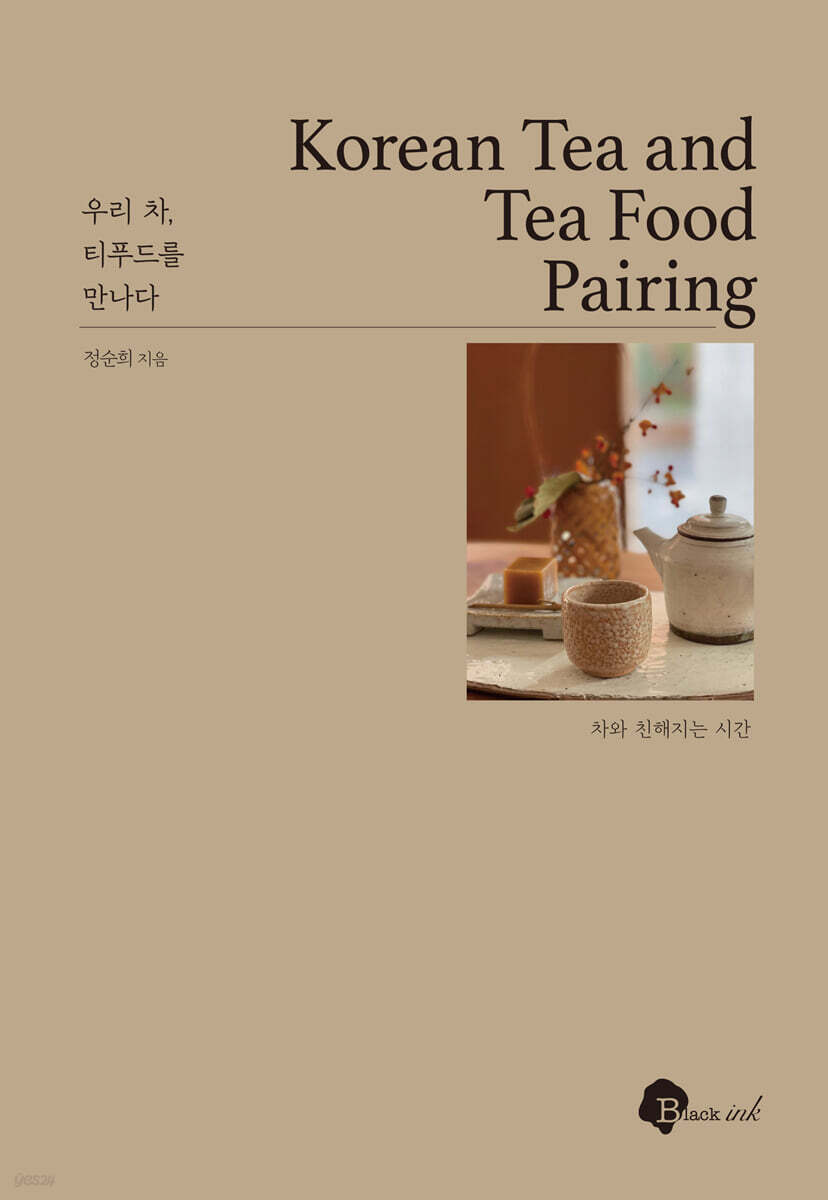 |
Description
Book Introduction
Interest in our cars continues to grow.
Therefore, there is a growing need to properly understand Korean tea and to carry on traditional tea in a modern way.
This book rediscovers Korean tea culture and introduces traditional and modern tea foods that can be enjoyed with tea.
By adding seasonal tea food, you can create a more delicious and rich tea ceremony.
The author has written this book to share the know-how he has accumulated through tea classes, tea meditation, and tea pairing experiences over the past 30 years of tea life, and to introduce Korean tea and tea food.
It contains a variety of recipes for regional teas and tea cultures, seasonal drinks, and various tea foods, as well as how to make and drink tea.
We introduce the various charms of our tea and tea food so that they can naturally permeate the daily lives of many people.
Let's embark on a journey into a world of gastronomy that encompasses both tradition and modernity.
Therefore, there is a growing need to properly understand Korean tea and to carry on traditional tea in a modern way.
This book rediscovers Korean tea culture and introduces traditional and modern tea foods that can be enjoyed with tea.
By adding seasonal tea food, you can create a more delicious and rich tea ceremony.
The author has written this book to share the know-how he has accumulated through tea classes, tea meditation, and tea pairing experiences over the past 30 years of tea life, and to introduce Korean tea and tea food.
It contains a variety of recipes for regional teas and tea cultures, seasonal drinks, and various tea foods, as well as how to make and drink tea.
We introduce the various charms of our tea and tea food so that they can naturally permeate the daily lives of many people.
Let's embark on a journey into a world of gastronomy that encompasses both tradition and modernity.
- You can preview some of the book's contents.
Preview
index
PART 1 What is a car?
From tea trees to substitute tea, the colorful world of tea
Are there separate green tea trees and black tea trees?
Can tea help you lose weight?
PART 2 When did you start drinking tea?
The flow of Chinese tea culture
The flow of Korean tea culture
The flow of Japanese tea culture
PART 3 Where will our cars be produced?
National car map of our country
Hadong, the birthplace of Korean tea
Boseong, home to many beautiful tea gardens
Jangheung, the home of rice cake tea
Gangjin, a place with a story of Dasan's tea
Newly created tea fields, Jeju
Other tea areas
PART 4 What kind of cars are there in Korea?
Our tea, filled with tradition and change
Classification of Modern Cars: Six Major Categories
Classification by leaf picking period
PART 5 Our Tea
Tea We are tea lovers
Seasonal tea delivery
PART 6 Our Tea and Seasonal Tea Pairings
The beginning of tea food
Regional teas and seasonal tea food pairings
PART 7: Enjoy a Variety of Tea and Tea Food Recipes
Matcha latte with a rich and savory flavor
Iced Matcha Latte to whet your summer appetite
Refreshing, sweet-scented cold brew blended fermented tea
Quick and easy to make and drink cold iced tea
Green tea espresso! A drop of concentrated tea (tear tea)
Persimmon peel black tea, good for skin beauty and immunity
How to revive old green tea, hojicha
Gochujang tea, good for colds
A cup of smooth milk tea
Pastel Green Matcha Panna Cotta
Colorful tea flower arrangement
Sophisticated tea pancake
Ochazuke, rice mixed with tea
From tea trees to substitute tea, the colorful world of tea
Are there separate green tea trees and black tea trees?
Can tea help you lose weight?
PART 2 When did you start drinking tea?
The flow of Chinese tea culture
The flow of Korean tea culture
The flow of Japanese tea culture
PART 3 Where will our cars be produced?
National car map of our country
Hadong, the birthplace of Korean tea
Boseong, home to many beautiful tea gardens
Jangheung, the home of rice cake tea
Gangjin, a place with a story of Dasan's tea
Newly created tea fields, Jeju
Other tea areas
PART 4 What kind of cars are there in Korea?
Our tea, filled with tradition and change
Classification of Modern Cars: Six Major Categories
Classification by leaf picking period
PART 5 Our Tea
Tea We are tea lovers
Seasonal tea delivery
PART 6 Our Tea and Seasonal Tea Pairings
The beginning of tea food
Regional teas and seasonal tea food pairings
PART 7: Enjoy a Variety of Tea and Tea Food Recipes
Matcha latte with a rich and savory flavor
Iced Matcha Latte to whet your summer appetite
Refreshing, sweet-scented cold brew blended fermented tea
Quick and easy to make and drink cold iced tea
Green tea espresso! A drop of concentrated tea (tear tea)
Persimmon peel black tea, good for skin beauty and immunity
How to revive old green tea, hojicha
Gochujang tea, good for colds
A cup of smooth milk tea
Pastel Green Matcha Panna Cotta
Colorful tea flower arrangement
Sophisticated tea pancake
Ochazuke, rice mixed with tea
Detailed image

Into the book
The world of tea is endless.
Tea is made by pouring hot water over tea leaves and steeping them. Depending on the tea leaves, varying the temperature of the water can make the tea even more delicious.
For tea, we can use a small teapot, but if we don't have one, we can brew tea with just a cup.
It's okay not to have all kinds of tools from the beginning.
Green tea is steeped about three times, and fermented tea is steeped several times more, but the taste of the tea varies depending on each person's preference.
--- p.18
The six major types of tea, namely green tea, black tea, white tea, oolong tea, yellow tea, and dark tea, are made by processing tea leaves picked from this tea tree. There are no separate green tea trees or black tea trees.
To explain it more simply, just as rice can be used as an ingredient to make various foods such as rice, cookies, noodles, and rice cakes depending on the method of preparation, the same goes for tea.
The leaves from the same tea tree can be used to make green tea, black tea, or other teas.
--- p.21
The history of tea in Korea begins in the Silla Dynasty.
During the Unified Silla period, tea culture developed in earnest, and during the Goryeo period, tea culture flourished alongside Buddhism, and during the Joseon period, under the influence of Confucianism, it played an important role in ceremonies such as ancestral rites.
Currently, Korea's tea culture is developing through a blend of tradition and modernity, focusing on green tea and fermented tea.
--- p.41
In Korea, green tea is the most produced tea among various types of tea, and various fermented teas are also produced.
The most widely produced and consumed tea in the industrial world is green tea, which is readily available in tea bags.
We also produce a lot of brown rice green tea, which suits our taste well.
Fermented tea can be considered mostly black tea based on the method of making it.
In addition, there is a traditional tea called rice cake tea, which is made by steaming, pounding, and pressing into a mold.
In addition, we are making various attempts to introduce new and diverse teas tailored to the tastes of consumers, and small quantities of Yuja Byeongcha, Juktongcha, Baekcha, and Hwangcha are being produced.
--- p.79
There is a saying, “Everyday is a daily occurrence.”
It means 'eating rice and drinking tea' and refers to an ordinary, everyday activity. Through this expression, we can see how much people in the past enjoyed drinking tea in their daily lives.
It's fun to have tea that changes with the weather, mood, or season, from morning to afternoon and evening.
--- p.103
Tea food that has brought about various changes.
This is believed to have originated from the Western culture of having sweet desserts with coffee.
Sweet cakes and pastries are enough to cut through the bitterness of the coffee and make you want to drink it again.
I hope that tea food, which was not part of our tea culture, will contribute to the diversity of tea culture by expanding into a new concept with tea.
Just as there is a tea ceremony that involves steeping green tea twice and then drinking it with a simple snack, sweet tea food makes the tea ceremony even more special.
It is okay to drink tea that goes well with food at the meal.
Tea food provides small pleasures to a healthy life for body and mind.
--- p.129~130
Recently, efforts have been made to develop various teas in each tea garden.
One of them is white tea.
White tea is made by picking young, fluffy buds and drying them, and can be stored for a long time before drinking.
The soup is clear in color and has a clean taste.
So, rather than tea foods that are too strong, soft panna cotta or fig tea foods that are made with less sweetness go well with it.
Fresh fig tea food, available from early fall, is easy to make and perfect for cooking with children.
--- p.143
Fill a small teapot with green tea and pour room temperature water or water below 50℃ into the teapot to make a strong brew.
After that, drop it into the glass one drop at a time like tears and place about 5ml of tea on the tip of your tongue and savor it while drinking it. This is a strong tea.
Nongcha means strong tea.
It can be seen as a way to maximize the flavor of the amino acids in the tea and drink it, similar to the concept of green tea espresso.
Tea is made by pouring hot water over tea leaves and steeping them. Depending on the tea leaves, varying the temperature of the water can make the tea even more delicious.
For tea, we can use a small teapot, but if we don't have one, we can brew tea with just a cup.
It's okay not to have all kinds of tools from the beginning.
Green tea is steeped about three times, and fermented tea is steeped several times more, but the taste of the tea varies depending on each person's preference.
--- p.18
The six major types of tea, namely green tea, black tea, white tea, oolong tea, yellow tea, and dark tea, are made by processing tea leaves picked from this tea tree. There are no separate green tea trees or black tea trees.
To explain it more simply, just as rice can be used as an ingredient to make various foods such as rice, cookies, noodles, and rice cakes depending on the method of preparation, the same goes for tea.
The leaves from the same tea tree can be used to make green tea, black tea, or other teas.
--- p.21
The history of tea in Korea begins in the Silla Dynasty.
During the Unified Silla period, tea culture developed in earnest, and during the Goryeo period, tea culture flourished alongside Buddhism, and during the Joseon period, under the influence of Confucianism, it played an important role in ceremonies such as ancestral rites.
Currently, Korea's tea culture is developing through a blend of tradition and modernity, focusing on green tea and fermented tea.
--- p.41
In Korea, green tea is the most produced tea among various types of tea, and various fermented teas are also produced.
The most widely produced and consumed tea in the industrial world is green tea, which is readily available in tea bags.
We also produce a lot of brown rice green tea, which suits our taste well.
Fermented tea can be considered mostly black tea based on the method of making it.
In addition, there is a traditional tea called rice cake tea, which is made by steaming, pounding, and pressing into a mold.
In addition, we are making various attempts to introduce new and diverse teas tailored to the tastes of consumers, and small quantities of Yuja Byeongcha, Juktongcha, Baekcha, and Hwangcha are being produced.
--- p.79
There is a saying, “Everyday is a daily occurrence.”
It means 'eating rice and drinking tea' and refers to an ordinary, everyday activity. Through this expression, we can see how much people in the past enjoyed drinking tea in their daily lives.
It's fun to have tea that changes with the weather, mood, or season, from morning to afternoon and evening.
--- p.103
Tea food that has brought about various changes.
This is believed to have originated from the Western culture of having sweet desserts with coffee.
Sweet cakes and pastries are enough to cut through the bitterness of the coffee and make you want to drink it again.
I hope that tea food, which was not part of our tea culture, will contribute to the diversity of tea culture by expanding into a new concept with tea.
Just as there is a tea ceremony that involves steeping green tea twice and then drinking it with a simple snack, sweet tea food makes the tea ceremony even more special.
It is okay to drink tea that goes well with food at the meal.
Tea food provides small pleasures to a healthy life for body and mind.
--- p.129~130
Recently, efforts have been made to develop various teas in each tea garden.
One of them is white tea.
White tea is made by picking young, fluffy buds and drying them, and can be stored for a long time before drinking.
The soup is clear in color and has a clean taste.
So, rather than tea foods that are too strong, soft panna cotta or fig tea foods that are made with less sweetness go well with it.
Fresh fig tea food, available from early fall, is easy to make and perfect for cooking with children.
--- p.143
Fill a small teapot with green tea and pour room temperature water or water below 50℃ into the teapot to make a strong brew.
After that, drop it into the glass one drop at a time like tears and place about 5ml of tea on the tip of your tongue and savor it while drinking it. This is a strong tea.
Nongcha means strong tea.
It can be seen as a way to maximize the flavor of the amino acids in the tea and drink it, similar to the concept of green tea espresso.
--- p.207
Publisher's Review
Our tea is the most delicious and sophisticated,
How to enjoy it in various ways
Our country's tea culture has been passed down for a long time.
Although there were times when the pulse was interrupted, it continued through the Silla, Goryeo, and Joseon Dynasties until the present.
Tea is a popular beverage not only in our country but also in many countries around the world.
It's great to drink and enjoy a variety of teas from around the world, including Chinese tea, Japanese tea, and European black tea. However, as interest in our own tea has been growing again recently, this book introduces tea grown in our land and tea foods that are served with it according to the season.
First, we will look at the colorful world of tea, including tea and tea trees, and what and how tea is made.
We will also learn how tea culture has changed and developed in East Asia, including Korea, and what it looks like today.
It helps you understand the overall flow of tea by exploring the stories behind our country's tea-producing regions and the teas that represent each region.
For tea to become popular, everyone must be able to easily access and enjoy tea.
Therefore, this book approaches Korean tea culture from a new perspective.
We introduce various drinks made with tea and delicious tea food that goes well with tea.
A car should be convenient to use in real life and have a variety of applications.
Because it is not simply consumed as a traditional drink, it needs to be transformed to suit modern sensibilities and lifestyles.
Brightens up the tea ceremony
Seasonal Tea and Tea Food Recipes
Dasik (茶食) is a type of Korean confectionery that goes well with tea. The concept of tea food is a little different, but tea food is also creating another culture together with tea.
Tea pairing with our tea is a way to enjoy Korea's traditional tea culture in a more colorful and enriching way.
In particular, you can experience the flavors and aromas that suit the season by enjoying different teas and foods according to the season.
This book explores how to enjoy health and pleasure through a variety of tea and tea food recipes.
For example, with hot water, we go well with Dongchuncha, Samseok Dasik, with Ujeoncha, azalea flower pancakes, and with white tea, strawberry panna cotta or fig desserts.
Also, combinations of Sejak green tea and mugwort rice cake, steamed Sejak and sweet red bean porridge or lemon jelly, green tea and kurikinton or sweet pumpkin bruschetta, and yuzu tea and ginger cookies are good.
Hongjaksal can be served with Yulan and Hongokjeonggwa, Hwangcha can be served with buckwheat kimbap, Tteokcha (Cheongtaejeon) can be served with sweet potato cake, and iced matcha can be served with red bean jelly or mugwort pound cake.
Tea can be used as both a beverage and a food, and there are many recipes for various tea applications, such as horn tea, which is good for colds, colorful tea hwachae, fragrant tea pancakes, and hojicha, which is made by roasting old green tea.
Making a cup of tea is like taking care of yourself.
A time spent with tea also becomes a meaningful time to communicate with family, friends, and acquaintances.
Tea can help you regain some leisure time in your daily life, and that leisure time can lead to greater joy in life.
We hope you will experience the deep flavors of Korean tradition even more deeply by enjoying tea grown in our land and seasonal tea foods.
Book structure
This book consists of a total of 7 chapters.
First, in Part 1, we define what tea is to understand tea, and learn about tea trees, including their appearance and form.
Through this, you can understand the basic concepts, characteristics, and essence of tea.
In Part 2, we will look at the origins of tea and the flow of tea history in Korea, China, and Japan.
It covers the history of tea from its inception through the ages, and shows how tea culture has developed in each country.
Part 3 explores tea in our country in depth.
By learning about the regions where tea is mainly produced in Korea, you can understand the characteristics and diversity of Korean tea.
In Part 4, we look at the classification of modern cars and the names of spring teas.
Part 5 covers how to brew and drink tea.
It focuses on the act of making and drinking tea and provides specific instructions on how to enjoy tea.
The purpose is to enrich the enjoyment of drinking tea in daily life.
Part 6 introduces tea foods that match the season so that you can enjoy tea in your daily life, and finally, Part 7 provides ideas for enjoying tea in various ways through seasonal drink recipes using tea.
The author, who has studied and researched tea for over 30 years, wrote this book based on his numerous tea experiences.
Through “Our Tea, Meet Tea Food,” you will be able to spend more meaningful time with tea.
How to enjoy it in various ways
Our country's tea culture has been passed down for a long time.
Although there were times when the pulse was interrupted, it continued through the Silla, Goryeo, and Joseon Dynasties until the present.
Tea is a popular beverage not only in our country but also in many countries around the world.
It's great to drink and enjoy a variety of teas from around the world, including Chinese tea, Japanese tea, and European black tea. However, as interest in our own tea has been growing again recently, this book introduces tea grown in our land and tea foods that are served with it according to the season.
First, we will look at the colorful world of tea, including tea and tea trees, and what and how tea is made.
We will also learn how tea culture has changed and developed in East Asia, including Korea, and what it looks like today.
It helps you understand the overall flow of tea by exploring the stories behind our country's tea-producing regions and the teas that represent each region.
For tea to become popular, everyone must be able to easily access and enjoy tea.
Therefore, this book approaches Korean tea culture from a new perspective.
We introduce various drinks made with tea and delicious tea food that goes well with tea.
A car should be convenient to use in real life and have a variety of applications.
Because it is not simply consumed as a traditional drink, it needs to be transformed to suit modern sensibilities and lifestyles.
Brightens up the tea ceremony
Seasonal Tea and Tea Food Recipes
Dasik (茶食) is a type of Korean confectionery that goes well with tea. The concept of tea food is a little different, but tea food is also creating another culture together with tea.
Tea pairing with our tea is a way to enjoy Korea's traditional tea culture in a more colorful and enriching way.
In particular, you can experience the flavors and aromas that suit the season by enjoying different teas and foods according to the season.
This book explores how to enjoy health and pleasure through a variety of tea and tea food recipes.
For example, with hot water, we go well with Dongchuncha, Samseok Dasik, with Ujeoncha, azalea flower pancakes, and with white tea, strawberry panna cotta or fig desserts.
Also, combinations of Sejak green tea and mugwort rice cake, steamed Sejak and sweet red bean porridge or lemon jelly, green tea and kurikinton or sweet pumpkin bruschetta, and yuzu tea and ginger cookies are good.
Hongjaksal can be served with Yulan and Hongokjeonggwa, Hwangcha can be served with buckwheat kimbap, Tteokcha (Cheongtaejeon) can be served with sweet potato cake, and iced matcha can be served with red bean jelly or mugwort pound cake.
Tea can be used as both a beverage and a food, and there are many recipes for various tea applications, such as horn tea, which is good for colds, colorful tea hwachae, fragrant tea pancakes, and hojicha, which is made by roasting old green tea.
Making a cup of tea is like taking care of yourself.
A time spent with tea also becomes a meaningful time to communicate with family, friends, and acquaintances.
Tea can help you regain some leisure time in your daily life, and that leisure time can lead to greater joy in life.
We hope you will experience the deep flavors of Korean tradition even more deeply by enjoying tea grown in our land and seasonal tea foods.
Book structure
This book consists of a total of 7 chapters.
First, in Part 1, we define what tea is to understand tea, and learn about tea trees, including their appearance and form.
Through this, you can understand the basic concepts, characteristics, and essence of tea.
In Part 2, we will look at the origins of tea and the flow of tea history in Korea, China, and Japan.
It covers the history of tea from its inception through the ages, and shows how tea culture has developed in each country.
Part 3 explores tea in our country in depth.
By learning about the regions where tea is mainly produced in Korea, you can understand the characteristics and diversity of Korean tea.
In Part 4, we look at the classification of modern cars and the names of spring teas.
Part 5 covers how to brew and drink tea.
It focuses on the act of making and drinking tea and provides specific instructions on how to enjoy tea.
The purpose is to enrich the enjoyment of drinking tea in daily life.
Part 6 introduces tea foods that match the season so that you can enjoy tea in your daily life, and finally, Part 7 provides ideas for enjoying tea in various ways through seasonal drink recipes using tea.
The author, who has studied and researched tea for over 30 years, wrote this book based on his numerous tea experiences.
Through “Our Tea, Meet Tea Food,” you will be able to spend more meaningful time with tea.
GOODS SPECIFICS
- Date of issue: January 3, 2025
- Page count, weight, size: 228 pages | 145*205*20mm
- ISBN13: 9791198403056
- ISBN10: 1198403055
You may also like
카테고리
korean


korean

![GQ KOREA Mark (Monthly): December [2025]](http://librairie.coreenne.fr/cdn/shop/files/8ef265dbbfbf186523ed75ba7319009d.jpg?v=1765340328&width=3840)


