

Ikebana that captures the four seasons
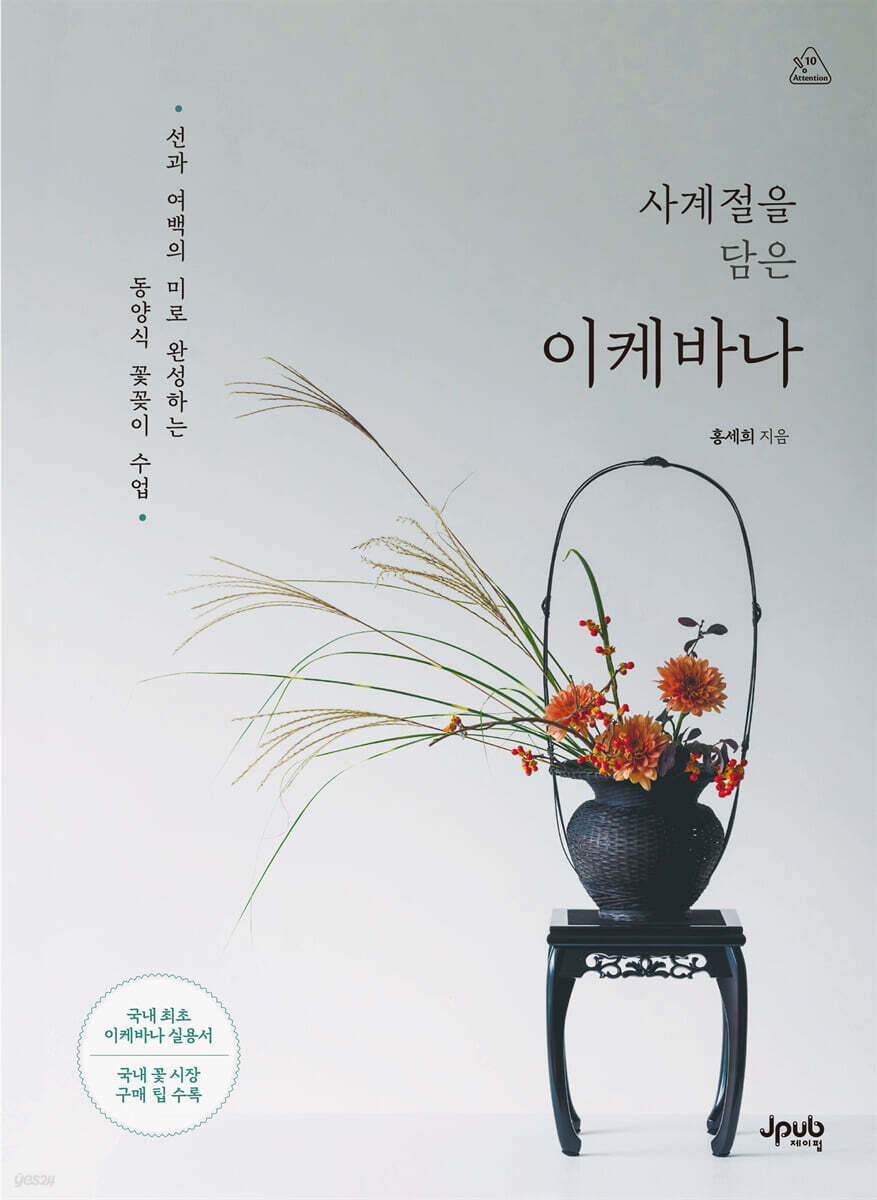 |
Description
Book Introduction
Make your surroundings more beautiful and your space more harmonious
Flowers, grass, and fruits of the season are captured in a vase in their natural form.
In this era of minimalist lifestyles where simplicity reigns supreme, flower arrangement trends are also gradually changing.
Although not as rich and ornate as Western flower arrangements, try ikebana, which showcases a neat and elegant beauty using a small number of flowers and materials.
You can experience the natural sentiment and leisureliness in the lines and spaces that are difficult to feel in Western-style flower arrangements.
This book introduces how to combine and design representative flowers and materials suitable for each season, spring, summer, fall, and winter, using the ikebana method.
Choose flowers and materials according to the four seasons and express them with your own unique sensibility to complete an even more stylish piece.
Not only will it have an interior effect, it will also provide a wonderful time for entertaining guests.
Flowers, grass, and fruits of the season are captured in a vase in their natural form.
In this era of minimalist lifestyles where simplicity reigns supreme, flower arrangement trends are also gradually changing.
Although not as rich and ornate as Western flower arrangements, try ikebana, which showcases a neat and elegant beauty using a small number of flowers and materials.
You can experience the natural sentiment and leisureliness in the lines and spaces that are difficult to feel in Western-style flower arrangements.
This book introduces how to combine and design representative flowers and materials suitable for each season, spring, summer, fall, and winter, using the ikebana method.
Choose flowers and materials according to the four seasons and express them with your own unique sensibility to complete an even more stylish piece.
Not only will it have an interior effect, it will also provide a wonderful time for entertaining guests.
- You can preview some of the book's contents.
Preview
index
Ikebana
The meaning of ikebana
Ikebana schools
The Difference Between Ikebana and Western Flower Arrangement
First Steps to Ikebana
- Tool introduction
- How to handle materials
- How to fix the material
Spring, when pleasant excitement begins to stir
Gloriosa
- Cornelian cherry and Gloriosa
- Bamboo and Gloriosa
plum tree
- Plum
- Hongmaehwa
magnolia
magnolia tree
Azalea
Poplar tree
- Air conditioning poplar
- Thin-leaf poplar
- Air conditioning poplar (thinning)
cherry
- White cherry tree
- Pink cherry tree
- Double cherry tree
lilac
- White lilac
- Purple lilac
poppy
clematis
- Purple clematis
- Purple clematis
Allium
- Blue Perfume Wave
- Snake
rose
Peony
A summer filled with warm, fresh greenery
dogwood
Golden tree
Baby tiger fan
azalea leaves
Iris
- Purple iris
- Yellow iris
- German Iris
Hydrangea
Orchid leaves
creeper
Fan fan
kite
- Basic composition
- Application structure
magnolia tree
Bokbunja
Anthurium
Palma Christi
Autumn begins to turn red and rich
Old vine
- Bottle holder
- Acupuncture needle holder
Namcheon
briar
Yongdam
chestnut
Golden plum blossoms
dahlia
reeds
cosmos
A winter filled with long nights and quiet dreams
Falling red
daffodil
quince tree
Phalaenopsis
Willow
pine tree
-Yuksong
- Five-leaf pine
- New Year's flower arrangement using pine trees
anemone
ginger tree
How to Use Fritz Hansen's Ikebana Vases
The meaning of ikebana
Ikebana schools
The Difference Between Ikebana and Western Flower Arrangement
First Steps to Ikebana
- Tool introduction
- How to handle materials
- How to fix the material
Spring, when pleasant excitement begins to stir
Gloriosa
- Cornelian cherry and Gloriosa
- Bamboo and Gloriosa
plum tree
- Plum
- Hongmaehwa
magnolia
magnolia tree
Azalea
Poplar tree
- Air conditioning poplar
- Thin-leaf poplar
- Air conditioning poplar (thinning)
cherry
- White cherry tree
- Pink cherry tree
- Double cherry tree
lilac
- White lilac
- Purple lilac
poppy
clematis
- Purple clematis
- Purple clematis
Allium
- Blue Perfume Wave
- Snake
rose
Peony
A summer filled with warm, fresh greenery
dogwood
Golden tree
Baby tiger fan
azalea leaves
Iris
- Purple iris
- Yellow iris
- German Iris
Hydrangea
Orchid leaves
creeper
Fan fan
kite
- Basic composition
- Application structure
magnolia tree
Bokbunja
Anthurium
Palma Christi
Autumn begins to turn red and rich
Old vine
- Bottle holder
- Acupuncture needle holder
Namcheon
briar
Yongdam
chestnut
Golden plum blossoms
dahlia
reeds
cosmos
A winter filled with long nights and quiet dreams
Falling red
daffodil
quince tree
Phalaenopsis
Willow
pine tree
-Yuksong
- Five-leaf pine
- New Year's flower arrangement using pine trees
anemone
ginger tree
How to Use Fritz Hansen's Ikebana Vases
Detailed image

Publisher's Review
Neat and elegant oriental flower arrangement
While Western flower arrangements focus on expressing abundance with a variety of flowers in various colors, Ikebana, an Eastern flower arrangement, pursues elegant beauty through the beauty of empty space.
Focusing on the unique lines and natural forms of flowers, and making their presence stand out even with a small number of flowers, is deeply connected to the traditional Eastern culture that values harmony between nature and humans.
Enjoy the elegant and delicate beauty of the Orient through Ikebana, which is not just a simple flower arrangement but a part of art. Feel the peace of emptying your mind and enjoy the elegant and delicate beauty of the Orient.
Korea's first practical ikebana book
Ikebana is a traditional Japanese flower arrangement technique, divided into numerous schools, each with its own unique theories and strict forms, embodying profound aesthetics. However, in Korea, opportunities to learn about it have been relatively limited, and finding related materials has been difficult.
This book is the first practical guide to introduce ikebana, which has been difficult to access in Korea, in a way that suits the domestic situation.
This book was written by a Korean author, Professor Ohara Ryu Iemoto, a regular member of Ikebana International and the Japan Flower Designers Association, and a SOTA Ikebana expert instructor. It not only introduces tools and basic methods for handling materials, but also provides detailed information on purchasing tips and arrangement methods suitable for the Korean flower market.
It is a structure that even beginners can easily follow, so anyone with an interest in ikebana can easily get started and combine and design flowers and materials in their own style.
Flower arranging lessons you can enjoy all year round
Ikebana is a special art form that allows you to feel the flow and changes of the seasons and connect with nature in your daily life.
So, one of the important elements in ikebana is the selection of flowers and materials that reflect the season.
This book covers the four seasons of spring, summer, fall, and winter, providing flower arrangement lessons that teach you how to naturally utilize flowers, grasses, and fruits appropriate for each season.
Beautify your everyday space with ikebana and experience the beauty of the four seasons blending into nature.
While Western flower arrangements focus on expressing abundance with a variety of flowers in various colors, Ikebana, an Eastern flower arrangement, pursues elegant beauty through the beauty of empty space.
Focusing on the unique lines and natural forms of flowers, and making their presence stand out even with a small number of flowers, is deeply connected to the traditional Eastern culture that values harmony between nature and humans.
Enjoy the elegant and delicate beauty of the Orient through Ikebana, which is not just a simple flower arrangement but a part of art. Feel the peace of emptying your mind and enjoy the elegant and delicate beauty of the Orient.
Korea's first practical ikebana book
Ikebana is a traditional Japanese flower arrangement technique, divided into numerous schools, each with its own unique theories and strict forms, embodying profound aesthetics. However, in Korea, opportunities to learn about it have been relatively limited, and finding related materials has been difficult.
This book is the first practical guide to introduce ikebana, which has been difficult to access in Korea, in a way that suits the domestic situation.
This book was written by a Korean author, Professor Ohara Ryu Iemoto, a regular member of Ikebana International and the Japan Flower Designers Association, and a SOTA Ikebana expert instructor. It not only introduces tools and basic methods for handling materials, but also provides detailed information on purchasing tips and arrangement methods suitable for the Korean flower market.
It is a structure that even beginners can easily follow, so anyone with an interest in ikebana can easily get started and combine and design flowers and materials in their own style.
Flower arranging lessons you can enjoy all year round
Ikebana is a special art form that allows you to feel the flow and changes of the seasons and connect with nature in your daily life.
So, one of the important elements in ikebana is the selection of flowers and materials that reflect the season.
This book covers the four seasons of spring, summer, fall, and winter, providing flower arrangement lessons that teach you how to naturally utilize flowers, grasses, and fruits appropriate for each season.
Beautify your everyday space with ikebana and experience the beauty of the four seasons blending into nature.
GOODS SPECIFICS
- Date of issue: November 5, 2024
- Page count, weight, size: 272 pages | 702g | 188*257*14mm
- ISBN13: 9791193926536
You may also like
카테고리
korean


korean

![GQ KOREA Mark (Monthly): December [2025]](http://librairie.coreenne.fr/cdn/shop/files/8ef265dbbfbf186523ed75ba7319009d.jpg?v=1765340328&width=3840)


