

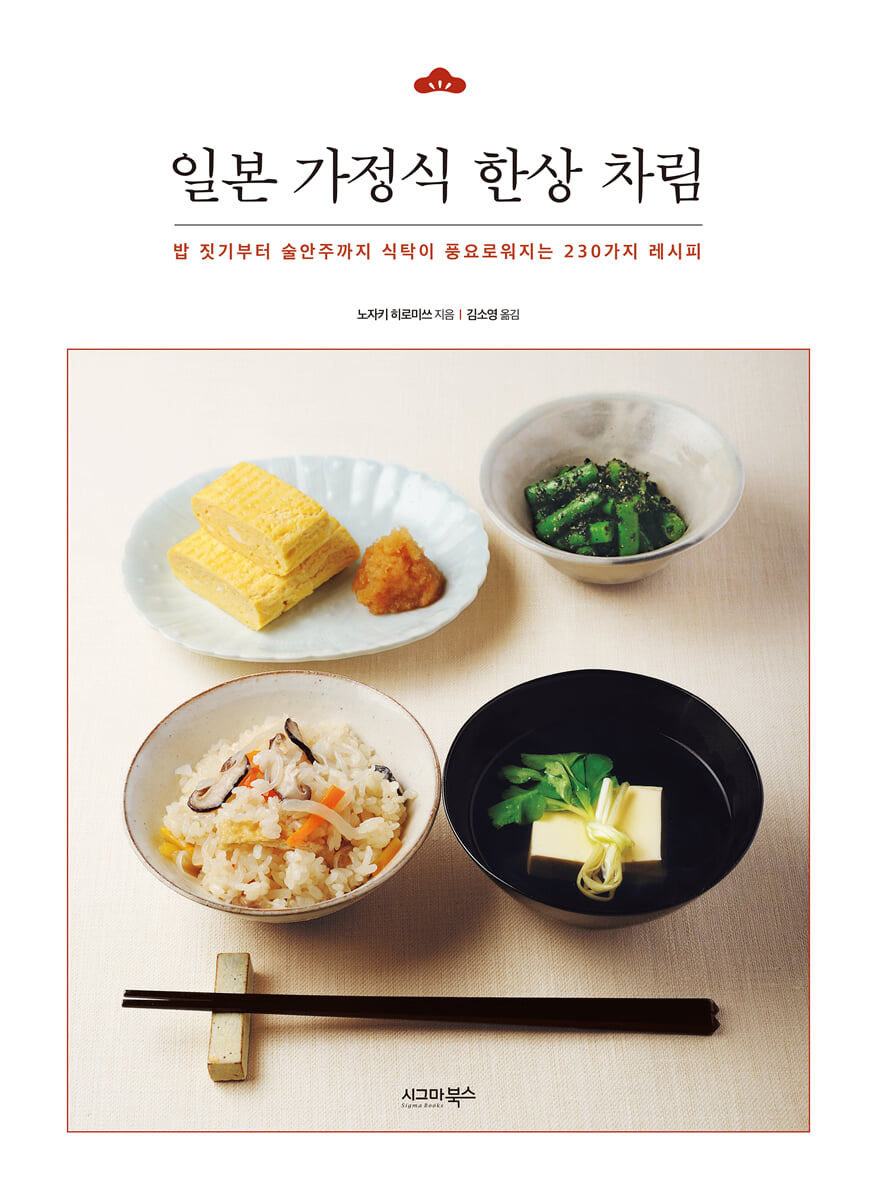
Japanese home-style table setting
 |
Description
Book Introduction
From cooking rice to drinking snacks
230 Recipes to Enrich Your Table
This book contains recipes for almost all Japanese dishes, including basic Japanese home-cooked meals such as rice, side dishes, and soup, as well as snacks and desserts.
The author, who worked as the head chef at Waketokuyama in Minami-Azabu after working at restaurants such as Tokyo Grand Hotel and Happoen, has captured the essence of Japanese home cooking in this book.
The recipes in this book use only a few ingredients and are simple to make, so even beginners can easily follow them.
Veterans will also be able to discover new aspects of Japanese cuisine.
230 Recipes to Enrich Your Table
This book contains recipes for almost all Japanese dishes, including basic Japanese home-cooked meals such as rice, side dishes, and soup, as well as snacks and desserts.
The author, who worked as the head chef at Waketokuyama in Minami-Azabu after working at restaurants such as Tokyo Grand Hotel and Happoen, has captured the essence of Japanese home cooking in this book.
The recipes in this book use only a few ingredients and are simple to make, so even beginners can easily follow them.
Veterans will also be able to discover new aspects of Japanese cuisine.
- You can preview some of the book's contents.
Preview
index
preface
Let's set the table
Four important points to keep in mind when preparing a banquet
Examples of seasonal side dishes
Examples of seasonal side dishes
How to read this book, the rules of this book
Chapter 1: Popular Everyday Dishes You Want to Make Right
- Japanese style fried chicken
- Japanese-style hamburger steak
-Ginger pork roast
- Grilled salt-grilled defense fish
- Defense Fan Teriyaki
- Mackerel stewed in soybean paste
- Braised meatballs
- Pork and Potato Stew
- Tonkatsu
- Cubed curry
Chef Nozaki's Cooking Lesson 1 - How to Make and Use Broth
Chef Nozaki's Cooking Lesson 2: Creating Delicious Flavors
Chef Nozaki's Cooking Lesson 3: How to Cook Rice
Chapter 2: When You Need More: Side Dishes, Pickles, and Salads
- 3 types of pickles
- Spinach side dish
- Stir-fried kidney beans and sesame seeds
- Pea, carrot, and sesame salad
- 3 kinds of mashed tofu salad
- Stir-fried clams and green onions
- Jjimdak, spinach, and radish salad
- When you need one more serving _ Seasonal vegetable one-serving dish
- Beef salad
- Cold pork shabu-shabu
- Potato and radish salad
- Tomato salad
- Water parsley and tofu salad
- Easy blanched vegetable side dish
Chef Nozaki's Cooking Lesson 4 - Convenient Pre-made Seasonings and Sauces
Chef Nozaki's Cooking Lesson 5: How to Identify Fresh Fish
Chapter 3: Quick and Delicious Snacks
- Pickled mackerel
- Tuna and plum tataki
- Cold soup
- Fried mackerel with sesame seeds
- A collection of simple drinking snacks 1
- A collection of simple drinking snacks 2
Chef Nozaki's Cooking Lesson 6 - Plating Basics
Chapter 4 Grilled and Fried Foods as Main Dishes
- Grilled mackerel with salt
- Grilled golden eye sea bream with seasoning
- Grilled tuna with yuzu
- Daegu Saikyo Doenjang Grilled Fish
- Grilled Tuna with Red Miso
- Grilled salted mackerel
- Grilled squid with lemon
- Grilled salted cod
- Crispy grilled flounder
- Skipjack tuna steak
- Catalog of Appetizer Vegetables for Grilled Fish
- Pan-fried chicken
- Grilled Chicken with Cheese
- Chicken Curry Grilled Mackerel
- Pork Ketchup Teriyaki
- Grilled beef and green onion
- Grilled beef marinated in soybean paste
- Japanese-style roast beef
- Egg roll
- Datemaki
- Tofu and eggplant mountain pie
- Grilled Yubu Green Onion
- Tofu Steak
- Japanese-style tempura
- Kakiage
- Bonito tatsutaage
- Fried eel
- Pickled fried squid
- Fried soft tofu
Chef Nozaki's Cooking Lesson 7 - Daily Lunch Box
Chef Nozaki's Cooking Lesson 8: How to Handle Ceramics
Chapter 5: The Taste of Calmness: Braised, Steamed, and Stewed Dishes
- Light braised sea bream
- Braised flounder liver with radish
- Braised golden eye bream with tomato
- Fried flounder arare stew
- Braised defense radish
- Glossy braised sea bream
- Braised conger eel
- Conger eel pan derin
- Pork and turnip salt stew
- Braised pork
- Chicken wings braised in soy sauce
- Braised chicken
- Beef Ketchup Stew
- Beef broth stew
- Braised beef
- Chicken and Vegetable Stew
- Stir-fried eggplant
- Braised burdock
- Braised pumpkin
- Lettuce roll
- Takano braised tofu
- Braised seaweed
- Braised tofu balls
- Braised tiger beans
- Bean and Chicken Soup
- Steamed clams in alcohol
- Steamed Okdom
- Stewed chicken liver and radish
- Beef shabu shabu
- Beef and tomato stew
- Japanese steamed egg
- Ma Jjim
- Sukiyaki
- Fish cake soup
- Bamboo shoot stew
- Golden eye sea bream cabbage stew
- Chicken meatball stew
- Pork and soy milk stew
- Tuna and green onion stew
- Tofu stew
Chef Nozaki's Cooking Lesson 9: How to Use an Earthenware Pot
Chapter 6: Rice and Soup: Expanding Your Repertoire
- Egg rice
- Green onion wasabi soy sauce rice
- Tomato rice
- Pickled Tuna Ochazuke
- Sea bream ochazuke
- Sesame salt beef ochazuke
- Simple furikake and preserved vegetables
- 3 kinds of rice balls
- Grilled rice balls
- Stir-fried rice with radish greens
- Plum tofu porridge
- Yangha porridge
- Oyakodon
- Shrimp and Mushroom Rice Bowl
- Conger eel rice bowl
- Famous rice
- Anchovy and Hongjaso rice
- Pea rice
- Chicken and Poongseonggwi Nutritious Rice
- Mushroom rice
- Sushi to eat on the go
- Sushi kimbap
- Mackerel sushi
- Steamed Sushi
- Yubu Sushi
- Night sticky rice
- Anchovy sticky rice
- Red bean sticky rice
- Yogurt soybean paste pickles
- Pickled cucumber leeks
- Simple Pickling Catalog
- Radish and bean paste stew
- Clear plum and green tea soup
- Domi country
- Mackerel soup
- Pork soup
- Soup with lees and soy sauce
- Pork soybean paste soup
Chapter 7: Sweets and Desserts Made with Your Own Hands for a Special Taste
- Ohagi
- 2 types of sakura mochi
- Kashiwamochi
- Water Yanggaeng
- Garukan
- Kuzukiri
- Kudzu Manju, Uguisu Mochi
- Glutinous rice cakes
- Black bean soy milk pudding
- Matcha ice cream
- Ginger Sherbet
- New Summer Orange Peel
Chef Nozaki's Cooking Lesson 10 - Osechi in Today's Times
- Tazukuri
- Herring roe
- Raw vegetables
- Copper Kinton
- Black bean sugar stew
- Burdock salad
-Simmered shrimp
- Tuna and kelp rolls
- Grilled golden eye sea bream with soybean paste
Basic cooking utensils
How to handle a knife
A calendar that shows seasonal ingredients at a glance
Glossary of Recipe Terms
Let's set the table
Four important points to keep in mind when preparing a banquet
Examples of seasonal side dishes
Examples of seasonal side dishes
How to read this book, the rules of this book
Chapter 1: Popular Everyday Dishes You Want to Make Right
- Japanese style fried chicken
- Japanese-style hamburger steak
-Ginger pork roast
- Grilled salt-grilled defense fish
- Defense Fan Teriyaki
- Mackerel stewed in soybean paste
- Braised meatballs
- Pork and Potato Stew
- Tonkatsu
- Cubed curry
Chef Nozaki's Cooking Lesson 1 - How to Make and Use Broth
Chef Nozaki's Cooking Lesson 2: Creating Delicious Flavors
Chef Nozaki's Cooking Lesson 3: How to Cook Rice
Chapter 2: When You Need More: Side Dishes, Pickles, and Salads
- 3 types of pickles
- Spinach side dish
- Stir-fried kidney beans and sesame seeds
- Pea, carrot, and sesame salad
- 3 kinds of mashed tofu salad
- Stir-fried clams and green onions
- Jjimdak, spinach, and radish salad
- When you need one more serving _ Seasonal vegetable one-serving dish
- Beef salad
- Cold pork shabu-shabu
- Potato and radish salad
- Tomato salad
- Water parsley and tofu salad
- Easy blanched vegetable side dish
Chef Nozaki's Cooking Lesson 4 - Convenient Pre-made Seasonings and Sauces
Chef Nozaki's Cooking Lesson 5: How to Identify Fresh Fish
Chapter 3: Quick and Delicious Snacks
- Pickled mackerel
- Tuna and plum tataki
- Cold soup
- Fried mackerel with sesame seeds
- A collection of simple drinking snacks 1
- A collection of simple drinking snacks 2
Chef Nozaki's Cooking Lesson 6 - Plating Basics
Chapter 4 Grilled and Fried Foods as Main Dishes
- Grilled mackerel with salt
- Grilled golden eye sea bream with seasoning
- Grilled tuna with yuzu
- Daegu Saikyo Doenjang Grilled Fish
- Grilled Tuna with Red Miso
- Grilled salted mackerel
- Grilled squid with lemon
- Grilled salted cod
- Crispy grilled flounder
- Skipjack tuna steak
- Catalog of Appetizer Vegetables for Grilled Fish
- Pan-fried chicken
- Grilled Chicken with Cheese
- Chicken Curry Grilled Mackerel
- Pork Ketchup Teriyaki
- Grilled beef and green onion
- Grilled beef marinated in soybean paste
- Japanese-style roast beef
- Egg roll
- Datemaki
- Tofu and eggplant mountain pie
- Grilled Yubu Green Onion
- Tofu Steak
- Japanese-style tempura
- Kakiage
- Bonito tatsutaage
- Fried eel
- Pickled fried squid
- Fried soft tofu
Chef Nozaki's Cooking Lesson 7 - Daily Lunch Box
Chef Nozaki's Cooking Lesson 8: How to Handle Ceramics
Chapter 5: The Taste of Calmness: Braised, Steamed, and Stewed Dishes
- Light braised sea bream
- Braised flounder liver with radish
- Braised golden eye bream with tomato
- Fried flounder arare stew
- Braised defense radish
- Glossy braised sea bream
- Braised conger eel
- Conger eel pan derin
- Pork and turnip salt stew
- Braised pork
- Chicken wings braised in soy sauce
- Braised chicken
- Beef Ketchup Stew
- Beef broth stew
- Braised beef
- Chicken and Vegetable Stew
- Stir-fried eggplant
- Braised burdock
- Braised pumpkin
- Lettuce roll
- Takano braised tofu
- Braised seaweed
- Braised tofu balls
- Braised tiger beans
- Bean and Chicken Soup
- Steamed clams in alcohol
- Steamed Okdom
- Stewed chicken liver and radish
- Beef shabu shabu
- Beef and tomato stew
- Japanese steamed egg
- Ma Jjim
- Sukiyaki
- Fish cake soup
- Bamboo shoot stew
- Golden eye sea bream cabbage stew
- Chicken meatball stew
- Pork and soy milk stew
- Tuna and green onion stew
- Tofu stew
Chef Nozaki's Cooking Lesson 9: How to Use an Earthenware Pot
Chapter 6: Rice and Soup: Expanding Your Repertoire
- Egg rice
- Green onion wasabi soy sauce rice
- Tomato rice
- Pickled Tuna Ochazuke
- Sea bream ochazuke
- Sesame salt beef ochazuke
- Simple furikake and preserved vegetables
- 3 kinds of rice balls
- Grilled rice balls
- Stir-fried rice with radish greens
- Plum tofu porridge
- Yangha porridge
- Oyakodon
- Shrimp and Mushroom Rice Bowl
- Conger eel rice bowl
- Famous rice
- Anchovy and Hongjaso rice
- Pea rice
- Chicken and Poongseonggwi Nutritious Rice
- Mushroom rice
- Sushi to eat on the go
- Sushi kimbap
- Mackerel sushi
- Steamed Sushi
- Yubu Sushi
- Night sticky rice
- Anchovy sticky rice
- Red bean sticky rice
- Yogurt soybean paste pickles
- Pickled cucumber leeks
- Simple Pickling Catalog
- Radish and bean paste stew
- Clear plum and green tea soup
- Domi country
- Mackerel soup
- Pork soup
- Soup with lees and soy sauce
- Pork soybean paste soup
Chapter 7: Sweets and Desserts Made with Your Own Hands for a Special Taste
- Ohagi
- 2 types of sakura mochi
- Kashiwamochi
- Water Yanggaeng
- Garukan
- Kuzukiri
- Kudzu Manju, Uguisu Mochi
- Glutinous rice cakes
- Black bean soy milk pudding
- Matcha ice cream
- Ginger Sherbet
- New Summer Orange Peel
Chef Nozaki's Cooking Lesson 10 - Osechi in Today's Times
- Tazukuri
- Herring roe
- Raw vegetables
- Copper Kinton
- Black bean sugar stew
- Burdock salad
-Simmered shrimp
- Tuna and kelp rolls
- Grilled golden eye sea bream with soybean paste
Basic cooking utensils
How to handle a knife
A calendar that shows seasonal ingredients at a glance
Glossary of Recipe Terms
Detailed image
.jpg)
Publisher's Review
Side dishes, pickles, salads, snacks, grilled and fried dishes, stews, steamed dishes, hot pots, rice, soup, desserts
All the mouthwatering Japanese home-style dishes gathered here!
Like us, Japan also eats rice as a staple food, so the side dishes are quite similar.
Moreover, there are many Japanese home-cooked dishes that are so familiar to us that they wouldn't feel out of place on our tables.
Through this book, you will be able to make not only familiar dishes but also dishes you have never tried before.
The table setting we usually eat is called bansang.
Although the term 'bansang' may seem difficult, it refers to combining dishes while considering taste and nutritional balance.
When cooking for someone special, or for yourself, think about the side dishes first.
When setting up a table, first decide whether the main dish will be fish or meat, or seasoned rice such as nutritious rice or rice bowl.
When deciding, you can start with random thoughts like, "The seasonal fish at the supermarket looked delicious," "I want to eat meat today," "Let's make a different side dish than yesterday," or "It's the season for new rice, so let's make a side dish that goes well with rice."
Now that you've decided, it's time to cook.
Let's open the recipe for the dish you want to make.
This book fully introduces the author's techniques and secrets through cooking explanations, how-tos, and advice.
If you read it, you will definitely be able to fully understand the recipe.
And if you follow it faithfully, you will be able to make delicious dishes.
However, if you find it difficult to cook according to the recipe, I recommend two methods.
First, let's write down the seasoning combinations in the cookbook in red.
Braising broth and dressings have their own expert mix.
As long as you keep that ratio, the taste will not change no matter how many servings you make.
Second, keep a calculator in your kitchen to easily calculate the specific amounts of ingredients.
Let's make one or two of these.
The recipes in this book use few ingredients and are simple to make.
So, it can be easily made by anyone, regardless of age or gender.
If you follow the instructions faithfully, you will gain confidence in cooking, and as you become more capable of making more dishes, your cooking will improve.
What we eat becomes who we are.
I know I don't have much time and I'm tired, but why not try to take a little more care and make a little more effort for myself?
All the mouthwatering Japanese home-style dishes gathered here!
Like us, Japan also eats rice as a staple food, so the side dishes are quite similar.
Moreover, there are many Japanese home-cooked dishes that are so familiar to us that they wouldn't feel out of place on our tables.
Through this book, you will be able to make not only familiar dishes but also dishes you have never tried before.
The table setting we usually eat is called bansang.
Although the term 'bansang' may seem difficult, it refers to combining dishes while considering taste and nutritional balance.
When cooking for someone special, or for yourself, think about the side dishes first.
When setting up a table, first decide whether the main dish will be fish or meat, or seasoned rice such as nutritious rice or rice bowl.
When deciding, you can start with random thoughts like, "The seasonal fish at the supermarket looked delicious," "I want to eat meat today," "Let's make a different side dish than yesterday," or "It's the season for new rice, so let's make a side dish that goes well with rice."
Now that you've decided, it's time to cook.
Let's open the recipe for the dish you want to make.
This book fully introduces the author's techniques and secrets through cooking explanations, how-tos, and advice.
If you read it, you will definitely be able to fully understand the recipe.
And if you follow it faithfully, you will be able to make delicious dishes.
However, if you find it difficult to cook according to the recipe, I recommend two methods.
First, let's write down the seasoning combinations in the cookbook in red.
Braising broth and dressings have their own expert mix.
As long as you keep that ratio, the taste will not change no matter how many servings you make.
Second, keep a calculator in your kitchen to easily calculate the specific amounts of ingredients.
Let's make one or two of these.
The recipes in this book use few ingredients and are simple to make.
So, it can be easily made by anyone, regardless of age or gender.
If you follow the instructions faithfully, you will gain confidence in cooking, and as you become more capable of making more dishes, your cooking will improve.
What we eat becomes who we are.
I know I don't have much time and I'm tired, but why not try to take a little more care and make a little more effort for myself?
GOODS SPECIFICS
- Date of issue: November 8, 2024
- Page count, weight, size: 264 pages | 726g | 190*260*16mm
- ISBN13: 9791168622876
- ISBN10: 1168622875
You may also like
카테고리
korean


korean

![GQ KOREA Mark (Monthly): December [2025]](http://librairie.coreenne.fr/cdn/shop/files/8ef265dbbfbf186523ed75ba7319009d.jpg?v=1765340328&width=3840)


