

Federal Reserve 101
 |
Description
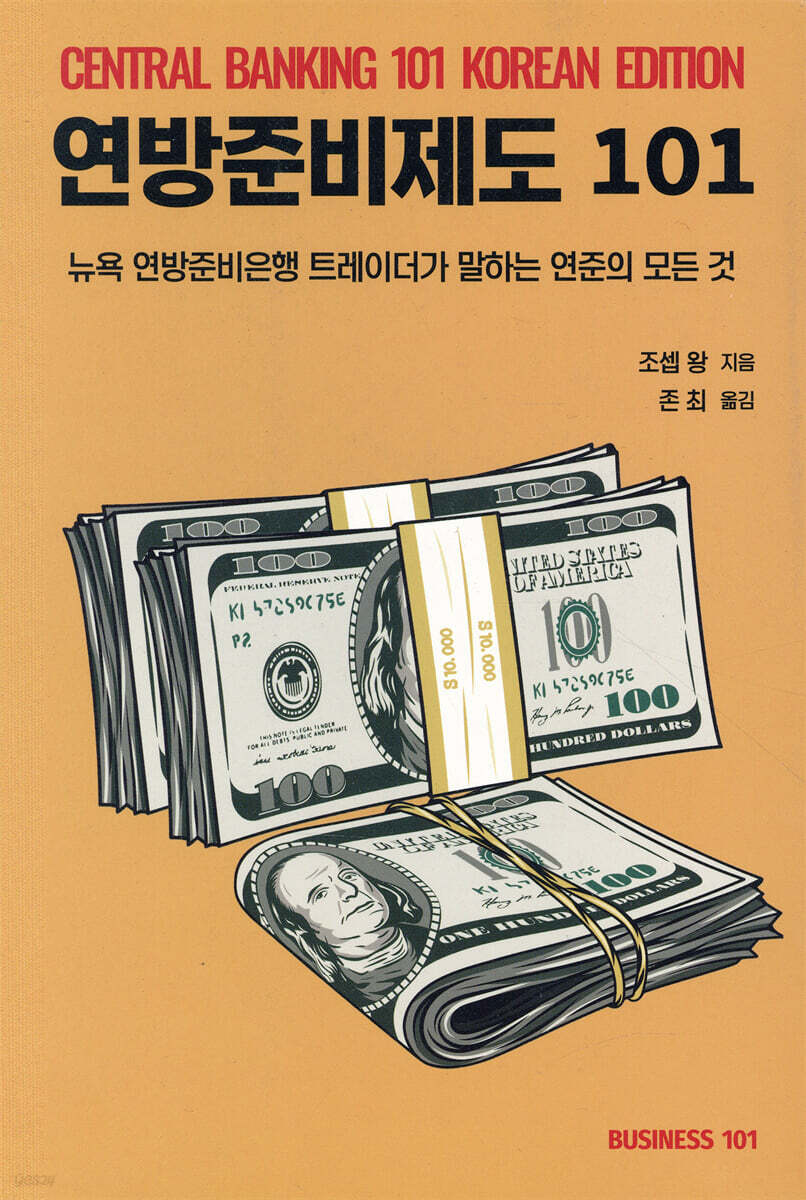
Book Introduction
Central banks are like magic. The Fed can lift a depressed stock market to new highs with just a few words. The Fed can raise trillions of dollars with just a few keystrokes, enabling virtually unlimited federal spending. And the Fed could plunge the world into recession with a few bad decisions. The Federal Reserve is one of the most powerful institutions in the world, but also one of the most difficult to understand. The Federal Reserve serves as the world's leading unlimited dollar provider through its Open Markets Desk, which sits at the heart of the global financial system. On behalf of policymakers, we gather market intelligence from all major market participants, sift through vast amounts of internal data, and strive to maintain a sound financial system. From trillions of dollars in quantitative easing to hundreds of billions of dollars in repo and FX swap lending, the Open Market Committee desk is responsible for all of the Fed's market operations. The financial crises of 2008 and 2020 were mitigated through emergency interventions by the Desk. Joseph Wang spent five years studying monetary systems while working as a trader on the New York Federal Reserve's open market operations desk. Joseph saw firsthand how the Federal Reserve operates and how the financial system actually works. This book compiles his experiences at the Federal Reserve to help educate and understand central banking. After reading this book, you'll understand how currency is created, how the global dollar system is structured, and how it all fits into the broader financial system. |
- You can preview some of the book's contents.
Preview
index
Table of Contents
introduction
Translator's Preface
Section 1 - Money and Banking
Chapter 1 - Types of Money
Central Banking Reserves
Bank Deposits
US Treasuries
Fiat Currency
Frequently Asked Questions (Common Questions)
Chapter 2 - The Money Creators
The Fed
The Commercial Banks
The Treasury
Chapter 3 - The Shadow Banks
Primary Dealers
Money Market Mutual Funds
Exchange Traded Funds
Mortgage REITs
Private Investment Funds
Securitization
Chapter 4 - The Eurodollar Market
Offshore Dollar Banking
Offshore US Dollar Capital Markets
Dollar Capital Market)
The World's Central Bank
Section II - Markets
Chapter 5 - Interest Rates
Short-term Interest Rates
Longer-Term Interest Rates
Shape of the Curve
Chapter 2 - Money Markets
Secured Money Markets
Unsecured Money Markets
Chapter 3 - Capital Markets
Equity Markets
Debt Capital Markets
Corporate Bonds
Agency Mortgage-Backed Securities (Agency MBS)
Treasury Securities
Section III - Fed Watching
Chapter 4 - Crisis Monetary Policy
Democratizing the Fed
Reaching Across the Curve
Chapter 5 - How to Fed Watch
The New Framework
introduction
Translator's Preface
Section 1 - Money and Banking
Chapter 1 - Types of Money
Central Banking Reserves
Bank Deposits
US Treasuries
Fiat Currency
Frequently Asked Questions (Common Questions)
Chapter 2 - The Money Creators
The Fed
The Commercial Banks
The Treasury
Chapter 3 - The Shadow Banks
Primary Dealers
Money Market Mutual Funds
Exchange Traded Funds
Mortgage REITs
Private Investment Funds
Securitization
Chapter 4 - The Eurodollar Market
Offshore Dollar Banking
Offshore US Dollar Capital Markets
Dollar Capital Market)
The World's Central Bank
Section II - Markets
Chapter 5 - Interest Rates
Short-term Interest Rates
Longer-Term Interest Rates
Shape of the Curve
Chapter 2 - Money Markets
Secured Money Markets
Unsecured Money Markets
Chapter 3 - Capital Markets
Equity Markets
Debt Capital Markets
Corporate Bonds
Agency Mortgage-Backed Securities (Agency MBS)
Treasury Securities
Section III - Fed Watching
Chapter 4 - Crisis Monetary Policy
Democratizing the Fed
Reaching Across the Curve
Chapter 5 - How to Fed Watch
The New Framework
Detailed image

Into the book
The Fed's goal of quantitative easing is to lower long-term interest rates, and increasing reserve requirements and bank deposits is a necessary byproduct.
--- p.15
Central bank reserves are created when the central bank purchases financial assets or makes loans.
Since the central bank is the only institution that can create central bank reserves, the total amount of reserves in the financial system is determined entirely by the actions of the central bank.
For example, if the Fed purchases $1 billion in U.S. Treasury securities, $1 billion in central bank reserves are created to cover the purchase.
This occurs regardless of whether the government bond seller is a commercial bank or a non-bank.
When the Fed purchases U.S. Treasury securities from commercial banks, the commercial banks' U.S. Treasury assets are exchanged for central bank reserves.
--- p.20
The Federal Reserve has two missions: full employment and price stability.
In fact, the Fed doesn't know what unemployment rate corresponds to full employment, and it has consistently failed to reach its 2% inflation target for over a decade.
The Fed's inflation experience is no different from that of other major central banks, including the Bank of Japan (BOJ) and the European Central Bank (ECB), which have experimented boldly over the past decade but consistently failed to achieve their inflation targets.
In an effort to achieve its dual missions, the Fed has gradually expanded its policy tools and engaged in unconventional monetary policies, including large-scale money printing.
--- p.42
Primary dealers are a group of dealers who have the privilege of dealing directly with the Federal Reserve.
They are the heart of the financial system and the primary conduit for the Federal Reserve's open market operations.
The Fed conducts monetary operations solely through primary dealers.
For example, when the Federal Reserve implements quantitative easing by purchasing Treasury bonds, it purchases them only through primary dealers.
There are currently 24 primary dealers, most of which are affiliated with large foreign or U.S. banks.20 This is because primary dealers are required to meet specific requirements and obligations that are costly for smaller dealers.
For example, primary dealers are required to disclose to regulatory authorities, participate in U.S. Treasury auctions, and provide market information to the desk.
--- p.63
The Federal Reserve adjusts short-term interest rates through the overnight rate.
In theory, this would adjust the federal funds rate, the interest rate commercial banks pay when they borrow unsecured reserves overnight.
By setting a target range for the federal funds rate, the Fed can influence the entire short-term yield curve by encouraging market participants to use the overnight rate as a reference for determining rates for slightly longer maturities, such as three-month or six-month maturities.
--- p.113
Many market participants believe in the existence of a "central bank put," which means that if a major stock index falls significantly, the central bank will act to boost market prices.78 While no central bank official would admit to this policy, this is precisely what major central banks around the world have done over the past decade.
In November 2010, Chairman Bernanke advocated for new quantitative easing, stating that rising stock prices could create a wealth effect, improving consumer sentiment and increasing consumer spending.
The Fed believed that rising stock prices could help achieve its policy objectives.
The stock market emerged as a policy tool.
--- p.157
One way a company can support its stock price is by issuing bonds to buy back shares.
Let's assume that stock investors require a 10% return on equity (ROE) on their holdings because they are exposed to more risk.
At the same time, because interest rates are low, the company can issue bonds at a 5% interest rate.
Then, by issuing debt to buy back stock, the company reduces its cost of capital.
The company is effectively borrowing money at a 5% interest rate to pay out 10% to its shareholders.
At the same time, shareholders can receive more returns because the number of issued shares is reduced.
This leads to a rise in stock prices purely through financial engineering.
Over the past few years, quantitative easing policies have helped push long-term interest rates to record lows.
Companies took advantage of ultra-low interest rates by issuing massive amounts of bonds and using them to buy back their own stock.
A prime example is Apple, which bought back about 20% of its own stock between 2015 and 2019.
Apple's net income in 2019 was similar to 2015, but earnings per share rose sharply thanks to a reduction in the number of shares outstanding.
Thanks to this financial engineering, Apple's stock price doubled in four years.
--- p.15
Central bank reserves are created when the central bank purchases financial assets or makes loans.
Since the central bank is the only institution that can create central bank reserves, the total amount of reserves in the financial system is determined entirely by the actions of the central bank.
For example, if the Fed purchases $1 billion in U.S. Treasury securities, $1 billion in central bank reserves are created to cover the purchase.
This occurs regardless of whether the government bond seller is a commercial bank or a non-bank.
When the Fed purchases U.S. Treasury securities from commercial banks, the commercial banks' U.S. Treasury assets are exchanged for central bank reserves.
--- p.20
The Federal Reserve has two missions: full employment and price stability.
In fact, the Fed doesn't know what unemployment rate corresponds to full employment, and it has consistently failed to reach its 2% inflation target for over a decade.
The Fed's inflation experience is no different from that of other major central banks, including the Bank of Japan (BOJ) and the European Central Bank (ECB), which have experimented boldly over the past decade but consistently failed to achieve their inflation targets.
In an effort to achieve its dual missions, the Fed has gradually expanded its policy tools and engaged in unconventional monetary policies, including large-scale money printing.
--- p.42
Primary dealers are a group of dealers who have the privilege of dealing directly with the Federal Reserve.
They are the heart of the financial system and the primary conduit for the Federal Reserve's open market operations.
The Fed conducts monetary operations solely through primary dealers.
For example, when the Federal Reserve implements quantitative easing by purchasing Treasury bonds, it purchases them only through primary dealers.
There are currently 24 primary dealers, most of which are affiliated with large foreign or U.S. banks.20 This is because primary dealers are required to meet specific requirements and obligations that are costly for smaller dealers.
For example, primary dealers are required to disclose to regulatory authorities, participate in U.S. Treasury auctions, and provide market information to the desk.
--- p.63
The Federal Reserve adjusts short-term interest rates through the overnight rate.
In theory, this would adjust the federal funds rate, the interest rate commercial banks pay when they borrow unsecured reserves overnight.
By setting a target range for the federal funds rate, the Fed can influence the entire short-term yield curve by encouraging market participants to use the overnight rate as a reference for determining rates for slightly longer maturities, such as three-month or six-month maturities.
--- p.113
Many market participants believe in the existence of a "central bank put," which means that if a major stock index falls significantly, the central bank will act to boost market prices.78 While no central bank official would admit to this policy, this is precisely what major central banks around the world have done over the past decade.
In November 2010, Chairman Bernanke advocated for new quantitative easing, stating that rising stock prices could create a wealth effect, improving consumer sentiment and increasing consumer spending.
The Fed believed that rising stock prices could help achieve its policy objectives.
The stock market emerged as a policy tool.
--- p.157
One way a company can support its stock price is by issuing bonds to buy back shares.
Let's assume that stock investors require a 10% return on equity (ROE) on their holdings because they are exposed to more risk.
At the same time, because interest rates are low, the company can issue bonds at a 5% interest rate.
Then, by issuing debt to buy back stock, the company reduces its cost of capital.
The company is effectively borrowing money at a 5% interest rate to pay out 10% to its shareholders.
At the same time, shareholders can receive more returns because the number of issued shares is reduced.
This leads to a rise in stock prices purely through financial engineering.
Over the past few years, quantitative easing policies have helped push long-term interest rates to record lows.
Companies took advantage of ultra-low interest rates by issuing massive amounts of bonds and using them to buy back their own stock.
A prime example is Apple, which bought back about 20% of its own stock between 2015 and 2019.
Apple's net income in 2019 was similar to 2015, but earnings per share rose sharply thanks to a reduction in the number of shares outstanding.
Thanks to this financial engineering, Apple's stock price doubled in four years.
--- p.172
GOODS SPECIFICS
- Date of issue: February 16, 2024
- Page count, weight, size: 232 pages | 152*225*14mm
- ISBN13: 9791198310279
You may also like
카테고리
korean


korean

![GQ KOREA Mark (Monthly): December [2025]](http://librairie.coreenne.fr/cdn/shop/files/8ef265dbbfbf186523ed75ba7319009d.jpg?v=1765340328&width=3840)


