![Dandelion (Quarterly): Vol. 157 Fall [2025]](http://librairie.coreenne.fr/cdn/shop/files/a5367a458c42b3547e11cf225c600b12.jpg?v=1765335976&width=3840)

Dandelion (Quarterly): Vol. 157 Fall [2025]
 |
Description
Book Introduction
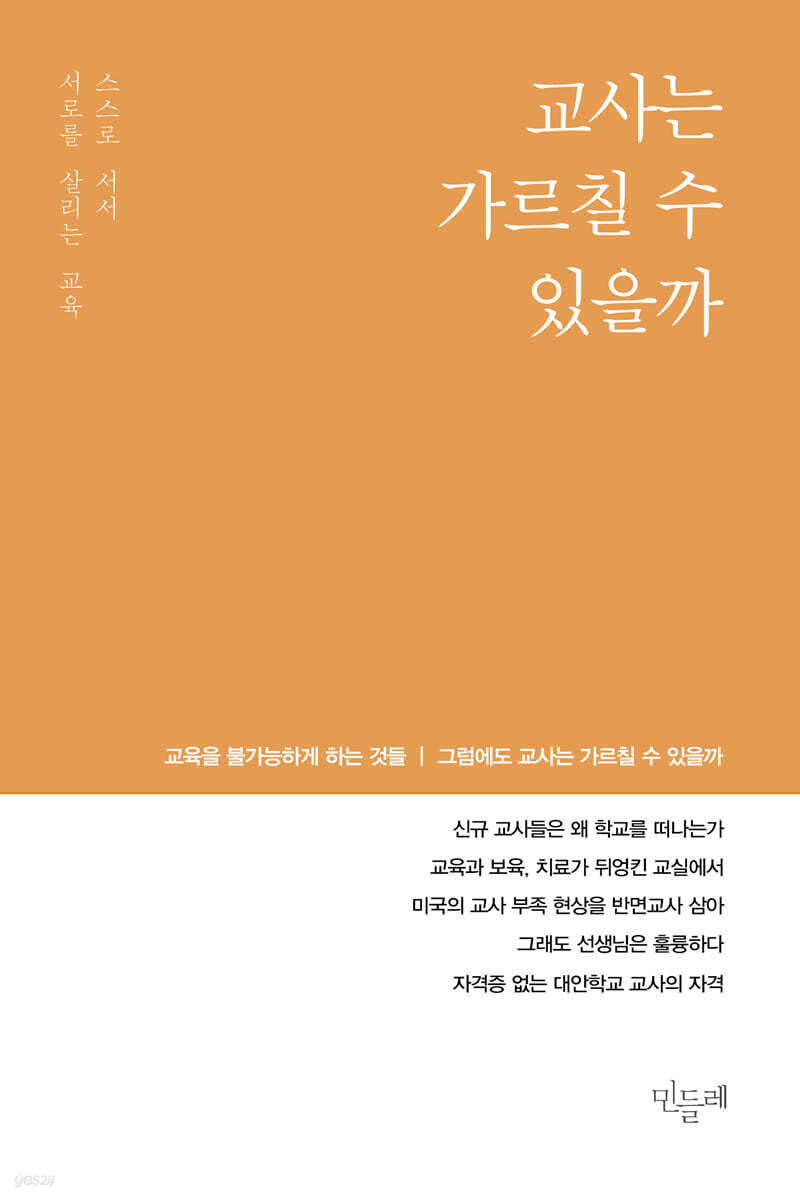
Two years ago, a young teacher passed away at our school, and teachers poured out into the streets like a festering wound.
But two years later, nothing has changed.
The wounds of teachers are deepening, and the saying, "If you do nothing, nothing happens," is circulating in the teaching community.
Listen to teachers' stories about what makes 'teaching' impossible.
The education community has long been burdened with a deluge of miscellaneous tasks and the unprepared implementation of educational policies, leaving children's encounters on the back burner. However, teachers are increasingly discouraged by the overwhelming social expectations and demands placed on them in classrooms where education, childcare, and treatment are intertwined.
Even if there is no malicious intent, the various requests pouring in centered around 'my child' cannot help but be a huge burden to teachers who have to deal with dozens of students.
This article argues that this behavior of parents is not the cause of the problem, but rather the result. It seeks to identify the root causes of this problem in consumerism, shallow liberalism, and emotion-centered education. Through this article, we can examine the major trends in our education system and consider future directions together.
But two years later, nothing has changed.
The wounds of teachers are deepening, and the saying, "If you do nothing, nothing happens," is circulating in the teaching community.
Listen to teachers' stories about what makes 'teaching' impossible.
The education community has long been burdened with a deluge of miscellaneous tasks and the unprepared implementation of educational policies, leaving children's encounters on the back burner. However, teachers are increasingly discouraged by the overwhelming social expectations and demands placed on them in classrooms where education, childcare, and treatment are intertwined.
Even if there is no malicious intent, the various requests pouring in centered around 'my child' cannot help but be a huge burden to teachers who have to deal with dozens of students.
This article argues that this behavior of parents is not the cause of the problem, but rather the result. It seeks to identify the root causes of this problem in consumerism, shallow liberalism, and emotion-centered education. Through this article, we can examine the major trends in our education system and consider future directions together.
- You can preview some of the book's contents.
Preview
index
Editor's Note
The Secret Thoughts I Can't Share | Jang Hee-sook
Part 1: Things That Make Education Impossible
Can Parents and Teachers Become Partners? | Kim Se-in
Why New Teachers Leave Schools | Park Min-ji
In the classroom where education, care, and therapy are intertwined | Issei
Half-baked education policies ruin education | Hyun Seung-hoon
Learning from the US Teacher Shortage | Kim Ye-jin
Part 2: Can Teachers Still Teach?
Creating a Collaborative Teaching Culture | Moon Kyung-mi
Determination to Raise Citizens | Kim Hyun-hee
Teachers Who Want to Rise Again | Lee Se-jung
Still, the teacher is great | Jang Hee-sook
How to Train the Right Teachers | Hyun Byeong-ho
Education trends
How Neoliberalism Domesticated Teachers | Han Hee-jung
Learning Center Story
Qualifications of Uncertified Alternative School Teachers | Kim Min-ji
Another window
Saying you want to die is a sign you want to live | Song Da-hyun
Parents' Diary
Beyond a Society of Unlimited Motherly Responsibility | Lee Seol-gi
Breaking the stereotypes
The Truth Behind "Grow Up Healthy" | Kim Jeong-rae
Teacher's Diary
Experiential Education and the Role of the Teacher | Woo So-yeon
Reading the world
Questions Raised by Hikikomori in Japanese Society | Rie Kido
The Secret Thoughts I Can't Share | Jang Hee-sook
Part 1: Things That Make Education Impossible
Can Parents and Teachers Become Partners? | Kim Se-in
Why New Teachers Leave Schools | Park Min-ji
In the classroom where education, care, and therapy are intertwined | Issei
Half-baked education policies ruin education | Hyun Seung-hoon
Learning from the US Teacher Shortage | Kim Ye-jin
Part 2: Can Teachers Still Teach?
Creating a Collaborative Teaching Culture | Moon Kyung-mi
Determination to Raise Citizens | Kim Hyun-hee
Teachers Who Want to Rise Again | Lee Se-jung
Still, the teacher is great | Jang Hee-sook
How to Train the Right Teachers | Hyun Byeong-ho
Education trends
How Neoliberalism Domesticated Teachers | Han Hee-jung
Learning Center Story
Qualifications of Uncertified Alternative School Teachers | Kim Min-ji
Another window
Saying you want to die is a sign you want to live | Song Da-hyun
Parents' Diary
Beyond a Society of Unlimited Motherly Responsibility | Lee Seol-gi
Breaking the stereotypes
The Truth Behind "Grow Up Healthy" | Kim Jeong-rae
Teacher's Diary
Experiential Education and the Role of the Teacher | Woo So-yeon
Reading the world
Questions Raised by Hikikomori in Japanese Society | Rie Kido
Into the book
Teachers quickly learn what parents want from schools and sacrifice education to make it happen.
“If you do nothing, nothing happens.” This is a saying that permeates the current educational world.
The surest way to keep your kids' knees from getting sore is to keep them from running.
Children can no longer go out to the playground to play, even during recess.
Because no teacher wants to take the risk that their child might fall and get hurt.
Even if a child sits blankly in class or constantly throws tantrums at their friends and their relationships with them are in disarray, nothing will happen (fortunately) as long as the teacher doesn't try to correct it.
I have never received a complaint asking why I did not correct my child's misbehavior.
Almost all complaints are aimed at teachers' attempts to teach.
--- "In the Classroom Where Education, Childcare, and Therapy Intertwined (Issei)"
Educational policies differ from other policies in that teachers are the main agents of implementation and students are the targets, they are implemented in the unstoppable space of school, and it takes a long time to see the results of the policies.
Therefore, educational policies must be decided carefully, and must first reach an agreement between teachers and students before reaching the schools.
Furthermore, rather than immediately evaluating the results, we need patience to wait patiently until the policy takes root in the field.
Our policy goes in the opposite direction.
Most of the time, it's a 'do it first, persuade later' order.
The lifespan of policies is also too short, so no matter what policy is passed now, it will probably change anyway.
The thought, 'How long will it take?' has been permeating the scene for a long time.
--- "Immature Education Policies Ruin Education (Hyun Seung-hoon)"
Securing teaching authority is an urgent need of the teaching profession, but teaching authority cannot be the ultimate goal of education.
As Arendt said, the responsibility of education is to cultivate new citizens who will inherit the world.
The right to teach will be naturally secured only when schools are restructured to fit a democratic republic toward this goal.
In other words, teaching authority is a byproduct of an educational system befitting a republic, and cannot be an end in itself.
What teachers need is not just defensive skills, but ethical determination and political practice.
I decide.
I'm going to become an adult.
Faced with the demands and pressures to unconditionally listen to a child's feelings, I will become a responsible adult who says, "That is not the way for children."
Teachers must break away from the narratives of the past as "omnipotent rulers" or the present as "victims suffering from customer tyranny" and become political actors themselves.
We must stand before our children with the determination to raise them as citizens of a democratic republic, not to serve customers.
Any discourse on religious authority, struggles and practices, and promises to children and the future that do not begin with this resolution are nothing more than selfish strategies for power and self-preservation, and irresponsible comfort and rhetoric.
--- "Resolution to Raise Citizens (Kim Hyun-hee)"
Although we have moved from an era where teaching was considered a "mission" or "calling" to an era where it is considered a stable "job," being a teacher as a "loyal worker" is not bad either.
Even after entering the teaching profession, most teachers are kind to children and try to help them grow.
So, from a parent's perspective, teachers are incredibly valuable people.
Although today's parental complaints stem from anxiety, there are no adults in the world more trustworthy than teachers.
How grateful I am that this stranger, the adult who spends the most time with my child other than me, the parent, makes an effort to fill my child's time meaningfully just because he is their 'homeroom teacher.'
--- "Still, the teacher is great (Jang Hee-sook)"
Just listening to your child and not calling the teacher right away.
Pause for a moment to assess and discern the situation with your child.
First, check to see if the child has done anything wrong.
As a parent, I try to start by helping my child grow.
Teachers are human too, so they can make mistakes.
Still, I try not to forget that he is a person who works hard for all children, including my child.
Once I send my child to school, all I can do is to trust the teacher and tell him or her that I will work with him or her to help him or her grow.
“If you do nothing, nothing happens.” This is a saying that permeates the current educational world.
The surest way to keep your kids' knees from getting sore is to keep them from running.
Children can no longer go out to the playground to play, even during recess.
Because no teacher wants to take the risk that their child might fall and get hurt.
Even if a child sits blankly in class or constantly throws tantrums at their friends and their relationships with them are in disarray, nothing will happen (fortunately) as long as the teacher doesn't try to correct it.
I have never received a complaint asking why I did not correct my child's misbehavior.
Almost all complaints are aimed at teachers' attempts to teach.
--- "In the Classroom Where Education, Childcare, and Therapy Intertwined (Issei)"
Educational policies differ from other policies in that teachers are the main agents of implementation and students are the targets, they are implemented in the unstoppable space of school, and it takes a long time to see the results of the policies.
Therefore, educational policies must be decided carefully, and must first reach an agreement between teachers and students before reaching the schools.
Furthermore, rather than immediately evaluating the results, we need patience to wait patiently until the policy takes root in the field.
Our policy goes in the opposite direction.
Most of the time, it's a 'do it first, persuade later' order.
The lifespan of policies is also too short, so no matter what policy is passed now, it will probably change anyway.
The thought, 'How long will it take?' has been permeating the scene for a long time.
--- "Immature Education Policies Ruin Education (Hyun Seung-hoon)"
Securing teaching authority is an urgent need of the teaching profession, but teaching authority cannot be the ultimate goal of education.
As Arendt said, the responsibility of education is to cultivate new citizens who will inherit the world.
The right to teach will be naturally secured only when schools are restructured to fit a democratic republic toward this goal.
In other words, teaching authority is a byproduct of an educational system befitting a republic, and cannot be an end in itself.
What teachers need is not just defensive skills, but ethical determination and political practice.
I decide.
I'm going to become an adult.
Faced with the demands and pressures to unconditionally listen to a child's feelings, I will become a responsible adult who says, "That is not the way for children."
Teachers must break away from the narratives of the past as "omnipotent rulers" or the present as "victims suffering from customer tyranny" and become political actors themselves.
We must stand before our children with the determination to raise them as citizens of a democratic republic, not to serve customers.
Any discourse on religious authority, struggles and practices, and promises to children and the future that do not begin with this resolution are nothing more than selfish strategies for power and self-preservation, and irresponsible comfort and rhetoric.
--- "Resolution to Raise Citizens (Kim Hyun-hee)"
Although we have moved from an era where teaching was considered a "mission" or "calling" to an era where it is considered a stable "job," being a teacher as a "loyal worker" is not bad either.
Even after entering the teaching profession, most teachers are kind to children and try to help them grow.
So, from a parent's perspective, teachers are incredibly valuable people.
Although today's parental complaints stem from anxiety, there are no adults in the world more trustworthy than teachers.
How grateful I am that this stranger, the adult who spends the most time with my child other than me, the parent, makes an effort to fill my child's time meaningfully just because he is their 'homeroom teacher.'
--- "Still, the teacher is great (Jang Hee-sook)"
Just listening to your child and not calling the teacher right away.
Pause for a moment to assess and discern the situation with your child.
First, check to see if the child has done anything wrong.
As a parent, I try to start by helping my child grow.
Teachers are human too, so they can make mistakes.
Still, I try not to forget that he is a person who works hard for all children, including my child.
Once I send my child to school, all I can do is to trust the teacher and tell him or her that I will work with him or her to help him or her grow.
--- "Can Parents and Teachers Become Partners?" (Kim Se-in)
GOODS SPECIFICS
- Date of issue: September 1, 2025
- Page count, weight, size: 208 pages | 140*210*20mm
- ISBN13: 9791191621211
- ISBN10: 1191621219
You may also like
카테고리
korean


korean

![GQ KOREA Mark (Monthly): December [2025]](http://librairie.coreenne.fr/cdn/shop/files/8ef265dbbfbf186523ed75ba7319009d.jpg?v=1765340328&width=3840)


