

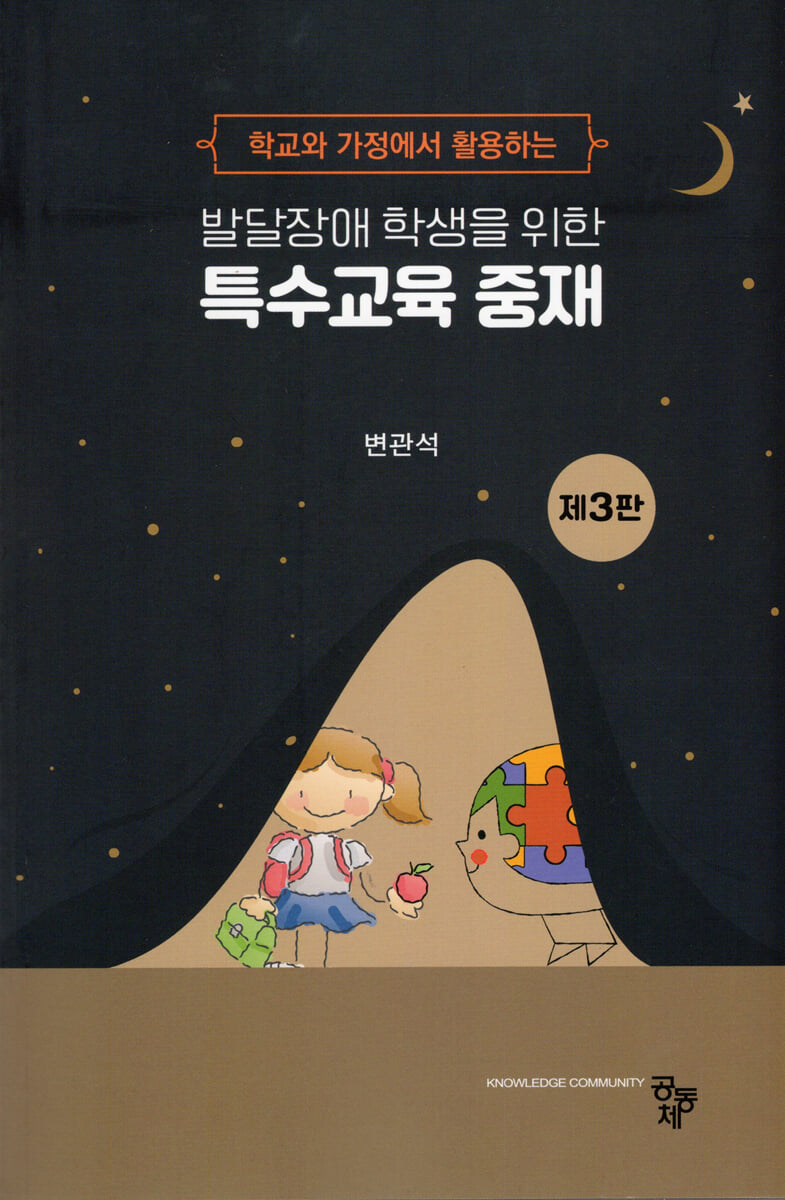
Special Education Interventions for Students with Developmental Disabilities
 |
Description
Book Introduction
It consists of a total of 4 chapters.
Chapter 1, titled "What are students with developmental disabilities?", provides a relatively brief overview of basic knowledge on the definition, diagnosis, causes, and characteristics of developmental disabilities, including intellectual disability and autism spectrum disorder.
Chapter 2, titled "How Can We Educate?", provides guidance on how to educate students with developmental disabilities, focusing on evidence-based practices that have proven effective through scientific research.
Chapter 3, titled "What Should We Teach?", presents the educational content (curriculum) that students with developmental disabilities should learn, divided into play activities, academic skills, communication and social skills, self-determination skills, daily living skills, career and vocational education, and physical activities.
Finally, Chapter 4, titled "How can we improve the problem behaviors of students with developmental disabilities?", minimizes the theoretical content of behaviorism and focuses on practical aspects, so that positive behavior support based on applied behavior analysis can be practically applied in public education settings.
Chapter 1, titled "What are students with developmental disabilities?", provides a relatively brief overview of basic knowledge on the definition, diagnosis, causes, and characteristics of developmental disabilities, including intellectual disability and autism spectrum disorder.
Chapter 2, titled "How Can We Educate?", provides guidance on how to educate students with developmental disabilities, focusing on evidence-based practices that have proven effective through scientific research.
Chapter 3, titled "What Should We Teach?", presents the educational content (curriculum) that students with developmental disabilities should learn, divided into play activities, academic skills, communication and social skills, self-determination skills, daily living skills, career and vocational education, and physical activities.
Finally, Chapter 4, titled "How can we improve the problem behaviors of students with developmental disabilities?", minimizes the theoretical content of behaviorism and focuses on practical aspects, so that positive behavior support based on applied behavior analysis can be practically applied in public education settings.
index
■Preface 3
Chapter 1: What Are Students with Developmental Disabilities? 11
1.
Definition of Developmental Disability 14
1) Definition of intellectual disability 14
2) Definition of autism spectrum disorder 21
2.
Causes of Developmental Disorders 26
1) Causes of intellectual disability 26
2) Causes of autism spectrum disorder 35
3.
Characteristics of Students with Developmental Disabilities 40
1) Characteristics of students with intellectual disabilities 40
2) Characteristics of students with autism spectrum disorder 42
Chapter 2: How Can We Educate? 49
1.
Systematic Instruction Based on Applied Behavior Analysis Principles 55
1) Operational definition and subdivision of target skills (behaviors) 57
2) Create an evaluation checklist and determine the current performance level (baseline) 60
3) Determine the order in which target skills are taught 64
4) Introduction of a facilitation system and time delay procedures 66
5) Providing reinforcement 76
6) Maintenance Strategy 78
7) Generalization Promotion Strategy 80
2.
88 Self-Directed Learning Strategies to Promote Student Independence
1) Self-management strategies 88
2) Pictorial Self-Teaching 95
3) Self-Determination Teaching and Learning Model 96
4) Self-directed inquiry strategy 102
3.
Peer-Based Education: Friends Become Teachers 105
1) Peer Professor 105
2) Peer network mediation 110
3) Peer Support Placement 114
4.
Smart Education Methods Based on Technology 117
1) Self-promotion system 118
2) Computer (smart device) assistant professor 129
5.
Effective Multilevel Inclusive Teaching Methods in Group Instruction 137
1) Definition of Terms 139
2) Example 142 of a topic-centered class (group instruction) using multi-factor intervention
6.
Special Teaching Methods for Improving Communication Skills in Students with Developmental Disabilities 149
1) Picture Exchange Communication System 151
2) Enhanced environment-centered language intervention 163
3) Discontinuous training 170
4) Script language arbitration 175
Chapter 3: What Should We Teach? 181
1.
Play Activity 184
1) Developmental stages of play 186
2) Examples of play activities by developmental age 194
2.
Academic ability 197
1) Reading and Literacy 197
2) Writing 218
3) Math 230
3.
Communication and Social Skills 246
1) Communication 246
2) Social interaction and social skills 256
4.
Self-determination 276
1) Autonomy 276
2) Self-rule 278
3) Psychological capacity 278
4) Self-realization 280
5.
Daily Life Skills 283
6.
Career and Vocational Education 294
1) Career Choice 295
2) Vocational training 297
3) Job Preparation 304
7.
Physical Activity (Exercise) 304
1) Body Control and Basic Exercises 305
2) Gait training and mobility 306
3) Physical fitness activities 307
4) Various physical activities 309
Chapter 4: How Can We Improve Problem Behaviors in Students with Developmental Disabilities? 317
1.
Basic Theoretical Assumptions About Problem Behavior (Challenging Behavior) 320
2.
Determining Intervention Priorities for Problem Behaviors 324
3.
Functions (Causes) of Problem Behavior 327
4.
Positive Behavior Support 336
1) Universal support and small group support 340
2) Individualized Support: Behavioral Intervention Procedures for Individual Students 352
3) Crisis Management Plan 423
■ On the way out 432
■ References 434
Chapter 1: What Are Students with Developmental Disabilities? 11
1.
Definition of Developmental Disability 14
1) Definition of intellectual disability 14
2) Definition of autism spectrum disorder 21
2.
Causes of Developmental Disorders 26
1) Causes of intellectual disability 26
2) Causes of autism spectrum disorder 35
3.
Characteristics of Students with Developmental Disabilities 40
1) Characteristics of students with intellectual disabilities 40
2) Characteristics of students with autism spectrum disorder 42
Chapter 2: How Can We Educate? 49
1.
Systematic Instruction Based on Applied Behavior Analysis Principles 55
1) Operational definition and subdivision of target skills (behaviors) 57
2) Create an evaluation checklist and determine the current performance level (baseline) 60
3) Determine the order in which target skills are taught 64
4) Introduction of a facilitation system and time delay procedures 66
5) Providing reinforcement 76
6) Maintenance Strategy 78
7) Generalization Promotion Strategy 80
2.
88 Self-Directed Learning Strategies to Promote Student Independence
1) Self-management strategies 88
2) Pictorial Self-Teaching 95
3) Self-Determination Teaching and Learning Model 96
4) Self-directed inquiry strategy 102
3.
Peer-Based Education: Friends Become Teachers 105
1) Peer Professor 105
2) Peer network mediation 110
3) Peer Support Placement 114
4.
Smart Education Methods Based on Technology 117
1) Self-promotion system 118
2) Computer (smart device) assistant professor 129
5.
Effective Multilevel Inclusive Teaching Methods in Group Instruction 137
1) Definition of Terms 139
2) Example 142 of a topic-centered class (group instruction) using multi-factor intervention
6.
Special Teaching Methods for Improving Communication Skills in Students with Developmental Disabilities 149
1) Picture Exchange Communication System 151
2) Enhanced environment-centered language intervention 163
3) Discontinuous training 170
4) Script language arbitration 175
Chapter 3: What Should We Teach? 181
1.
Play Activity 184
1) Developmental stages of play 186
2) Examples of play activities by developmental age 194
2.
Academic ability 197
1) Reading and Literacy 197
2) Writing 218
3) Math 230
3.
Communication and Social Skills 246
1) Communication 246
2) Social interaction and social skills 256
4.
Self-determination 276
1) Autonomy 276
2) Self-rule 278
3) Psychological capacity 278
4) Self-realization 280
5.
Daily Life Skills 283
6.
Career and Vocational Education 294
1) Career Choice 295
2) Vocational training 297
3) Job Preparation 304
7.
Physical Activity (Exercise) 304
1) Body Control and Basic Exercises 305
2) Gait training and mobility 306
3) Physical fitness activities 307
4) Various physical activities 309
Chapter 4: How Can We Improve Problem Behaviors in Students with Developmental Disabilities? 317
1.
Basic Theoretical Assumptions About Problem Behavior (Challenging Behavior) 320
2.
Determining Intervention Priorities for Problem Behaviors 324
3.
Functions (Causes) of Problem Behavior 327
4.
Positive Behavior Support 336
1) Universal support and small group support 340
2) Individualized Support: Behavioral Intervention Procedures for Individual Students 352
3) Crisis Management Plan 423
■ On the way out 432
■ References 434
Publisher's Review
This book consists of four chapters, and the contents of each chapter are as follows.
Chapter 1, titled "What are students with developmental disabilities?", provides a relatively brief overview of basic knowledge about the definition, diagnosis, causes, and characteristics of developmental disabilities, including intellectual disability and autism spectrum disorder.
Chapter 2, titled "How Can We Educate?", provides guidance on how to educate students with developmental disabilities, focusing on evidence-based practices that have proven effective through scientific research.
At this time, for parts that were omitted due to space limitations, related materials and books were provided for reference, focusing on the author's blog, 'Seok-i Teacher's Special Education Story'.
Chapter 3, titled "What Should We Teach?", presents the educational content (curriculum) that students with developmental disabilities should learn, divided into play activities, academic skills, communication and social skills, self-determination skills, daily living skills, career and vocational education, and physical activities.
Although the curriculum may include various other subjects and learning areas beyond those presented here, it can generally be considered to present the most basic and essential educational content.
Finally, Chapter 4, titled "How can we improve the problem behaviors of students with developmental disabilities?", minimizes the theoretical content of behaviorism and focuses on practical aspects, so that positive behavior support based on applied behavior analysis can be practically applied in public education settings.
In particular, in accordance with the “Behavior Intervention Guidelines for Students with Disabilities” presented by the Ministry of Education at the beginning of the 2024 school year, a positive behavior intervention support plan at the school level and behavior intervention guidelines for individual students will be established.
Considering that the establishment and implementation of a master plan and a crisis management plan are beginning to be seriously required in special education settings, I believe the value and necessity of this chapter will increase even more.
Chapter 1, titled "What are students with developmental disabilities?", provides a relatively brief overview of basic knowledge about the definition, diagnosis, causes, and characteristics of developmental disabilities, including intellectual disability and autism spectrum disorder.
Chapter 2, titled "How Can We Educate?", provides guidance on how to educate students with developmental disabilities, focusing on evidence-based practices that have proven effective through scientific research.
At this time, for parts that were omitted due to space limitations, related materials and books were provided for reference, focusing on the author's blog, 'Seok-i Teacher's Special Education Story'.
Chapter 3, titled "What Should We Teach?", presents the educational content (curriculum) that students with developmental disabilities should learn, divided into play activities, academic skills, communication and social skills, self-determination skills, daily living skills, career and vocational education, and physical activities.
Although the curriculum may include various other subjects and learning areas beyond those presented here, it can generally be considered to present the most basic and essential educational content.
Finally, Chapter 4, titled "How can we improve the problem behaviors of students with developmental disabilities?", minimizes the theoretical content of behaviorism and focuses on practical aspects, so that positive behavior support based on applied behavior analysis can be practically applied in public education settings.
In particular, in accordance with the “Behavior Intervention Guidelines for Students with Disabilities” presented by the Ministry of Education at the beginning of the 2024 school year, a positive behavior intervention support plan at the school level and behavior intervention guidelines for individual students will be established.
Considering that the establishment and implementation of a master plan and a crisis management plan are beginning to be seriously required in special education settings, I believe the value and necessity of this chapter will increase even more.
GOODS SPECIFICS
- Date of issue: April 30, 2025
- Page count, weight, size: 439 pages | 157*225*30mm
- ISBN13: 9791167258304
- ISBN10: 1167258304
You may also like
카테고리
korean


korean

![GQ KOREA Mark (Monthly): December [2025]](http://librairie.coreenne.fr/cdn/shop/files/8ef265dbbfbf186523ed75ba7319009d.jpg?v=1765340328&width=3840)


