

autism spectrum disorder
 |
Description
Book Introduction
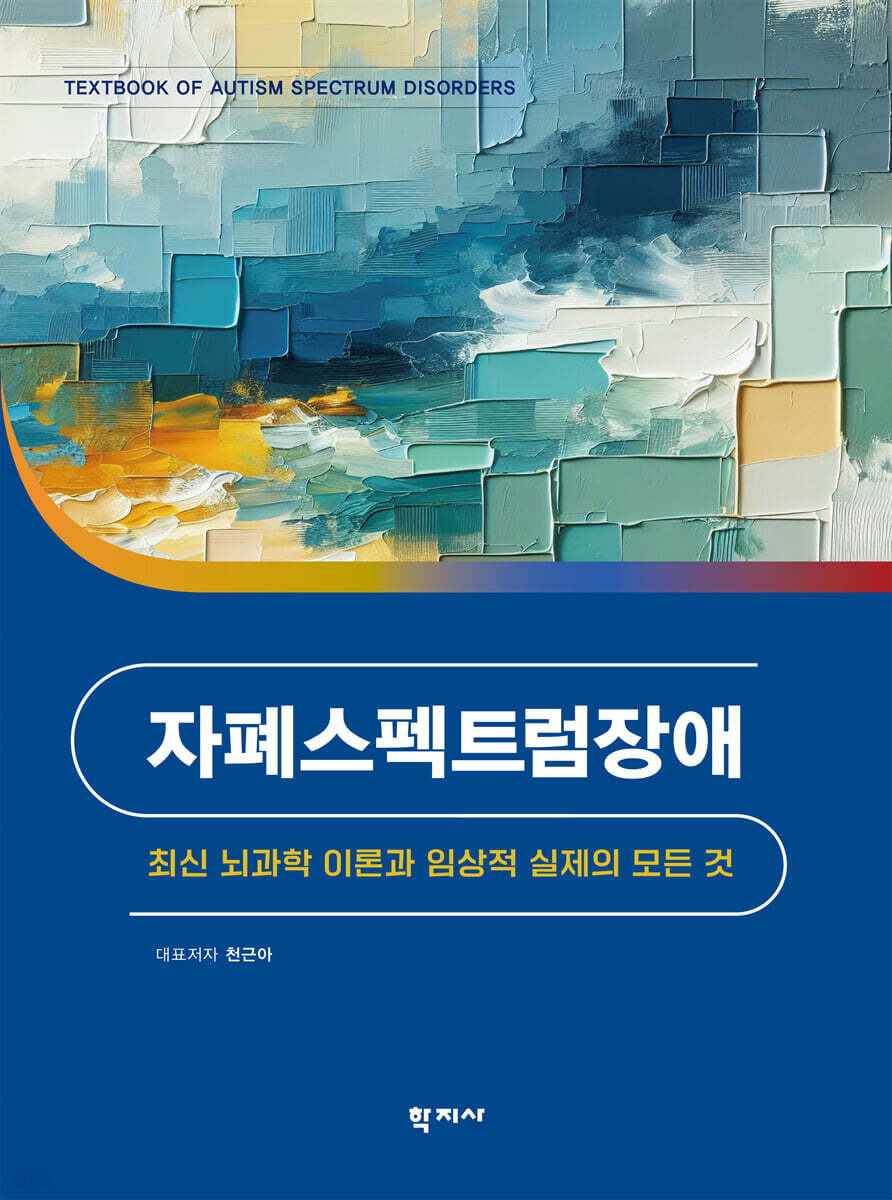
"Autism Spectrum Disorder" is a textbook for patients and their families who ask, "What kind of treatment should I start with, how should I do it, and what is the prognosis?"; students and colleagues who treat and research patients; school teachers who teach children; therapists who provide speech and behavioral therapy and special education at developmental centers; and anyone who wants to gain a more specialized understanding of autism spectrum disorder.
index
preface
PART 01 Diagnosis and Evaluation of Autism Spectrum Disorder
Chapter 01 History and Epidemiology
1.
History of Autism Spectrum Disorder
2.
Epidemiology of autism spectrum disorder
3.
Advances and challenges in epidemiological research
4.
Conclusion and Summary
Chapter 02 Diagnostic Criteria and Clinical Features
1.
Diagnostic criteria
2.
Clinical features
Chapter 03 Screening and Diagnostic Tools
1.
screening tool
2.
Diagnostic tools
3.
References
Chapter 04 Psychological Evaluation
1.
Developmental testing
2.
cognitive test
3.
Adaptability Test
4.
Emotional and Behavioral Tests
5.
conclusion
Chapter 05 Neurological Evaluation
1.
blood test
2.
neurological imaging tests
3.
Functional test
4.
conclusion
Chapter 06 Early Diagnosis and Biomarkers
1.
Early diagnosis
2.
biomarkers
3.
Conclusion and Summary
PART 02 Causes of Autism Spectrum Disorder
Chapter 07 Genetic Factors
1.
Twin and Family Studies
2.
From chromosome rearrangements to copy number mutations
3.
From candidate genes to whole-exome/genome sequencing
4.
common mutations
5.
genetic structure
6.
Major genetic syndromes associated with autism spectrum disorder
7.
Biological Pathways Associated with Genetic Variation _ 172
8.
Recommendations for Genetic Testing
9.
Future Research Prospects
Chapter 08 Environmental Factors
1.
Theoretical background of environmental factors
2.
environmental risk factors
3.
conclusion
Chapter 09 Brain Imaging Research
1.
social brain
2.
Structural brain imaging studies
3.
functional brain imaging studies
4.
Molecular brain imaging studies
5.
Future outlook
6.
conclusion
Chapter 10: Neurobiochemistry and Neurophysiology Research
1.
Neurobiochemical research
2.
Neurophysiological research
PART 03 TREATMENT OF AUTOSTOMY SPECTRUM DISORDERS
Chapter 11 Drug Treatment
1.
Medications commonly used to treat symptoms of autism spectrum disorder
2. Challenges and Future Directions
Chapter 12 Theoretical Approaches to Non-Pharmacological Treatment: Focusing on Evidence-Based Treatment
1.
Applied Behavior Analysis
2.
Comprehensive treatment model
3.
Interventions focused on specific functions
4.
etc
5.
Various clinical cases of treatment options
Chapter 13: Applying Evidence-Based Treatment (1): Therapist-Centered
1.
Introduction to Evidence-Based Treatment
2.
Application of evidence-based treatment
3.
Representative evidence-based treatment programs
4.
Conclusion and Summary
Chapter 14: Applying Evidence-Based Treatment (2): Home and School-Centered
1.
Family-centered support
2.
School-centered support
3.
Conclusion and Summary
Chapter 15 New Therapeutic Approaches
1.
microbiome
2.
Neuromodulation
3.
Complementary and alternative medicine
4.
gene therapy
5.
digital therapeutics
6.
Conclusion and Summary
Chapter 16 Diagnosis and Therapeutic Interventions Using Digital Therapeutic Devices and Artificial Intelligence
1.
Basic Concepts of Digital Therapeutics and Artificial Intelligence
2.
Diagnosis and therapeutic intervention for autism spectrum disorder using digital therapeutic devices and artificial intelligence
3.
Limitations and Directions of Research Utilizing Digital Therapeutics and Artificial Intelligence
4.
Conclusion and Suggestions
PART 04 Comorbidities in Autism Spectrum Disorder and Adolescence and Adulthood
Chapter 17 Comorbid Conditions in Autism Spectrum Disorder
1.
Diagnosis and treatment of comorbid conditions
2.
Differential diagnosis
3.
Conclusion and Summary
Chapter 18 Autism Spectrum Disorder in Adolescence
1.
Clinical characteristics of autism spectrum disorder in adolescents
2.
Diagnosis of Autism Spectrum Disorder in Adolescents
3.
Comorbidities in Autism Spectrum Disorder in Adolescents
4.
Treatment of Autism Spectrum Disorder in Adolescents
5.
Adolescent course and prognosis of autism spectrum disorder
6.
conclusion
Chapter 19: Health and Vocational Rehabilitation in Adults with Autism Spectrum Disorder
1.
Mental and physical health problems in adults with autism spectrum disorder
2.
Independence for adults with autism spectrum disorder
3.
Vocational Rehabilitation for Adults with Autism Spectrum Disorder
4.
Autism Spectrum Disorder in the Workplace
5.
conclusion
Search
PART 01 Diagnosis and Evaluation of Autism Spectrum Disorder
Chapter 01 History and Epidemiology
1.
History of Autism Spectrum Disorder
2.
Epidemiology of autism spectrum disorder
3.
Advances and challenges in epidemiological research
4.
Conclusion and Summary
Chapter 02 Diagnostic Criteria and Clinical Features
1.
Diagnostic criteria
2.
Clinical features
Chapter 03 Screening and Diagnostic Tools
1.
screening tool
2.
Diagnostic tools
3.
References
Chapter 04 Psychological Evaluation
1.
Developmental testing
2.
cognitive test
3.
Adaptability Test
4.
Emotional and Behavioral Tests
5.
conclusion
Chapter 05 Neurological Evaluation
1.
blood test
2.
neurological imaging tests
3.
Functional test
4.
conclusion
Chapter 06 Early Diagnosis and Biomarkers
1.
Early diagnosis
2.
biomarkers
3.
Conclusion and Summary
PART 02 Causes of Autism Spectrum Disorder
Chapter 07 Genetic Factors
1.
Twin and Family Studies
2.
From chromosome rearrangements to copy number mutations
3.
From candidate genes to whole-exome/genome sequencing
4.
common mutations
5.
genetic structure
6.
Major genetic syndromes associated with autism spectrum disorder
7.
Biological Pathways Associated with Genetic Variation _ 172
8.
Recommendations for Genetic Testing
9.
Future Research Prospects
Chapter 08 Environmental Factors
1.
Theoretical background of environmental factors
2.
environmental risk factors
3.
conclusion
Chapter 09 Brain Imaging Research
1.
social brain
2.
Structural brain imaging studies
3.
functional brain imaging studies
4.
Molecular brain imaging studies
5.
Future outlook
6.
conclusion
Chapter 10: Neurobiochemistry and Neurophysiology Research
1.
Neurobiochemical research
2.
Neurophysiological research
PART 03 TREATMENT OF AUTOSTOMY SPECTRUM DISORDERS
Chapter 11 Drug Treatment
1.
Medications commonly used to treat symptoms of autism spectrum disorder
2. Challenges and Future Directions
Chapter 12 Theoretical Approaches to Non-Pharmacological Treatment: Focusing on Evidence-Based Treatment
1.
Applied Behavior Analysis
2.
Comprehensive treatment model
3.
Interventions focused on specific functions
4.
etc
5.
Various clinical cases of treatment options
Chapter 13: Applying Evidence-Based Treatment (1): Therapist-Centered
1.
Introduction to Evidence-Based Treatment
2.
Application of evidence-based treatment
3.
Representative evidence-based treatment programs
4.
Conclusion and Summary
Chapter 14: Applying Evidence-Based Treatment (2): Home and School-Centered
1.
Family-centered support
2.
School-centered support
3.
Conclusion and Summary
Chapter 15 New Therapeutic Approaches
1.
microbiome
2.
Neuromodulation
3.
Complementary and alternative medicine
4.
gene therapy
5.
digital therapeutics
6.
Conclusion and Summary
Chapter 16 Diagnosis and Therapeutic Interventions Using Digital Therapeutic Devices and Artificial Intelligence
1.
Basic Concepts of Digital Therapeutics and Artificial Intelligence
2.
Diagnosis and therapeutic intervention for autism spectrum disorder using digital therapeutic devices and artificial intelligence
3.
Limitations and Directions of Research Utilizing Digital Therapeutics and Artificial Intelligence
4.
Conclusion and Suggestions
PART 04 Comorbidities in Autism Spectrum Disorder and Adolescence and Adulthood
Chapter 17 Comorbid Conditions in Autism Spectrum Disorder
1.
Diagnosis and treatment of comorbid conditions
2.
Differential diagnosis
3.
Conclusion and Summary
Chapter 18 Autism Spectrum Disorder in Adolescence
1.
Clinical characteristics of autism spectrum disorder in adolescents
2.
Diagnosis of Autism Spectrum Disorder in Adolescents
3.
Comorbidities in Autism Spectrum Disorder in Adolescents
4.
Treatment of Autism Spectrum Disorder in Adolescents
5.
Adolescent course and prognosis of autism spectrum disorder
6.
conclusion
Chapter 19: Health and Vocational Rehabilitation in Adults with Autism Spectrum Disorder
1.
Mental and physical health problems in adults with autism spectrum disorder
2.
Independence for adults with autism spectrum disorder
3.
Vocational Rehabilitation for Adults with Autism Spectrum Disorder
4.
Autism Spectrum Disorder in the Workplace
5.
conclusion
Search
Publisher's Review
This book is a textbook for patients and their families who ask, “What kind of treatment should I start with, how should I do it, and what is the prognosis?”; students and colleagues who treat and research patients; school teachers who teach children; therapists who provide speech therapy, behavioral therapy, and special education at developmental centers; and anyone who wants to gain a more specialized understanding of autism spectrum disorder.
As a clinician treating patients in a hospital and a neuroscience researcher, the author feels an infinite responsibility to discover the fundamental causes of autism spectrum disorder and develop treatments that will improve its core symptoms. Through this textbook, he explains the established etiology of autism spectrum disorder and what "evidence-based treatment" is.
The textbook consists of 4 parts and 19 chapters.
Part 1 covers history and epidemiology, diagnosis and evaluation; Part 2 covers the latest neurobiological findings on genetic and neuroscientific etiology; Part 3 covers drug treatment, evidence-based treatment and various new treatments; and Part 4 covers coexisting conditions that arise during development, and career paths and independence in adolescence and adulthood.
In particular, we tried to help readers understand how theoretical content can be applied to actual patients by introducing multiple related cases in each chapter.
As a clinician treating patients in a hospital and a neuroscience researcher, the author feels an infinite responsibility to discover the fundamental causes of autism spectrum disorder and develop treatments that will improve its core symptoms. Through this textbook, he explains the established etiology of autism spectrum disorder and what "evidence-based treatment" is.
The textbook consists of 4 parts and 19 chapters.
Part 1 covers history and epidemiology, diagnosis and evaluation; Part 2 covers the latest neurobiological findings on genetic and neuroscientific etiology; Part 3 covers drug treatment, evidence-based treatment and various new treatments; and Part 4 covers coexisting conditions that arise during development, and career paths and independence in adolescence and adulthood.
In particular, we tried to help readers understand how theoretical content can be applied to actual patients by introducing multiple related cases in each chapter.
GOODS SPECIFICS
- Date of issue: October 30, 2024
- Format: Hardcover book binding method guide
- Page count, weight, size: 488 pages | 188*255*26mm
- ISBN13: 9788999732560
You may also like
카테고리
korean


korean

![GQ KOREA Mark (Monthly): December [2025]](http://librairie.coreenne.fr/cdn/shop/files/8ef265dbbfbf186523ed75ba7319009d.jpg?v=1765340328&width=3840)


