

Understanding Genetic Engineering
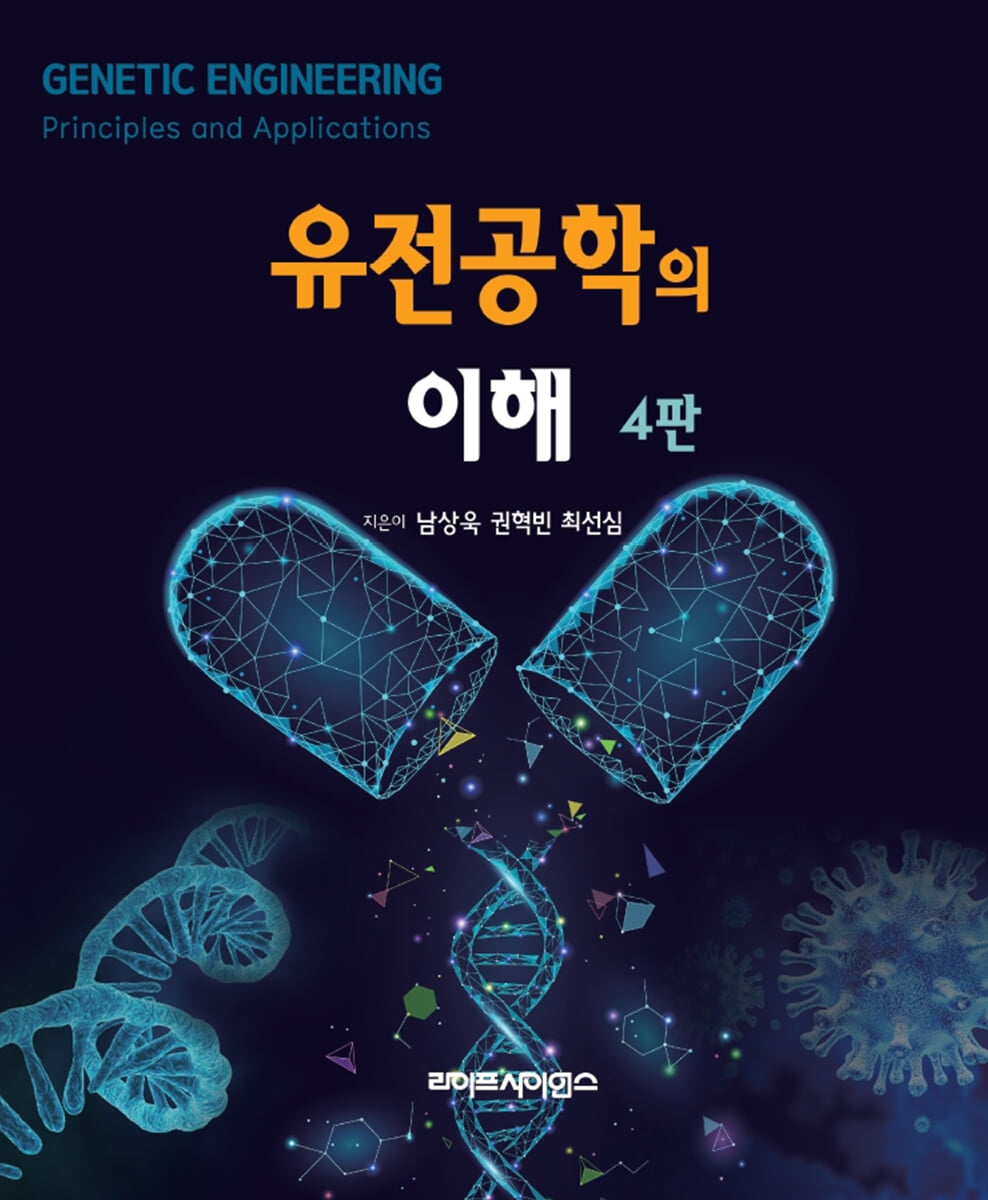 |
Description
index
1 Overview of Genetic Engineering 1
1.1 What is genetic engineering? 2
1.2 The Birth and Development of Genetic Engineering 3
1.3 Applications of Genetic Engineering 4
Reading 1-1 The Speed of Biotechnology Development 9
Readings 1-2: The Birth of Artificial Life and Its Significance 10
Summary 11
Organizing Problem 11
Reference 12
2 Structure and expression of genes 14
2.1 The Nature of Genes 16
Chromosome theory 16
DNA as Genetic Material 16
1) Transformation experiment (Griffith, 1928) 17
2) Transformation experiments in vitro
(1944, Avery, McLeod, McCarty) 18
3) Blender Experiment (1952, Hershey, Chase) 18
2.2 Chemical Structure of Nucleic Acids 19
Nucleic acid components 19
Chargaff's Law 20
X-ray diffraction experiment 21
DNA double helix structure 21
1) Double helix 22
2) The meaning of the double helix 22
Elucidation of Semiconservative DNA Replication 24
2.3 Gene Expression and Regulation 25
Genes and Proteins 25
1 gene 1 enzyme theory 27
Central Principle of Genetic Information 27
Gene Structure 27
1) Structure of prokaryotic genes 27
2) Structure of Eukaryotic Genes 28
Gene Expression 29
1) Warrior 29
2) Translation 31
Regulation of gene expression 33
1) Regulation of transcription steps in prokaryotes 33
2) Regulation of gene expression in eukaryotes 37
Reading 2-1: Site of Historical Discovery 26
Reading 2-2 RNA World 39
Summary 40
Organizing Problem 40
Reference 41
3 Properties and Separation of Nucleic Acids 42
3.1 Properties of Nucleic Acids 44
DNA Denaturation and Regeneration 44
Hybridization 45
Stability of DNA and RNA 45
3.2 Isolation and Purification of Nucleic Acids 48
Plasmid DNA isolation 48
Isolation of genomic DNA from cells 50
1) Isolation of genomic DNA from bacterial cells 50
2) Isolation of genomic DNA from animal cells 50
3) Isolation of genomic DNA from plant cells 51
Isolation of phage DNA 52
RNA Isolation 52
1) General information on RNA isolation 52
2) RNase contamination and removal 52
3) Method for isolating total RNA 53
mRNA isolation 54
Precipitation and Storage of Nucleic Acids 54
Measurement of nucleic acid concentration 56
Reading 3-1 RNase, a Very Stable Enzyme 46
Reading 3-2: Ancient DNA and DNA Stability 47
Summary 57
Organizing Problem 58
Reference 58
4 Enzymes and Electrophoresis 60
4.1 Enzymes required for genetic manipulation and analysis 62
Nuclease 62
1) DNA terminase 62
2) DNA endonuclease 64
3) RNA degrading enzyme 65
4) Restriction enzyme 65
5) Nuclease system for genome editing -
Gene Scissors 68
polymerase 72
1) Polymerase using DNA as a template (DNA polymerase) 76
2) DNA polymerase (reverse transcriptase) using RNA as a template 77
3) Terminal deoxynucleotide transferase 78
DNA ligase 78
DNA Ligase Action 78
DNA modifying enzyme 78
1) Phosphorylase and dephosphorylation enzyme 78
2) DNA methyltransferase 79
Proteinase K: Proteinase 80
Other enzymes 80
1) Lysozyme 80
2) Agarase 80
4.2 Electrophoresis 81
What is electrophoresis? 81
Agarose gel electrophoresis 81
1) Agarose gel 81
2) Staining and viewing of DNA in agarose gel 82
3) During agarose gel electrophoresis
Factors Affecting Nucleic Acid Movement 82
4) The entire process of agarose gel electrophoresis 83
5) Multi-faceted electrophoresis 83
Polyacrylamide gel electrophoresis 85
Uses of Electrophoresis 85
Reading 4-1: Discovery of Restriction Enzymes and Restriction Reactions 69
Reading 4-2: Discovery and Application of the CRISPR/Cas System 73
Reading 4-3 Migration of Plasmid DNA on an Agarose Gel 84
Summary 87
Organizing Problem 88
Reference 88
5 vector 90
5.1 What is a Vector? 92
5.2 Types of Vectors 92
5.3 Bacterial Cloning and Expression Vectors 92
Plasmid vector 93
1) Structure and characteristics of plasmid vectors 93
2) Types of representative plasmid vectors 94
Bacteriophage vector 95
Bacteriophage λ vector 95
Cosmid Vector 105
Bacterial artificial chromosome 105
5.4 Yeast Vector 107
Yeast plasmid vector 107
1) YEP Vector 107
2) Other yeast plasmid vectors 108
Yeast artificial chromosome 109
5.5 Animal Vector 110
5.6 Plant Vector 111
Reading 5-1 DNA Replication Methods 100
Reading 5-2: The Discovery of Plasmids and Genetic Engineering 111
Summary 112
Organizing Problem 112
Reference 113
6 Production of recombinant DNA and
Introduction and confirmation in cells 114
6.1 Recombinant DNA 116
Production of Recombinant DNA Molecules by Restriction Enzymes 116
1) Production of recombinant DNA molecules using plasmid vectors 116
2) Production of recombinant DNA molecules using phage vectors 118
Production of Recombinant DNA Molecules Using PCR Products 118
1) PCR (polymerase chain reaction) 118
2) Cloning of PCR products 118
Production of Recombinant Molecules Using Homologous Recombination Systems 122
1) Principle 122
2) Cloning process and characteristics 123
6.2 Introduction of genes into E. coli 124
Transformation 124
1) Use of transformation 124
2) Responsive cells and the transformation process 125
Introduction of bacteriophages into cells 127
1) Transfection 127
2) Bacterial infection after in vitro assembly 128
6.3 Selection of Transformed Cells 128
Identification of recombinant plasmid vectors 128
1) Selection by antibiotics 128
2) Insertion of LacZ (β-galactosidase)
Selection by inactivation 131
3) Selection by PCR 132
Identification of recombinant phage vectors 133
1) Selection based on λ phage genome size 133
2) Selection by insertional inactivation of the LacZ gene 133
3) Selection by insertional inactivation of the λcI gene 133
4) Selection by Spi phenotype 133
By disabling S up4 insertion
Identification of recombinant YACs 133
6.4 The Whole Process of Recombinant DNA Technology 135
Reading 6-1 The First Recombinant Plasmid Vector 136
Reading 6-2 Cell Membrane Changes During Electroporation 137
Summary 138
Organizing Problem 138
Reference 139
7 Gene Acquisition 140
7.1 Gene Cloning 142
7.2 Genetic Library Preparation 142
Gene Isolation 143
1) Genome separation 143
2) cDNA isolation 143
Insert 144 into vector
1) Inserting cDNA into vector 144
2) Inserting genomic DNA into the vector 144
Example 144 of Library Manufacturing
145 Things to Consider When Creating a Library
7.3 Screening Methods 147
Screening by Hybridization 147
Probe 147
Screening by antibody binding 153
Screening using expression differences 153
Screening by protein binding 153
1) Yeast double hybrid method 153
2) Phage display method 157
Screening using features 158
7.4 Polymerase Chain Reaction 160
Overview of PCR 160
Applications of PCR 160
PCR enzyme 161
Optimization of PCR Conditions 161
Limitations of the PCR Method 164
Real-time PCR 164
Reading 7-1 Separating Genomic DNA Fragments from Agarose Gels 146
Reading 7-2 Radioisotopes Commonly Used in Experiments 149
Reading 7-3 Cloning Using Function in Yeast 159
Reading 7-4 The Invention of the PCR Method 163
Summary 164
Organizing Problem 165
Reference 165
8 Genetic Analysis and Diagnosis 166
8.1 Genetic Analysis 168
Gene Structure Analysis 168
1) Restriction enzyme mapping 168
2) Southern blot analysis 169
3) How to check the starting point of the transfer 170
4) Exon-intron boundary identification method 172
DNA sequence analysis 172
1) Chain Termination Method 173
2) Chemical decomposition method 173
3) Automated base sequence determination method 175
4) Next-generation sequencing 176
5) DNA amplification method 177
6) DNA base sequence determination method 178
7) 3rd generation base sequence determination method 182
8.2 Genetic Testing 185
Genetic Testing for Disease Diagnosis 185
Methods of Genetic Diagnosis 186
1) Genetic diagnosis using restriction fragment length polymorphism 186
2) Genetic diagnosis using short tandem repeats (STRs) 188
3) Using allele-specific oligonucleotides
Genetic Diagnosis 189
4) DNA microarray technology 189
5) Base sequence determination method 190
6) Genetic diagnosis using single nucleotide polymorphisms (SNPs) 190
Personal Identification 192
Summary 194
Organizing Problem 194
Reference 195
9 Genome Analysis and Genomics 196
9.1 Genome Sequence Analysis 198
Genome Mapping 198
1) Cytological mapping 198
2) Genetic Map 200
3) Physical Mapping 202
Genome Sequencing Strategy 204
1) Shotgun method 204
2) Contig method 205
3) Hierarchical shotgun method 205
Genome Project 206
1) Human Genome Project: 1990–2003 206
2) Whole genome analysis: T2T Consortium 208
9.2 Genome Sequence Information 209
E. coli genome 209
1) Protein-coding gene 209
2) Non-transcribed repeat sequence 209
3) Other 209
Human Genome 209
1) Protein-coding gene 211
2) Segmental duplication 211
3) Repeat sequence 211
9.3 Genome Annotation 213
Gene Prediction 214
1) Prediction by general characteristics 214
2) Homology-based gene prediction 215
Identification of genes and gene regulatory regions 216
1) Gene control region 217
2) Histone modification 218
3) ChIP-seq method 219
4) DNase-seq method 220
5) Chromosome structure capture method 221
Gene Function Analysis 222
1) Method using homology search 222
2) Expression location analysis 222
3) Expression control analysis 223
Escherichia coli genome annotation 225
Human Genome Annotation 226
9.4 Genomics and Applications of Genomic Information 229
Overview of Genomics 230
Epigenomics 231
Metagenomics 233
Applications of Genomic Information 234
1) Genetic Variation Analysis and Applications 234
2) Cancer Genome Mutation Analysis and Applications 236
Reading 9-1 More, Faster, Cheaper 239
Summary 241
Organizing Problem 242
Reference 242
10 Transcription Analysis and Control 244
10.1 Analysis of transcriptional regulatory regions 246
Gel retardation analysis 246
DNase I footprint analysis 246
Reporter Analysis 247
1) Analysis using CAT 248
2) Analysis method using Luc 248
3) Analysis using GFP 249
4) Applications of Reporter Analysis 250
10.2 Analysis of transcripts 250
Northern blot analysis 250
RNAse Protection Assay 251
RT-PCR 251
1) Principles of real-time PCR 252
2) DNA quantification using real-time PCR 254
3) Applications of real-time PCR 254
RNA sequence analysis 255
10.3 Transcriptome Analysis 255
DNA microarray analysis 255
1) Fabrication of DNA microarray plates 256
2) Principles of DNA Microarray Experiments 257
3) Use of DNA microarrays 257
RNA sequence analysis 259
1) Large-scale RNA sequencing 259
2) Single-cell RNA analysis 262
3) Spatial RNA sequence analysis 263
Epigenetic transcriptome analysis 265
10.4 Control of transcriptional and posttranscriptional processes 265
antisense RNA 267
Antisense oligonucleotide 268
RNA interference 272
1) Short interfering RNA 272
2) MicroRNA 274
Control using the CRISPR system 277
1) Transcriptional repression using the CRISPR system 277
2) Transcription stimulation using CRISPR 278
Reading 10-1 Genotype-Tissue Expression Project 260
Reading 10-2 Development of Nucleic Acid Therapeutic Delivery Systems 270
Summary 279
Organizing Problem 280
Reference 281
11 Protein Isolation and Analysis 282
11.1 Protein Production 284
11.2 Protein Separation 285
Precipitation Method Using Changes in Solubility: Salting Out 285
Dialysis and Ultrafiltration 285
1) Dialysis 285
2) Ultrafiltration 286
Chromatography 286
1) Ion exchange chromatography 287
2) Gel filtration chromatography 288
3) Hydrophobic interaction chromatography 288
4) Affinity chromatography 288
5) High pressure liquid chromatography 289
11.3 Protein Identification 289
SDS-PAGE 290
Isoelectric focusing 292
2D Electrophoresis 293
Immunodetection 294
1) ELISA 294
2) Western blot analysis 297
Mass Spectrometry 297
Mass Spectrometer Configuration 298
Peptide mass fingerprinting and
Partial amino acid sequence analysis 300
Protein terminal amino acid sequence analysis method 302
1) Edman decomposition method 302
2) Gas phase amino acid sequence analysis 303
11.4 Protein Binding Analysis 304
ELISA-type assay 304
Labeled protein precipitation method 305
Coimmunoprecipitation 306
SPR analysis method 306
11.5 Proteome and Proteomics 307
Structural Analysis of Proteomes 308
Proteome Expression Analysis 308
1) In vivo labeling method 309
2) In vitro labeling method 309
Functional Analysis of Proteomes 310
Reading 11-1 Lateral Flow Analysis 294
Reading 11-2: Koichi Tanaka, the Salaried Nobel Prize Winner 311
Summary 312
Organizing Problem 313
Reference 313
12 Bioinformatics 314
12.1 What is Bioinformatics? 316
The Origins and Development of Bioinformatics 316
Evolution of Sequence Databases 318
Omics and Bioinformatics 318
12.2 Major Bioinformatics DBs 319
GenBank 319
RefSeq 320
12.3 The Importance of Sequence Databases in Biological Research 321
12.4 Sequence Data Format 321
FASTA format 321
GenBank Flat File Format 322
12.5 Using the Information Retrieval System 324
12.6 Sequence Alignment 327
The Implications of Sequence Similarity 327
Sequence Alignment Algorithm 327
Homology and Similarity 327
Homology Determination 328
Orthologous and Homologous Genes 329
Substitution matrix used in sequence alignment 329
12.7 Using the Sequence Search Program (BLAST) 331
12.8 Using the Multiple Alignment Program (ClustalW) 334
12.9 Genetic Integrated Information Search
(UCSC genome browser) 335
12.10 Genetic Exploration 338
12.11 Multi-omics Data Analysis 338
Multi-omics data 338
Multi-omics data analysis method 340
Reading 12-1 DB Journey in Entrez 327
Reading 12-2 Classification of Sequence Alignment Algorithms 328
Reading 12-3 Substitution matrix used in sequence alignment:
PAM Matrix and BLOSUM Matrix 330
Summary 341
Organizing Problem 342
Reference 342
13 Protein Engineering 344
13.1 What is Protein Engineering? 346
13.2 Based on protein structure information
Protein Engineering 346
Method: Site-directed mutagenesis 346
1) Method 346 using M13 single-stranded DNA
2) Mutagenesis using PCR 347
Case Study: Improving Protein Function 348
1) Improving the thermal stability of industrial enzymes 349
2) Increased activity of recombinant proteins 349
3) Increased therapeutic protein efficacy time by 350
13.3 Protein Engineering Using Directed Evolution 350
Method: Random mutagenesis 351
1) Cassette mutagenesis 352
2) Error-causing PCR 352
3) DNA mixing 354
Case Study: Improving Protein Function 354
1) Increased enzyme activity 354
2) Manufacturing proteins with new functions 355
13.4 Antibody Engineering 358
Structure of IgG 358
1) Structure of IgG 358
2) Diversity and affinity formation process of IgG 359
Monoclonal antibody 362
1) Principle of monoclonal antibody production 362
2) Monoclonal antibody production process 363
3) Applications of monoclonal antibodies 364
Therapeutic Antibody 365
1) Chimeric antibody (human-mouse chimeric monoclonal antibody) 366
2) Humanized antibody 366
3) Human antibody 368
Modified Antibody Therapy 372
1) Antibody-drug conjugate 372
2) Radioimmunoconjugate 373
3) Antibody fragment 374
4) Bispecific antibody 375
5) Immune cytokine 377
13.5 Analogous Proteins: Peptide Aptamer 378
Adnectin 379
Peptide Aptamer Library Preparation 379
Peptide Aptamer Screening 379
1) In vivo screening method 380
2) In vitro display 380
13.6 Production and Isolation of Recombinant Proteins 382
Overview of Recombinant Protein Production Processes 382
Cell Culture and Protein Production 383
1) Cell separation process 384
2) Cell disruption process 384
3) Filtration process 385
4) Separation and purification process 386
5) Finished product process 387
Reading 13-1 Development of Red Fluorescent Protein 356
Reading 13-2: Milstein's Development of Monoclonal Antibody Manufacturing Technology 378
Summary 387
Organizing Problem 388
Reference 389
14 Microbial Genetic Engineering 390
14.1 Characteristics of Microorganisms as Materials for Genetic Engineering 392
14.2 Expression of Genes of Interest in Microorganisms 392
Expression of genes of interest in E. coli 393
1) lac promoter 393
2) tac promoter 394
3) trp promoter 394
4) PL/PR Promoter 395
5) T7 expression system 395
Transgene expression in yeast 397
1) Expression of transgenes in baker's yeast 397
2) Expression of introduced genes in Pichia 398
14.3 Optimizing Gene Expression 399
Warrior Stage 399
1) Replication origin 399
3) Insert transcription termination site 400
Translation stage 400
1) Genetic codon usage 400
2) Ribosome binding site 400
3) Translation stop codon 400
Post-translation stage 400
1) Protein water solubility 400
2) Minimizing protein degradation 401
14.4 Fusion Protein Expression 401
Types of Fusion Partners 401
1) Histidine tag 402
2) Glutathione S-transferase (GST) 402
Fusion Partner's Cut 402
14.5 Chromosomal integration of genes and
Removal of selection marker 403
Chromosomal integration of genes 403
Remove selection marker 404
14.6 Applications of Transgenic Microorganisms 406
Medical 406
Industry 407
1) Production of useful low-molecular-weight substances 407
2) Production of useful polymer materials 408
Agriculture 409
1) Microbial pesticide 409
2) Plant growth promoting microorganism 411
Environment 411
14.7 Productivity Improvement 411
Ambassadorial Engineering 412
Systems Metabolic Engineering 413
Reading 14-1: Position-Specific Recombination 405
Summary 415
Organizing Problem 416
Reference 416
15 Animal Genetic Engineering 418
15.1 Animals as genetic engineering materials
Characteristics of Animal Cells 420
15.2 Animal cell expression vector 420
Features of Expression Vectors 420
Promoter 421
1) Basic Promoter 421
2) Persistent promoter 422
3) Tissue-specific promoter 422
4) Regulatory promoter 422
Selection Marker 424
Special Purpose Vector 426
1) Vector 426 for heterodimer expression
2) Episomal expression vector 426
3) Insect cell expression vector 427
15.3 Gene Introduction Method 429
Physical introduction method 430
1) Electroporation 430
2) Microinjection method 430
Chemical introduction method 430
1) Transfection method 430 mediated by calcium phosphate
2) Liposome method 430
Biological introduction method 430
1) Introduction method using viruses 431
2) Yeast spheroplast fusion method 431
15.4 Genome Editing 432
Homologous recombination 433
Genome Editor 433
1) CRISPR genome editor 435
2) Development of CRISPR base editor 436
15.5 Animal Transgenic Methods 439
Embryo microinjection method 440
Embryonic Stem Cell Transformation Method 441
Gene-targeted mouse production 441
Somatic cell nuclear transfer method 446
15.6 Applications of Animal Genetic Engineering 448
Human Disease Model Animal 448
Protein Pharmaceutical Production Animals 449
450 xenogeneic organ production animals
Reading 15-1 Brain Rainbow 444
Reading 15-2 Dolly the Clone Sheep 447
Summary 452
Problem 453
Reference 454
16 Plant Genetic Engineering 456
16.1 Characteristics of Plants as Materials for Genetic Engineering 458
16.2 Plant Transformation Methods 458
Plant Transformation and Tissue Culture 458
Various Methods of Plant Transformation 458
1) Method using Agrobacteria 460
2) Method of directly inserting DNA into plant cells 467
3) Cell fusion using protoplasts 469
4) In planta transformation 470
5) Chloroplast transformation 472
6) Plant transformation method using viruses 474
16.3 Transformant Verification 475
Selection Marker Material Resistance Verification 475
Insertion of the introduced gene 475
Whether the introduced gene is expressed (transcribed) 475
Identification of the protein product of the introduced gene 475
Physiological function testing of transformants 476
16.4 Applications of Plant Genetic Engineering 476
Applications of Transgenic Plants 476
Development of Disaster-Resistant Plants 476
1) Pest-resistant plants 476
2) Virus-resistant plants 478
3) Pathogen-resistant plants 478
4) Plants resistant to adverse environmental stress 478
5) Herbicide-resistant crops 478
Quality Improvement, Yield Increase, and Functional Plants 479
Oral Vaccine 482
Plant Reactor 483
Prospects for Plant Genetic Engineering 484
Reading 16-1 T-DNA into the plant genome
Insertion process 462
Reading 16-2 477 Before Bt Crops Were Developed
Reading 16-3 The first genetically modified food
The Development and Failure of the Flavr Savr™ Tomato 481
Reading 16-4 Using the CRISPR/Cas editing system
Crop Development 486
Reading 16-5 Non-Browning GM Apples 487
Reading 16-6 GM Plant 488 as a Light-Emitting Lamp Substitute
Learn more 16-1 Environmental Restoration by Plants 489
Learn more 16-2 Bioenergy 491
Summary 492
Problem 492
Reference 493
17 Medical Applications of Genetic Engineering 494
17.1 Biopharmaceuticals 496
Antibody Therapy 496
Recombinant protein therapeutics 498
Recombinant protein vaccine 499
Nucleic Acid-Based Therapeutics 500
1) Antisense oligonucleotide 502
2) Short interfering RNA 502
3) Aptamer 503
4) mRNA vaccine 504
17.2 Gene Therapy 506
Multiple Approaches to Gene Therapy 506
Target Tissue for Gene Therapy 507
Gene Therapy Using Viral Vectors 507
1) Retroviral vector system 508
2) Adenovirus vector system 511
3) Adeno-associated virus 512
Case Study 513 of Gene Therapy
17.3 Cancer Immunotherapy 515
Immune checkpoint inhibition 515
1) CTLA-4 516
2) PD-1/PD-L1 516
CAR-T cell therapy 517
Personalized Cancer Vaccine 518
Reading 17-1: Biosimilars and Biobetters 501
Reading 17-2: Personalized Cancer Treatment 519
Summary 521
Organizing Problem 521
Reference 522
Appendix 1: Introduction to Useful Bioinformatics Websites 523
Appendix 2 Using the genetic analysis program
Finding Restriction Enzyme Sites in Genes 524
Glossary 526
Search (Korean/English) 536
1.1 What is genetic engineering? 2
1.2 The Birth and Development of Genetic Engineering 3
1.3 Applications of Genetic Engineering 4
Reading 1-1 The Speed of Biotechnology Development 9
Readings 1-2: The Birth of Artificial Life and Its Significance 10
Summary 11
Organizing Problem 11
Reference 12
2 Structure and expression of genes 14
2.1 The Nature of Genes 16
Chromosome theory 16
DNA as Genetic Material 16
1) Transformation experiment (Griffith, 1928) 17
2) Transformation experiments in vitro
(1944, Avery, McLeod, McCarty) 18
3) Blender Experiment (1952, Hershey, Chase) 18
2.2 Chemical Structure of Nucleic Acids 19
Nucleic acid components 19
Chargaff's Law 20
X-ray diffraction experiment 21
DNA double helix structure 21
1) Double helix 22
2) The meaning of the double helix 22
Elucidation of Semiconservative DNA Replication 24
2.3 Gene Expression and Regulation 25
Genes and Proteins 25
1 gene 1 enzyme theory 27
Central Principle of Genetic Information 27
Gene Structure 27
1) Structure of prokaryotic genes 27
2) Structure of Eukaryotic Genes 28
Gene Expression 29
1) Warrior 29
2) Translation 31
Regulation of gene expression 33
1) Regulation of transcription steps in prokaryotes 33
2) Regulation of gene expression in eukaryotes 37
Reading 2-1: Site of Historical Discovery 26
Reading 2-2 RNA World 39
Summary 40
Organizing Problem 40
Reference 41
3 Properties and Separation of Nucleic Acids 42
3.1 Properties of Nucleic Acids 44
DNA Denaturation and Regeneration 44
Hybridization 45
Stability of DNA and RNA 45
3.2 Isolation and Purification of Nucleic Acids 48
Plasmid DNA isolation 48
Isolation of genomic DNA from cells 50
1) Isolation of genomic DNA from bacterial cells 50
2) Isolation of genomic DNA from animal cells 50
3) Isolation of genomic DNA from plant cells 51
Isolation of phage DNA 52
RNA Isolation 52
1) General information on RNA isolation 52
2) RNase contamination and removal 52
3) Method for isolating total RNA 53
mRNA isolation 54
Precipitation and Storage of Nucleic Acids 54
Measurement of nucleic acid concentration 56
Reading 3-1 RNase, a Very Stable Enzyme 46
Reading 3-2: Ancient DNA and DNA Stability 47
Summary 57
Organizing Problem 58
Reference 58
4 Enzymes and Electrophoresis 60
4.1 Enzymes required for genetic manipulation and analysis 62
Nuclease 62
1) DNA terminase 62
2) DNA endonuclease 64
3) RNA degrading enzyme 65
4) Restriction enzyme 65
5) Nuclease system for genome editing -
Gene Scissors 68
polymerase 72
1) Polymerase using DNA as a template (DNA polymerase) 76
2) DNA polymerase (reverse transcriptase) using RNA as a template 77
3) Terminal deoxynucleotide transferase 78
DNA ligase 78
DNA Ligase Action 78
DNA modifying enzyme 78
1) Phosphorylase and dephosphorylation enzyme 78
2) DNA methyltransferase 79
Proteinase K: Proteinase 80
Other enzymes 80
1) Lysozyme 80
2) Agarase 80
4.2 Electrophoresis 81
What is electrophoresis? 81
Agarose gel electrophoresis 81
1) Agarose gel 81
2) Staining and viewing of DNA in agarose gel 82
3) During agarose gel electrophoresis
Factors Affecting Nucleic Acid Movement 82
4) The entire process of agarose gel electrophoresis 83
5) Multi-faceted electrophoresis 83
Polyacrylamide gel electrophoresis 85
Uses of Electrophoresis 85
Reading 4-1: Discovery of Restriction Enzymes and Restriction Reactions 69
Reading 4-2: Discovery and Application of the CRISPR/Cas System 73
Reading 4-3 Migration of Plasmid DNA on an Agarose Gel 84
Summary 87
Organizing Problem 88
Reference 88
5 vector 90
5.1 What is a Vector? 92
5.2 Types of Vectors 92
5.3 Bacterial Cloning and Expression Vectors 92
Plasmid vector 93
1) Structure and characteristics of plasmid vectors 93
2) Types of representative plasmid vectors 94
Bacteriophage vector 95
Bacteriophage λ vector 95
Cosmid Vector 105
Bacterial artificial chromosome 105
5.4 Yeast Vector 107
Yeast plasmid vector 107
1) YEP Vector 107
2) Other yeast plasmid vectors 108
Yeast artificial chromosome 109
5.5 Animal Vector 110
5.6 Plant Vector 111
Reading 5-1 DNA Replication Methods 100
Reading 5-2: The Discovery of Plasmids and Genetic Engineering 111
Summary 112
Organizing Problem 112
Reference 113
6 Production of recombinant DNA and
Introduction and confirmation in cells 114
6.1 Recombinant DNA 116
Production of Recombinant DNA Molecules by Restriction Enzymes 116
1) Production of recombinant DNA molecules using plasmid vectors 116
2) Production of recombinant DNA molecules using phage vectors 118
Production of Recombinant DNA Molecules Using PCR Products 118
1) PCR (polymerase chain reaction) 118
2) Cloning of PCR products 118
Production of Recombinant Molecules Using Homologous Recombination Systems 122
1) Principle 122
2) Cloning process and characteristics 123
6.2 Introduction of genes into E. coli 124
Transformation 124
1) Use of transformation 124
2) Responsive cells and the transformation process 125
Introduction of bacteriophages into cells 127
1) Transfection 127
2) Bacterial infection after in vitro assembly 128
6.3 Selection of Transformed Cells 128
Identification of recombinant plasmid vectors 128
1) Selection by antibiotics 128
2) Insertion of LacZ (β-galactosidase)
Selection by inactivation 131
3) Selection by PCR 132
Identification of recombinant phage vectors 133
1) Selection based on λ phage genome size 133
2) Selection by insertional inactivation of the LacZ gene 133
3) Selection by insertional inactivation of the λcI gene 133
4) Selection by Spi phenotype 133
By disabling S up4 insertion
Identification of recombinant YACs 133
6.4 The Whole Process of Recombinant DNA Technology 135
Reading 6-1 The First Recombinant Plasmid Vector 136
Reading 6-2 Cell Membrane Changes During Electroporation 137
Summary 138
Organizing Problem 138
Reference 139
7 Gene Acquisition 140
7.1 Gene Cloning 142
7.2 Genetic Library Preparation 142
Gene Isolation 143
1) Genome separation 143
2) cDNA isolation 143
Insert 144 into vector
1) Inserting cDNA into vector 144
2) Inserting genomic DNA into the vector 144
Example 144 of Library Manufacturing
145 Things to Consider When Creating a Library
7.3 Screening Methods 147
Screening by Hybridization 147
Probe 147
Screening by antibody binding 153
Screening using expression differences 153
Screening by protein binding 153
1) Yeast double hybrid method 153
2) Phage display method 157
Screening using features 158
7.4 Polymerase Chain Reaction 160
Overview of PCR 160
Applications of PCR 160
PCR enzyme 161
Optimization of PCR Conditions 161
Limitations of the PCR Method 164
Real-time PCR 164
Reading 7-1 Separating Genomic DNA Fragments from Agarose Gels 146
Reading 7-2 Radioisotopes Commonly Used in Experiments 149
Reading 7-3 Cloning Using Function in Yeast 159
Reading 7-4 The Invention of the PCR Method 163
Summary 164
Organizing Problem 165
Reference 165
8 Genetic Analysis and Diagnosis 166
8.1 Genetic Analysis 168
Gene Structure Analysis 168
1) Restriction enzyme mapping 168
2) Southern blot analysis 169
3) How to check the starting point of the transfer 170
4) Exon-intron boundary identification method 172
DNA sequence analysis 172
1) Chain Termination Method 173
2) Chemical decomposition method 173
3) Automated base sequence determination method 175
4) Next-generation sequencing 176
5) DNA amplification method 177
6) DNA base sequence determination method 178
7) 3rd generation base sequence determination method 182
8.2 Genetic Testing 185
Genetic Testing for Disease Diagnosis 185
Methods of Genetic Diagnosis 186
1) Genetic diagnosis using restriction fragment length polymorphism 186
2) Genetic diagnosis using short tandem repeats (STRs) 188
3) Using allele-specific oligonucleotides
Genetic Diagnosis 189
4) DNA microarray technology 189
5) Base sequence determination method 190
6) Genetic diagnosis using single nucleotide polymorphisms (SNPs) 190
Personal Identification 192
Summary 194
Organizing Problem 194
Reference 195
9 Genome Analysis and Genomics 196
9.1 Genome Sequence Analysis 198
Genome Mapping 198
1) Cytological mapping 198
2) Genetic Map 200
3) Physical Mapping 202
Genome Sequencing Strategy 204
1) Shotgun method 204
2) Contig method 205
3) Hierarchical shotgun method 205
Genome Project 206
1) Human Genome Project: 1990–2003 206
2) Whole genome analysis: T2T Consortium 208
9.2 Genome Sequence Information 209
E. coli genome 209
1) Protein-coding gene 209
2) Non-transcribed repeat sequence 209
3) Other 209
Human Genome 209
1) Protein-coding gene 211
2) Segmental duplication 211
3) Repeat sequence 211
9.3 Genome Annotation 213
Gene Prediction 214
1) Prediction by general characteristics 214
2) Homology-based gene prediction 215
Identification of genes and gene regulatory regions 216
1) Gene control region 217
2) Histone modification 218
3) ChIP-seq method 219
4) DNase-seq method 220
5) Chromosome structure capture method 221
Gene Function Analysis 222
1) Method using homology search 222
2) Expression location analysis 222
3) Expression control analysis 223
Escherichia coli genome annotation 225
Human Genome Annotation 226
9.4 Genomics and Applications of Genomic Information 229
Overview of Genomics 230
Epigenomics 231
Metagenomics 233
Applications of Genomic Information 234
1) Genetic Variation Analysis and Applications 234
2) Cancer Genome Mutation Analysis and Applications 236
Reading 9-1 More, Faster, Cheaper 239
Summary 241
Organizing Problem 242
Reference 242
10 Transcription Analysis and Control 244
10.1 Analysis of transcriptional regulatory regions 246
Gel retardation analysis 246
DNase I footprint analysis 246
Reporter Analysis 247
1) Analysis using CAT 248
2) Analysis method using Luc 248
3) Analysis using GFP 249
4) Applications of Reporter Analysis 250
10.2 Analysis of transcripts 250
Northern blot analysis 250
RNAse Protection Assay 251
RT-PCR 251
1) Principles of real-time PCR 252
2) DNA quantification using real-time PCR 254
3) Applications of real-time PCR 254
RNA sequence analysis 255
10.3 Transcriptome Analysis 255
DNA microarray analysis 255
1) Fabrication of DNA microarray plates 256
2) Principles of DNA Microarray Experiments 257
3) Use of DNA microarrays 257
RNA sequence analysis 259
1) Large-scale RNA sequencing 259
2) Single-cell RNA analysis 262
3) Spatial RNA sequence analysis 263
Epigenetic transcriptome analysis 265
10.4 Control of transcriptional and posttranscriptional processes 265
antisense RNA 267
Antisense oligonucleotide 268
RNA interference 272
1) Short interfering RNA 272
2) MicroRNA 274
Control using the CRISPR system 277
1) Transcriptional repression using the CRISPR system 277
2) Transcription stimulation using CRISPR 278
Reading 10-1 Genotype-Tissue Expression Project 260
Reading 10-2 Development of Nucleic Acid Therapeutic Delivery Systems 270
Summary 279
Organizing Problem 280
Reference 281
11 Protein Isolation and Analysis 282
11.1 Protein Production 284
11.2 Protein Separation 285
Precipitation Method Using Changes in Solubility: Salting Out 285
Dialysis and Ultrafiltration 285
1) Dialysis 285
2) Ultrafiltration 286
Chromatography 286
1) Ion exchange chromatography 287
2) Gel filtration chromatography 288
3) Hydrophobic interaction chromatography 288
4) Affinity chromatography 288
5) High pressure liquid chromatography 289
11.3 Protein Identification 289
SDS-PAGE 290
Isoelectric focusing 292
2D Electrophoresis 293
Immunodetection 294
1) ELISA 294
2) Western blot analysis 297
Mass Spectrometry 297
Mass Spectrometer Configuration 298
Peptide mass fingerprinting and
Partial amino acid sequence analysis 300
Protein terminal amino acid sequence analysis method 302
1) Edman decomposition method 302
2) Gas phase amino acid sequence analysis 303
11.4 Protein Binding Analysis 304
ELISA-type assay 304
Labeled protein precipitation method 305
Coimmunoprecipitation 306
SPR analysis method 306
11.5 Proteome and Proteomics 307
Structural Analysis of Proteomes 308
Proteome Expression Analysis 308
1) In vivo labeling method 309
2) In vitro labeling method 309
Functional Analysis of Proteomes 310
Reading 11-1 Lateral Flow Analysis 294
Reading 11-2: Koichi Tanaka, the Salaried Nobel Prize Winner 311
Summary 312
Organizing Problem 313
Reference 313
12 Bioinformatics 314
12.1 What is Bioinformatics? 316
The Origins and Development of Bioinformatics 316
Evolution of Sequence Databases 318
Omics and Bioinformatics 318
12.2 Major Bioinformatics DBs 319
GenBank 319
RefSeq 320
12.3 The Importance of Sequence Databases in Biological Research 321
12.4 Sequence Data Format 321
FASTA format 321
GenBank Flat File Format 322
12.5 Using the Information Retrieval System 324
12.6 Sequence Alignment 327
The Implications of Sequence Similarity 327
Sequence Alignment Algorithm 327
Homology and Similarity 327
Homology Determination 328
Orthologous and Homologous Genes 329
Substitution matrix used in sequence alignment 329
12.7 Using the Sequence Search Program (BLAST) 331
12.8 Using the Multiple Alignment Program (ClustalW) 334
12.9 Genetic Integrated Information Search
(UCSC genome browser) 335
12.10 Genetic Exploration 338
12.11 Multi-omics Data Analysis 338
Multi-omics data 338
Multi-omics data analysis method 340
Reading 12-1 DB Journey in Entrez 327
Reading 12-2 Classification of Sequence Alignment Algorithms 328
Reading 12-3 Substitution matrix used in sequence alignment:
PAM Matrix and BLOSUM Matrix 330
Summary 341
Organizing Problem 342
Reference 342
13 Protein Engineering 344
13.1 What is Protein Engineering? 346
13.2 Based on protein structure information
Protein Engineering 346
Method: Site-directed mutagenesis 346
1) Method 346 using M13 single-stranded DNA
2) Mutagenesis using PCR 347
Case Study: Improving Protein Function 348
1) Improving the thermal stability of industrial enzymes 349
2) Increased activity of recombinant proteins 349
3) Increased therapeutic protein efficacy time by 350
13.3 Protein Engineering Using Directed Evolution 350
Method: Random mutagenesis 351
1) Cassette mutagenesis 352
2) Error-causing PCR 352
3) DNA mixing 354
Case Study: Improving Protein Function 354
1) Increased enzyme activity 354
2) Manufacturing proteins with new functions 355
13.4 Antibody Engineering 358
Structure of IgG 358
1) Structure of IgG 358
2) Diversity and affinity formation process of IgG 359
Monoclonal antibody 362
1) Principle of monoclonal antibody production 362
2) Monoclonal antibody production process 363
3) Applications of monoclonal antibodies 364
Therapeutic Antibody 365
1) Chimeric antibody (human-mouse chimeric monoclonal antibody) 366
2) Humanized antibody 366
3) Human antibody 368
Modified Antibody Therapy 372
1) Antibody-drug conjugate 372
2) Radioimmunoconjugate 373
3) Antibody fragment 374
4) Bispecific antibody 375
5) Immune cytokine 377
13.5 Analogous Proteins: Peptide Aptamer 378
Adnectin 379
Peptide Aptamer Library Preparation 379
Peptide Aptamer Screening 379
1) In vivo screening method 380
2) In vitro display 380
13.6 Production and Isolation of Recombinant Proteins 382
Overview of Recombinant Protein Production Processes 382
Cell Culture and Protein Production 383
1) Cell separation process 384
2) Cell disruption process 384
3) Filtration process 385
4) Separation and purification process 386
5) Finished product process 387
Reading 13-1 Development of Red Fluorescent Protein 356
Reading 13-2: Milstein's Development of Monoclonal Antibody Manufacturing Technology 378
Summary 387
Organizing Problem 388
Reference 389
14 Microbial Genetic Engineering 390
14.1 Characteristics of Microorganisms as Materials for Genetic Engineering 392
14.2 Expression of Genes of Interest in Microorganisms 392
Expression of genes of interest in E. coli 393
1) lac promoter 393
2) tac promoter 394
3) trp promoter 394
4) PL/PR Promoter 395
5) T7 expression system 395
Transgene expression in yeast 397
1) Expression of transgenes in baker's yeast 397
2) Expression of introduced genes in Pichia 398
14.3 Optimizing Gene Expression 399
Warrior Stage 399
1) Replication origin 399
3) Insert transcription termination site 400
Translation stage 400
1) Genetic codon usage 400
2) Ribosome binding site 400
3) Translation stop codon 400
Post-translation stage 400
1) Protein water solubility 400
2) Minimizing protein degradation 401
14.4 Fusion Protein Expression 401
Types of Fusion Partners 401
1) Histidine tag 402
2) Glutathione S-transferase (GST) 402
Fusion Partner's Cut 402
14.5 Chromosomal integration of genes and
Removal of selection marker 403
Chromosomal integration of genes 403
Remove selection marker 404
14.6 Applications of Transgenic Microorganisms 406
Medical 406
Industry 407
1) Production of useful low-molecular-weight substances 407
2) Production of useful polymer materials 408
Agriculture 409
1) Microbial pesticide 409
2) Plant growth promoting microorganism 411
Environment 411
14.7 Productivity Improvement 411
Ambassadorial Engineering 412
Systems Metabolic Engineering 413
Reading 14-1: Position-Specific Recombination 405
Summary 415
Organizing Problem 416
Reference 416
15 Animal Genetic Engineering 418
15.1 Animals as genetic engineering materials
Characteristics of Animal Cells 420
15.2 Animal cell expression vector 420
Features of Expression Vectors 420
Promoter 421
1) Basic Promoter 421
2) Persistent promoter 422
3) Tissue-specific promoter 422
4) Regulatory promoter 422
Selection Marker 424
Special Purpose Vector 426
1) Vector 426 for heterodimer expression
2) Episomal expression vector 426
3) Insect cell expression vector 427
15.3 Gene Introduction Method 429
Physical introduction method 430
1) Electroporation 430
2) Microinjection method 430
Chemical introduction method 430
1) Transfection method 430 mediated by calcium phosphate
2) Liposome method 430
Biological introduction method 430
1) Introduction method using viruses 431
2) Yeast spheroplast fusion method 431
15.4 Genome Editing 432
Homologous recombination 433
Genome Editor 433
1) CRISPR genome editor 435
2) Development of CRISPR base editor 436
15.5 Animal Transgenic Methods 439
Embryo microinjection method 440
Embryonic Stem Cell Transformation Method 441
Gene-targeted mouse production 441
Somatic cell nuclear transfer method 446
15.6 Applications of Animal Genetic Engineering 448
Human Disease Model Animal 448
Protein Pharmaceutical Production Animals 449
450 xenogeneic organ production animals
Reading 15-1 Brain Rainbow 444
Reading 15-2 Dolly the Clone Sheep 447
Summary 452
Problem 453
Reference 454
16 Plant Genetic Engineering 456
16.1 Characteristics of Plants as Materials for Genetic Engineering 458
16.2 Plant Transformation Methods 458
Plant Transformation and Tissue Culture 458
Various Methods of Plant Transformation 458
1) Method using Agrobacteria 460
2) Method of directly inserting DNA into plant cells 467
3) Cell fusion using protoplasts 469
4) In planta transformation 470
5) Chloroplast transformation 472
6) Plant transformation method using viruses 474
16.3 Transformant Verification 475
Selection Marker Material Resistance Verification 475
Insertion of the introduced gene 475
Whether the introduced gene is expressed (transcribed) 475
Identification of the protein product of the introduced gene 475
Physiological function testing of transformants 476
16.4 Applications of Plant Genetic Engineering 476
Applications of Transgenic Plants 476
Development of Disaster-Resistant Plants 476
1) Pest-resistant plants 476
2) Virus-resistant plants 478
3) Pathogen-resistant plants 478
4) Plants resistant to adverse environmental stress 478
5) Herbicide-resistant crops 478
Quality Improvement, Yield Increase, and Functional Plants 479
Oral Vaccine 482
Plant Reactor 483
Prospects for Plant Genetic Engineering 484
Reading 16-1 T-DNA into the plant genome
Insertion process 462
Reading 16-2 477 Before Bt Crops Were Developed
Reading 16-3 The first genetically modified food
The Development and Failure of the Flavr Savr™ Tomato 481
Reading 16-4 Using the CRISPR/Cas editing system
Crop Development 486
Reading 16-5 Non-Browning GM Apples 487
Reading 16-6 GM Plant 488 as a Light-Emitting Lamp Substitute
Learn more 16-1 Environmental Restoration by Plants 489
Learn more 16-2 Bioenergy 491
Summary 492
Problem 492
Reference 493
17 Medical Applications of Genetic Engineering 494
17.1 Biopharmaceuticals 496
Antibody Therapy 496
Recombinant protein therapeutics 498
Recombinant protein vaccine 499
Nucleic Acid-Based Therapeutics 500
1) Antisense oligonucleotide 502
2) Short interfering RNA 502
3) Aptamer 503
4) mRNA vaccine 504
17.2 Gene Therapy 506
Multiple Approaches to Gene Therapy 506
Target Tissue for Gene Therapy 507
Gene Therapy Using Viral Vectors 507
1) Retroviral vector system 508
2) Adenovirus vector system 511
3) Adeno-associated virus 512
Case Study 513 of Gene Therapy
17.3 Cancer Immunotherapy 515
Immune checkpoint inhibition 515
1) CTLA-4 516
2) PD-1/PD-L1 516
CAR-T cell therapy 517
Personalized Cancer Vaccine 518
Reading 17-1: Biosimilars and Biobetters 501
Reading 17-2: Personalized Cancer Treatment 519
Summary 521
Organizing Problem 521
Reference 522
Appendix 1: Introduction to Useful Bioinformatics Websites 523
Appendix 2 Using the genetic analysis program
Finding Restriction Enzyme Sites in Genes 524
Glossary 526
Search (Korean/English) 536
GOODS SPECIFICS
- Date of issue: September 1, 2023
- Page count, weight, size: 560 pages | Checking size
- ISBN13: 9788961544290
- ISBN10: 8961544292
You may also like
카테고리
korean


korean

![GQ KOREA Mark (Monthly): December [2025]](http://librairie.coreenne.fr/cdn/shop/files/8ef265dbbfbf186523ed75ba7319009d.jpg?v=1765340328&width=3840)


