

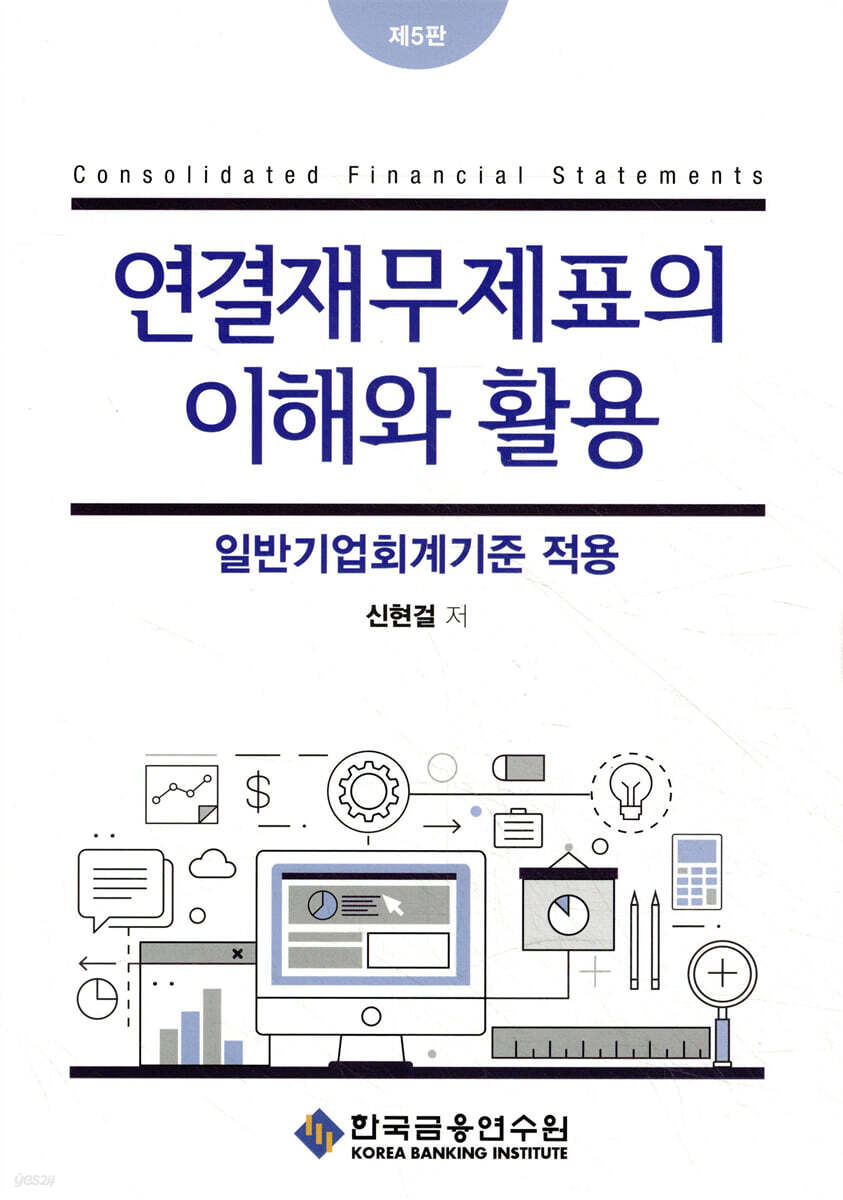
Understanding and Using Consolidated Financial Statements
 |
Description
Book Introduction
This book was written with the goal of making consolidated financial statements as easily understandable as possible for credit analysts at financial institutions. Considering that the majority of lending companies do not apply International Financial Reporting Standards (IFRS), the book's content is based on the "General Corporate Accounting Standards."
This book is composed of seven chapters.
Chapters 1 through 5 explain consolidated financial statements, and Chapter 6 introduces the accounting treatment of mergers as another form of business combination.
The final seven chapters compare the differences between the provisions of the General Accounting Principles and the International Financial Reporting Standards (IFRS) regarding consolidation and mergers.
However, since this book focuses on the basic understanding of business combination accounting centered on consolidated accounting, it does not cover consolidation or merger issues in complex situations.
This book is composed of seven chapters.
Chapters 1 through 5 explain consolidated financial statements, and Chapter 6 introduces the accounting treatment of mergers as another form of business combination.
The final seven chapters compare the differences between the provisions of the General Accounting Principles and the International Financial Reporting Standards (IFRS) regarding consolidation and mergers.
However, since this book focuses on the basic understanding of business combination accounting centered on consolidated accounting, it does not cover consolidation or merger issues in complex situations.
index
Chapter 1: Fundamentals of Consolidated Accounting
1.
Significance of Consolidated Financial Statements
2.
Introduction and revision of consolidated accounting standards
3.
Judgment on the preparation of consolidated financial statements and subsidiaries
4.
Preliminary preparation for preparing consolidated financial statements
5.
Principles for preparing consolidated financial statements
6.
Types and formats of consolidated financial statements
Chapter 2 Preparation of Consolidated Financial Statements at the Time of Acquisition of Control
1.
Basics of Consolidated Financial Statements
2.
Homogeneity in the establishment of new business units and the preparation of consolidated financial statements
3.
Considerations when offsetting investment stocks and subsidiary capital
4.
Preparation of consolidated financial statements when acquiring 100% stake
5.
Preparation of consolidated financial statements when acquiring less than 100% of shares
6.
summation
Chapter 3 Application of the Equity Method to Investment Stocks in Subsidiaries
1.
Significance of the equity method
2.
Significant influence
3.
Accounting treatment under the equity method
4.
Calculation of equity method profit and loss when there is internal unrealized profit and loss
5.
Additional Considerations When Applying the Equity Method
Chapter 4 Preparation of Consolidated Financial Statements After Acquisition of Control
1.
Connections after acquisition of dominance
2.
Other Considerations When Connecting After Acquiring Control
3.
summation
Chapter 5: Consolidation and Analysis of Consolidated Financial Statements in Cases of Internal Transactions
1.
The significance of insider trading and internal unrealized gains and losses
2.
Elimination of internal transactions and internal unrealized profits of inventory assets
3.
Elimination of internal transactions and internal unrealized profits of tangible assets
4.
Offset of other internal transactions and related assets and liabilities
5.
Analysis of Consolidated Financial Statements
Chapter 6 Business Combination through Merger
1.
Business combination in the form of a merger
2.
Accounting for mergers
3.
Understanding Financial Statements Reflecting the Merger Transaction
Chapter 7 Differences between General Corporate Accounting Standards and Korean International Financial Reporting Standards
1.
Name and format of financial statements
2.
Accounting for investment stocks in subsidiaries
3.
Determining the scope of connection
4.
Accounting for goodwill
5.
Connection adjustment procedure
6.
Measurement of non-controlling interests
1.
Significance of Consolidated Financial Statements
2.
Introduction and revision of consolidated accounting standards
3.
Judgment on the preparation of consolidated financial statements and subsidiaries
4.
Preliminary preparation for preparing consolidated financial statements
5.
Principles for preparing consolidated financial statements
6.
Types and formats of consolidated financial statements
Chapter 2 Preparation of Consolidated Financial Statements at the Time of Acquisition of Control
1.
Basics of Consolidated Financial Statements
2.
Homogeneity in the establishment of new business units and the preparation of consolidated financial statements
3.
Considerations when offsetting investment stocks and subsidiary capital
4.
Preparation of consolidated financial statements when acquiring 100% stake
5.
Preparation of consolidated financial statements when acquiring less than 100% of shares
6.
summation
Chapter 3 Application of the Equity Method to Investment Stocks in Subsidiaries
1.
Significance of the equity method
2.
Significant influence
3.
Accounting treatment under the equity method
4.
Calculation of equity method profit and loss when there is internal unrealized profit and loss
5.
Additional Considerations When Applying the Equity Method
Chapter 4 Preparation of Consolidated Financial Statements After Acquisition of Control
1.
Connections after acquisition of dominance
2.
Other Considerations When Connecting After Acquiring Control
3.
summation
Chapter 5: Consolidation and Analysis of Consolidated Financial Statements in Cases of Internal Transactions
1.
The significance of insider trading and internal unrealized gains and losses
2.
Elimination of internal transactions and internal unrealized profits of inventory assets
3.
Elimination of internal transactions and internal unrealized profits of tangible assets
4.
Offset of other internal transactions and related assets and liabilities
5.
Analysis of Consolidated Financial Statements
Chapter 6 Business Combination through Merger
1.
Business combination in the form of a merger
2.
Accounting for mergers
3.
Understanding Financial Statements Reflecting the Merger Transaction
Chapter 7 Differences between General Corporate Accounting Standards and Korean International Financial Reporting Standards
1.
Name and format of financial statements
2.
Accounting for investment stocks in subsidiaries
3.
Determining the scope of connection
4.
Accounting for goodwill
5.
Connection adjustment procedure
6.
Measurement of non-controlling interests
GOODS SPECIFICS
- Date of issue: August 18, 2023
- Page count, weight, size: 220 pages | 176*248*20mm
- ISBN13: 9788928781676
- ISBN10: 8928781671
You may also like
카테고리
korean


korean

![GQ KOREA Mark (Monthly): December [2025]](http://librairie.coreenne.fr/cdn/shop/files/8ef265dbbfbf186523ed75ba7319009d.jpg?v=1765340328&width=3840)


