

Children's art
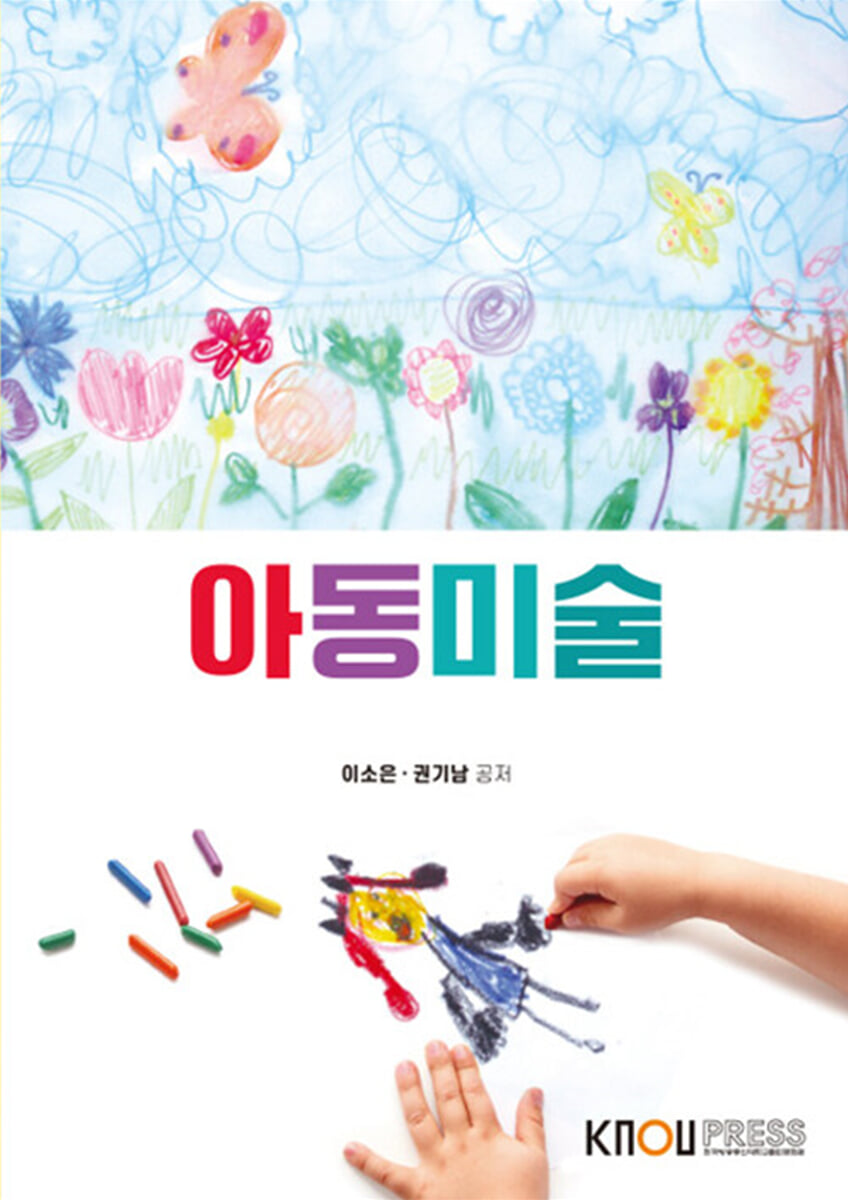 |
Description
Book Introduction
Children mature through development in various areas, including physical, cognitive, linguistic, and social.
Since children's art activities are directly related to these developmental areas, art education is closely linked to children's overall development.
Through art activities, children develop creativity and character, and by achieving smooth development and cooperation of the mind, emotions, and hands, they form the foundation for holistic human development.
Considering that the ultimate goal of educational activities is the discovery of humanity through the establishment of a healthy self-concept, children's art should be structured and guided so that it can become an important educational activity that achieves this educational goal.
I sincerely hope that the contents of this book will serve as a theoretical and practical guide for art activity guidance not only for students studying children's art in undergraduate courses, but also for teachers who guide children in the field and readers interested in children's art guidance.
Since children's art activities are directly related to these developmental areas, art education is closely linked to children's overall development.
Through art activities, children develop creativity and character, and by achieving smooth development and cooperation of the mind, emotions, and hands, they form the foundation for holistic human development.
Considering that the ultimate goal of educational activities is the discovery of humanity through the establishment of a healthy self-concept, children's art should be structured and guided so that it can become an important educational activity that achieves this educational goal.
I sincerely hope that the contents of this book will serve as a theoretical and practical guide for art activity guidance not only for students studying children's art in undergraduate courses, but also for teachers who guide children in the field and readers interested in children's art guidance.
index
Chapter 1: The Significance and Purpose of Children's Art
Chapter 2: History of Children's Art
Chapter 3 Theories Related to Children's Art
Chapter 4 Child Development and Children's Art
Chapter 5 Characteristics of Children's Drawings
Chapter 6: Types of Expression and Evaluation of Children's Art
Chapter 7 Children's Art and Art Therapy
Chapter 8: Children's Art Instruction and Standard Childcare Curriculum and Nuri Curriculum
Chapter 9: Qualifications and Roles of Art Instructors
Chapter 10 Teaching Methods of Children's Art
Chapter 11: Creating an Environment for Children's Art
Chapter 12 Art Appreciation
Chapter 13 Exploration Activities
Chapter 14 Expressive Activities
Chapter 15 Appreciation Activities
Chapter 2: History of Children's Art
Chapter 3 Theories Related to Children's Art
Chapter 4 Child Development and Children's Art
Chapter 5 Characteristics of Children's Drawings
Chapter 6: Types of Expression and Evaluation of Children's Art
Chapter 7 Children's Art and Art Therapy
Chapter 8: Children's Art Instruction and Standard Childcare Curriculum and Nuri Curriculum
Chapter 9: Qualifications and Roles of Art Instructors
Chapter 10 Teaching Methods of Children's Art
Chapter 11: Creating an Environment for Children's Art
Chapter 12 Art Appreciation
Chapter 13 Exploration Activities
Chapter 14 Expressive Activities
Chapter 15 Appreciation Activities
GOODS SPECIFICS
- Publication date: July 25, 2022
- Page count, weight, size: 432 pages | 176*248*30mm
- ISBN13: 9788920043031
- ISBN10: 8920043035
You may also like
카테고리
korean


korean

![GQ KOREA Mark (Monthly): December [2025]](http://librairie.coreenne.fr/cdn/shop/files/8ef265dbbfbf186523ed75ba7319009d.jpg?v=1765340328&width=3840)


