

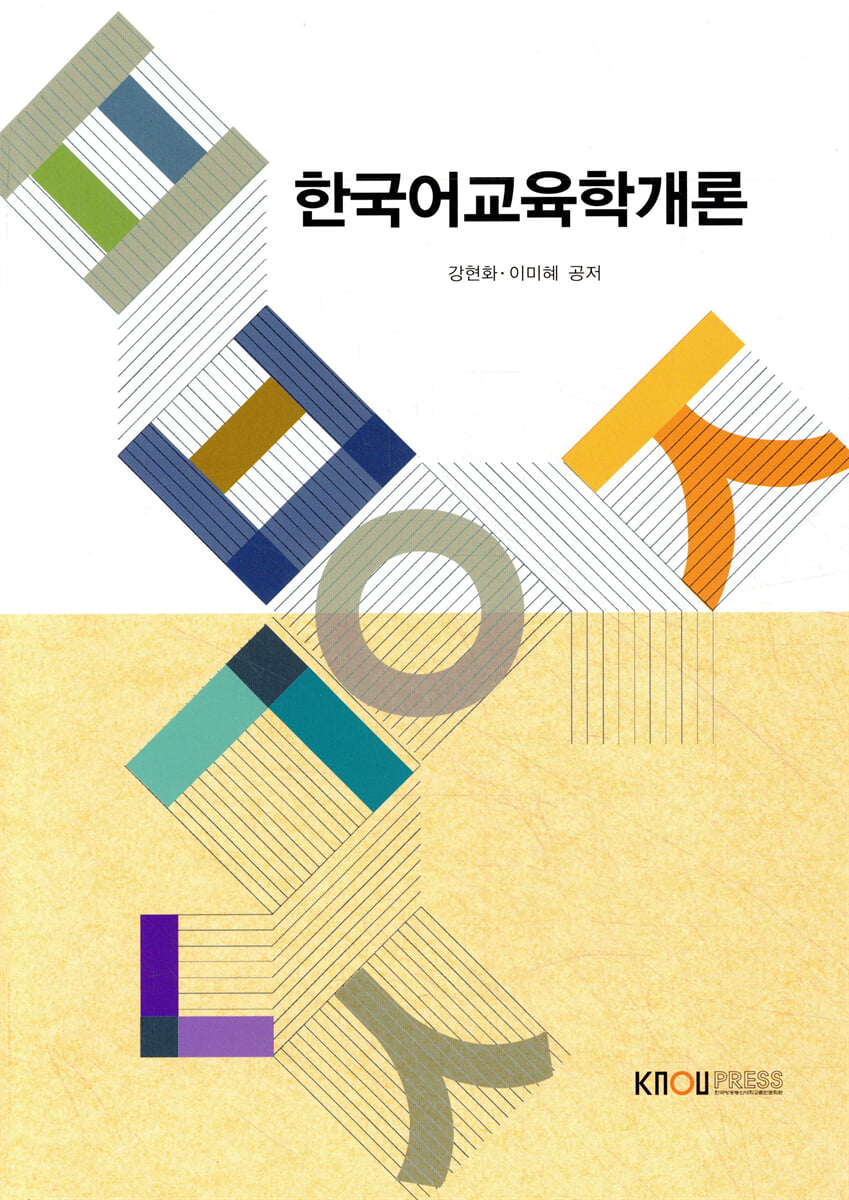
Introduction to Korean Language Education
 |
Description
Book Introduction
As the base of Korean language researchers gradually expands, the range of researchers approaching Korean language education is also expanding.
Accordingly, the number of monographs dealing with Korean language education is gradually increasing.
As the number of teachers teaching Korean language is also increasing, Korean language education has already become an academic discipline with international standing.
For those who wish to begin studying Korean language education, it is very important to examine the major areas of Korean language education and understand the key issues in each area.
It is also important to have the insight to look beyond individual fields and view the entire field of Korean language education.
This book is largely composed of 15 chapters. Chapter 1 provides an overview of Korean language education policy, allowing readers to become familiar with the demand and current status of Korean language education both domestically and internationally.
From lectures 2 to 7, we covered areas of language knowledge such as pronunciation education, vocabulary education, grammar education, and cultural education, and attempted to cover their pedagogical applications.
In the 8th lecture, we selected the content of linguistic norms that will be meaningfully addressed in Korean language education and attempted to demonstrate the applicability of Korean language teaching based on norms.
In each lecture dealing with language knowledge, various aspects of the subject, such as its objectives, principles, contents, methods, and application to teaching, were covered, and, where necessary, in-depth sections were provided to enable deeper exploration.
In the 9th lecture, we covered the Korean language curriculum theory, which is an essential theory for teaching and learning, and the design and case studies of the Korean language curriculum. From the 10th to the 13th lectures, we covered the theory and practice of language education by communication function: speaking, listening, reading, and writing.
In lectures 14 and 15, we covered the theory of teaching materials that embody language knowledge and communication skills in real materials, and the theory of assessment that measures them.
In the functional areas of speaking, listening, reading, and writing, we attempted to describe them in terms of concepts, objectives, teaching methods, materials, teaching principles, and activities.
Rather than focusing on theories and concepts that previous textbooks focused on, this book focuses on practical application, making it easy for even those new to Korean language education to understand.
I have tried to provide examples whenever possible to help with understanding, so even beginners will be able to easily understand and approach the material.
Accordingly, the number of monographs dealing with Korean language education is gradually increasing.
As the number of teachers teaching Korean language is also increasing, Korean language education has already become an academic discipline with international standing.
For those who wish to begin studying Korean language education, it is very important to examine the major areas of Korean language education and understand the key issues in each area.
It is also important to have the insight to look beyond individual fields and view the entire field of Korean language education.
This book is largely composed of 15 chapters. Chapter 1 provides an overview of Korean language education policy, allowing readers to become familiar with the demand and current status of Korean language education both domestically and internationally.
From lectures 2 to 7, we covered areas of language knowledge such as pronunciation education, vocabulary education, grammar education, and cultural education, and attempted to cover their pedagogical applications.
In the 8th lecture, we selected the content of linguistic norms that will be meaningfully addressed in Korean language education and attempted to demonstrate the applicability of Korean language teaching based on norms.
In each lecture dealing with language knowledge, various aspects of the subject, such as its objectives, principles, contents, methods, and application to teaching, were covered, and, where necessary, in-depth sections were provided to enable deeper exploration.
In the 9th lecture, we covered the Korean language curriculum theory, which is an essential theory for teaching and learning, and the design and case studies of the Korean language curriculum. From the 10th to the 13th lectures, we covered the theory and practice of language education by communication function: speaking, listening, reading, and writing.
In lectures 14 and 15, we covered the theory of teaching materials that embody language knowledge and communication skills in real materials, and the theory of assessment that measures them.
In the functional areas of speaking, listening, reading, and writing, we attempted to describe them in terms of concepts, objectives, teaching methods, materials, teaching principles, and activities.
Rather than focusing on theories and concepts that previous textbooks focused on, this book focuses on practical application, making it easy for even those new to Korean language education to understand.
I have tried to provide examples whenever possible to help with understanding, so even beginners will be able to easily understand and approach the material.
index
Lecture 1: Korean Language Education and Policy
1.1.
Korean Language Education and International Cultural Exchange / 1.2.
Korean Language Education Policy / 1.3.
Current Status of Overseas Native Language Promotion Policy / 1.4.
Cultural Needs and Communication
Lesson 2: Korean Pronunciation Education
2.1.
Teaching Korean Phonology / 2.2.
Contents of pronunciation education / 2.3.
Methods of teaching pronunciation
Lesson 3: Korean Vocabulary Education 1
3.1.
Vocabulary knowledge / 3.2.
Vocabulary teaching using control units / 3.3.
Vocabulary teaching using vocabulary-semantic relationships
Lesson 4: Korean Vocabulary Education 2
4.1.
Vocabulary input materials in the classroom / 4.2.
Vocabulary Learning Activity / 4.3.
Vocabulary and Textbook / 4.4.
Vocabulary Teaching Method / 4.5.
Vocabulary assessment
Lesson 5: Korean Grammar Education 1
5.1.
Goals and Directions of Grammar Teaching / 5.2.
Characteristics of Korean Grammar / 5.3.
Teaching Using Parts of Speech / 5.4.
Grammar-based instruction / 5.5.
Grammar teaching by category
Lesson 6: Korean Grammar Education 2
6.1.
Principles of Grammar Teaching / 6.2.
Grading principles for grammar items / 6.3.
Grammar Teaching Stages and Teaching Models / 6.4.
Grammar teaching and classroom activities
Lesson 7: Korean Culture Education
7.1.
Cultural Education in Language Education / 7.2.
Types of Culture and Directions of Cultural Teaching / 7.3.
Contents of Cultural Education / 7.4.
Selecting the Goals and Items of Cultural Education / 7.5.
Methods of cultural education
Lesson 8: Linguistic Norms and Korean Language Education
8.1.
The Need for Language Professors / 8.2.
Korean spelling / 8.3.
Standard Language Regulations / 8.4.
Foreign language notation / 8.5.
Romanization
Lecture 9: Korean Language Curriculum Theory
9.1.
Concepts and Components of the Curriculum / 9.2.
Curriculum Development Process / 9.3.
Concept and Types of Syllabus / 9.4.
Korean Standard Curriculum / 9.5.
The reality of the Korean language curriculum
Lesson 10: Teaching Korean Speaking
10.1.
Characteristics of Speaking and Speaking Education / 10.2.
Goals and contents of speaking education / 10.3.
Speaking skills / 10.4.
Principles of Speaking Education / 10.5.
Speaking Class Activities / 10.6.
Speaking Class Structure / 10.7.
Correcting speech errors
Lesson 11: Korean Listening Education Theory
11.1.
Characteristics of Listening and Listening Education / 11.2.
Goals and Contents of Listening Education / 11.3.
Listening skills / 11.4.
Flow of Listening Teaching Method / 11.5.
Composition of Listening Teaching Materials / 11.6.
Listening Class Activities / 11.7.
Principles of Listening Education / 11.8.
Steps to composing a listening class
Lesson 12: Korean Reading Education Theory
12.1.
Characteristics of Reading and Reading Education / 12.2.
Goals and Contents of Reading Education / 12.3.
Reading skills / 12.4.
Reading Process / 12.5.
Reading Skills and Methods / 12.6.
Principles of Reading Education / 12.7.
Reading class structure
Lesson 13: Korean Writing Education
13.1.
Characteristics of Writing and Writing Education / 13.2.
Goals and Contents of Writing Education / 13.3.
Writing skills / 13.4.
Flow of Writing Teaching Methods / 13.5.
Principles of Writing Education / 13.6.
Writing Class Activities / 13.7.
Writing class structure
Lecture 14: Korean Language Textbook Theory
14.1.
Functions and types of Korean language textbooks / 14.2.
Changes and Characteristics of Korean Language Textbooks / 14.3.
Korean Language Textbook Development / 14.4.
Analysis and Evaluation of Korean Language Textbooks / 14.5.
Textbook revision and supplementary material production
Lecture 15: Korean Language Evaluation Theory
15.1.
Korean Language Education and Assessment / 15.2.
Types of Korean Language Assessment / 15.3.
Requirements for a Good Evaluation / 15.4.
Development of a Korean language assessment tool
1.1.
Korean Language Education and International Cultural Exchange / 1.2.
Korean Language Education Policy / 1.3.
Current Status of Overseas Native Language Promotion Policy / 1.4.
Cultural Needs and Communication
Lesson 2: Korean Pronunciation Education
2.1.
Teaching Korean Phonology / 2.2.
Contents of pronunciation education / 2.3.
Methods of teaching pronunciation
Lesson 3: Korean Vocabulary Education 1
3.1.
Vocabulary knowledge / 3.2.
Vocabulary teaching using control units / 3.3.
Vocabulary teaching using vocabulary-semantic relationships
Lesson 4: Korean Vocabulary Education 2
4.1.
Vocabulary input materials in the classroom / 4.2.
Vocabulary Learning Activity / 4.3.
Vocabulary and Textbook / 4.4.
Vocabulary Teaching Method / 4.5.
Vocabulary assessment
Lesson 5: Korean Grammar Education 1
5.1.
Goals and Directions of Grammar Teaching / 5.2.
Characteristics of Korean Grammar / 5.3.
Teaching Using Parts of Speech / 5.4.
Grammar-based instruction / 5.5.
Grammar teaching by category
Lesson 6: Korean Grammar Education 2
6.1.
Principles of Grammar Teaching / 6.2.
Grading principles for grammar items / 6.3.
Grammar Teaching Stages and Teaching Models / 6.4.
Grammar teaching and classroom activities
Lesson 7: Korean Culture Education
7.1.
Cultural Education in Language Education / 7.2.
Types of Culture and Directions of Cultural Teaching / 7.3.
Contents of Cultural Education / 7.4.
Selecting the Goals and Items of Cultural Education / 7.5.
Methods of cultural education
Lesson 8: Linguistic Norms and Korean Language Education
8.1.
The Need for Language Professors / 8.2.
Korean spelling / 8.3.
Standard Language Regulations / 8.4.
Foreign language notation / 8.5.
Romanization
Lecture 9: Korean Language Curriculum Theory
9.1.
Concepts and Components of the Curriculum / 9.2.
Curriculum Development Process / 9.3.
Concept and Types of Syllabus / 9.4.
Korean Standard Curriculum / 9.5.
The reality of the Korean language curriculum
Lesson 10: Teaching Korean Speaking
10.1.
Characteristics of Speaking and Speaking Education / 10.2.
Goals and contents of speaking education / 10.3.
Speaking skills / 10.4.
Principles of Speaking Education / 10.5.
Speaking Class Activities / 10.6.
Speaking Class Structure / 10.7.
Correcting speech errors
Lesson 11: Korean Listening Education Theory
11.1.
Characteristics of Listening and Listening Education / 11.2.
Goals and Contents of Listening Education / 11.3.
Listening skills / 11.4.
Flow of Listening Teaching Method / 11.5.
Composition of Listening Teaching Materials / 11.6.
Listening Class Activities / 11.7.
Principles of Listening Education / 11.8.
Steps to composing a listening class
Lesson 12: Korean Reading Education Theory
12.1.
Characteristics of Reading and Reading Education / 12.2.
Goals and Contents of Reading Education / 12.3.
Reading skills / 12.4.
Reading Process / 12.5.
Reading Skills and Methods / 12.6.
Principles of Reading Education / 12.7.
Reading class structure
Lesson 13: Korean Writing Education
13.1.
Characteristics of Writing and Writing Education / 13.2.
Goals and Contents of Writing Education / 13.3.
Writing skills / 13.4.
Flow of Writing Teaching Methods / 13.5.
Principles of Writing Education / 13.6.
Writing Class Activities / 13.7.
Writing class structure
Lecture 14: Korean Language Textbook Theory
14.1.
Functions and types of Korean language textbooks / 14.2.
Changes and Characteristics of Korean Language Textbooks / 14.3.
Korean Language Textbook Development / 14.4.
Analysis and Evaluation of Korean Language Textbooks / 14.5.
Textbook revision and supplementary material production
Lecture 15: Korean Language Evaluation Theory
15.1.
Korean Language Education and Assessment / 15.2.
Types of Korean Language Assessment / 15.3.
Requirements for a Good Evaluation / 15.4.
Development of a Korean language assessment tool
GOODS SPECIFICS
- Date of issue: July 25, 2020
- Page count, weight, size: 428 pages | 172*245*30mm
- ISBN13: 9788920037047
- ISBN10: 8920037043
You may also like
카테고리
korean


korean

![GQ KOREA Mark (Monthly): December [2025]](http://librairie.coreenne.fr/cdn/shop/files/8ef265dbbfbf186523ed75ba7319009d.jpg?v=1765340328&width=3840)


