

Cabanis' psychodynamic formulation
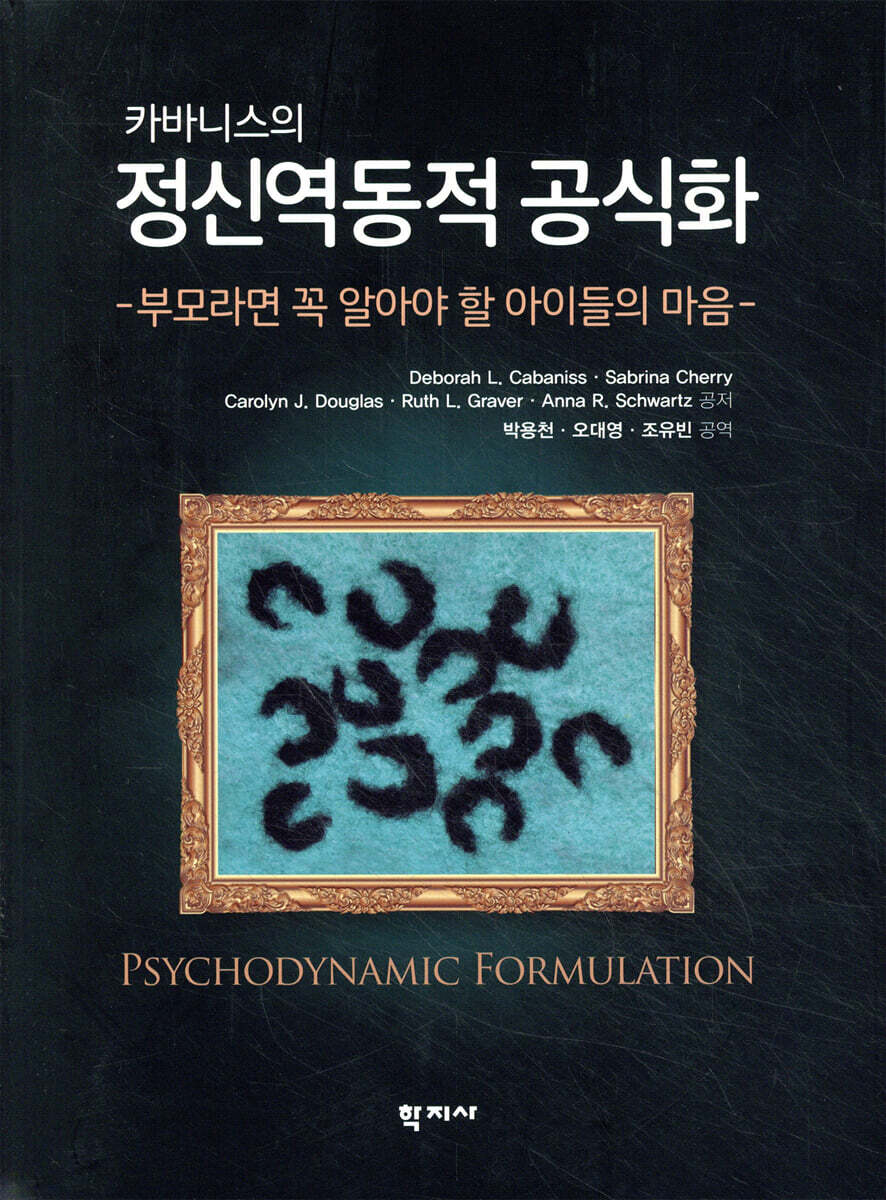 |
Description
Book Introduction
In the process of psychotherapy, psychodynamic formulation is a very important process for identifying the patient's core dynamics in the early stages of treatment and establishing a treatment plan.
Cabaniss explains the process of psychodynamic formulation in a plain and clear style that is rarely found in psychoanalytic literature, without being biased towards the theories of any particular school.
In order to formulate psychodynamic therapies, it is necessary to first understand the patient's current problem patterns, then understand the patient's developmental process, and then connect the two. This process is defined as a three-step process of Describe, Review, and Link. Each chapter is organized in the order of the three-step tasks, and is presented with abundant examples for each step.
Cabaniss explains the process of psychodynamic formulation in a plain and clear style that is rarely found in psychoanalytic literature, without being biased towards the theories of any particular school.
In order to formulate psychodynamic therapies, it is necessary to first understand the patient's current problem patterns, then understand the patient's developmental process, and then connect the two. This process is defined as a three-step process of Describe, Review, and Link. Each chapter is organized in the order of the three-step tasks, and is presented with abundant examples for each step.
index
Acknowledgements
Recommendation
Translator's Preface
Author's Preface
Part 1: Introduction to Psychodynamic Formulation
Chapter 1: What is Psychodynamic Formulation?
Chapter 2: How We Use Psychodynamic Formulation
Chapter 3: How We Construct Psychodynamic Formulations
Part 2: Describing
Chapter 4 Self
Chapter 5 Relationships
Chapter 6: Adapting
Chapter 7 Cognition
Chapter 8 Work and Play
Review Part 3
Chapter 9: What We Are Born With—Genetics and Prenatal Development
Chapter 10: Early Life
Chapter 11 Middle Childhood
Chapter 12 Late Childhood, Adolescence, and Adulthood
Part 4 Connecting
Chapter 13: Psychological Trauma
Chapter 14 Early Cognitive and Emotional Difficulties
Chapter 15 Conflict and Defense
Chapter 16 Relationships with Others
Chapter 17 Self-Development
Chapter 18 Attachment
Part 5: Psychodynamic Formulation in Clinical Practice
Chapter 19: Psychodynamic Formulation in Acute Care Settings
Chapter 20: Psychodynamic Formulation in Drug Therapy
Chapter 21: Psychodynamic Formulations in Long-Term Psychodynamic Psychotherapy: Modifications Over Time
Chapter 22: Sharing Formulations with Patients
Concluding remarks
supplement
Recommended books
Recommendation
Translator's Preface
Author's Preface
Part 1: Introduction to Psychodynamic Formulation
Chapter 1: What is Psychodynamic Formulation?
Chapter 2: How We Use Psychodynamic Formulation
Chapter 3: How We Construct Psychodynamic Formulations
Part 2: Describing
Chapter 4 Self
Chapter 5 Relationships
Chapter 6: Adapting
Chapter 7 Cognition
Chapter 8 Work and Play
Review Part 3
Chapter 9: What We Are Born With—Genetics and Prenatal Development
Chapter 10: Early Life
Chapter 11 Middle Childhood
Chapter 12 Late Childhood, Adolescence, and Adulthood
Part 4 Connecting
Chapter 13: Psychological Trauma
Chapter 14 Early Cognitive and Emotional Difficulties
Chapter 15 Conflict and Defense
Chapter 16 Relationships with Others
Chapter 17 Self-Development
Chapter 18 Attachment
Part 5: Psychodynamic Formulation in Clinical Practice
Chapter 19: Psychodynamic Formulation in Acute Care Settings
Chapter 20: Psychodynamic Formulation in Drug Therapy
Chapter 21: Psychodynamic Formulations in Long-Term Psychodynamic Psychotherapy: Modifications Over Time
Chapter 22: Sharing Formulations with Patients
Concluding remarks
supplement
Recommended books
Publisher's Review
In the process of psychotherapy, psychodynamic formulation is a very important process for identifying the patient's core dynamics in the early stages of treatment and establishing a treatment plan.
Cabaniss explains the process of psychodynamic formulation in a plain and clear style that is rarely found in psychoanalytic literature, without being biased towards the theories of any particular school.
Many psychoanalysts express their own views on psychodynamics and list the elements that must be included in a psychodynamic formulation. Regardless of the analyst's theoretical background, a common element that is emphasized is that a large part of the patient's current symptoms is influenced by the unconscious, and that this unconscious is formed by experiences in early life, so attention must be paid to the connection between the major aspects of the patient's developmental history and the current symptoms.
Cabaniss also emphasized that psychodynamic formulation requires identifying the patient's current problem patterns, understanding the patient's developmental process, and then connecting the two. He defined this process as a three-step process of Describe, Review, and Link. He organized each chapter in the order of the three-step process and presented it with abundant examples for each step.
The final part of the book demonstrates the application of psychodynamic formulations in various clinical situations, including long-term psychotherapy and drug therapy, making it a must-read for any clinical psychiatrist, even if they are not psychoanalysts.
An additional noteworthy feature of this book is that although it is intended as a professional text providing basic knowledge for mental health professionals, it also provides information on how to raise mentally healthy children in a way that even the general public can understand.
Therefore, this book will be of great help to the general public in addressing their concerns about how to raise mentally healthy children.
This is a must-read for anyone interested in mental health, and I hope that even ordinary parents who want to raise mentally healthy children will read this book, even if it is just to borrow it, so that Korea can become a mentally healthy society.
Cabaniss explains the process of psychodynamic formulation in a plain and clear style that is rarely found in psychoanalytic literature, without being biased towards the theories of any particular school.
Many psychoanalysts express their own views on psychodynamics and list the elements that must be included in a psychodynamic formulation. Regardless of the analyst's theoretical background, a common element that is emphasized is that a large part of the patient's current symptoms is influenced by the unconscious, and that this unconscious is formed by experiences in early life, so attention must be paid to the connection between the major aspects of the patient's developmental history and the current symptoms.
Cabaniss also emphasized that psychodynamic formulation requires identifying the patient's current problem patterns, understanding the patient's developmental process, and then connecting the two. He defined this process as a three-step process of Describe, Review, and Link. He organized each chapter in the order of the three-step process and presented it with abundant examples for each step.
The final part of the book demonstrates the application of psychodynamic formulations in various clinical situations, including long-term psychotherapy and drug therapy, making it a must-read for any clinical psychiatrist, even if they are not psychoanalysts.
An additional noteworthy feature of this book is that although it is intended as a professional text providing basic knowledge for mental health professionals, it also provides information on how to raise mentally healthy children in a way that even the general public can understand.
Therefore, this book will be of great help to the general public in addressing their concerns about how to raise mentally healthy children.
This is a must-read for anyone interested in mental health, and I hope that even ordinary parents who want to raise mentally healthy children will read this book, even if it is just to borrow it, so that Korea can become a mentally healthy society.
GOODS SPECIFICS
- Date of issue: May 30, 2019
- Page count, weight, size: 416 pages | 1,015g | 195*264*30mm
- ISBN13: 9788999718298
- ISBN10: 8999718298
You may also like
카테고리
korean


korean

![ELLE 엘르 스페셜 에디션 A형 : 12월 [2025]](http://librairie.coreenne.fr/cdn/shop/files/b8e27a3de6c9538896439686c6b0e8fb.jpg?v=1766436872&width=3840)


