

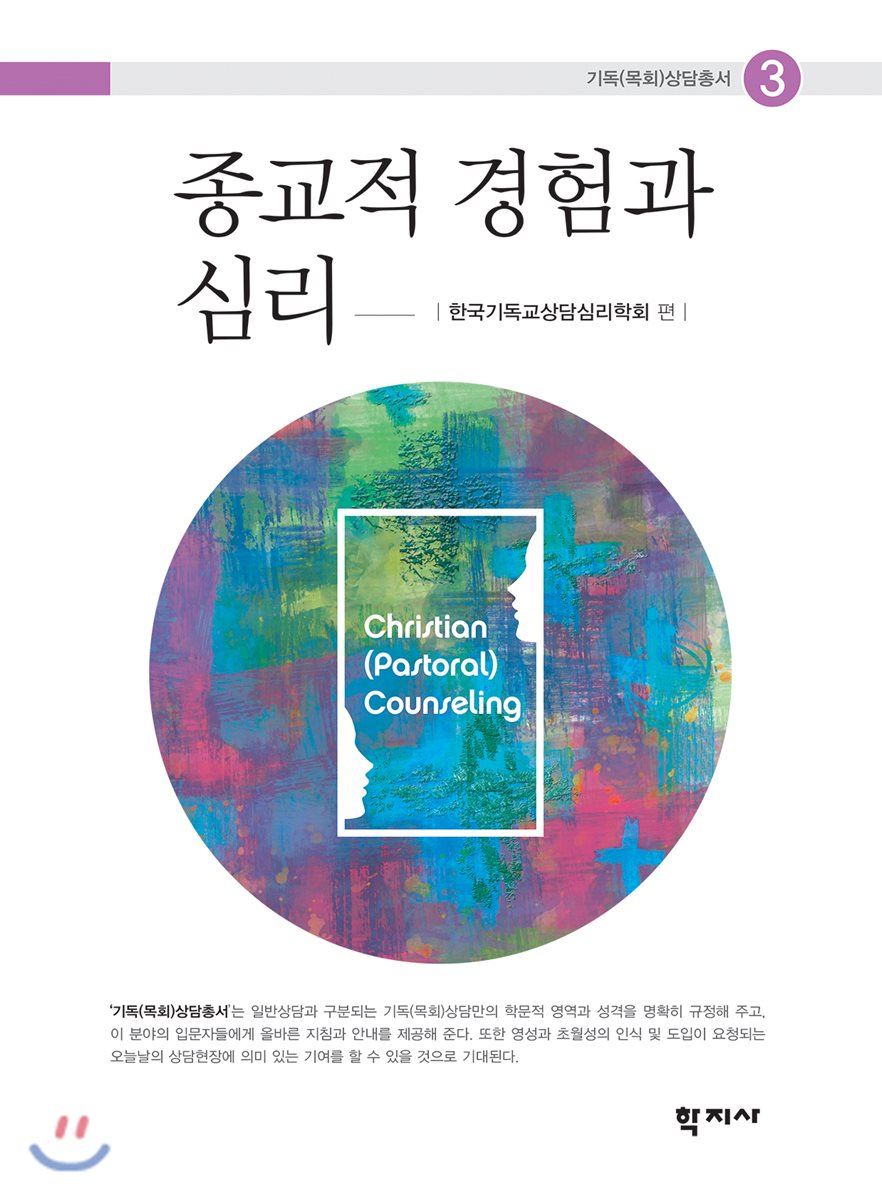
Religious experience and psychology
 |
Description
Book Introduction
It would not be an exaggeration to say that the modern society we live in is a society in crisis.
The crisis of modern man fundamentally stems from the severance of his proper relationship with God.
Religion has a mission to actively address and help the crises that humans face, rather than accepting them as fate or turning a blind eye to them.
What differentiates Christian counseling, which is based on the dialogue between religion and psychology, from general counseling lies in its value system, which holds that God is with those who are suffering and has the power to help and grow them.
Christian counseling is about helping people in crisis in their relationship with God and ultimately enabling them to experience God's redemptive power.
In this book, the authors address various issues faced by many Christians under the broad theme of 'religious experience and psychology.'
They sought to concretize the dynamic power and crucial role of religion, along with a psychological understanding of the human person, in helping people overcome problems of conflict and suffering in the course of their personal development and religious experience.
However, as seen in modern culture, religion itself, which was expected to overcome human problems, can sometimes act as a source of alienation, so crisis situations related to religious experience were also addressed.
I hope this book will be helpful to those who work to heal the suffering and sick souls in a complex and chaotic society.
The crisis of modern man fundamentally stems from the severance of his proper relationship with God.
Religion has a mission to actively address and help the crises that humans face, rather than accepting them as fate or turning a blind eye to them.
What differentiates Christian counseling, which is based on the dialogue between religion and psychology, from general counseling lies in its value system, which holds that God is with those who are suffering and has the power to help and grow them.
Christian counseling is about helping people in crisis in their relationship with God and ultimately enabling them to experience God's redemptive power.
In this book, the authors address various issues faced by many Christians under the broad theme of 'religious experience and psychology.'
They sought to concretize the dynamic power and crucial role of religion, along with a psychological understanding of the human person, in helping people overcome problems of conflict and suffering in the course of their personal development and religious experience.
However, as seen in modern culture, religion itself, which was expected to overcome human problems, can sometimes act as a source of alienation, so crisis situations related to religious experience were also addressed.
I hope this book will be helpful to those who work to heal the suffering and sick souls in a complex and chaotic society.
index
Part 1: Religion and Personality
Chapter 1: Developmental Understanding of Religious Experience
1.
Introduction
2.
Unity and Diversity of Religious Experience: Institutional Religion vs.
personal religion
3.
Maturity of Religious Experience and Religious Emotions: Nonessential Religion vs.
essential religion
4.
A theological understanding of the development of religious experience
5.
A Psychological Understanding of the Development of Religious Experience
6.
The Interrelationship Between Psychological Development and Spiritual Development
7.
Words that come out
Chapter 2 Religion and Mental Health: From a Psychoanalytic Four-Frame Psychology Perspective
1.
Introduction
2.
Mental Health and Religion in Classical Psychoanalysis
3.
Mental Health and Religion in Ego Psychology
4.
Mental Health and Religion in Object Relations Theory
5.
Mental Health and Religion in Self-Psychology
6.
Words that come out
Part 2: Psychological Understanding of Religious Experience
Chapter 3: Conversion and Self-Identity
1.
Introduction
2.
Definition of conversion
3.
Types of Conversion
4.
Factors of conversion
5.
The result of conversion
6.
Revivals and Planned Conversions
7.
Words that come out
Chapter 4: A Depth Psychological Understanding of Prayer and Mystical Experiences
1.
Introduction
2.
Research on the efficacy of prayer
3.
Components of Prayer: Communication and Experience
4.
The Process of Prayer: Projection and Transformation
5.
Prayer and Mystical Experience: Surplus Reality
6.
Words that come out
Chapter 5 Anger and Forgiveness
1.
Introduction
2.
General understanding of anger
3.
How to Cope with Anger
4.
The meaning of forgiveness
5.
The process of forgiveness
6.
People who practiced God's forgiveness
7.
Words that come out
Chapter 6: Possession and Exorcism
1.
Introduction
2.
Spiritual phenomena as described by Jung
3.
Freud and Possession
4.
Demonic Possession and Exorcism in Culture and Counseling
5.
Demon possession and exorcism in Christianity
6.
Words that come out
Part 3: Religious Experience and Psychopathology
Chapter 7: Religious Experience and Anxiety Disorder: Focusing on Relational Cultural Theory
1.
Introduction
2.
Relational Cultural Theory (RCT)
3.
Anxiety and Religious Experiences
4.
Christian/Pastoral Counseling Suggestions
5.
Words that come out
Chapter 8 Religious Experiences and Mood Disorders
1.
Introduction
2. Diagnostic criteria of DSM-5
3.
Psychoanalytic Approach and Religion
4.
Cognitive-behavioral therapy and religion
5.
Interpersonal Therapy Approach and Religion
6.
Crisis Intervention and Religion
7.
Words that come out
Chapter 9 Religious Experiences and Personality Disorders
1.
Introduction
2.
Research on the Relationship Between Mental Health and Religion
3.
Traits and religious experiences by personality disorder
4.
Counseling Methods for Religiously Related Personality Disorders
5.
Words that come out
Chapter 10: Psychopathology of Religious Leaders and Coping Strategies
1.
Religious Leaders and the Need for Self-Analysis
2.
The formation of psychology and the possibility of change
3.
Biblical Answers for Psychological Change
4.
Inner Self-Care as a Self-Management Tool for Religious Leaders
5.
Practical Self-Management Strategies for Religious Leaders
Part 4: A Dialogue Between Religion and Psychology for Christian (Pastoral) Counseling
Chapter 11: Religious Experience and Christian (Pastoral) Counseling: A Critical Dialogue Between Religion and Psychology
1.
Introduction
2.
Correlational Methodology in Pastoral Theology: A Dialogue Between Religion and Psychology
3.
The Modified Critical Correlation Method: An Integrative Encounter of Religion and Psychology
4.
Case Study: An Integrative Approach to Christian (Pastoral) Counseling for Religious Experience
5.
Words that come out
Chapter 12: Religious Experience and the Ethics of Counselors
1.
Introduction
2.
Causes of loss of ethical standards in counseling
3.
The Need for Ethical Standards in Counseling
4.
Theological Basis for the Need to Restore Ethical Norms
5.
Attempts to restore ethical norms in counseling
6.
Words that come out
Chapter 1: Developmental Understanding of Religious Experience
1.
Introduction
2.
Unity and Diversity of Religious Experience: Institutional Religion vs.
personal religion
3.
Maturity of Religious Experience and Religious Emotions: Nonessential Religion vs.
essential religion
4.
A theological understanding of the development of religious experience
5.
A Psychological Understanding of the Development of Religious Experience
6.
The Interrelationship Between Psychological Development and Spiritual Development
7.
Words that come out
Chapter 2 Religion and Mental Health: From a Psychoanalytic Four-Frame Psychology Perspective
1.
Introduction
2.
Mental Health and Religion in Classical Psychoanalysis
3.
Mental Health and Religion in Ego Psychology
4.
Mental Health and Religion in Object Relations Theory
5.
Mental Health and Religion in Self-Psychology
6.
Words that come out
Part 2: Psychological Understanding of Religious Experience
Chapter 3: Conversion and Self-Identity
1.
Introduction
2.
Definition of conversion
3.
Types of Conversion
4.
Factors of conversion
5.
The result of conversion
6.
Revivals and Planned Conversions
7.
Words that come out
Chapter 4: A Depth Psychological Understanding of Prayer and Mystical Experiences
1.
Introduction
2.
Research on the efficacy of prayer
3.
Components of Prayer: Communication and Experience
4.
The Process of Prayer: Projection and Transformation
5.
Prayer and Mystical Experience: Surplus Reality
6.
Words that come out
Chapter 5 Anger and Forgiveness
1.
Introduction
2.
General understanding of anger
3.
How to Cope with Anger
4.
The meaning of forgiveness
5.
The process of forgiveness
6.
People who practiced God's forgiveness
7.
Words that come out
Chapter 6: Possession and Exorcism
1.
Introduction
2.
Spiritual phenomena as described by Jung
3.
Freud and Possession
4.
Demonic Possession and Exorcism in Culture and Counseling
5.
Demon possession and exorcism in Christianity
6.
Words that come out
Part 3: Religious Experience and Psychopathology
Chapter 7: Religious Experience and Anxiety Disorder: Focusing on Relational Cultural Theory
1.
Introduction
2.
Relational Cultural Theory (RCT)
3.
Anxiety and Religious Experiences
4.
Christian/Pastoral Counseling Suggestions
5.
Words that come out
Chapter 8 Religious Experiences and Mood Disorders
1.
Introduction
2. Diagnostic criteria of DSM-5
3.
Psychoanalytic Approach and Religion
4.
Cognitive-behavioral therapy and religion
5.
Interpersonal Therapy Approach and Religion
6.
Crisis Intervention and Religion
7.
Words that come out
Chapter 9 Religious Experiences and Personality Disorders
1.
Introduction
2.
Research on the Relationship Between Mental Health and Religion
3.
Traits and religious experiences by personality disorder
4.
Counseling Methods for Religiously Related Personality Disorders
5.
Words that come out
Chapter 10: Psychopathology of Religious Leaders and Coping Strategies
1.
Religious Leaders and the Need for Self-Analysis
2.
The formation of psychology and the possibility of change
3.
Biblical Answers for Psychological Change
4.
Inner Self-Care as a Self-Management Tool for Religious Leaders
5.
Practical Self-Management Strategies for Religious Leaders
Part 4: A Dialogue Between Religion and Psychology for Christian (Pastoral) Counseling
Chapter 11: Religious Experience and Christian (Pastoral) Counseling: A Critical Dialogue Between Religion and Psychology
1.
Introduction
2.
Correlational Methodology in Pastoral Theology: A Dialogue Between Religion and Psychology
3.
The Modified Critical Correlation Method: An Integrative Encounter of Religion and Psychology
4.
Case Study: An Integrative Approach to Christian (Pastoral) Counseling for Religious Experience
5.
Words that come out
Chapter 12: Religious Experience and the Ethics of Counselors
1.
Introduction
2.
Causes of loss of ethical standards in counseling
3.
The Need for Ethical Standards in Counseling
4.
Theological Basis for the Need to Restore Ethical Norms
5.
Attempts to restore ethical norms in counseling
6.
Words that come out
GOODS SPECIFICS
- Date of issue: May 25, 2018
- Page count, weight, size: 392 pages | 646g | 176*248*30mm
- ISBN13: 9788999715594
- ISBN10: 8999715590
You may also like
카테고리
korean


korean

![ELLE 엘르 스페셜 에디션 A형 : 12월 [2025]](http://librairie.coreenne.fr/cdn/shop/files/b8e27a3de6c9538896439686c6b0e8fb.jpg?v=1766436872&width=3840)


