

family tree
 |
Description
Book Introduction
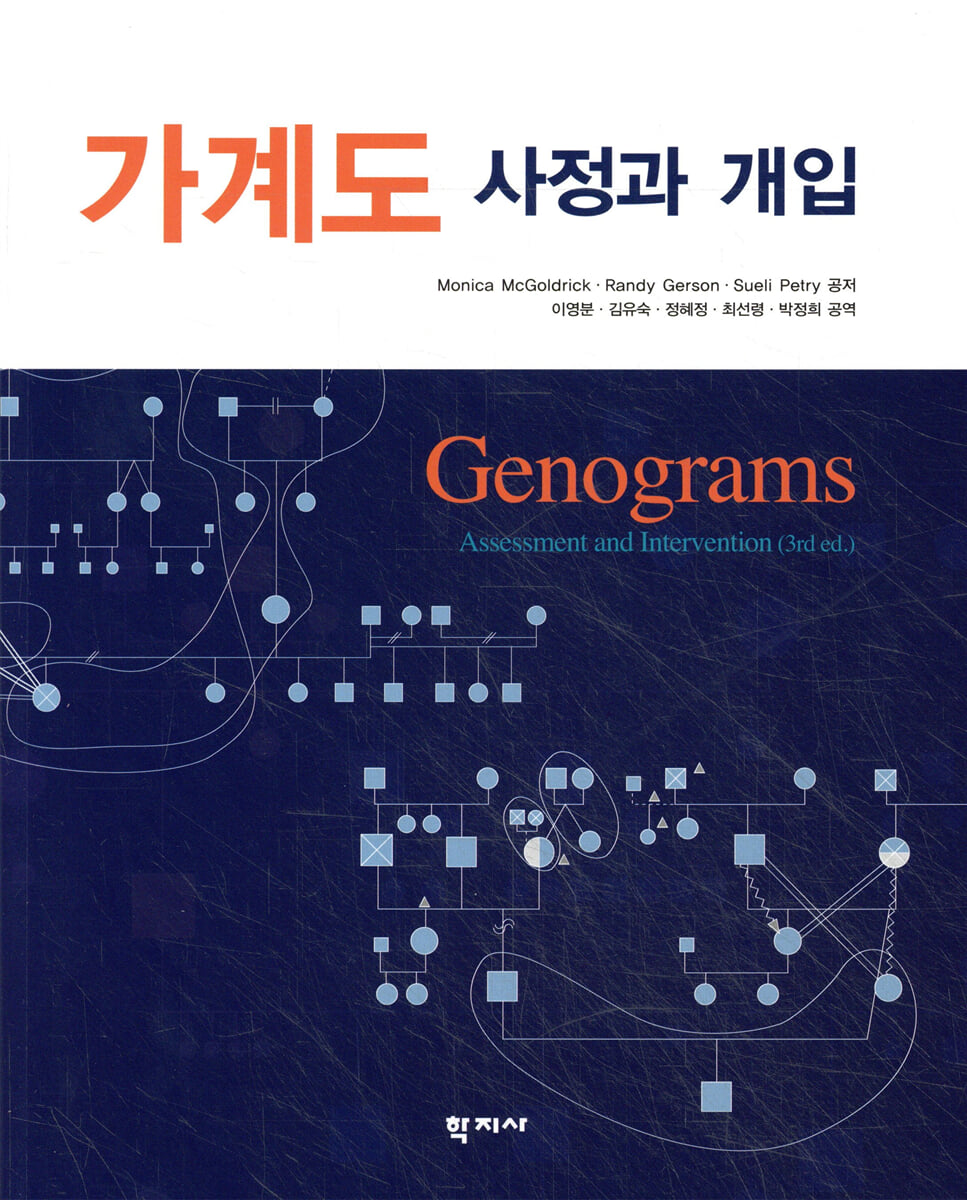
This book grew out of a long-standing interest in the clinical, research, and educational value of family trees.
Over the past 30 years, genealogy has been widely used in fields such as genetics, medicine, psychology, social work, counseling, nursing, other health care and human services fields, and even law and business.
This book deals specifically with family trees, which are being expanded and utilized for clinical interventions, such as the family play tree.
He also authoritatively covers various family types and the clinical applications of pedigrees.
Over the past 30 years, genealogy has been widely used in fields such as genetics, medicine, psychology, social work, counseling, nursing, other health care and human services fields, and even law and business.
This book deals specifically with family trees, which are being expanded and utilized for clinical interventions, such as the family play tree.
He also authoritatively covers various family types and the clinical applications of pedigrees.
index
Chapter 1: The Family Tree: Schematic Drawing of the Family System
- Family Medicine
- Family systems perspective
- Suggestion
Chapter 2: Creating a Family Tree
- Schematic diagram of family structure
- Creating a family tree for couples with multiple spouses
- Unknown information
- Exploring family patterns in a family tree
Demographic information: gathering 'facts'
- Functional pattern
- Family relationships and roles
- Adding socio-environmental factors to the family tree
- Cultural Family Tree: Race, Ethnicity, Religion, Spirituality, and Migration
- Socioeconomic status and family tree
- Religious/spiritual family tree
- Community network family tree
- Issues that are difficult to show in a family tree
Chapter 3: Interviews for Family Trees
- Family Information Network
- Questions about appeal issues and nuclear families
- Current situation
- Extension to the family context
- How to deal with family resistance when creating a family tree
- Religious and cultural history
- Potential problems in the interviewer himself
- Questions about cultural beliefs and experiences
- Sensitive questions about culture and social status
- Informal kinship network
- Exploring family processes
- Sensitive questions about individual functioning
- Determine key priorities for organizing family tree information
- Essential elements to cover in a simple genealogy interview
Chapter 4: Exploring Family Patterns Across Time and Space
- Major life events
- Family Chronicle
- A major coincidence
- Major life changes or traumatic events
- Anniversary reaction
- The position of the family in historical time: social, economic, and political events
- Complex family tree
- Complex families and consanguineous marriages: families with multiple connections
- Children raised in mixed-family homes
- Lost information
- Inconsistent information
- Ethical Family Tree
- Occupational family tree
- Academic pedigree
Chapter 5: Interpreting Family Structure
- Furniture composition
- Birth order
- Unique family patterns
- Children growing up in diverse families: foster care, adoption, and orphan experiences
Chapter 6: Family Patterns and Function Assessment
- Family structure
- Role
- Level and form of function
- Exploring elasticity
- Family resources
Chapter 7: Relationship Patterns and Triangles
- Love triangle
- Parent-child triangle
- Typical love triangle between couples
- Love triangles in divorced or remarried families
- The love triangle between foster children and adoptive families
- A multi-generational love triangle
- Relationships with people outside the family
- Love triangle over time
Chapter 8: Exploring Individuals and Families Through the Life Cycle
- Erik Erikson's life cycle
- The Freud Family Life Cycle
Chapter 9 Clinical Applications of Pedigrees
- Genealogical interview for intervention
- Handling Resistance During Genealogy Interviews
- Clarification of family patterns
- Reconstruction and treatment of family problems
- Using genealogy in treatment design
- Use your family tree to change your current relationships
- Interventions in family medicine
- Family patterns, significant events, life stresses, and cultural issues
Chapter 10 Family Play Family Tree
- Invigorate therapy using a play family tree
- Jenny's play family tree
- Things to use in family play genealogy
- Practice various family tree games
Alexis's Case: Remarriage with Child Sexual Abuse Issues
- The Noguchi Family: A Family Made Up of Foreigners
Chapter 11: Family Research Using Pedigrees
- Reliability research in family medicine
- Research on reliability in family therapy
- Research on clinical usefulness
- Use of pedigrees and ecograms in clinical practice
- Qualitative study of family trees
- Software program
- Ethical and legal limitations
supplement
- Family Medicine
- Family systems perspective
- Suggestion
Chapter 2: Creating a Family Tree
- Schematic diagram of family structure
- Creating a family tree for couples with multiple spouses
- Unknown information
- Exploring family patterns in a family tree
Demographic information: gathering 'facts'
- Functional pattern
- Family relationships and roles
- Adding socio-environmental factors to the family tree
- Cultural Family Tree: Race, Ethnicity, Religion, Spirituality, and Migration
- Socioeconomic status and family tree
- Religious/spiritual family tree
- Community network family tree
- Issues that are difficult to show in a family tree
Chapter 3: Interviews for Family Trees
- Family Information Network
- Questions about appeal issues and nuclear families
- Current situation
- Extension to the family context
- How to deal with family resistance when creating a family tree
- Religious and cultural history
- Potential problems in the interviewer himself
- Questions about cultural beliefs and experiences
- Sensitive questions about culture and social status
- Informal kinship network
- Exploring family processes
- Sensitive questions about individual functioning
- Determine key priorities for organizing family tree information
- Essential elements to cover in a simple genealogy interview
Chapter 4: Exploring Family Patterns Across Time and Space
- Major life events
- Family Chronicle
- A major coincidence
- Major life changes or traumatic events
- Anniversary reaction
- The position of the family in historical time: social, economic, and political events
- Complex family tree
- Complex families and consanguineous marriages: families with multiple connections
- Children raised in mixed-family homes
- Lost information
- Inconsistent information
- Ethical Family Tree
- Occupational family tree
- Academic pedigree
Chapter 5: Interpreting Family Structure
- Furniture composition
- Birth order
- Unique family patterns
- Children growing up in diverse families: foster care, adoption, and orphan experiences
Chapter 6: Family Patterns and Function Assessment
- Family structure
- Role
- Level and form of function
- Exploring elasticity
- Family resources
Chapter 7: Relationship Patterns and Triangles
- Love triangle
- Parent-child triangle
- Typical love triangle between couples
- Love triangles in divorced or remarried families
- The love triangle between foster children and adoptive families
- A multi-generational love triangle
- Relationships with people outside the family
- Love triangle over time
Chapter 8: Exploring Individuals and Families Through the Life Cycle
- Erik Erikson's life cycle
- The Freud Family Life Cycle
Chapter 9 Clinical Applications of Pedigrees
- Genealogical interview for intervention
- Handling Resistance During Genealogy Interviews
- Clarification of family patterns
- Reconstruction and treatment of family problems
- Using genealogy in treatment design
- Use your family tree to change your current relationships
- Interventions in family medicine
- Family patterns, significant events, life stresses, and cultural issues
Chapter 10 Family Play Family Tree
- Invigorate therapy using a play family tree
- Jenny's play family tree
- Things to use in family play genealogy
- Practice various family tree games
Alexis's Case: Remarriage with Child Sexual Abuse Issues
- The Noguchi Family: A Family Made Up of Foreigners
Chapter 11: Family Research Using Pedigrees
- Reliability research in family medicine
- Research on reliability in family therapy
- Research on clinical usefulness
- Use of pedigrees and ecograms in clinical practice
- Qualitative study of family trees
- Software program
- Ethical and legal limitations
supplement
GOODS SPECIFICS
- Date of issue: January 25, 2011
- Format: Hardcover book binding method guide
- Page count, weight, size: 448 pages | 1,102g | 188*254*30mm
- ISBN13: 9788963305516
- ISBN10: 8963305511
You may also like
카테고리
korean


korean

![GQ KOREA Mark (Monthly): December [2025]](http://librairie.coreenne.fr/cdn/shop/files/8ef265dbbfbf186523ed75ba7319009d.jpg?v=1765340328&width=3840)


