

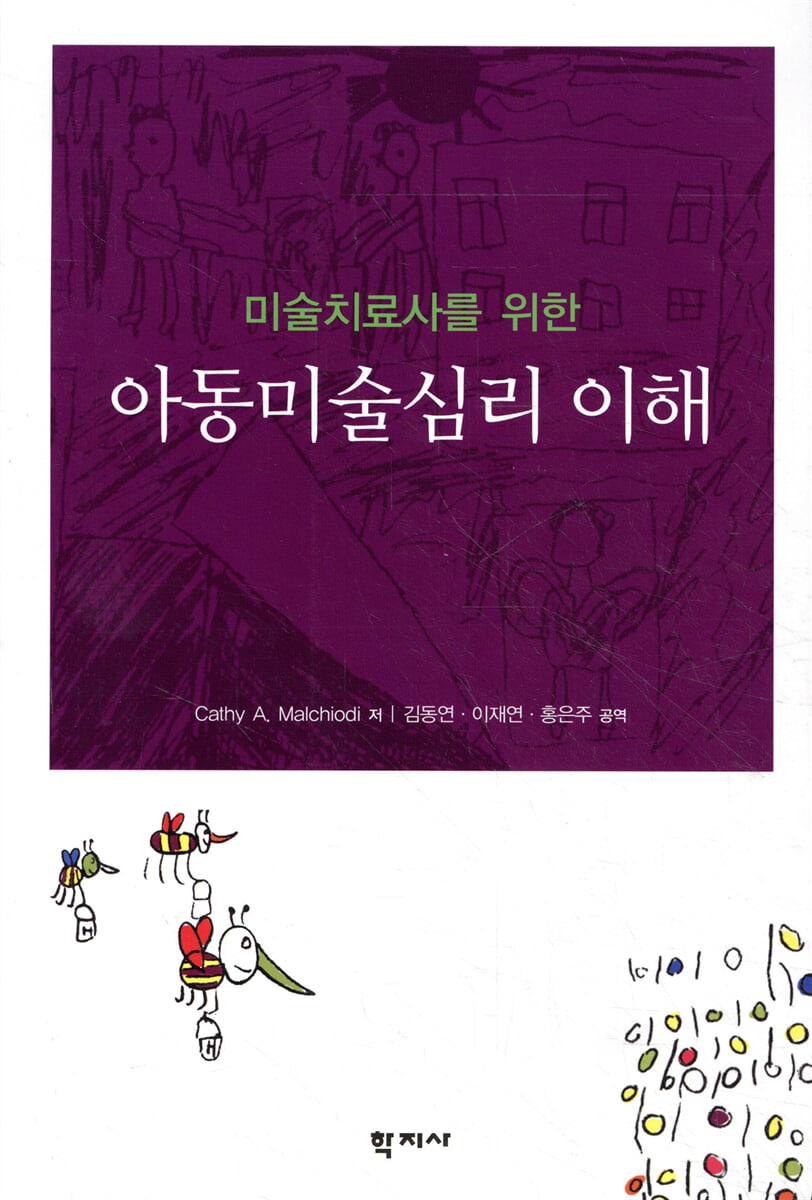
Understanding Children's Art Psychology
 |
Description
Book Introduction
『Understanding Children's Art Psychology』 is a book that explains the purpose and method of 'art therapy', which seeks to understand the human mind by expressing it through the art genre of art, and at the same time, heal it through a counseling process.
In particular, this book provides an overview of the multifaceted aspects of children's art through the author's experience and informs readers on how to deal with children and their drawings.
It is structured to make it easy to understand the therapist's role by providing guidelines on how the therapist should ask questions and when to answer during the process of drawing a picture or the therapist's ability to mediate with a child.
In particular, this book provides an overview of the multifaceted aspects of children's art through the author's experience and informs readers on how to deal with children and their drawings.
It is structured to make it easy to understand the therapist's role by providing guidelines on how the therapist should ask questions and when to answer during the process of drawing a picture or the therapist's ability to mediate with a child.
index
Translator's Preface
Author's Preface
Recommendation
Chapter 1: Historical Perspectives on Children's Drawings
Projective Tests: Drawing as a Tool for Assessing Intelligence and Personality
A multidimensional approach to understanding children's drawings
conclusion
Chapter 2 Contents of Children's Drawings
What Motivations Are Hidden in Children's Drawings?
Painting as a process
The Importance of Art Materials
The importance of the environment
Children's Drawings and the Therapeutic Relationship
A Phenomenological Approach to Understanding Children's Drawings
conclusion
Chapter 3: Child Psychotherapy through Drawing
Painting as a narrative
Therapists' Beliefs About Children's Drawings and Their Use in Therapy
The therapist's role in the drawing process
Is conversation really necessary?
Understanding the drawing and painting process
Resistance to drawing
Reactions to sexual and violent content in children's drawings
conclusion
Chapter 4 Developmental Aspects of Children's Drawings
Developmental stages of children's drawings
The developmental importance of children's drawings
Drawing as a tool for measuring creativity and intelligence
Excellent drawing skills
conclusion
Chapter 5: Emotional Aspects of Children's Drawings
Drawing as a diagnostic and therapeutic tool
The complexity of emotional content in children's drawings
childhood depression
Projective drawing tests, drawing assessments, and depression
The Importance of Topic and Content in Depression Assessment
trauma
Exposure to child abuse and domestic and social violence
sexual abuse
Harry disorder
disaster experience
The ability to overcome adversity and trauma
conclusion
Chapter 6: Interpersonal Aspects of Children's Drawings
Familyization of children
Pictures of family members
House drawing and relational aspects
Relationship with the therapist
Pictures of children and achievements
conclusion
Chapter 7: Physical and Spiritual Aspects of Children's Drawings
Physical conditions expressed in children's drawings
Color and body condition
Children's beliefs and drawings about illness
Special Considerations When Treating Children with Physical Illnesses and Disabilities
The Spiritual Aspects of Children's Drawings
Children's Representations of Terminal Illness and Death
Concrete expressions of spirituality and religion
conclusion
Chapter 8 Ethical Considerations for Children's Drawings
Confidentiality and Exhibition of Children's Drawings
ownership
safety
Storage of paintings
The Use of Projection Images and Ethical Issues
Legal Relationships with Children's Drawings During Treatment
conclusion
References
Search
Author's Preface
Recommendation
Chapter 1: Historical Perspectives on Children's Drawings
Projective Tests: Drawing as a Tool for Assessing Intelligence and Personality
A multidimensional approach to understanding children's drawings
conclusion
Chapter 2 Contents of Children's Drawings
What Motivations Are Hidden in Children's Drawings?
Painting as a process
The Importance of Art Materials
The importance of the environment
Children's Drawings and the Therapeutic Relationship
A Phenomenological Approach to Understanding Children's Drawings
conclusion
Chapter 3: Child Psychotherapy through Drawing
Painting as a narrative
Therapists' Beliefs About Children's Drawings and Their Use in Therapy
The therapist's role in the drawing process
Is conversation really necessary?
Understanding the drawing and painting process
Resistance to drawing
Reactions to sexual and violent content in children's drawings
conclusion
Chapter 4 Developmental Aspects of Children's Drawings
Developmental stages of children's drawings
The developmental importance of children's drawings
Drawing as a tool for measuring creativity and intelligence
Excellent drawing skills
conclusion
Chapter 5: Emotional Aspects of Children's Drawings
Drawing as a diagnostic and therapeutic tool
The complexity of emotional content in children's drawings
childhood depression
Projective drawing tests, drawing assessments, and depression
The Importance of Topic and Content in Depression Assessment
trauma
Exposure to child abuse and domestic and social violence
sexual abuse
Harry disorder
disaster experience
The ability to overcome adversity and trauma
conclusion
Chapter 6: Interpersonal Aspects of Children's Drawings
Familyization of children
Pictures of family members
House drawing and relational aspects
Relationship with the therapist
Pictures of children and achievements
conclusion
Chapter 7: Physical and Spiritual Aspects of Children's Drawings
Physical conditions expressed in children's drawings
Color and body condition
Children's beliefs and drawings about illness
Special Considerations When Treating Children with Physical Illnesses and Disabilities
The Spiritual Aspects of Children's Drawings
Children's Representations of Terminal Illness and Death
Concrete expressions of spirituality and religion
conclusion
Chapter 8 Ethical Considerations for Children's Drawings
Confidentiality and Exhibition of Children's Drawings
ownership
safety
Storage of paintings
The Use of Projection Images and Ethical Issues
Legal Relationships with Children's Drawings During Treatment
conclusion
References
Search
GOODS SPECIFICS
- Date of issue: September 10, 2010
- Page count, weight, size: 365 pages | 546g | 153*224*30mm
- ISBN13: 9788963305165
- ISBN10: 8963305163
You may also like
카테고리
korean


korean

![ELLE 엘르 스페셜 에디션 A형 : 12월 [2025]](http://librairie.coreenne.fr/cdn/shop/files/b8e27a3de6c9538896439686c6b0e8fb.jpg?v=1766436872&width=3840)


