

Truth: Views of Philosophy
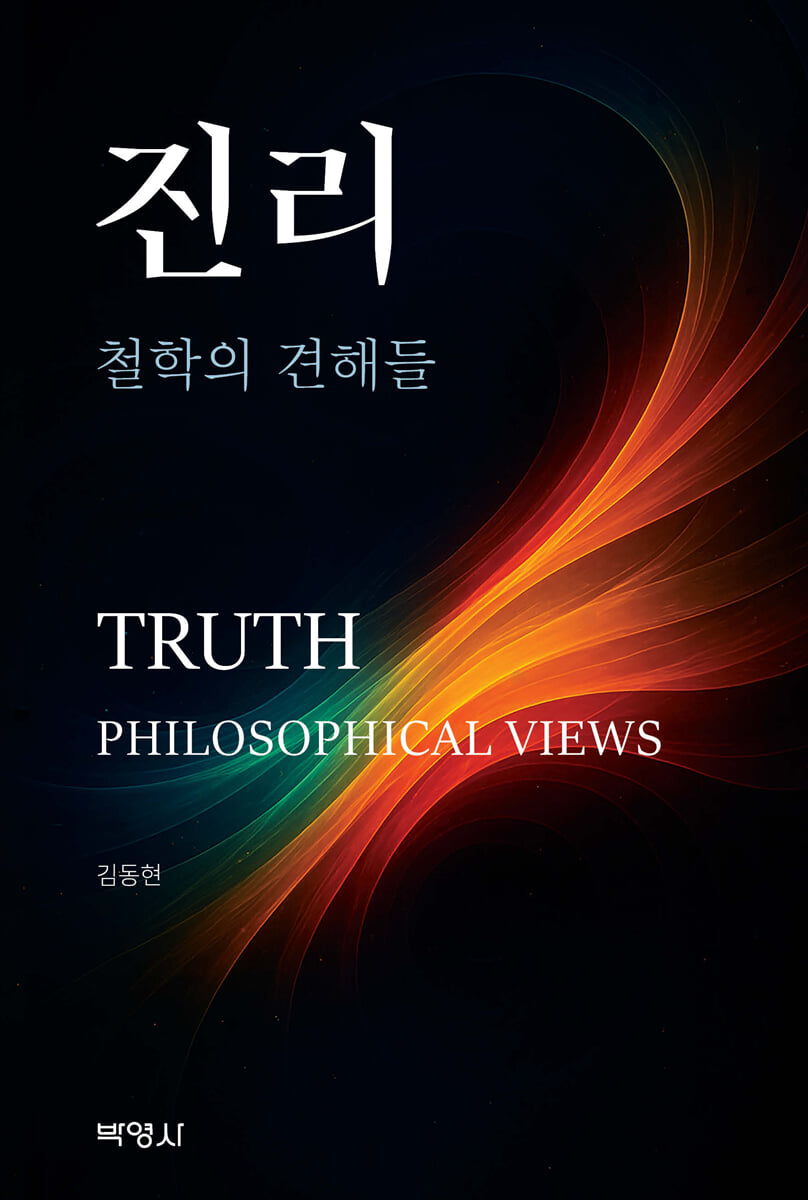 |
Description
Book Introduction
This book aims to organize the theory of truth by topic and period and to provide a general overview of its flow and issues.
The reason I decided to write a book was because I felt the need to organize the research results I had accumulated to date into a clear and concise structure to serve as a foundation for future research.
Additionally, I hoped that it would serve as a useful reference for future generations of scholars studying related topics in undergraduate or graduate school.
Most of the topics covered in this book have already been covered in papers I have published.
However, as I continued my research, I realized that I had made mistakes or had unclear descriptions in my previously published papers, and I was determined to correct and supplement them someday.
The description of the presented paper also had many shortcomings in terms of readability.
Academic papers are often written in an unfriendly manner because they assume that their readers are fellow researchers who are experts in the same field.
During the paper revision process, I was so busy reflecting on the advice of fellow researchers and making up for any shortcomings that I often ended up writing in a disjointed and unsatisfactory manner.
Another reason I wrote this book was the regret I felt that I needed to improve my writing.
The reason I decided to write a book was because I felt the need to organize the research results I had accumulated to date into a clear and concise structure to serve as a foundation for future research.
Additionally, I hoped that it would serve as a useful reference for future generations of scholars studying related topics in undergraduate or graduate school.
Most of the topics covered in this book have already been covered in papers I have published.
However, as I continued my research, I realized that I had made mistakes or had unclear descriptions in my previously published papers, and I was determined to correct and supplement them someday.
The description of the presented paper also had many shortcomings in terms of readability.
Academic papers are often written in an unfriendly manner because they assume that their readers are fellow researchers who are experts in the same field.
During the paper revision process, I was so busy reflecting on the advice of fellow researchers and making up for any shortcomings that I often ended up writing in a disjointed and unsatisfactory manner.
Another reason I wrote this book was the regret I felt that I needed to improve my writing.
index
Preface ⅰ
Chapter 1 Preliminary Discussion 1
1.1 Everyday Expressions and Philosophical Terms · 3
1.2 Truth and Truth ································································································ 9
1.3 The Concept of Truth and Truth Properties ································································ 12
1.4 Truth Bearers ·················································································· 14
1.5 'Caution' and 'Theory' ················································································· 19
Chapter 2: Traditional Discussion 23
2.1 Truth in Ancient Greece: Aristotle ·········································· 25
2.2 Medieval Truth: Thomas Aquinas ····················································· 38
2.3 Truth after Modernity: Continental Philosophy ·················································································· 46
Chapter 3: The Development of Modern Debate 49
3.1 Correspondence Theory of Truth ································································································· 50
3.2 Coherence Theory of Truth ······························································································· 66
3.3 Pragmatic Theory of Truth ······································································································ 76
3.4 Ordinary Language and Truth: Austin and Strawson ········································ 88
3.5 Semantic Definitions ·············································································· 95
3.6 Primal Truth ································································································ 101
Chapter 4: The Development of Modern Debate 111
4.1 Deflationism of Truth ······································· 113
4.2 Alethic Pluralism ················································ 146
4.3 Identity Theory of Truth ···················································· 200
Chapter 5 Applications 229
5.1 Truth and Life ··················································································· 231
5.2 Post-Truth: More Than Lies ································································ 238
5.3 Superstition: True or False Doesn't Matter ················································· 249
5.4 Democracy: Are Majority Beliefs True? ············································· 257
Chapter 6: Evaluation and Outlook 261
Chapter 7: Thinking More 269
Reference 277
Search 292
Chapter 1 Preliminary Discussion 1
1.1 Everyday Expressions and Philosophical Terms · 3
1.2 Truth and Truth ································································································ 9
1.3 The Concept of Truth and Truth Properties ································································ 12
1.4 Truth Bearers ·················································································· 14
1.5 'Caution' and 'Theory' ················································································· 19
Chapter 2: Traditional Discussion 23
2.1 Truth in Ancient Greece: Aristotle ·········································· 25
2.2 Medieval Truth: Thomas Aquinas ····················································· 38
2.3 Truth after Modernity: Continental Philosophy ·················································································· 46
Chapter 3: The Development of Modern Debate 49
3.1 Correspondence Theory of Truth ································································································· 50
3.2 Coherence Theory of Truth ······························································································· 66
3.3 Pragmatic Theory of Truth ······································································································ 76
3.4 Ordinary Language and Truth: Austin and Strawson ········································ 88
3.5 Semantic Definitions ·············································································· 95
3.6 Primal Truth ································································································ 101
Chapter 4: The Development of Modern Debate 111
4.1 Deflationism of Truth ······································· 113
4.2 Alethic Pluralism ················································ 146
4.3 Identity Theory of Truth ···················································· 200
Chapter 5 Applications 229
5.1 Truth and Life ··················································································· 231
5.2 Post-Truth: More Than Lies ································································ 238
5.3 Superstition: True or False Doesn't Matter ················································· 249
5.4 Democracy: Are Majority Beliefs True? ············································· 257
Chapter 6: Evaluation and Outlook 261
Chapter 7: Thinking More 269
Reference 277
Search 292
Publisher's Review
This book aims to organize the theory of truth by topic and period and to provide a general overview of its flow and issues.
The reason I decided to write a book was because I felt the need to systematize the research results I had accumulated to date in a clear and concise manner and use them as a foundation for future research.
Additionally, I hoped that it would serve as a useful reference for future generations of scholars studying related topics in undergraduate or graduate school.
Most of the topics covered in this book have already been covered in papers I have published.
However, as I continued my research, I realized that I had made mistakes or had unclear descriptions in my previously published papers, and I was determined to correct and supplement them someday.
The description of the presented paper also had many shortcomings in terms of readability.
Academic papers are often written in an unfriendly manner because they assume that their readers are fellow researchers who are experts in the same field.
During the paper revision process, I was so busy reflecting on the advice of fellow researchers and making up for any shortcomings that I often ended up writing in a disjointed and unsatisfactory manner.
Another reason I wrote this book was the regret I felt that I needed to improve my writing.
There are already many good books that broadly and deeply examine the theory of truth, but most of them are original books published overseas.
Some of the original books have been translated into Korean with excellent results, but it seems that inevitably, when translating a text written in another language into Korean, the book becomes difficult to read.
To my shame, my Korean language skills are poor, but I tried my best to write sentences in a way that befits a book written in Korean by a Korean philosopher whose native language is Korean.
And I tried to maintain a perspective that views and understands the problems of the theory of truth from the perspective of Korean users.
I don't know how readers will perceive it, but I want to say that that was the intention.
Despite the depth and breadth of their scholarship, Korean analytic philosophers are generally very cautious about publishing books.
Because of academic integrity and rigor.
If I, a writer with a severe lack of education, try to defend myself for publishing a book so rashly, it is because I believe that for future researchers interested in this topic, having a book like this is at least a little comforting, rather than starting from scratch.
The writings of philosophers with such depth of thought are difficult for later generations to keep up with.
In comparison, I harbor a glimmer of hope that my humble perspective might be more appropriate as the first step on the daunting ladder that beginners must climb.
However, secondary literature is in some ways like processed food.
The reason processed foods are bad for you is because the nutrients in the raw ingredients are destroyed and various additives such as preservatives, seasonings, and colorings are added during the processing.
Since this book is a processed food, it is best to directly consume the raw ingredients listed in the references.
Yet, the reason we need processed foods is because of their convenience.
Processed foods, which we eat occasionally when we don't have time to cook, are definitely convenient.
Doctors say that processed foods are not very harmful to your health as long as you don't eat too many of them.
I hope this book can be used for that purpose.
I have been undergoing the examination for my doctorate since I received it in 2010.
Of course, that doesn't mean it's actually true, I'm just saying that I feel that way.
The more I study, the more I realize that rather than knowing more, I am actually finding more things I don't know.
The same cycle of writing, showing, correcting, being pointed out, correcting again, and then later discovering mistakes I made in the past and feeling ashamed and regretting them has remained unchanged even in 2025.
The only difference is that the person teaching me has changed from my advisor to anonymous reviewers of academic journals.
That is why I cannot list all the names of people, along with the phrase “I am grateful to” that always appears in the preface of a book.
The countless people who have carefully read the academic papers I have submitted and provided sharp and detailed criticism are all 'anonymous'.
Some people even scolded me so harshly that I almost cried.
I would like to express my gratitude to all the 'anonymous' scholars in academia who still teach, scold, and help me.
Each and every one of their scoldings has helped me grow into the writer I am today.
There is one exception.
This is Professor Jeong In-gyo, my advisor.
It is my honor to be able to clearly identify you as the person to whom I owe my greatest gratitude.
Everyone says we need philosophy, but unfortunately the market for in-depth philosophy books is very small.
I would like to express my sincere gratitude to Park Young-sa for their decision and consideration in readily allowing the publication of this book despite its limited market potential.
I would also like to express my deepest gratitude to everyone at Korea National University of Transport, where I work, for helping me navigate the tedious administrative procedures leading up to the publication of this book.
- September 2025, Kim Dong-hyun
The reason I decided to write a book was because I felt the need to systematize the research results I had accumulated to date in a clear and concise manner and use them as a foundation for future research.
Additionally, I hoped that it would serve as a useful reference for future generations of scholars studying related topics in undergraduate or graduate school.
Most of the topics covered in this book have already been covered in papers I have published.
However, as I continued my research, I realized that I had made mistakes or had unclear descriptions in my previously published papers, and I was determined to correct and supplement them someday.
The description of the presented paper also had many shortcomings in terms of readability.
Academic papers are often written in an unfriendly manner because they assume that their readers are fellow researchers who are experts in the same field.
During the paper revision process, I was so busy reflecting on the advice of fellow researchers and making up for any shortcomings that I often ended up writing in a disjointed and unsatisfactory manner.
Another reason I wrote this book was the regret I felt that I needed to improve my writing.
There are already many good books that broadly and deeply examine the theory of truth, but most of them are original books published overseas.
Some of the original books have been translated into Korean with excellent results, but it seems that inevitably, when translating a text written in another language into Korean, the book becomes difficult to read.
To my shame, my Korean language skills are poor, but I tried my best to write sentences in a way that befits a book written in Korean by a Korean philosopher whose native language is Korean.
And I tried to maintain a perspective that views and understands the problems of the theory of truth from the perspective of Korean users.
I don't know how readers will perceive it, but I want to say that that was the intention.
Despite the depth and breadth of their scholarship, Korean analytic philosophers are generally very cautious about publishing books.
Because of academic integrity and rigor.
If I, a writer with a severe lack of education, try to defend myself for publishing a book so rashly, it is because I believe that for future researchers interested in this topic, having a book like this is at least a little comforting, rather than starting from scratch.
The writings of philosophers with such depth of thought are difficult for later generations to keep up with.
In comparison, I harbor a glimmer of hope that my humble perspective might be more appropriate as the first step on the daunting ladder that beginners must climb.
However, secondary literature is in some ways like processed food.
The reason processed foods are bad for you is because the nutrients in the raw ingredients are destroyed and various additives such as preservatives, seasonings, and colorings are added during the processing.
Since this book is a processed food, it is best to directly consume the raw ingredients listed in the references.
Yet, the reason we need processed foods is because of their convenience.
Processed foods, which we eat occasionally when we don't have time to cook, are definitely convenient.
Doctors say that processed foods are not very harmful to your health as long as you don't eat too many of them.
I hope this book can be used for that purpose.
I have been undergoing the examination for my doctorate since I received it in 2010.
Of course, that doesn't mean it's actually true, I'm just saying that I feel that way.
The more I study, the more I realize that rather than knowing more, I am actually finding more things I don't know.
The same cycle of writing, showing, correcting, being pointed out, correcting again, and then later discovering mistakes I made in the past and feeling ashamed and regretting them has remained unchanged even in 2025.
The only difference is that the person teaching me has changed from my advisor to anonymous reviewers of academic journals.
That is why I cannot list all the names of people, along with the phrase “I am grateful to” that always appears in the preface of a book.
The countless people who have carefully read the academic papers I have submitted and provided sharp and detailed criticism are all 'anonymous'.
Some people even scolded me so harshly that I almost cried.
I would like to express my gratitude to all the 'anonymous' scholars in academia who still teach, scold, and help me.
Each and every one of their scoldings has helped me grow into the writer I am today.
There is one exception.
This is Professor Jeong In-gyo, my advisor.
It is my honor to be able to clearly identify you as the person to whom I owe my greatest gratitude.
Everyone says we need philosophy, but unfortunately the market for in-depth philosophy books is very small.
I would like to express my sincere gratitude to Park Young-sa for their decision and consideration in readily allowing the publication of this book despite its limited market potential.
I would also like to express my deepest gratitude to everyone at Korea National University of Transport, where I work, for helping me navigate the tedious administrative procedures leading up to the publication of this book.
- September 2025, Kim Dong-hyun
GOODS SPECIFICS
- Date of issue: September 10, 2025
- Page count, weight, size: 312 pages | 153*224*30mm
- ISBN13: 9791130323619
- ISBN10: 1130323617
You may also like
카테고리
korean


korean

![GQ KOREA Mark (Monthly): December [2025]](http://librairie.coreenne.fr/cdn/shop/files/8ef265dbbfbf186523ed75ba7319009d.jpg?v=1765340328&width=3840)


