

Communicating with people with dementia
 |
Description
Book Introduction
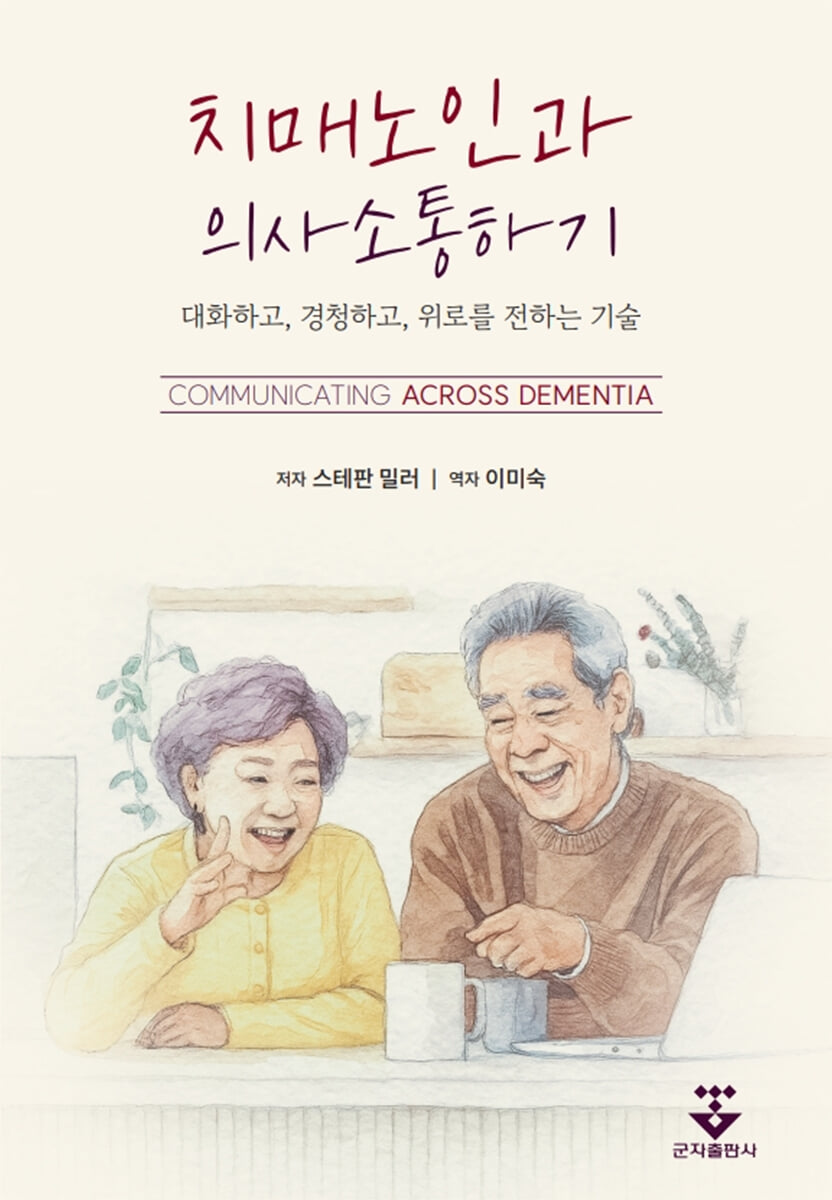
Language and nonverbal changes caused by dementia make even everyday communication difficult.
This book helps us understand the communication characteristics and resulting difficulties of elderly people with dementia, and presents practical conversation strategies and methods for creating a helpful environment.
This is a practical guide designed for immediate use by nurses, caregivers, and families.
This book helps us understand the communication characteristics and resulting difficulties of elderly people with dementia, and presents practical conversation strategies and methods for creating a helpful environment.
This is a practical guide designed for immediate use by nurses, caregivers, and families.
- You can preview some of the book's contents.
Preview
index
1 Introduction
dementia of the past
change
Thinking about roles
Key Points
2 The Key Role of Memory in Communication
Impact and progression of dementia
Three stages of dementia
3. Creating an environment optimized for communication
ear
time
physical problems
alcohol
indoor space
Daily life
Equipment and Technology
post
Unwanted calls and visits
Choosing the optimal time for communication
Preparing for going out and appointments
Expand your support network
4 Speaking and Conversation
Conversation with dementia patients
Preparing for conversation
Things to keep in mind when talking
5 Language and Vocabulary
General Guidelines for Understanding
Ask a question
Conversation problems
Meeting and parting
Choose a conversation topic
6 Nonverbal Communication
smile
The pitch and tone of the voice
weeping
abnormal behavior
Sweating and muscle tension
Posture, Body Language, and Personal Space
fragrance
music
negative messages
Gestures, mime, sign language, and facial expressions
clothes
physical contact
7 Activities, Dementia, Communication
Core of the Activity: Communication
desirable activities
support group
8 Activity Cases
Latest technology
music
Reading and writing
Pet care
Housework activities
wingding
outing
9 Memory and Communication Support Tools
Photos, Notices, and Signs
Memory and conversation aids
10. Dealing with Problem Situations
Asking the same question over and over again
Find the item
Driving
Tell the truth
Anxiety and aggressive behavior
inexplicable behavior
Inappropriate behavior
prowl
Twilight Syndrome
bilingual users
11 Wills, Powers of Attorney, Advance Medical Directives, and Personal Wishes
Will
warrant
Advance Medical Directive
Personal Wishes
12 nursing homes
Transition support
conclusion
Sources and Acknowledgements
Useful websites
References
index
dementia of the past
change
Thinking about roles
Key Points
2 The Key Role of Memory in Communication
Impact and progression of dementia
Three stages of dementia
3. Creating an environment optimized for communication
ear
time
physical problems
alcohol
indoor space
Daily life
Equipment and Technology
post
Unwanted calls and visits
Choosing the optimal time for communication
Preparing for going out and appointments
Expand your support network
4 Speaking and Conversation
Conversation with dementia patients
Preparing for conversation
Things to keep in mind when talking
5 Language and Vocabulary
General Guidelines for Understanding
Ask a question
Conversation problems
Meeting and parting
Choose a conversation topic
6 Nonverbal Communication
smile
The pitch and tone of the voice
weeping
abnormal behavior
Sweating and muscle tension
Posture, Body Language, and Personal Space
fragrance
music
negative messages
Gestures, mime, sign language, and facial expressions
clothes
physical contact
7 Activities, Dementia, Communication
Core of the Activity: Communication
desirable activities
support group
8 Activity Cases
Latest technology
music
Reading and writing
Pet care
Housework activities
wingding
outing
9 Memory and Communication Support Tools
Photos, Notices, and Signs
Memory and conversation aids
10. Dealing with Problem Situations
Asking the same question over and over again
Find the item
Driving
Tell the truth
Anxiety and aggressive behavior
inexplicable behavior
Inappropriate behavior
prowl
Twilight Syndrome
bilingual users
11 Wills, Powers of Attorney, Advance Medical Directives, and Personal Wishes
Will
warrant
Advance Medical Directive
Personal Wishes
12 nursing homes
Transition support
conclusion
Sources and Acknowledgements
Useful websites
References
index
Detailed image

Publisher's Review
Dementia goes beyond simple memory loss and causes widespread changes in emotional expression, language comprehension, and behavior.
In particular, communication difficulties often place an emotional and physical burden on people with dementia and their caregivers, including their family members, medical staff, and caregivers.
This book explains, based on scientific evidence, how the communication skills of elderly people with dementia change, and introduces appropriate conversation methods and interaction strategies according to the stage of change.
It also covers a wide range of topics, including understanding not only verbal expressions but also nonverbal cues, environmental composition, and complex emotions, making it a practical guide that can be applied immediately in the field.
For nurses and caregivers working in the field of care, caregivers of family members with dementia, and related educators, this book will provide practical help and serve as a guide that encourages reflection on how to connect more warmly with them.
In particular, communication difficulties often place an emotional and physical burden on people with dementia and their caregivers, including their family members, medical staff, and caregivers.
This book explains, based on scientific evidence, how the communication skills of elderly people with dementia change, and introduces appropriate conversation methods and interaction strategies according to the stage of change.
It also covers a wide range of topics, including understanding not only verbal expressions but also nonverbal cues, environmental composition, and complex emotions, making it a practical guide that can be applied immediately in the field.
For nurses and caregivers working in the field of care, caregivers of family members with dementia, and related educators, this book will provide practical help and serve as a guide that encourages reflection on how to connect more warmly with them.
GOODS SPECIFICS
- Date of issue: August 13, 2025
- Page count, weight, size: 188 pages | 150*225*20mm
- ISBN13: 9791170682837
You may also like
카테고리
korean


korean

![GQ KOREA Mark (Monthly): December [2025]](http://librairie.coreenne.fr/cdn/shop/files/8ef265dbbfbf186523ed75ba7319009d.jpg?v=1765340328&width=3840)


