

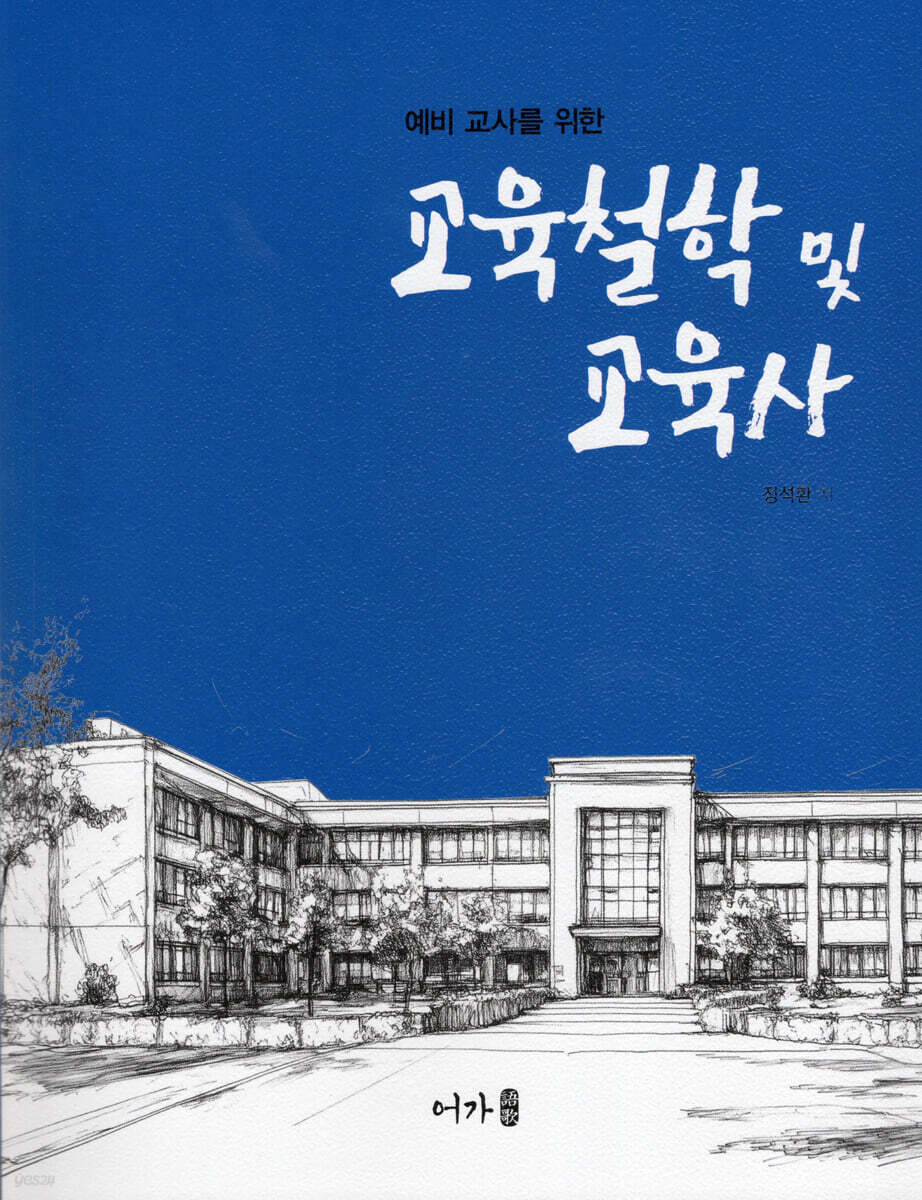
Educational Philosophy and History for Prospective Teachers
 |
Description
Book Introduction
Philosophy of Education and History of Education are required courses for teacher training, encompassing the fundamental logic and thinking of education. The term "philosophy of education and history of education" has a similar meaning to the term "history of educational thought."
This means that the philosophy and history of education contain the history of deep thinking and reflection on education.
Reflecting the nature of these educational philosophies and educational ideas, this book seeks to explain the facts related to education that have unfolded throughout human history and the methods of thinking that interpret those facts.
This means that the philosophy and history of education contain the history of deep thinking and reflection on education.
Reflecting the nature of these educational philosophies and educational ideas, this book seeks to explain the facts related to education that have unfolded throughout human history and the methods of thinking that interpret those facts.
index
Part 1: The History of Western Education
Chapter 1 Education in Greece and Rome
Ⅰ.
outline
Ⅱ.
Greek and Roman education
1.
Education in Greece
1) Characteristics of the Greek era
2) Education in the Greek era
3) Education in Athens and Sparta
4) Educational thinkers of the Greek era
2.
Roman education
1) Characteristics of the Roman era
2) Education during the republican and imperial periods
3) Educational stages in the Roman era
4) Roman era educational thinkers
Ⅲ.
The historical significance of education in the Greek and Roman eras
Chapter 2 Education in the Middle Ages
Ⅰ.
outline
Ⅱ.
Medieval education
1.
Features of the Middle Ages
1) Medieval and Catholic
2) Middle Ages and Feudalism
3) Changes in medieval society
2.
Medieval education
1) Characteristics of medieval education
2) Religious education in the Middle Ages
3) Secular education in the Middle Ages
3.
Medieval educational thinkers
1) Charlemagne
2) Thomas Aquinas
3) 12th century intellectual group
Ⅲ.
The educational significance of the Middle Ages
Chapter 3 Education in the Renaissance and Reformation
Ⅰ.
outline
Ⅱ.
Education during the Renaissance and Reformation
1.
Education in the Renaissance
1) Characteristics of the Renaissance period
2) Characteristics of Renaissance education
2.
Education during the Reformation
1) Background of the Reformation
2) Characteristics of education during the Reformation
3.
Education during the Counter-Reformation
1) Organization of the Society of Jesus
2) Jesuit education
Ⅲ.
The educational significance of the Renaissance and Reformation
Chapter 4: Education in the Age of Silhak and the Enlightenment
Ⅰ.
outline
Ⅱ.
Education in the Age of Silhak and Enlightenment
1.
Education in the Silhak era
1) Characteristics of Silhak education
2) Educational thinkers of the Silhak era
2.
Education of the Enlightenment
1) Characteristics of Enlightenment thought
2) Rousseau
Ⅲ.
The educational significance of Silhakism and the Age of Enlightenment
Chapter 5: Education in the Age of Neo-Humanism and Nationalism
Ⅰ.
outline
Ⅱ.
Education in the Age of Neo-Humanism and Nationalism
1.
Education in the Age of Neo-Humanism
1) Characteristics of Neo-Humanism
2) Education of new humanism
3) Educational thinkers in the era of neo-humanism
2.
Education in the Age of Nationalism
1) Ideological background of nationalist education
2) Nationalism's educational view
Ⅲ.
The historical significance of education in the era of neo-humanism and nationalism
Chapter 6 Modern Education
Ⅰ.
outline
Ⅱ.
Modern education
1.
Characteristics of modern education
1) New education movement
2) Scientific education
2.
Modern educational thinker
1) Dewey
2) Montessori
3) Piaget
4) Vygotsky
Ⅲ.
The historical significance of modern education
Part 2: History of Korean Education
Chapter 1 Education in Ancient Times and the Three Kingdoms Period
Ⅰ.
outline
Ⅱ.
Education in ancient times and the Three Kingdoms period
1.
Ancient education
1) Characteristics of ancient society
2) Characteristics of ancient education
3) Dangun myth and education
2.
Education in the Three Kingdoms Period
1) Goguryeo's education
2) Baekje's education
3) Silla's education
Ⅲ.
The historical significance of education in ancient times and the Three Kingdoms period
Chapter 2 Education in Unified Silla and Goryeo
Ⅰ.
outline
Ⅱ.
Education in Unified Silla and Goryeo
1.
Education in Unified Silla
1) National studies
2) Those who graduated from the third class of reading
3) Students studying abroad
4) Buddhist monks studying Buddhism
5) Wonhyo and education
2.
Education in Goryeo
1) National Academy of Sciences
2) Past system
3) Obuhakdang
4) The Twelve Paths of the Four Schools
5) Hyanggyo
6) Seodang
7) Buddhism and Education
Ⅲ.
The educational significance of Unified Silla and Goryeo
Chapter 3 Joseon's Education System
Ⅰ.
outline
Ⅱ.
Joseon's education system
1.
Joseon's educational institutions
1) Sungkyunkwan: government school
2) Sabuhakdang: Government school
3) Hyanggyo: Government school
4) Seowon: Private school
5) Seodang
2.
Joseon's talent recruitment system
1) Past system
2) General education system
Ⅲ.
The historical significance of the Joseon education system
Chapter 4: Joseon's Educational Thought
Ⅰ.
outline
Ⅱ.
Joseon's educational philosophy and thinkers
1.
Joseon's educational philosophy
1) Neo-Confucianism and education
2) Donghak and education
2.
Joseon's educational thinker
1) Lee Hwang
2) Expected victory
3) Lee Lee
4) Breakfast
5) Jeong Yak-yong / 247
Ⅲ.
The historical significance of Joseon's educational system and ideology
Chapter 5 Modern and Contemporary Education
Ⅰ.
outline
Ⅱ.
Modern and contemporary education
1.
Education in the late Joseon Dynasty
1) State-led education
2) Missionary-led education
3) Education led by national pioneers
2.
Education during the Japanese colonial period
1) Education during the first Joseon Education Ordinance
2) Education during the Second Joseon Education Ordinance
3) Education during the 3rd and 4th Joseon Education Ordinances
3.
Bang Jeong-hwan's educational philosophy
1) Theoretical Background / 265
2) The educational significance of Bang Jeong-hwan's educational philosophy
4.
Modern education
Ⅲ.
The historical significance of modern and contemporary education
Part 2: History of Korean Education
Chapter 1: Concepts of Educational Philosophy
Ⅰ.
outline
Ⅱ.
Education and Philosophy
1.
The concept of philosophy
2.
The realm of philosophy
1) Ontology
2) Epistemology
3) Value theory
3.
Philosophy and Educational Philosophy
Ⅲ.
educational philosophy
1.
The concept of educational philosophy
2.
Functions of educational philosophy
1) Analytical function
2) Evaluative function
3) Speculative function
4) Comprehensive functions
3.
Knowledge theory and education
1) Types of knowledge
2) Knowledge seeking method
4.
Value theory and education
1) The educational necessity of value theory
2) Educational application of value theory
Chapter 2: Basic Theories of Educational Philosophy
Ⅰ.
Traditional philosophy and education
1.
Idealism and Education
1) Philosophical background of idealism
2) Education of idealism
2.
Realism and Education
1) Philosophical background of realism
2) Education of realism
3.
Empiricism and Education
1) Philosophical background of empiricism
2) Education of empiricism
Ⅱ.
Foundations of Modern Educational Philosophy
1.
Progressive educational philosophy
1) Overview of Progressive Educational Philosophy
2) Principles of progressive educational philosophy
3) Problems with progressive educational philosophy
2.
Essentialist educational philosophy
1) Overview of essentialist educational philosophy
2) Principles of essentialist educational philosophy
3) Problems with essentialist educational philosophy
3.
existentialist educational philosophy
1) Overview of the existentialist educational philosophy
2) Principles of existentialist educational philosophy
3) Problems with the existentialist educational philosophy
4.
Reconstructionist educational philosophy
1) Overview of Reconstructionist Educational Philosophy
2) Principles of Reconstructionist educational philosophy
3) Problems with Reconstructionist educational philosophy
Chapter 3: Modern Philosophy of Education
Ⅰ.
outline
Ⅱ.
Existentialism and Educational Philosophy
1.
Understanding Existentialism
2.
existentialist view of education
Ⅲ.
Analytical Philosophy and Philosophy of Education
1.
Understanding Analytical Philosophy
1) Logical positivism
2) Ordinary language school
2.
The educational perspective of analytic philosophy
3.
Limitations of Analytical Educational Philosophy
Ⅳ.
Postmodernism and Educational Philosophy
1.
Understanding Postmodernism
2.
Postmodern educational thinkers
1) Lyotard
2) Roti
V.
Feminism and educational philosophy
1.
Understanding Feminism
1) Development of feminism
2) Distinction of feminism
2.
Feminist educational view
Ⅵ.
Ecology and Educational Philosophy
1.
Background of ecological educational philosophy
1) Ideological background
2) Ecological Children's Center
2.
Ecological educational philosophy
1) Characteristics of ecological educational philosophy
2) Educational purpose
3) Education content
4) Teaching method
5) Teacher theory
References
Search
Chapter 1 Education in Greece and Rome
Ⅰ.
outline
Ⅱ.
Greek and Roman education
1.
Education in Greece
1) Characteristics of the Greek era
2) Education in the Greek era
3) Education in Athens and Sparta
4) Educational thinkers of the Greek era
2.
Roman education
1) Characteristics of the Roman era
2) Education during the republican and imperial periods
3) Educational stages in the Roman era
4) Roman era educational thinkers
Ⅲ.
The historical significance of education in the Greek and Roman eras
Chapter 2 Education in the Middle Ages
Ⅰ.
outline
Ⅱ.
Medieval education
1.
Features of the Middle Ages
1) Medieval and Catholic
2) Middle Ages and Feudalism
3) Changes in medieval society
2.
Medieval education
1) Characteristics of medieval education
2) Religious education in the Middle Ages
3) Secular education in the Middle Ages
3.
Medieval educational thinkers
1) Charlemagne
2) Thomas Aquinas
3) 12th century intellectual group
Ⅲ.
The educational significance of the Middle Ages
Chapter 3 Education in the Renaissance and Reformation
Ⅰ.
outline
Ⅱ.
Education during the Renaissance and Reformation
1.
Education in the Renaissance
1) Characteristics of the Renaissance period
2) Characteristics of Renaissance education
2.
Education during the Reformation
1) Background of the Reformation
2) Characteristics of education during the Reformation
3.
Education during the Counter-Reformation
1) Organization of the Society of Jesus
2) Jesuit education
Ⅲ.
The educational significance of the Renaissance and Reformation
Chapter 4: Education in the Age of Silhak and the Enlightenment
Ⅰ.
outline
Ⅱ.
Education in the Age of Silhak and Enlightenment
1.
Education in the Silhak era
1) Characteristics of Silhak education
2) Educational thinkers of the Silhak era
2.
Education of the Enlightenment
1) Characteristics of Enlightenment thought
2) Rousseau
Ⅲ.
The educational significance of Silhakism and the Age of Enlightenment
Chapter 5: Education in the Age of Neo-Humanism and Nationalism
Ⅰ.
outline
Ⅱ.
Education in the Age of Neo-Humanism and Nationalism
1.
Education in the Age of Neo-Humanism
1) Characteristics of Neo-Humanism
2) Education of new humanism
3) Educational thinkers in the era of neo-humanism
2.
Education in the Age of Nationalism
1) Ideological background of nationalist education
2) Nationalism's educational view
Ⅲ.
The historical significance of education in the era of neo-humanism and nationalism
Chapter 6 Modern Education
Ⅰ.
outline
Ⅱ.
Modern education
1.
Characteristics of modern education
1) New education movement
2) Scientific education
2.
Modern educational thinker
1) Dewey
2) Montessori
3) Piaget
4) Vygotsky
Ⅲ.
The historical significance of modern education
Part 2: History of Korean Education
Chapter 1 Education in Ancient Times and the Three Kingdoms Period
Ⅰ.
outline
Ⅱ.
Education in ancient times and the Three Kingdoms period
1.
Ancient education
1) Characteristics of ancient society
2) Characteristics of ancient education
3) Dangun myth and education
2.
Education in the Three Kingdoms Period
1) Goguryeo's education
2) Baekje's education
3) Silla's education
Ⅲ.
The historical significance of education in ancient times and the Three Kingdoms period
Chapter 2 Education in Unified Silla and Goryeo
Ⅰ.
outline
Ⅱ.
Education in Unified Silla and Goryeo
1.
Education in Unified Silla
1) National studies
2) Those who graduated from the third class of reading
3) Students studying abroad
4) Buddhist monks studying Buddhism
5) Wonhyo and education
2.
Education in Goryeo
1) National Academy of Sciences
2) Past system
3) Obuhakdang
4) The Twelve Paths of the Four Schools
5) Hyanggyo
6) Seodang
7) Buddhism and Education
Ⅲ.
The educational significance of Unified Silla and Goryeo
Chapter 3 Joseon's Education System
Ⅰ.
outline
Ⅱ.
Joseon's education system
1.
Joseon's educational institutions
1) Sungkyunkwan: government school
2) Sabuhakdang: Government school
3) Hyanggyo: Government school
4) Seowon: Private school
5) Seodang
2.
Joseon's talent recruitment system
1) Past system
2) General education system
Ⅲ.
The historical significance of the Joseon education system
Chapter 4: Joseon's Educational Thought
Ⅰ.
outline
Ⅱ.
Joseon's educational philosophy and thinkers
1.
Joseon's educational philosophy
1) Neo-Confucianism and education
2) Donghak and education
2.
Joseon's educational thinker
1) Lee Hwang
2) Expected victory
3) Lee Lee
4) Breakfast
5) Jeong Yak-yong / 247
Ⅲ.
The historical significance of Joseon's educational system and ideology
Chapter 5 Modern and Contemporary Education
Ⅰ.
outline
Ⅱ.
Modern and contemporary education
1.
Education in the late Joseon Dynasty
1) State-led education
2) Missionary-led education
3) Education led by national pioneers
2.
Education during the Japanese colonial period
1) Education during the first Joseon Education Ordinance
2) Education during the Second Joseon Education Ordinance
3) Education during the 3rd and 4th Joseon Education Ordinances
3.
Bang Jeong-hwan's educational philosophy
1) Theoretical Background / 265
2) The educational significance of Bang Jeong-hwan's educational philosophy
4.
Modern education
Ⅲ.
The historical significance of modern and contemporary education
Part 2: History of Korean Education
Chapter 1: Concepts of Educational Philosophy
Ⅰ.
outline
Ⅱ.
Education and Philosophy
1.
The concept of philosophy
2.
The realm of philosophy
1) Ontology
2) Epistemology
3) Value theory
3.
Philosophy and Educational Philosophy
Ⅲ.
educational philosophy
1.
The concept of educational philosophy
2.
Functions of educational philosophy
1) Analytical function
2) Evaluative function
3) Speculative function
4) Comprehensive functions
3.
Knowledge theory and education
1) Types of knowledge
2) Knowledge seeking method
4.
Value theory and education
1) The educational necessity of value theory
2) Educational application of value theory
Chapter 2: Basic Theories of Educational Philosophy
Ⅰ.
Traditional philosophy and education
1.
Idealism and Education
1) Philosophical background of idealism
2) Education of idealism
2.
Realism and Education
1) Philosophical background of realism
2) Education of realism
3.
Empiricism and Education
1) Philosophical background of empiricism
2) Education of empiricism
Ⅱ.
Foundations of Modern Educational Philosophy
1.
Progressive educational philosophy
1) Overview of Progressive Educational Philosophy
2) Principles of progressive educational philosophy
3) Problems with progressive educational philosophy
2.
Essentialist educational philosophy
1) Overview of essentialist educational philosophy
2) Principles of essentialist educational philosophy
3) Problems with essentialist educational philosophy
3.
existentialist educational philosophy
1) Overview of the existentialist educational philosophy
2) Principles of existentialist educational philosophy
3) Problems with the existentialist educational philosophy
4.
Reconstructionist educational philosophy
1) Overview of Reconstructionist Educational Philosophy
2) Principles of Reconstructionist educational philosophy
3) Problems with Reconstructionist educational philosophy
Chapter 3: Modern Philosophy of Education
Ⅰ.
outline
Ⅱ.
Existentialism and Educational Philosophy
1.
Understanding Existentialism
2.
existentialist view of education
Ⅲ.
Analytical Philosophy and Philosophy of Education
1.
Understanding Analytical Philosophy
1) Logical positivism
2) Ordinary language school
2.
The educational perspective of analytic philosophy
3.
Limitations of Analytical Educational Philosophy
Ⅳ.
Postmodernism and Educational Philosophy
1.
Understanding Postmodernism
2.
Postmodern educational thinkers
1) Lyotard
2) Roti
V.
Feminism and educational philosophy
1.
Understanding Feminism
1) Development of feminism
2) Distinction of feminism
2.
Feminist educational view
Ⅵ.
Ecology and Educational Philosophy
1.
Background of ecological educational philosophy
1) Ideological background
2) Ecological Children's Center
2.
Ecological educational philosophy
1) Characteristics of ecological educational philosophy
2) Educational purpose
3) Education content
4) Teaching method
5) Teacher theory
References
Search
Publisher's Review
Philosophy of Education and History of Education are required courses for teacher training, encompassing the fundamental logic and thinking of education. The term "philosophy of education and history of education" has a similar meaning to the term "history of educational thought."
This means that the philosophy and history of education contain the history of deep thinking and reflection on education.
Reflecting the nature of these educational philosophies and educational ideas, this book seeks to explain the facts related to education that have unfolded throughout human history and the methods of thinking that interpret those facts.
The Ministry of Education's Teacher Qualification Examination Practice Manual states that the philosophy of education and the history of education will be a subject of teaching theory, and that it will 'emphasize the philosophical and historical foundations of education, especially the history and philosophy of education related to our country.'
Among the various majors offered by universities, teaching is a field that operates with a special purpose.
The purpose of writing this book is to provide a theoretical foundation for establishing a clear and firm teaching philosophy for aspiring teachers who aspire to become true teachers.
In my opinion, most readers of this book will be students who dream of becoming teachers or people working in an education-related field.
Of all the disciplines in the world, preparing to become a teacher is the only one where both teacher and student share the same job.
'Teaching and Learning Together' I send my respect and admiration to all the professors who are working hard to develop good teachers in the field of teaching and to the prospective teachers who are seriously considering how to become good teachers.
This means that the philosophy and history of education contain the history of deep thinking and reflection on education.
Reflecting the nature of these educational philosophies and educational ideas, this book seeks to explain the facts related to education that have unfolded throughout human history and the methods of thinking that interpret those facts.
The Ministry of Education's Teacher Qualification Examination Practice Manual states that the philosophy of education and the history of education will be a subject of teaching theory, and that it will 'emphasize the philosophical and historical foundations of education, especially the history and philosophy of education related to our country.'
Among the various majors offered by universities, teaching is a field that operates with a special purpose.
The purpose of writing this book is to provide a theoretical foundation for establishing a clear and firm teaching philosophy for aspiring teachers who aspire to become true teachers.
In my opinion, most readers of this book will be students who dream of becoming teachers or people working in an education-related field.
Of all the disciplines in the world, preparing to become a teacher is the only one where both teacher and student share the same job.
'Teaching and Learning Together' I send my respect and admiration to all the professors who are working hard to develop good teachers in the field of teaching and to the prospective teachers who are seriously considering how to become good teachers.
GOODS SPECIFICS
- Date of issue: July 11, 2025
- Page count, weight, size: 364 pages | 177*240*30mm
- ISBN13: 9791170751779
- ISBN10: 1170751776
You may also like
카테고리
korean


korean

![ELLE 엘르 스페셜 에디션 A형 : 12월 [2025]](http://librairie.coreenne.fr/cdn/shop/files/b8e27a3de6c9538896439686c6b0e8fb.jpg?v=1766436872&width=3840)


