

Let's read it!
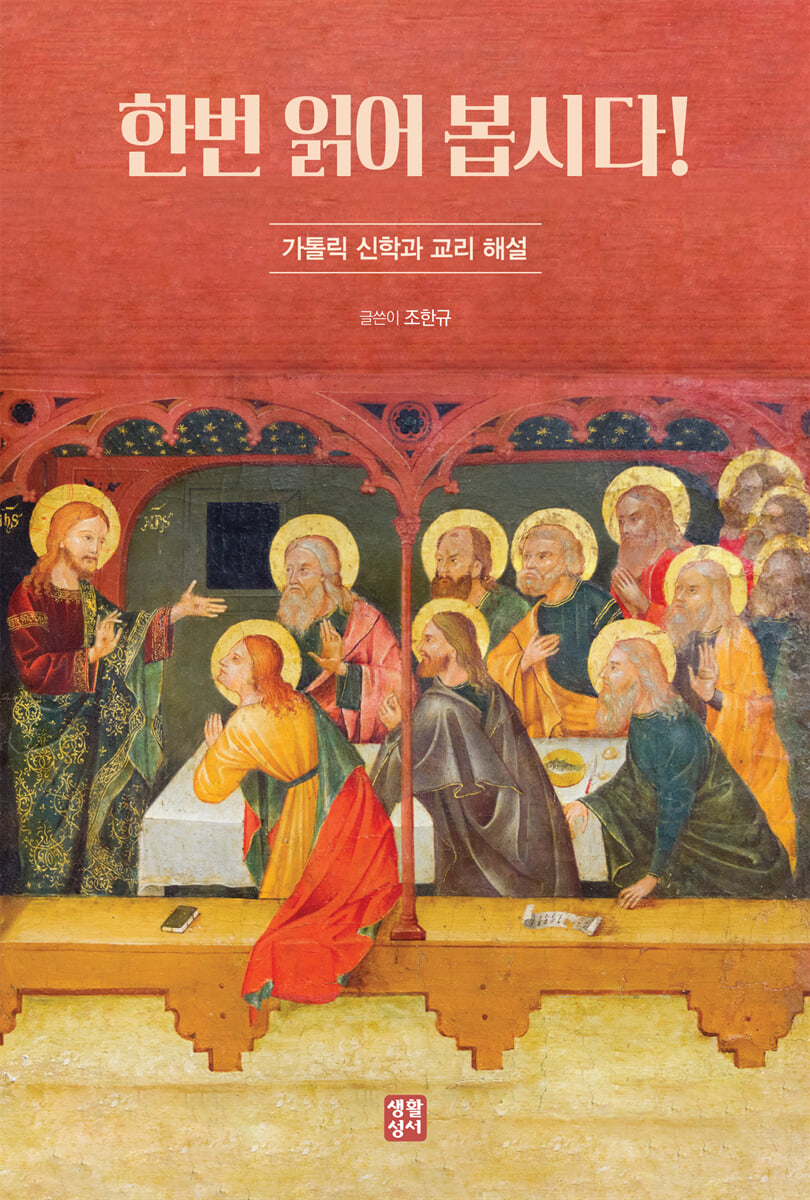 |
Description
Book Introduction
Encountering the life and teachings of Jesus
The core of Catholic theology and doctrine!
"Let's Read It! - A Commentary on Catholic Theology and Doctrine" is a guidebook for learning the most important and fundamental theology and doctrine, focusing on Jesus Christ, the center and source of the Catholic faith.
This book, written by a priest and theologian who has taught seminarians for a long time, is written in an easy-to-understand way so that it can be used not only for re-education of parishioners but also for introduction to theology. It serves as a companion and guide in faith that leads one to love God more deeply by knowing Him more deeply, and further, to live as a mature believer.
The core of Catholic theology and doctrine!
"Let's Read It! - A Commentary on Catholic Theology and Doctrine" is a guidebook for learning the most important and fundamental theology and doctrine, focusing on Jesus Christ, the center and source of the Catholic faith.
This book, written by a priest and theologian who has taught seminarians for a long time, is written in an easy-to-understand way so that it can be used not only for re-education of parishioners but also for introduction to theology. It serves as a companion and guide in faith that leads one to love God more deeply by knowing Him more deeply, and further, to live as a mature believer.
- You can preview some of the book's contents.
Preview
index
Introduction
Chapter 1 The Birth of Jesus
01 God - Creator, One God, Almighty
02 Old Testament 1 - Election and Covenant
03 Old Testament 2 - The Relationship Between the Old and New Testaments
04 The Last Figures of the Old Testament - Zechariah, Elizabeth, and John the Baptist
05 The Birth of Jesus - “Born of the Virgin Mary by the Holy Spirit”
06 Virgin Mary - Faith and Obedience
This is a must! - What is the Bible?
Chapter 2: Jesus' Public Life
01 Jesus' Childhood and Saint Joseph
02 Wilderness - “Do not lead us into temptation”
03 The First Miracle of Cana and the Purification of the Temple
04 Calling - Disciples, Christians, Priests and Religious
05 The Core Message of the Gospel - The Kingdom of God and Eternal Life
06 Who is Jesus?
This is a must! - The core of faith, the creed
Chapter 3: Jesus' Teachings
01 The Eight True Happinesses - The Eight True Blessings
02 New Commandment - Love of God and Love of Neighbor
03 The Greatest Love - The Difficulty of Forgiveness
04 Mary, Martha, and Lazarus - “They have chosen the good part.” (Luke 10:38-42)
05 The Parable of the Prodigal Son (Luke 15:11-32)
06 The Parable of the Rich Man and Lazarus (Luke 16:19-31)
This is a must! - Are liturgies absolutely necessary for faith?
Chapter 4: The Passion and Death of Jesus
01 Did the Eucharist begin at the Last Supper?
02 The Relationship Between the Last Supper and the Jewish Passover Supper
03 Jesus, Judas, and Peter
04 Why did Jesus have to shed blood and die on the cross?
05 “This is your mother.” (John 19:27)
06 Holy Saturday Theology - "He went to Hades and returned on the third day"
This is a must! - “Does confession really erase sins?”
Chapter 5 The Resurrection of Jesus
01 Evidence of the Resurrection - The Empty Tomb and the Disciples' Testimony
02 The First Witness of the Resurrection - Mary Magdalene
03 Resurrection and the Disciples - 'Following Christ' (Imitatio Christi)
04 Acts of the Apostles - The Beginning of the Church and Paul
05 The Beginning of Christianity - Jesus is Christ!
06 Formation of the Doctrine of the Trinity
This is a must! - “What is theology, and how do we distinguish between them?”
Chapter 6: After the Ascension of Jesus - The Holy Spirit and the Church
01 “The Holy Spirit, the Lord and Giver of Life”
02 The Grace and Fruit of the Holy Spirit
03 Pauline Letters and Catholic Letters
04 The Relationship Between the Catholic Church and Private Revelation
05 The End and Eschatology
06 Anonymous Christians and the Need for the Church
This is a must! - Is faith really necessary for us?
Chapter 1 The Birth of Jesus
01 God - Creator, One God, Almighty
02 Old Testament 1 - Election and Covenant
03 Old Testament 2 - The Relationship Between the Old and New Testaments
04 The Last Figures of the Old Testament - Zechariah, Elizabeth, and John the Baptist
05 The Birth of Jesus - “Born of the Virgin Mary by the Holy Spirit”
06 Virgin Mary - Faith and Obedience
This is a must! - What is the Bible?
Chapter 2: Jesus' Public Life
01 Jesus' Childhood and Saint Joseph
02 Wilderness - “Do not lead us into temptation”
03 The First Miracle of Cana and the Purification of the Temple
04 Calling - Disciples, Christians, Priests and Religious
05 The Core Message of the Gospel - The Kingdom of God and Eternal Life
06 Who is Jesus?
This is a must! - The core of faith, the creed
Chapter 3: Jesus' Teachings
01 The Eight True Happinesses - The Eight True Blessings
02 New Commandment - Love of God and Love of Neighbor
03 The Greatest Love - The Difficulty of Forgiveness
04 Mary, Martha, and Lazarus - “They have chosen the good part.” (Luke 10:38-42)
05 The Parable of the Prodigal Son (Luke 15:11-32)
06 The Parable of the Rich Man and Lazarus (Luke 16:19-31)
This is a must! - Are liturgies absolutely necessary for faith?
Chapter 4: The Passion and Death of Jesus
01 Did the Eucharist begin at the Last Supper?
02 The Relationship Between the Last Supper and the Jewish Passover Supper
03 Jesus, Judas, and Peter
04 Why did Jesus have to shed blood and die on the cross?
05 “This is your mother.” (John 19:27)
06 Holy Saturday Theology - "He went to Hades and returned on the third day"
This is a must! - “Does confession really erase sins?”
Chapter 5 The Resurrection of Jesus
01 Evidence of the Resurrection - The Empty Tomb and the Disciples' Testimony
02 The First Witness of the Resurrection - Mary Magdalene
03 Resurrection and the Disciples - 'Following Christ' (Imitatio Christi)
04 Acts of the Apostles - The Beginning of the Church and Paul
05 The Beginning of Christianity - Jesus is Christ!
06 Formation of the Doctrine of the Trinity
This is a must! - “What is theology, and how do we distinguish between them?”
Chapter 6: After the Ascension of Jesus - The Holy Spirit and the Church
01 “The Holy Spirit, the Lord and Giver of Life”
02 The Grace and Fruit of the Holy Spirit
03 Pauline Letters and Catholic Letters
04 The Relationship Between the Catholic Church and Private Revelation
05 The End and Eschatology
06 Anonymous Christians and the Need for the Church
This is a must! - Is faith really necessary for us?
Into the book
Just as Jesus prayed on the night before his Passion, faith is to accept and follow God's word and God's will, even if we cannot fully understand it.
--- p.45-46 From “Chapter 1: The Birth of Jesus”
The Word of God, entrusted to the apostles by Christ and the Holy Spirit, was transmitted through the Church to the apostles' successors. These successors, that is, the Magisterium, illuminated by the Holy Spirit, faithfully preserve the Word, correctly explain it, and spread it throughout the world.
To summarize, 'the center of Christianity = the Word of God = Jesus Christ', and we come to know and believe in Jesus Christ through the Bible and temple of the church.
--- p.53 From “Chapter 1: The Birth of Jesus”
In the New Testament, the Greek word for 'sin' is 'hamartia?μαρτ?α'.
This word means failing to hit the target.
In other words, being in a state of sin or sin as the Bible speaks of means failing to hit the target of the life they should live, or not living properly.
Because humans are imperfect, they are prone to sin.
So, we should not sin, and we should try to sin less.
--- p.69 From “Chapter 2: Jesus’ Public Life”
All Christians are called and chosen by God.
We must live as people who have received a calling and mission.
If someone lives like the world's common people—angry, greedy, and selfish—and thus lacks any sense of Christ, how can they be called Christians? A Christian is someone who strives to be like Jesus Christ, someone who lives by keeping His life and words in their minds and hearts.
--- p.80 From “Chapter 2: Jesus’ Public Life”
All who are baptized participate in the threefold ministry: priestly, prophetic, and kingly.
Here, kingship means service to God, as Christ demonstrated.
The church and Christians are beings who serve the world and humanity, like Jesus and because of Jesus.
A life without service is not a Christian life.
Serving Christ means helping to bring His kingdom to life on earth.
--- p.93 From “Chapter 2: Jesus’ Public Life”
An ethical life frees us from desire and boredom.
An active form of ethical life can be said to be religious life.
If our relationship with God is the core of the religious life, then the teachings of Christ, which are at the core of that relationship, are the decisive teachings on happiness.
--- p.105 From “Chapter 3 Jesus’ Teachings”
Death on the cross and resurrection are interconnected.
The Mass and the Eucharist are what most deeply reveal the grace of salvation given through the death of Christ and the possibility of resurrection opened up by that grace.
The Eucharist, the Body of Christ, is the channel of real grace that breathes life beyond death into us.
Through the body of Christ, we can be united with God and attain salvation.
The Church and Christians live by the Eucharist.
--- p.148 From “Chapter 4: The Passion and Death of Jesus”
The process of resurrection is unknown, but the reason is known.
It is the salvation of mankind.
God planned the salvation of mankind and showed the way and method through Jesus.
For Jesus, who was with God, death was not the end, and he was ultimately resurrected.
--- p.191 From “Chapter 5 The Resurrection of Jesus”
The place where we can most directly confirm the presence and activity of the Holy Spirit is in the life and words of Jesus Christ.
And that is consistent with the teachings of the Church.
Therefore, the methods and standards for discerning the presence and activity of the Holy Spirit are the Old and New Testaments and the teachings of the Church.
--- p.241 From “Chapter 6 After the Ascension of Jesus - The Holy Spirit and the Church”
Between knowing God (reason) and loving God (faith), loving God is more important.
Nevertheless, the reason we must know God well is to love Him better and to believe in Him better.
--- p.45-46 From “Chapter 1: The Birth of Jesus”
The Word of God, entrusted to the apostles by Christ and the Holy Spirit, was transmitted through the Church to the apostles' successors. These successors, that is, the Magisterium, illuminated by the Holy Spirit, faithfully preserve the Word, correctly explain it, and spread it throughout the world.
To summarize, 'the center of Christianity = the Word of God = Jesus Christ', and we come to know and believe in Jesus Christ through the Bible and temple of the church.
--- p.53 From “Chapter 1: The Birth of Jesus”
In the New Testament, the Greek word for 'sin' is 'hamartia?μαρτ?α'.
This word means failing to hit the target.
In other words, being in a state of sin or sin as the Bible speaks of means failing to hit the target of the life they should live, or not living properly.
Because humans are imperfect, they are prone to sin.
So, we should not sin, and we should try to sin less.
--- p.69 From “Chapter 2: Jesus’ Public Life”
All Christians are called and chosen by God.
We must live as people who have received a calling and mission.
If someone lives like the world's common people—angry, greedy, and selfish—and thus lacks any sense of Christ, how can they be called Christians? A Christian is someone who strives to be like Jesus Christ, someone who lives by keeping His life and words in their minds and hearts.
--- p.80 From “Chapter 2: Jesus’ Public Life”
All who are baptized participate in the threefold ministry: priestly, prophetic, and kingly.
Here, kingship means service to God, as Christ demonstrated.
The church and Christians are beings who serve the world and humanity, like Jesus and because of Jesus.
A life without service is not a Christian life.
Serving Christ means helping to bring His kingdom to life on earth.
--- p.93 From “Chapter 2: Jesus’ Public Life”
An ethical life frees us from desire and boredom.
An active form of ethical life can be said to be religious life.
If our relationship with God is the core of the religious life, then the teachings of Christ, which are at the core of that relationship, are the decisive teachings on happiness.
--- p.105 From “Chapter 3 Jesus’ Teachings”
Death on the cross and resurrection are interconnected.
The Mass and the Eucharist are what most deeply reveal the grace of salvation given through the death of Christ and the possibility of resurrection opened up by that grace.
The Eucharist, the Body of Christ, is the channel of real grace that breathes life beyond death into us.
Through the body of Christ, we can be united with God and attain salvation.
The Church and Christians live by the Eucharist.
--- p.148 From “Chapter 4: The Passion and Death of Jesus”
The process of resurrection is unknown, but the reason is known.
It is the salvation of mankind.
God planned the salvation of mankind and showed the way and method through Jesus.
For Jesus, who was with God, death was not the end, and he was ultimately resurrected.
--- p.191 From “Chapter 5 The Resurrection of Jesus”
The place where we can most directly confirm the presence and activity of the Holy Spirit is in the life and words of Jesus Christ.
And that is consistent with the teachings of the Church.
Therefore, the methods and standards for discerning the presence and activity of the Holy Spirit are the Old and New Testaments and the teachings of the Church.
--- p.241 From “Chapter 6 After the Ascension of Jesus - The Holy Spirit and the Church”
Between knowing God (reason) and loving God (faith), loving God is more important.
Nevertheless, the reason we must know God well is to love Him better and to believe in Him better.
--- p.272 From “Chapter 6 After the Ascension of Jesus - The Holy Spirit and the Church”
Publisher's Review
If you want to love God
Don't be afraid, just give it a read!
If you look at theology and doctrine alone, they feel somewhat rigid and difficult.
If you diligently attend Mass every week and consistently engage in good deeds and service, is it really necessary to have a thorough understanding of the doctrine? "Let's Read It! - A Commentary on Catholic Theology and Doctrine" answers this question:
Between knowing God (reason) and loving God (faith), loving God is more important.
Nevertheless, the reason we must know God well is to love Him better and to believe in Him better.
-Page 272
The better you know God, the better you can trust Him.
In particular, the most basic doctrines are something that believers must know.
If you confess, "I believe!" without being able to explain what you believe, can that be considered a complete confession of faith?
"Let's Read It! - A Commentary on Catholic Theology and Doctrine" is a book that thoroughly and easily explains the fundamental and core contents of Catholic theology and doctrine.
This book will serve as a helpful guide for those who have been baptized and are practicing their faith but feel they lack knowledge of theology and doctrine, as well as for those who wish to learn more about Catholicism.
Learning centered on Jesus Christ
The core of the Catholic faith
"Let's Read It! - A Commentary on Catholic Theology and Doctrine" is divided into six chapters, each titled after Jesus' birth, public life, teachings, passion and death, resurrection, and ascension.
Just looking at this, one might wonder at first whether it really contains the core of Catholic theology and doctrine.
It is easy to think that it would be more natural to explain it using titles such as ‘Sacraments of the Catholic Church’ or ‘Catholic Liturgy’.
But if you think about it, this is a natural configuration.
Because everything in the Christian faith comes from Christ.
Jesus, the Son of God and God himself, the Word of God who became man, has revealed all the answers to God and all the answers to humanity.
This book is a record of the words and deeds of Jesus.
-'Introductory remarks'
This book goes beyond simply skimming the events of Jesus recorded in the Gospels. It faithfully covers each and every important point the Catholic Church teaches about Jesus, the answer to both God and humanity, and everything in the world.
Salvation history, from the doctrine of the Trinity
Even the church's teachings that you must know!
A brief overview of the contents of each chapter is as follows.
In Chapter 1, 'The Birth of Jesus,' we learn about the covenant before and after the birth of Jesus, that is, the history of salvation that runs through the Old and New Testaments.
It also naturally leads to a deeper understanding of the Catholic Church's doctrines, such as Jesus Christ, who is both true man and true God, and the conception by the Holy Spirit.
Chapter 2, "The Public Life of Jesus," tells the story of Jesus' first miracle, his activities during his public life, including the cleansing of the temple, as well as those who were called by the Lord, including the apostles, priests, and all Christians.
We examine who Jesus is and what kind of person a Christian who follows Him is and should be.
Chapter 3, “The Teachings of Jesus,” covers the true happiness Jesus taught, the new commandment, the story of Martha, Mary, and Lazarus, and the famous parables.
Beyond simple interpretation, we can learn what these widely known words teach us today, and understand the true meaning and value of prayer, love, forgiveness, and hope.
Chapter 4, 'The Passion and Death of Jesus', explains in detail the meaning of the Holy Trinity, the most important day of the year, the Eucharist, and the cross that forgave our sins.
Chapter 5, “The Resurrection of Jesus,” deals with the resurrection, a trans-historical event, and the beginning of Christianity, namely, Jesus’ establishment of the church.
It also explains the mystery of the Trinity, which is considered one of the most difficult Christian doctrines to understand, in as easy a way as possible.
Chapter 6, “After the Ascension of Jesus – The Holy Spirit and the Church,” examines how the church established by Jesus developed and emphasizes the importance and necessity of the church that has been inherited in this way.
It also deals with what kind of grace the Holy Spirit gives and the end of the world.
And at the end of each chapter, the "Must-Know!" section clearly summarizes the teachings of the Church that believers are most curious about, that are essential for their religious life, and that they must know, including the Bible, the Creed, liturgy, confession, theology, and faith.
Knowledge into life,
The Way to Get Closer to God
"Let's Read It! - An Exposition of Catholic Theology and Doctrine" is written in an easy-to-understand manner that makes it suitable as a textbook for re-educating believers at the parish level, but it also provides sufficient depth to be used in an "Introduction to Theology" course at a theological seminary.
Furthermore, based on Catholic theology, doctrine, and faith, it presents the standards of morality and ethics essential to human life, and reminds believers of the proper attitude as the light and salt of the world and as instruments of salvation.
In doing so, this book invites readers to come closer to Him by knowing Him and discovering the life He wants for us.
Don't be afraid, just give it a read!
If you look at theology and doctrine alone, they feel somewhat rigid and difficult.
If you diligently attend Mass every week and consistently engage in good deeds and service, is it really necessary to have a thorough understanding of the doctrine? "Let's Read It! - A Commentary on Catholic Theology and Doctrine" answers this question:
Between knowing God (reason) and loving God (faith), loving God is more important.
Nevertheless, the reason we must know God well is to love Him better and to believe in Him better.
-Page 272
The better you know God, the better you can trust Him.
In particular, the most basic doctrines are something that believers must know.
If you confess, "I believe!" without being able to explain what you believe, can that be considered a complete confession of faith?
"Let's Read It! - A Commentary on Catholic Theology and Doctrine" is a book that thoroughly and easily explains the fundamental and core contents of Catholic theology and doctrine.
This book will serve as a helpful guide for those who have been baptized and are practicing their faith but feel they lack knowledge of theology and doctrine, as well as for those who wish to learn more about Catholicism.
Learning centered on Jesus Christ
The core of the Catholic faith
"Let's Read It! - A Commentary on Catholic Theology and Doctrine" is divided into six chapters, each titled after Jesus' birth, public life, teachings, passion and death, resurrection, and ascension.
Just looking at this, one might wonder at first whether it really contains the core of Catholic theology and doctrine.
It is easy to think that it would be more natural to explain it using titles such as ‘Sacraments of the Catholic Church’ or ‘Catholic Liturgy’.
But if you think about it, this is a natural configuration.
Because everything in the Christian faith comes from Christ.
Jesus, the Son of God and God himself, the Word of God who became man, has revealed all the answers to God and all the answers to humanity.
This book is a record of the words and deeds of Jesus.
-'Introductory remarks'
This book goes beyond simply skimming the events of Jesus recorded in the Gospels. It faithfully covers each and every important point the Catholic Church teaches about Jesus, the answer to both God and humanity, and everything in the world.
Salvation history, from the doctrine of the Trinity
Even the church's teachings that you must know!
A brief overview of the contents of each chapter is as follows.
In Chapter 1, 'The Birth of Jesus,' we learn about the covenant before and after the birth of Jesus, that is, the history of salvation that runs through the Old and New Testaments.
It also naturally leads to a deeper understanding of the Catholic Church's doctrines, such as Jesus Christ, who is both true man and true God, and the conception by the Holy Spirit.
Chapter 2, "The Public Life of Jesus," tells the story of Jesus' first miracle, his activities during his public life, including the cleansing of the temple, as well as those who were called by the Lord, including the apostles, priests, and all Christians.
We examine who Jesus is and what kind of person a Christian who follows Him is and should be.
Chapter 3, “The Teachings of Jesus,” covers the true happiness Jesus taught, the new commandment, the story of Martha, Mary, and Lazarus, and the famous parables.
Beyond simple interpretation, we can learn what these widely known words teach us today, and understand the true meaning and value of prayer, love, forgiveness, and hope.
Chapter 4, 'The Passion and Death of Jesus', explains in detail the meaning of the Holy Trinity, the most important day of the year, the Eucharist, and the cross that forgave our sins.
Chapter 5, “The Resurrection of Jesus,” deals with the resurrection, a trans-historical event, and the beginning of Christianity, namely, Jesus’ establishment of the church.
It also explains the mystery of the Trinity, which is considered one of the most difficult Christian doctrines to understand, in as easy a way as possible.
Chapter 6, “After the Ascension of Jesus – The Holy Spirit and the Church,” examines how the church established by Jesus developed and emphasizes the importance and necessity of the church that has been inherited in this way.
It also deals with what kind of grace the Holy Spirit gives and the end of the world.
And at the end of each chapter, the "Must-Know!" section clearly summarizes the teachings of the Church that believers are most curious about, that are essential for their religious life, and that they must know, including the Bible, the Creed, liturgy, confession, theology, and faith.
Knowledge into life,
The Way to Get Closer to God
"Let's Read It! - An Exposition of Catholic Theology and Doctrine" is written in an easy-to-understand manner that makes it suitable as a textbook for re-educating believers at the parish level, but it also provides sufficient depth to be used in an "Introduction to Theology" course at a theological seminary.
Furthermore, based on Catholic theology, doctrine, and faith, it presents the standards of morality and ethics essential to human life, and reminds believers of the proper attitude as the light and salt of the world and as instruments of salvation.
In doing so, this book invites readers to come closer to Him by knowing Him and discovering the life He wants for us.
GOODS SPECIFICS
- Date of issue: November 1, 2025
- Page count, weight, size: 272 pages | 152*225*15mm
- ISBN13: 9788984817043
You may also like
카테고리
korean


korean

![GQ KOREA Mark (Monthly): December [2025]](http://librairie.coreenne.fr/cdn/shop/files/8ef265dbbfbf186523ed75ba7319009d.jpg?v=1765340328&width=3840)


