

Suspense Dictionary
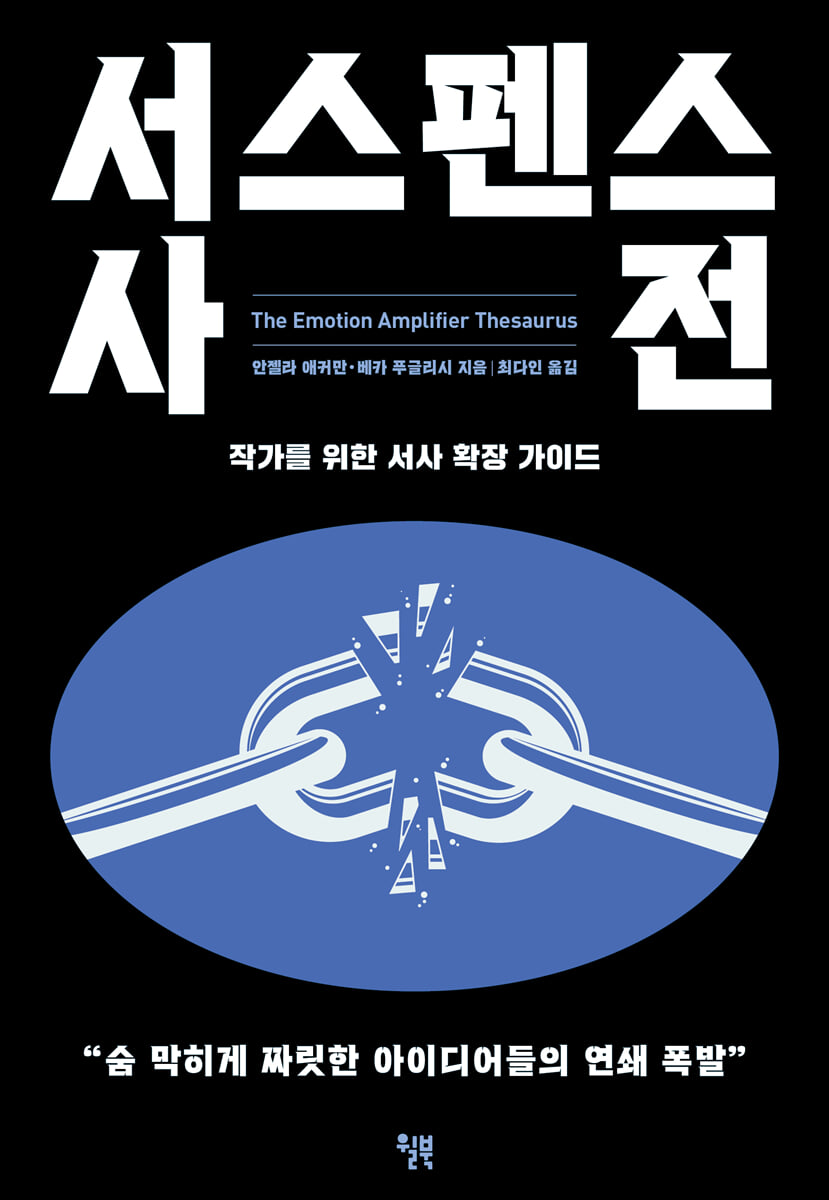 |
Description
Book Introduction
* The worst situations make the best stories, suspense triggers that will put your characters in trouble!
* New in the best-selling 'Dictionary Series for Writers'
* A narrative expansion guide that will help you find a way out of a story that has stalled at a dead end.
★★★★★ Highly recommended by Seo Ire, the author of the webtoon story "Jeongnyeoni" ★★★★★
“The character is tightly shut like a clam, and it twists and squeezes through the gap in the abyss.
“A book that will finally reveal the fun that shines like a pearl” _ Seo I-re
A book has been published that contains the starting points of 'suspense' that will breathe new life into the story by allowing the stagnant characters to break through the blocked scenes.
『Suspense Dictionary』 is the seventh new book in the "Dictionary for Writers" series, which serves as a lubricant for the writing process by sitting on the desks of both working and aspiring writers. It is a narrative expansion guide that helps develop stories with greater coolness and thrill.
There are triggers installed throughout the story, which is so interesting that the reader cannot take their eyes off it.
This trigger creates suspense, making the narrative more thrilling and unpredictable.
What if the protagonist, trying to alleviate his severe burnout symptoms, becomes addicted to a drug he's taken several times? What if the character divulges confidential information while under hypnosis? By creating various situations that push the characters into a corner and provoke their emotions, the story naturally moves to the next incident or scene.
The Suspense Dictionary meticulously presents 52 strategies for expanding the horizons of a story by inflicting suffering on characters.
Imprisonment, torture, possession, pregnancy, hypnosis, dehydration… .
You'll encounter dozens of specific physical signs and mental reactions that various pains can cause, behaviors that try to hide the condition, and the worst-case scenarios that can occur as a result.
Practical content is also essential, such as verb expressions that effectively describe situations and useful tips that will take your work to the next level.
In addition, it also provides an explanation of the fundamentals essential for building a solid narrative, such as why stories need emotions, how to evoke inner contradictions, and the optimal location to plant a trigger.
A character who follows every order and is always peaceful cannot captivate readers.
The real power that draws the reader to the end of a story comes from a breathtaking conflict.
If the story you're writing has reached a dead end and needs a breakthrough, or if you're worried that you're using a story strategy that's too predictable, open this book right now.
Sparkling ideas that will break through the walls of cliches will explode like a bomb!
* New in the best-selling 'Dictionary Series for Writers'
* A narrative expansion guide that will help you find a way out of a story that has stalled at a dead end.
★★★★★ Highly recommended by Seo Ire, the author of the webtoon story "Jeongnyeoni" ★★★★★
“The character is tightly shut like a clam, and it twists and squeezes through the gap in the abyss.
“A book that will finally reveal the fun that shines like a pearl” _ Seo I-re
A book has been published that contains the starting points of 'suspense' that will breathe new life into the story by allowing the stagnant characters to break through the blocked scenes.
『Suspense Dictionary』 is the seventh new book in the "Dictionary for Writers" series, which serves as a lubricant for the writing process by sitting on the desks of both working and aspiring writers. It is a narrative expansion guide that helps develop stories with greater coolness and thrill.
There are triggers installed throughout the story, which is so interesting that the reader cannot take their eyes off it.
This trigger creates suspense, making the narrative more thrilling and unpredictable.
What if the protagonist, trying to alleviate his severe burnout symptoms, becomes addicted to a drug he's taken several times? What if the character divulges confidential information while under hypnosis? By creating various situations that push the characters into a corner and provoke their emotions, the story naturally moves to the next incident or scene.
The Suspense Dictionary meticulously presents 52 strategies for expanding the horizons of a story by inflicting suffering on characters.
Imprisonment, torture, possession, pregnancy, hypnosis, dehydration… .
You'll encounter dozens of specific physical signs and mental reactions that various pains can cause, behaviors that try to hide the condition, and the worst-case scenarios that can occur as a result.
Practical content is also essential, such as verb expressions that effectively describe situations and useful tips that will take your work to the next level.
In addition, it also provides an explanation of the fundamentals essential for building a solid narrative, such as why stories need emotions, how to evoke inner contradictions, and the optimal location to plant a trigger.
A character who follows every order and is always peaceful cannot captivate readers.
The real power that draws the reader to the end of a story comes from a breathtaking conflict.
If the story you're writing has reached a dead end and needs a breakthrough, or if you're worried that you're using a story strategy that's too predictable, open this book right now.
Sparkling ideas that will break through the walls of cliches will explode like a bomb!
index
Recommendation│Writer Seo I-re
introduction
To the writers struggling to keep the narrative burning
Stories need emotions
A detonator that triggers inner contradictions
The positive role of stress in creating suspense
Stimulate emotions to promote growth
Strengthen the narrative structure by moving characters
Creating dramatic tension in a crisis situation
The variable called other people
The best location to plant a detonator
Pain that destroys one's composure
When to control your emotional outbursts
Things to be aware of when dealing with illness
Final advice for writers
Suspense type
Sensory overload/confinement/obsession/competition/isolation/torture/pain/panic attacks/hyperactivity/starvation/cornering/withdrawal/deception/heat/chronic pain/fascination/helplessness/disorientation/burnout/injury/instability/possession/bereavement/puberty/brainwashing/sleep deprivation/hangover/stress/physical illness and disability/pressure/malnutrition/indecision/danger/cognitive bias/cognitive decline/pregnancy/psychosis/mental illness and disability/watching/distraction/addiction/boredom/illness/hypnosis/cold/intoxication/fatal crisis/dehydration/exhaustion/trauma/hormonal imbalance/excitement
supplement
introduction
To the writers struggling to keep the narrative burning
Stories need emotions
A detonator that triggers inner contradictions
The positive role of stress in creating suspense
Stimulate emotions to promote growth
Strengthen the narrative structure by moving characters
Creating dramatic tension in a crisis situation
The variable called other people
The best location to plant a detonator
Pain that destroys one's composure
When to control your emotional outbursts
Things to be aware of when dealing with illness
Final advice for writers
Suspense type
Sensory overload/confinement/obsession/competition/isolation/torture/pain/panic attacks/hyperactivity/starvation/cornering/withdrawal/deception/heat/chronic pain/fascination/helplessness/disorientation/burnout/injury/instability/possession/bereavement/puberty/brainwashing/sleep deprivation/hangover/stress/physical illness and disability/pressure/malnutrition/indecision/danger/cognitive bias/cognitive decline/pregnancy/psychosis/mental illness and disability/watching/distraction/addiction/boredom/illness/hypnosis/cold/intoxication/fatal crisis/dehydration/exhaustion/trauma/hormonal imbalance/excitement
supplement
Detailed image

Into the book
Detonators not only change a character's emotional state, but also create conflict and tension, deepen internal disharmony and psychological pain, and serve to solidify the narrative structure.
If used properly, it plays a role in creating the core of a gripping narrative that keeps readers glued to the book, that is, 'suspense'!
--- From "To Writers Struggling to Ignite the Fire of Narrative"
Allowing characters to explore their vulnerabilities is not easy, but it is a necessary process for inner growth.
To create a compelling story, a writer must know how to unlock a character's emotional vault and extract secrets.
It means pushing the character to face their true feelings, even if it's scary, and breaking down their defenses so they can no longer hide.
--- From "Stories Need Emotions"
A smart, wise character who always makes the right choices isn't very interesting.
But characters who make mistakes, lose self-control, and fail to keep their mouths shut are welcome! We've all experienced overreacting and then regretting it, so we naturally empathize with them.
--- From "Stories Need Emotions"
Dramatic tension is the anticipation of what will happen next, and it's the golden ticket to keeping readers interested.
When a character is in trouble or the outlook is bleak, readers begin to worry, and this worry manifests as empathy and a desire to see if the character is okay.
That's why it's important to keep the tension at an appropriate level in each scene.
--- From "Creating Dramatic Tension in Crisis Situations"
Villains, rivals, enemies disguised as friends, and characters with blurred moral lines strategically use triggers to their advantage, either to push back against opponents or to advance their plans.
Using this type of antagonist to shake up the protagonist reinforces the conflict between the two, builds tension, and gives the reader the impression that the antagonist is a formidable opponent.
--- From "The Variable of Others"
Unfortunately, pain is a part of life.
Characters build relationships, pursue goals, and sometimes de-stress as they navigate their daily lives, but they also get hurt when things don't go as planned.
How quickly and fully a person recovers from this injury depends on their individual response to pain and the type of pain they experience.
--- From "The Pain That Breaks Your Composure"
A detonator is fundamentally a tool to stimulate or induce a character's emotions, so if it is overused, the story will turn into a melodrama.
Just as the magnitude of an emotional reaction must match the intensity of the event that triggered it, the intensity of the trigger must also be appropriate to the situation.
If used properly, it plays a role in creating the core of a gripping narrative that keeps readers glued to the book, that is, 'suspense'!
--- From "To Writers Struggling to Ignite the Fire of Narrative"
Allowing characters to explore their vulnerabilities is not easy, but it is a necessary process for inner growth.
To create a compelling story, a writer must know how to unlock a character's emotional vault and extract secrets.
It means pushing the character to face their true feelings, even if it's scary, and breaking down their defenses so they can no longer hide.
--- From "Stories Need Emotions"
A smart, wise character who always makes the right choices isn't very interesting.
But characters who make mistakes, lose self-control, and fail to keep their mouths shut are welcome! We've all experienced overreacting and then regretting it, so we naturally empathize with them.
--- From "Stories Need Emotions"
Dramatic tension is the anticipation of what will happen next, and it's the golden ticket to keeping readers interested.
When a character is in trouble or the outlook is bleak, readers begin to worry, and this worry manifests as empathy and a desire to see if the character is okay.
That's why it's important to keep the tension at an appropriate level in each scene.
--- From "Creating Dramatic Tension in Crisis Situations"
Villains, rivals, enemies disguised as friends, and characters with blurred moral lines strategically use triggers to their advantage, either to push back against opponents or to advance their plans.
Using this type of antagonist to shake up the protagonist reinforces the conflict between the two, builds tension, and gives the reader the impression that the antagonist is a formidable opponent.
--- From "The Variable of Others"
Unfortunately, pain is a part of life.
Characters build relationships, pursue goals, and sometimes de-stress as they navigate their daily lives, but they also get hurt when things don't go as planned.
How quickly and fully a person recovers from this injury depends on their individual response to pain and the type of pain they experience.
--- From "The Pain That Breaks Your Composure"
A detonator is fundamentally a tool to stimulate or induce a character's emotions, so if it is overused, the story will turn into a melodrama.
Just as the magnitude of an emotional reaction must match the intensity of the event that triggered it, the intensity of the trigger must also be appropriate to the situation.
--- From "Final Advice for Writers"
Publisher's Review
We must plant a detonator that will explode the worst-case scenario!
A thrilling story created by a character in a corner
Stories that are recognized as page-turners, gripping stories regardless of genre, have something in common.
The point is that elements that psychologically tense the reader are placed in just the right places.
Finally, a guide to writing suspenseful stories that will plunge your protagonist into a corner and send a dopamine rush through your readers' heads.
The Suspense Dictionary delves into how to crack stable situations, stimulate emotions, and explosively advance a narrative.
When the two authors select the most appropriate suffering for their characters from the various types of suffering they have explored over a long period of time and incorporate it well into the story, every choice the characters make will lead to a conflict that will shape the next scene, and before they know it, the reader will feel pleasure as they are immersed in the story that stretches out uncontrollably.
Of course, in order to make readers laugh and cry, the process of designing a strong 'story structure' cannot be left out.
The Suspense Dictionary introduces methods for strengthening narrative structure by moving characters, as well as various triggers that can be installed within it.
Specific examples of how these detonators were used in actual works and what effects they had are included, making it easy to understand how they are utilized.
This guidebook will add a powerful punch to stories that feel sluggish, regardless of genre.
It will raise the tension of the readers to the max.
A Comprehensive Analysis of 52 Suspense Types
It is true that detonators provide a thrilling sense of tension, but if you insert them haphazardly anywhere, it is very likely to turn into a melodrama.
Creating suspense that will captivate the reader requires sophisticated strategy.
『Suspense Dictionary』 introduces this strategy step by step from the basics.
By designing your story following the six-step plot structure model to effectively show where to push the story forward and where to avoid using detonators, you'll soon discover your own story with a higher level of completion.
So, can you discover a trigger that will spark your character and story? As you examine each of the 52 suspense types included, you'll notice a type of pain that naturally fits into the current narrative.
What if a protagonist's senses become hypersensitive and they suddenly encounter unexpected situations? What if a character who was weaning off an addictive substance can't overcome withdrawal symptoms and begins to rely on other substances? Confinement, torture, possession, indecision, hypnosis, dehydration... Use suspenseful elements that stimulate the character's emotions and secure the next stage of the story, creating characters and a story that feels both realistic and full of tension.
From the core of story design to personalized practical tips
The "Dictionary Series for Writers," a representative writing textbook for working writers
The "Dictionary for Writers" series, written by the authors of the best-selling "Dictionary of Trauma," is filled with high-quality information that is so valuable that it can be used as a reference in actual work by famous current writers, including Lee Seul-ah, Kim Cho-yeop, Duna, Kwak Jae-sik, and Sim Neul.
The "Dictionary of Suspense" does not simply introduce types of detonators.
This book details practical tips for creating a solid piece, including the physical and mental changes that occur in characters when given a specific type of pain, the goals or desires that are frustrated as a result, expressions that can be used effectively in that scene, and things to keep in mind when directing a specific trigger.
Seo I-re, the writer of the original webtoon story for the drama "Jeongnyeoni," added her words of recommendation by recommending "Dictionary of Suspense" to writers whose stories are not progressing.
“This book will twist and twist the tightly closed abyss of characters like clams, finally revealing a pearl-like sparkling fun.” If the story you’re currently writing feels somewhat flat and boring, use this book as a breakthrough and change direction.
A brilliant narrative that instantly captivates the reader begins by disrupting the character's composure and creating a tense crisis.
A thrilling story created by a character in a corner
Stories that are recognized as page-turners, gripping stories regardless of genre, have something in common.
The point is that elements that psychologically tense the reader are placed in just the right places.
Finally, a guide to writing suspenseful stories that will plunge your protagonist into a corner and send a dopamine rush through your readers' heads.
The Suspense Dictionary delves into how to crack stable situations, stimulate emotions, and explosively advance a narrative.
When the two authors select the most appropriate suffering for their characters from the various types of suffering they have explored over a long period of time and incorporate it well into the story, every choice the characters make will lead to a conflict that will shape the next scene, and before they know it, the reader will feel pleasure as they are immersed in the story that stretches out uncontrollably.
Of course, in order to make readers laugh and cry, the process of designing a strong 'story structure' cannot be left out.
The Suspense Dictionary introduces methods for strengthening narrative structure by moving characters, as well as various triggers that can be installed within it.
Specific examples of how these detonators were used in actual works and what effects they had are included, making it easy to understand how they are utilized.
This guidebook will add a powerful punch to stories that feel sluggish, regardless of genre.
It will raise the tension of the readers to the max.
A Comprehensive Analysis of 52 Suspense Types
It is true that detonators provide a thrilling sense of tension, but if you insert them haphazardly anywhere, it is very likely to turn into a melodrama.
Creating suspense that will captivate the reader requires sophisticated strategy.
『Suspense Dictionary』 introduces this strategy step by step from the basics.
By designing your story following the six-step plot structure model to effectively show where to push the story forward and where to avoid using detonators, you'll soon discover your own story with a higher level of completion.
So, can you discover a trigger that will spark your character and story? As you examine each of the 52 suspense types included, you'll notice a type of pain that naturally fits into the current narrative.
What if a protagonist's senses become hypersensitive and they suddenly encounter unexpected situations? What if a character who was weaning off an addictive substance can't overcome withdrawal symptoms and begins to rely on other substances? Confinement, torture, possession, indecision, hypnosis, dehydration... Use suspenseful elements that stimulate the character's emotions and secure the next stage of the story, creating characters and a story that feels both realistic and full of tension.
From the core of story design to personalized practical tips
The "Dictionary Series for Writers," a representative writing textbook for working writers
The "Dictionary for Writers" series, written by the authors of the best-selling "Dictionary of Trauma," is filled with high-quality information that is so valuable that it can be used as a reference in actual work by famous current writers, including Lee Seul-ah, Kim Cho-yeop, Duna, Kwak Jae-sik, and Sim Neul.
The "Dictionary of Suspense" does not simply introduce types of detonators.
This book details practical tips for creating a solid piece, including the physical and mental changes that occur in characters when given a specific type of pain, the goals or desires that are frustrated as a result, expressions that can be used effectively in that scene, and things to keep in mind when directing a specific trigger.
Seo I-re, the writer of the original webtoon story for the drama "Jeongnyeoni," added her words of recommendation by recommending "Dictionary of Suspense" to writers whose stories are not progressing.
“This book will twist and twist the tightly closed abyss of characters like clams, finally revealing a pearl-like sparkling fun.” If the story you’re currently writing feels somewhat flat and boring, use this book as a breakthrough and change direction.
A brilliant narrative that instantly captivates the reader begins by disrupting the character's composure and creating a tense crisis.
GOODS SPECIFICS
- Date of issue: June 30, 2025
- Page count, weight, size: 344 pages | 510g | 152*220*22mm
- ISBN13: 9791155818213
- ISBN10: 1155818210
You may also like
카테고리
korean


korean

![GQ KOREA Mark (Monthly): December [2025]](http://librairie.coreenne.fr/cdn/shop/files/8ef265dbbfbf186523ed75ba7319009d.jpg?v=1765340328&width=3840)


