

Masan
 |
Description
Book Introduction
In 1974, Dongmi, “the factory was a world where night was as bright as day.”
Jun-gu, 1999: "Can that replace my missing parents? Marijuana?"
Eunjae and Taewoong in 2021, “At least Seoul seemed to have a decent chance of doing so.
But it wasn't Masan."
As the novel depicts, Masan has never been a friendly city for its residents.
Why do people feel proud of a city that has done nothing good for them?
-Cheon Hyeon-woo (author of "Diary of a Rice Cake")
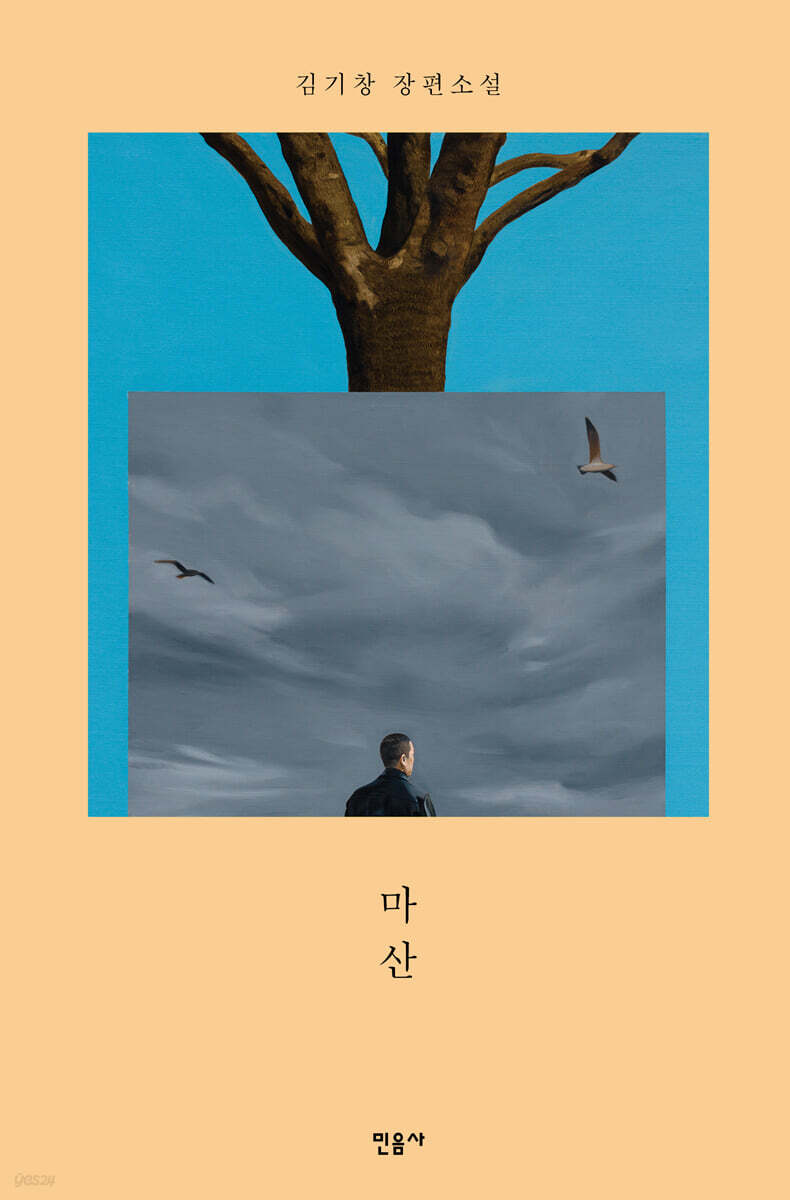
Novelist Kim Ki-chang's new full-length novel, Masan, has been published by Minumsa.
Beginning with the novel 『Monaco』, which won the 38th Today's Writer Award in 2014, Kim Ki-chang has persistently depicted the fatal impact that the space of the city and the environment has on the people within it, and the fierce struggles of those people within it, through works such as 『Bangkok』 and 『Love in the Age of Climate Change』.
Masan, the setting of this novel, is a city that has witnessed significant turning points in South Korea's history, including the March 15 Uprising and the June Struggle of 1987.
As Masan is the author's hometown, the similar lives and sorrows of the characters across three generations, spanning 50 years from the 1970s to 2020, contained in the novel 『Masan』, have become the essence of the author's long-standing theme of 'space', depicted most vividly and desperately.
As Professor Cheon Jeong-hwan said, “Writing about the changes that time creates with the land, villages, countries, and the world as materials, and the fate of humans within them, is like the best main task that the genre of the novel can perform when it takes an extremely serious stance,” 『Masan』 is a living work that compiles into one book the land of the Republic of Korea, the city of Masan, and the characters who face their entangled fates within it.
Reading 『Masan』 now means understanding the light and dark sides of the space we live in, and taking careful steps into the future based on that understanding.
Jun-gu, 1999: "Can that replace my missing parents? Marijuana?"
Eunjae and Taewoong in 2021, “At least Seoul seemed to have a decent chance of doing so.
But it wasn't Masan."
As the novel depicts, Masan has never been a friendly city for its residents.
Why do people feel proud of a city that has done nothing good for them?
-Cheon Hyeon-woo (author of "Diary of a Rice Cake")
Novelist Kim Ki-chang's new full-length novel, Masan, has been published by Minumsa.
Beginning with the novel 『Monaco』, which won the 38th Today's Writer Award in 2014, Kim Ki-chang has persistently depicted the fatal impact that the space of the city and the environment has on the people within it, and the fierce struggles of those people within it, through works such as 『Bangkok』 and 『Love in the Age of Climate Change』.
Masan, the setting of this novel, is a city that has witnessed significant turning points in South Korea's history, including the March 15 Uprising and the June Struggle of 1987.
As Masan is the author's hometown, the similar lives and sorrows of the characters across three generations, spanning 50 years from the 1970s to 2020, contained in the novel 『Masan』, have become the essence of the author's long-standing theme of 'space', depicted most vividly and desperately.
As Professor Cheon Jeong-hwan said, “Writing about the changes that time creates with the land, villages, countries, and the world as materials, and the fate of humans within them, is like the best main task that the genre of the novel can perform when it takes an extremely serious stance,” 『Masan』 is a living work that compiles into one book the land of the Republic of Korea, the city of Masan, and the characters who face their entangled fates within it.
Reading 『Masan』 now means understanding the light and dark sides of the space we live in, and taking careful steps into the future based on that understanding.
- You can preview some of the book's contents.
Preview
index
Prologue 7
Part 1: Cities I Want to Visit 19
Part 2: The City of Wine and Flowers 117
Part 3: Burning City 283
Epilogue 377
Author's Note 383
Preface (Cheon Jeong-hwan) 387
Letter of Recommendation (Cheon Hyeon-woo) 397
Part 1: Cities I Want to Visit 19
Part 2: The City of Wine and Flowers 117
Part 3: Burning City 283
Epilogue 377
Author's Note 383
Preface (Cheon Jeong-hwan) 387
Letter of Recommendation (Cheon Hyeon-woo) 397
Into the book
Timing was a type of stimulant, also known as a sleepless drug.
When night work got longer, company executives gave the workers a time limit.
They say that if you eat this, you will feel less tired and be able to shake off drowsiness.
They also did not know the exact ingredients of the medicine.
The workers were forced to eat the timing.
Some workers even bought their own timing to endure the intense work of more than fourteen hours.
Timing was addictive, and like other stimulants, long-term use had negative effects on both the mind and body.
Dongmi watched quietly as the moment came when she hit her face and fell to the floor.
After a while, Dongmi's tears fell down over the timing.
It seems like this medicine is meant to be swallowed with bitter tears.
--- pp.41~42 From "Dongmi 1974"
In the past, when you entered this street, there was a smell of old wood, like a movie set.
There were other smells too.
The smell of the dreams this street held and the money that passed through this street.
It was filled with the smell of sweat and tears, grease and iron filings, blood and violence.
The people on this street all started from the bottom.
It was a condition that was not a condition, a sadness that was not sadness, a happiness that was not happiness.
In those days, this street was filled with a romantic yet earnest breeze, like a train rushing toward the port.
--- pp.78~79 From "Jungu 1999"
I'm going to stop living half-heartedly.
Taewoong said.
Good is mediocre, bad is mediocre, studying is mediocre, playing is mediocre.
We did, didn't we? Isn't that why we're here now?
Try changing the word 'middle' to 'moderate'.
Moderation is not a bad thing.
Bad.
It's like a very bad magic spell in moderation.
Look at the popular YouTube channels.
Eating 10 servings of food at a time, playing games for 51 hours straight, and traveling around the world broadcasting live footage of crime hotspots.
You eat 11 servings and play for 51 hours.
I'm a news person.
I'm not interested in games.
Taewoong thought for a moment.
How about growing cannabis with me?
--- pp.102~103 From "Eunjae and Taewoong 2021"
"You drive a forklift too?" Eunjae said.
I came here and learned it all in a hurry.
It's not difficult, but you actually need a license.
It's a mess.
The strange thing is, the company still keeps going.
It's not just here.
It was like that everywhere I went.
Let's roll along in a mess.
Would you like to have lunch together?
(……)
Eunjae looked around with sunken eyes.
Sunlight silently breaking over the sea, fish markets and various seafood distributors stretching along the coastline, and raw fish restaurants with gray aquariums.
It was a place full of life and energy, but it could also look lonely at any time, a landscape that had been passed down from Masan's distant past.
--- pp.148~149 From "Eunjae and Taewoong 2021"
Dongmi wanted to tell Seokho.
It is not people who break stones, it is hammers and nails. It is a company that is a stone, a hard, heavy, and unbreakable stone.
Every time Dongmi saw Seokho like that, she felt a thrill, like when she saw a strong spark fly from a small flint.
But I also felt anxious that the flames might spread elsewhere.
It was a good thing that the apprentices got off work on time and went to school.
But now, for a moment, there was a good chance that things would turn out well.
Apprentices in other departments would not have been able to do so.
That would have been a problem in its own right.
And tomorrow, and the day after, work will pile up, and the company will try to keep not only the apprentices but all the workers on holidays.
When night work got longer, company executives gave the workers a time limit.
They say that if you eat this, you will feel less tired and be able to shake off drowsiness.
They also did not know the exact ingredients of the medicine.
The workers were forced to eat the timing.
Some workers even bought their own timing to endure the intense work of more than fourteen hours.
Timing was addictive, and like other stimulants, long-term use had negative effects on both the mind and body.
Dongmi watched quietly as the moment came when she hit her face and fell to the floor.
After a while, Dongmi's tears fell down over the timing.
It seems like this medicine is meant to be swallowed with bitter tears.
--- pp.41~42 From "Dongmi 1974"
In the past, when you entered this street, there was a smell of old wood, like a movie set.
There were other smells too.
The smell of the dreams this street held and the money that passed through this street.
It was filled with the smell of sweat and tears, grease and iron filings, blood and violence.
The people on this street all started from the bottom.
It was a condition that was not a condition, a sadness that was not sadness, a happiness that was not happiness.
In those days, this street was filled with a romantic yet earnest breeze, like a train rushing toward the port.
--- pp.78~79 From "Jungu 1999"
I'm going to stop living half-heartedly.
Taewoong said.
Good is mediocre, bad is mediocre, studying is mediocre, playing is mediocre.
We did, didn't we? Isn't that why we're here now?
Try changing the word 'middle' to 'moderate'.
Moderation is not a bad thing.
Bad.
It's like a very bad magic spell in moderation.
Look at the popular YouTube channels.
Eating 10 servings of food at a time, playing games for 51 hours straight, and traveling around the world broadcasting live footage of crime hotspots.
You eat 11 servings and play for 51 hours.
I'm a news person.
I'm not interested in games.
Taewoong thought for a moment.
How about growing cannabis with me?
--- pp.102~103 From "Eunjae and Taewoong 2021"
"You drive a forklift too?" Eunjae said.
I came here and learned it all in a hurry.
It's not difficult, but you actually need a license.
It's a mess.
The strange thing is, the company still keeps going.
It's not just here.
It was like that everywhere I went.
Let's roll along in a mess.
Would you like to have lunch together?
(……)
Eunjae looked around with sunken eyes.
Sunlight silently breaking over the sea, fish markets and various seafood distributors stretching along the coastline, and raw fish restaurants with gray aquariums.
It was a place full of life and energy, but it could also look lonely at any time, a landscape that had been passed down from Masan's distant past.
--- pp.148~149 From "Eunjae and Taewoong 2021"
Dongmi wanted to tell Seokho.
It is not people who break stones, it is hammers and nails. It is a company that is a stone, a hard, heavy, and unbreakable stone.
Every time Dongmi saw Seokho like that, she felt a thrill, like when she saw a strong spark fly from a small flint.
But I also felt anxious that the flames might spread elsewhere.
It was a good thing that the apprentices got off work on time and went to school.
But now, for a moment, there was a good chance that things would turn out well.
Apprentices in other departments would not have been able to do so.
That would have been a problem in its own right.
And tomorrow, and the day after, work will pile up, and the company will try to keep not only the apprentices but all the workers on holidays.
--- pp.179~180 From "Dongmi 1974"
Publisher's Review
To Masan, to Masan
Masan is a city that has faced the waves with its whole body whenever South Korea has faced major political and industrial turning points, and has come to bear the scars of those times everywhere.
First, in the 1970s, the city prospered with the rise of the textile industry, but behind the scenes, there were workers who had to endure oppressive working conditions.
Next, in the 1990s, there were young people who had to shoulder the burdens and loneliness of life, each with their own burdens, as their families were scattered after the decline of the textile industry and the IMF foreign exchange crisis.
Finally, in the 2020s, a city that was attempting to leap forward again through tourism saw its self-employed workers pushed to the brink by the pandemic, leaving young people to face a bleak future alongside them.
Novelist Kim Ki-chang's full-length novel, Masan, tells the story of three generations of people who wander through a lonely and desolate city over the course of 50 years.
Dongmi in 1974, Jun-gu in 1999, and Eun-jae and Tae-woong in 2021.
Although they are from different generations, the despair and loneliness they feel are sadly similar.
Masan asks:
Is there really a way out of this harsh life of each person living for themselves?
Will we be able to rekindle our hopes here in Masan?
In 1974, Dongmi, “the factory was a world where night was as bright as day.”
At a time when the saying, “To Masan, to Masan,” was circulating, Dong-mi, who came to Masan to find a job, dreamed of going to Japan while working at the Korean branch of a Japanese company established in Masan.
Factory workers are forced to work day and night using a stimulant called 'Timing' issued by the company.
Dong-mi, who had been enduring reality just to go to Japan, is tricked by the accounting manager, and her trip to Japan is thwarted when her trip to Japan becomes a scandal within the factory after she accompanies the Japanese branch manager, Genji, on a weekend hike.
Dongmi eventually runs out of the factory, where the night is as bright as day, and runs into the darkness where she doesn't know what might be lurking there.
Jun-gu, 1999: "Can that replace my missing parents? Marijuana?"
Jun-gu's parents are fleeing to China and Brazil, pursuing a new life in the aftermath of the IMF crisis, driven by repeated frustrations.
Jun-gu, who is left alone in Masan, is in a state where even his livelihood for tomorrow is uncertain.
Jun-gu, following his father's message that he had hidden money in his parents' now-ruined store, "Gwangnam Uniform," sneaks into the dark store, wary of the loan sharks.
But inside the store, an unexpected customer arrived first.
Myung-gil was an employee at Gwangnam Uniform.
Conveying the despair that there is nothing left here, Myung-gil and Jun-gu stand off for a while in the dark, dusty store.
As they sensed that a deeper darkness was about to fall upon them.
Eunjae and Taewoong in 2021, “At least Seoul seemed to have a decent chance of doing so.
But it wasn't Masan."
Taewoong, who works at a plastics manufacturing company, gets a hint from the conversations of foreign workers.
The marijuana business would be successful in Masan, where there are many foreign workers.
Eun-jae, Tae-woong's college classmate, discovers a clump of what look like flower seeds in a corner of a shabby hotel room run by her father, and quickly realizes that they are marijuana seeds.
The two, sensing that their miserable lives will not end without crossing the line, decide to take a dangerous path and cross the line.
The line they must cross keeps getting pushed back, forcing them to take greater risks, but Eun-jae and Tae-woong know they have already come too far to back down.
Masan is a city that has faced the waves with its whole body whenever South Korea has faced major political and industrial turning points, and has come to bear the scars of those times everywhere.
First, in the 1970s, the city prospered with the rise of the textile industry, but behind the scenes, there were workers who had to endure oppressive working conditions.
Next, in the 1990s, there were young people who had to shoulder the burdens and loneliness of life, each with their own burdens, as their families were scattered after the decline of the textile industry and the IMF foreign exchange crisis.
Finally, in the 2020s, a city that was attempting to leap forward again through tourism saw its self-employed workers pushed to the brink by the pandemic, leaving young people to face a bleak future alongside them.
Novelist Kim Ki-chang's full-length novel, Masan, tells the story of three generations of people who wander through a lonely and desolate city over the course of 50 years.
Dongmi in 1974, Jun-gu in 1999, and Eun-jae and Tae-woong in 2021.
Although they are from different generations, the despair and loneliness they feel are sadly similar.
Masan asks:
Is there really a way out of this harsh life of each person living for themselves?
Will we be able to rekindle our hopes here in Masan?
In 1974, Dongmi, “the factory was a world where night was as bright as day.”
At a time when the saying, “To Masan, to Masan,” was circulating, Dong-mi, who came to Masan to find a job, dreamed of going to Japan while working at the Korean branch of a Japanese company established in Masan.
Factory workers are forced to work day and night using a stimulant called 'Timing' issued by the company.
Dong-mi, who had been enduring reality just to go to Japan, is tricked by the accounting manager, and her trip to Japan is thwarted when her trip to Japan becomes a scandal within the factory after she accompanies the Japanese branch manager, Genji, on a weekend hike.
Dongmi eventually runs out of the factory, where the night is as bright as day, and runs into the darkness where she doesn't know what might be lurking there.
Jun-gu, 1999: "Can that replace my missing parents? Marijuana?"
Jun-gu's parents are fleeing to China and Brazil, pursuing a new life in the aftermath of the IMF crisis, driven by repeated frustrations.
Jun-gu, who is left alone in Masan, is in a state where even his livelihood for tomorrow is uncertain.
Jun-gu, following his father's message that he had hidden money in his parents' now-ruined store, "Gwangnam Uniform," sneaks into the dark store, wary of the loan sharks.
But inside the store, an unexpected customer arrived first.
Myung-gil was an employee at Gwangnam Uniform.
Conveying the despair that there is nothing left here, Myung-gil and Jun-gu stand off for a while in the dark, dusty store.
As they sensed that a deeper darkness was about to fall upon them.
Eunjae and Taewoong in 2021, “At least Seoul seemed to have a decent chance of doing so.
But it wasn't Masan."
Taewoong, who works at a plastics manufacturing company, gets a hint from the conversations of foreign workers.
The marijuana business would be successful in Masan, where there are many foreign workers.
Eun-jae, Tae-woong's college classmate, discovers a clump of what look like flower seeds in a corner of a shabby hotel room run by her father, and quickly realizes that they are marijuana seeds.
The two, sensing that their miserable lives will not end without crossing the line, decide to take a dangerous path and cross the line.
The line they must cross keeps getting pushed back, forcing them to take greater risks, but Eun-jae and Tae-woong know they have already come too far to back down.
GOODS SPECIFICS
- Date of issue: November 15, 2024
- Page count, weight, size: 400 pages | 422g | 135*205*20mm
- ISBN13: 9788937428319
- ISBN10: 8937428318
You may also like
카테고리
korean


korean

![ELLE 엘르 스페셜 에디션 A형 : 12월 [2025]](http://librairie.coreenne.fr/cdn/shop/files/b8e27a3de6c9538896439686c6b0e8fb.jpg?v=1766436872&width=3840)


