

Lesson
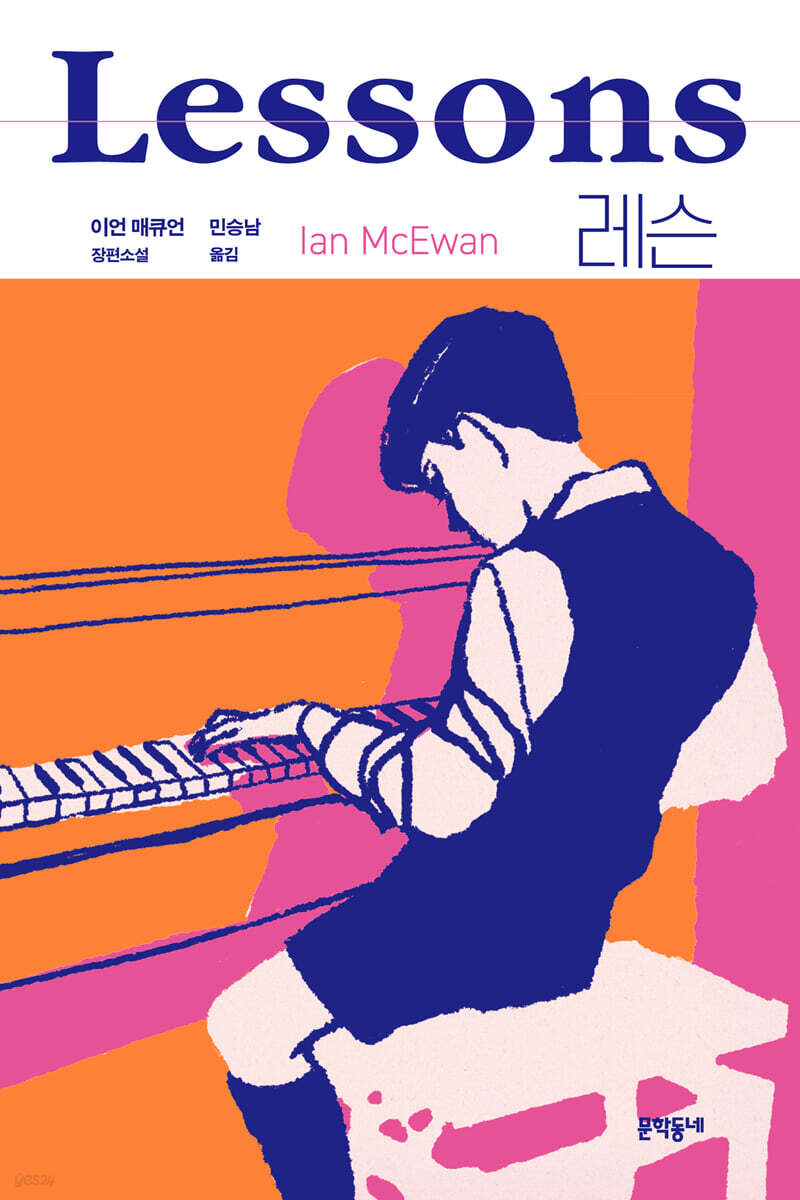 |
Description
Book Introduction
A masterpiece containing the life of Ian McEwan, a master of modern English literature.
★ New York Times Bestseller ★
★ Selected as a 'Best Book of the Year' by The New Yorker and BookPage ★
“In McEwan’s career, which has already taken an amazing path,
“A work that will mark a significant new turning point.” New Statesman
“Lessons is both a linguistic achievement and a fulfillment of ambition.” Oprah Daily
Ian McEwan, a master of English literature and a novelist among novelists, has published his new work, "Lessons."
"Lessons" is his first autobiographical novel, and it tells the story of the individual, history, love, and life, weaving together fiction and reality in McEwan's characteristically concise and organized sentences.
The protagonist, Roland, who resembles the author himself in terms of family relationships, childhood, and even the year of his birth, is McEwan's alter ego and symbolizes another possibility in life.
Hailed as “a masterpiece that simultaneously addresses the essence of growing up, aging, and writing novels,” “Lessons” will be a significant milestone in the author’s life and for the critics and readers around the world who love his work.
The novel interweaves past and present, densely depicting Roland's entire life from childhood to old age.
Thirty-seven-year-old Roland is faced with the unbelievable reality that his wife, Alyssa, has left him and their one-year-old son, leaving behind only a note.
An unexpected event sends ripples through his mind, summoning figures from his past that had been buried in his memories.
The person who caused an earthquake in his life, the person who would shake his life for the rest of his life, his piano teacher Miriam Cornell.
The title 'Lessons' has two meanings.
That's the piano lesson and the life lesson.
Miriam not only awakens extreme feelings of love in the naive boy Roland, but also changes the direction of his life and his values.
Her presence, which casts a shadow over Roland's entire life, reminds him of lessons about love, resentment, and forgiveness.
Furthermore, Roland's life, which has endured major historical events such as the Cold War, the fall of the Berlin Wall, the Chernobyl nuclear accident, and the COVID-19 pandemic, raises questions about how history affects individual lives and what a truly happy life is, making us reflect on our own lives.
★ New York Times Bestseller ★
★ Selected as a 'Best Book of the Year' by The New Yorker and BookPage ★
“In McEwan’s career, which has already taken an amazing path,
“A work that will mark a significant new turning point.” New Statesman
“Lessons is both a linguistic achievement and a fulfillment of ambition.” Oprah Daily
Ian McEwan, a master of English literature and a novelist among novelists, has published his new work, "Lessons."
"Lessons" is his first autobiographical novel, and it tells the story of the individual, history, love, and life, weaving together fiction and reality in McEwan's characteristically concise and organized sentences.
The protagonist, Roland, who resembles the author himself in terms of family relationships, childhood, and even the year of his birth, is McEwan's alter ego and symbolizes another possibility in life.
Hailed as “a masterpiece that simultaneously addresses the essence of growing up, aging, and writing novels,” “Lessons” will be a significant milestone in the author’s life and for the critics and readers around the world who love his work.
The novel interweaves past and present, densely depicting Roland's entire life from childhood to old age.
Thirty-seven-year-old Roland is faced with the unbelievable reality that his wife, Alyssa, has left him and their one-year-old son, leaving behind only a note.
An unexpected event sends ripples through his mind, summoning figures from his past that had been buried in his memories.
The person who caused an earthquake in his life, the person who would shake his life for the rest of his life, his piano teacher Miriam Cornell.
The title 'Lessons' has two meanings.
That's the piano lesson and the life lesson.
Miriam not only awakens extreme feelings of love in the naive boy Roland, but also changes the direction of his life and his values.
Her presence, which casts a shadow over Roland's entire life, reminds him of lessons about love, resentment, and forgiveness.
Furthermore, Roland's life, which has endured major historical events such as the Cold War, the fall of the Berlin Wall, the Chernobyl nuclear accident, and the COVID-19 pandemic, raises questions about how history affects individual lives and what a truly happy life is, making us reflect on our own lives.
- You can preview some of the book's contents.
Preview
index
Part 1
Part 2
Part 3
Acknowledgements
Translator's Note
Source of citation
Part 2
Part 3
Acknowledgements
Translator's Note
Source of citation
Detailed image
.jpg)
Into the book
The bruises from last week were fading, but the scent of my piano teacher remained.
What was the essence of remembering a scent? It was different from smelling it.
Rather, it was a colorless picture, or a place, or a feeling about a place, or something in between.
Beyond fear there was another element, excitement, and he had to push that too.
--- pp.19-20
Is it better to be stupid or ordinary? No one believes that.
Even fools have their own path to misfortune.
Roland himself was a testament to the self-sufficiency of the ordinary person.
--- p.150
They stopped outside a low wooden gate leading into the garden of the house.
Roland said.
“Try not to fight with your mother tonight.
It doesn't matter what your mother thinks.
“You will decide your own business anyway.”
Alyssa took his hand.
“It’s not easy to forgive someone else’s parents.”
--- p.281
Around the end of October, Lawrence asked while lying in bed at four in the morning.
“Did my mom leave me because I was a bad kid?”
Roland, who was drunk on sleep, woke up with a start and tears welled up in his eyes when he heard those words.
He himself needed guidance.
He said.
“Mommy loves you and never thinks you’re a bad kid.” The child fell asleep.
Roland couldn't sleep.
--- p.299
It was a stroke of incredible luck that he was born in peaceful Hampshire in 1948, rather than being born in Ukraine or Poland in 1928 and dragged here from the steps of a synagogue in 1941.
His white-tiled cell—the place of piano lessons, premature love, missed studies, and a missing wife—was a splendid suite compared to this place.
If, as he often thinks, his life has been a failure so far, it has been so despite the generous blessings of history.
--- p.332
Time, like a heavy lid, quietly covered the death of the past.
We forget almost everything that happens to us in life.
So you have to keep a diary.
Let's start writing a diary from now on.
The past will be left as a blank space, and the present, this touch and scent, this sound flowing from his fingertips at this moment, will soon disappear.
--- p.458
Choice and action! That was the lesson of life.
I was just ashamed that I hadn't learned that trick long ago.
Good decisions are more often the result of a sudden surge of good feeling than rational calculation.
But so were the worst decisions he ever made.
--- p.558
But when love fades into the past, there is something that everyone forgets.
What we felt and tasted in the moments, times, and days we spent together.
Everything that was taken for granted is discarded, covered up by the story of how it ended, and then covered up again by shamefully imperfect memories.
Whether it's heaven or hell, I don't remember much.
Love and marriage that ended a long time ago are like postcards from the past.
What was the essence of remembering a scent? It was different from smelling it.
Rather, it was a colorless picture, or a place, or a feeling about a place, or something in between.
Beyond fear there was another element, excitement, and he had to push that too.
--- pp.19-20
Is it better to be stupid or ordinary? No one believes that.
Even fools have their own path to misfortune.
Roland himself was a testament to the self-sufficiency of the ordinary person.
--- p.150
They stopped outside a low wooden gate leading into the garden of the house.
Roland said.
“Try not to fight with your mother tonight.
It doesn't matter what your mother thinks.
“You will decide your own business anyway.”
Alyssa took his hand.
“It’s not easy to forgive someone else’s parents.”
--- p.281
Around the end of October, Lawrence asked while lying in bed at four in the morning.
“Did my mom leave me because I was a bad kid?”
Roland, who was drunk on sleep, woke up with a start and tears welled up in his eyes when he heard those words.
He himself needed guidance.
He said.
“Mommy loves you and never thinks you’re a bad kid.” The child fell asleep.
Roland couldn't sleep.
--- p.299
It was a stroke of incredible luck that he was born in peaceful Hampshire in 1948, rather than being born in Ukraine or Poland in 1928 and dragged here from the steps of a synagogue in 1941.
His white-tiled cell—the place of piano lessons, premature love, missed studies, and a missing wife—was a splendid suite compared to this place.
If, as he often thinks, his life has been a failure so far, it has been so despite the generous blessings of history.
--- p.332
Time, like a heavy lid, quietly covered the death of the past.
We forget almost everything that happens to us in life.
So you have to keep a diary.
Let's start writing a diary from now on.
The past will be left as a blank space, and the present, this touch and scent, this sound flowing from his fingertips at this moment, will soon disappear.
--- p.458
Choice and action! That was the lesson of life.
I was just ashamed that I hadn't learned that trick long ago.
Good decisions are more often the result of a sudden surge of good feeling than rational calculation.
But so were the worst decisions he ever made.
--- p.558
But when love fades into the past, there is something that everyone forgets.
What we felt and tasted in the moments, times, and days we spent together.
Everything that was taken for granted is discarded, covered up by the story of how it ended, and then covered up again by shamefully imperfect memories.
Whether it's heaven or hell, I don't remember much.
Love and marriage that ended a long time ago are like postcards from the past.
--- p.650
Publisher's Review
“My fingers always slip on the same keys.
Even though I knew it, I missed it, and it was already too late to turn back.
“That’s the lesson of life.”
The novel begins with a scene where Roland, in his thirties, recalls his childhood piano lessons.
Eleven-year-old Roland meets his formidable and strict piano teacher, Miriam Cornell, at boarding school.
Despite his cold demeanor, the teacher exudes a strange aura, and Roland is captivated by him. As time passes, the two share a forbidden love.
This has a devastating effect on Roland's life, as he abandons college and his musical talents to leave his obsessed teacher and becomes a wanderer.
Roland misses countless opportunities and endures long periods of boredom because he feels that “there is a liberated life just out of reach, and if he makes promises he cannot break, he will be rejecting it.”
Then, he meets his current wife, Alyssa, and begins a stable life, but one day, Alyssa suddenly disappears, and his marriage falls apart.
Even though he is suspected by the police of being a suspect in his wife's disappearance, he is preoccupied with the reality of his dilapidated house, his meager income, and the burden of raising a newborn baby alone.
Rowland, who devoted his life to his child, putting aside his dream of becoming a poet to the sound of his child's cries and focusing on making money as a tennis coach, greeting card writer, and hotel lounge piano player, reflecting on his life after many years, thinks this.
What if I had gone to college then, if I had lived the life of a pianist? Or if my wife hadn't left me or even returned? Would I have lived a better life then?
We make countless choices every moment of our lives.
Since choosing one path closes off the other possibilities, we have no way of knowing what the path not taken would have been like.
Sometimes I bitterly regret not taking that path.
But if there's one lesson that Roland's life teaches us, it's that life is a series of regrets, so we must live each moment to the fullest.
It's an easy-to-forget realization that life is about failing miserably and falling down, but also about luck finding its way, as if by a twist of fate, and that every moment of life is valuable.
The essence of family, love, the individual, and history as seen through the life of one man.
Ian McEwan's autobiographical novel that answers the question of what true life is.
Roland is a character that reflects the author's own life to the point that he can be considered an alter ego of Ian McEwan.
Born in 1948, McEwan, like Rowland, lived in Libya with his father, a career soldier, before returning to England.
His boarding school experience, his mother's remarriage and the subsequent revelation of his surprising family history are all based on McEwan's true life story.
The fact that Roland was politically liberal and a staunch atheist also reflected his values.
But Roland is not McEwan anymore.
McEwan told The Guardian, “Lessons is my most autobiographical novel, but Roland is not me.
“In some ways, I’m living the life I would have lived, but looking back, there are moments when we could have gone down different paths,” he said.
Roland also represents everyone who lived through the turbulent 20th century.
As a member of the post-war baby boomer generation, he enjoyed "historical luck and many opportunities," and he hopes that the world will continue to move in a better direction, experiencing a better educational environment and social order than the war generation.
On the one hand, we see people living as if they are 'drift, reacting to a series of events in a life they did not choose', swept away by the flow of history that cannot be controlled by individual power.
Looking at Roland's life, you can truly experience the joys and sorrows of life.
We feel pity and empathy for him as he makes foolish choices, experiences regret, and experiences the intense joys of life only to be frustrated.
And when his 700-page journey finally comes to a close, we will be left in awe of the profound aftertaste that "Lesson" leaves behind.
Even though I knew it, I missed it, and it was already too late to turn back.
“That’s the lesson of life.”
The novel begins with a scene where Roland, in his thirties, recalls his childhood piano lessons.
Eleven-year-old Roland meets his formidable and strict piano teacher, Miriam Cornell, at boarding school.
Despite his cold demeanor, the teacher exudes a strange aura, and Roland is captivated by him. As time passes, the two share a forbidden love.
This has a devastating effect on Roland's life, as he abandons college and his musical talents to leave his obsessed teacher and becomes a wanderer.
Roland misses countless opportunities and endures long periods of boredom because he feels that “there is a liberated life just out of reach, and if he makes promises he cannot break, he will be rejecting it.”
Then, he meets his current wife, Alyssa, and begins a stable life, but one day, Alyssa suddenly disappears, and his marriage falls apart.
Even though he is suspected by the police of being a suspect in his wife's disappearance, he is preoccupied with the reality of his dilapidated house, his meager income, and the burden of raising a newborn baby alone.
Rowland, who devoted his life to his child, putting aside his dream of becoming a poet to the sound of his child's cries and focusing on making money as a tennis coach, greeting card writer, and hotel lounge piano player, reflecting on his life after many years, thinks this.
What if I had gone to college then, if I had lived the life of a pianist? Or if my wife hadn't left me or even returned? Would I have lived a better life then?
We make countless choices every moment of our lives.
Since choosing one path closes off the other possibilities, we have no way of knowing what the path not taken would have been like.
Sometimes I bitterly regret not taking that path.
But if there's one lesson that Roland's life teaches us, it's that life is a series of regrets, so we must live each moment to the fullest.
It's an easy-to-forget realization that life is about failing miserably and falling down, but also about luck finding its way, as if by a twist of fate, and that every moment of life is valuable.
The essence of family, love, the individual, and history as seen through the life of one man.
Ian McEwan's autobiographical novel that answers the question of what true life is.
Roland is a character that reflects the author's own life to the point that he can be considered an alter ego of Ian McEwan.
Born in 1948, McEwan, like Rowland, lived in Libya with his father, a career soldier, before returning to England.
His boarding school experience, his mother's remarriage and the subsequent revelation of his surprising family history are all based on McEwan's true life story.
The fact that Roland was politically liberal and a staunch atheist also reflected his values.
But Roland is not McEwan anymore.
McEwan told The Guardian, “Lessons is my most autobiographical novel, but Roland is not me.
“In some ways, I’m living the life I would have lived, but looking back, there are moments when we could have gone down different paths,” he said.
Roland also represents everyone who lived through the turbulent 20th century.
As a member of the post-war baby boomer generation, he enjoyed "historical luck and many opportunities," and he hopes that the world will continue to move in a better direction, experiencing a better educational environment and social order than the war generation.
On the one hand, we see people living as if they are 'drift, reacting to a series of events in a life they did not choose', swept away by the flow of history that cannot be controlled by individual power.
Looking at Roland's life, you can truly experience the joys and sorrows of life.
We feel pity and empathy for him as he makes foolish choices, experiences regret, and experiences the intense joys of life only to be frustrated.
And when his 700-page journey finally comes to a close, we will be left in awe of the profound aftertaste that "Lesson" leaves behind.
GOODS SPECIFICS
- Date of issue: November 10, 2025
- Page count, weight, size: 696 pages | 860g | 140*210*35mm
- ISBN13: 9791141610883
- ISBN10: 1141610884
You may also like
카테고리
korean


korean

![GQ KOREA Mark (Monthly): December [2025]](http://librairie.coreenne.fr/cdn/shop/files/8ef265dbbfbf186523ed75ba7319009d.jpg?v=1765340328&width=3840)


