

Genuine leadership
 |
Description
Book Introduction
When entrepreneurs lose their way in business, most of them declare, "Let's go back to basics."
The same goes for leadership.
When leaders who have been obsessed with success-oriented charismatic leadership or short-term market-oriented leadership return to the basics after their wandering, the leadership they will encounter is genuine leadership.
Authentic leadership is leadership that restores the lost essence of leadership and creates new differences in a legitimate way through positive influence.
In short, this spirit of genuine leadership is in line with the founding philosophy of Google's founders, who founded Google to prove that money can be made through genuine management rather than by adopting the conventional, shabby, and unscrupulous capitalist methods.
Authentic leadership is root leadership that reestablishes the essence of leadership and can develop other leadership tendencies.
If authentic leadership is successfully established in Korea, the bubble created by the flashy performances of past leaders will be eliminated, and leaders who empower members based on a genuine mission, the essence of leadership, will emerge at the forefront.
As authentic leadership becomes more established, companies will be freed from the burden of postponing and packaging, and will be able to focus their efforts on enhancing their fundamental competitiveness.
In this respect, genuine leadership is the secret to management that can save Korean companies seeking a breakthrough from a prolonged recession.
Authentic leaders are those who restore their mission, their reason for being, to empower themselves and their members, and through this, transform their organizations and the world into happier, warmer, and healthier places.
The reason true leaders are immersed in their mission is because they have a unique belief in the ultimate destination of their lives.
Also, the principle by which a true leader exerts influence on members and society is sincerity.
The mission they preach is genuine, the way they empower their members is genuine, and the efforts they make to put their mission into practice are also genuine.
A leader's authenticity helps the mission story naturally take root in the hearts of the leader and the members, thereby leading to voluntary action by both the leader and the members.
The history of all miraculous changes in the world began with voluntary action.
In a situation where there were no books on authentic leadership in Korea, Professor Jeong-gu Yoon of the Department of Business Administration at Ewha Womans University introduced authentic leadership in his book [What is Authenticity?] in 2012. This book [Authentic Leadership] is the first to systematize authentic leadership as a new leadership paradigm that can be applied in Korea by synthesizing discussions and cases that had taken place up to that point.
This book contains a vast amount of content on authentic leadership, so rather than reading it all at once, it's better to take your time and read it first, focusing on areas that interest you.
If you want to learn how to put leadership into practice right away, start with Part 3. If you want to understand why authentic leadership is so urgent in Korea, start with Part 1. If you want to understand the in-depth principles of authentic leadership, start with Part 2. If you want to study the relationship between authentic leadership and other types of leadership, start with Part 4.
Authentic leadership will undoubtedly establish itself as the new standard for leadership in 21st-century Korea, and this book will undoubtedly contribute to understanding and practicing it.
The same goes for leadership.
When leaders who have been obsessed with success-oriented charismatic leadership or short-term market-oriented leadership return to the basics after their wandering, the leadership they will encounter is genuine leadership.
Authentic leadership is leadership that restores the lost essence of leadership and creates new differences in a legitimate way through positive influence.
In short, this spirit of genuine leadership is in line with the founding philosophy of Google's founders, who founded Google to prove that money can be made through genuine management rather than by adopting the conventional, shabby, and unscrupulous capitalist methods.
Authentic leadership is root leadership that reestablishes the essence of leadership and can develop other leadership tendencies.
If authentic leadership is successfully established in Korea, the bubble created by the flashy performances of past leaders will be eliminated, and leaders who empower members based on a genuine mission, the essence of leadership, will emerge at the forefront.
As authentic leadership becomes more established, companies will be freed from the burden of postponing and packaging, and will be able to focus their efforts on enhancing their fundamental competitiveness.
In this respect, genuine leadership is the secret to management that can save Korean companies seeking a breakthrough from a prolonged recession.
Authentic leaders are those who restore their mission, their reason for being, to empower themselves and their members, and through this, transform their organizations and the world into happier, warmer, and healthier places.
The reason true leaders are immersed in their mission is because they have a unique belief in the ultimate destination of their lives.
Also, the principle by which a true leader exerts influence on members and society is sincerity.
The mission they preach is genuine, the way they empower their members is genuine, and the efforts they make to put their mission into practice are also genuine.
A leader's authenticity helps the mission story naturally take root in the hearts of the leader and the members, thereby leading to voluntary action by both the leader and the members.
The history of all miraculous changes in the world began with voluntary action.
In a situation where there were no books on authentic leadership in Korea, Professor Jeong-gu Yoon of the Department of Business Administration at Ewha Womans University introduced authentic leadership in his book [What is Authenticity?] in 2012. This book [Authentic Leadership] is the first to systematize authentic leadership as a new leadership paradigm that can be applied in Korea by synthesizing discussions and cases that had taken place up to that point.
This book contains a vast amount of content on authentic leadership, so rather than reading it all at once, it's better to take your time and read it first, focusing on areas that interest you.
If you want to learn how to put leadership into practice right away, start with Part 3. If you want to understand why authentic leadership is so urgent in Korea, start with Part 1. If you want to understand the in-depth principles of authentic leadership, start with Part 2. If you want to study the relationship between authentic leadership and other types of leadership, start with Part 4.
Authentic leadership will undoubtedly establish itself as the new standard for leadership in 21st-century Korea, and this book will undoubtedly contribute to understanding and practicing it.
- You can preview some of the book's contents.
Preview
index
introduction
Part 1.
New Leadership Demanded by the 21st Century
Chapter 1.
Current State of Leadership
1-1.
Acting leader
1-2.
Leader of Greed
1-3.
conclusion
Chapter 2.
The Future of Leadership
2-1.
constructivism
2-2.
Design creativity
2-3.
experiential industry
2-4.
platform industry
2-5.
hyperconnected society
2-6.
L-shaped game
2-7.
conclusion
Chapter 3.
A new standard in leadership
Part 2.
What is authentic leadership?
Chapter 4.
The concept of authentic leadership
4-1.
What is authenticity?
4-2.
What is authentic leadership?
4-3.
Misconceptions about authentic leadership
Chapter 5.
Basic Principles of Authentic Leadership
5-1.
mental model
5-2.
self-awareness
5-3.
self-discipline
5-4.
Balanced information processing
5-5.
Relational transparency
Chapter 6.
The Advanced Principles of True Leadership
6-1.
Coupling and Alignment
6-2.
Learning principles
6-3.
Moral emotions and positive psychological capital
6-4.
True
6-5.
Im Jae
Part 3.
How do true leaders practice leadership differently?
Chapter 7.
Practicing Authentic Leadership I
7-1.
communication
7-2.
Decision making
7-3.
Empowerment
Chapter 8.
Practicing Authentic Leadership II
8-1.
Coaching and Mentoring
8-2.
Conflict Management
8-3.
Diversity Management
Chapter 9.
Practicing Authentic Leadership III
9-1.
Performance Management
9-2.
Change Management
9-3.
Leadership Development
Part 4.
How is authentic leadership different from traditional leadership?
Chapter 10.
Classical leadership theory
10-1.
trait theory, behavioral theory, situational theory
10-2.
Goal path theory, decision-making theory
10-3.
Exchange theory
10-4.
Leadership replacement theory, neutralization theory, and leadership romance
10-5.
Transactional leadership, charisma, and transformational leadership
Chapter 11.
Modern Leadership Theory
11-1.
Super Leadership
11-2.
Shared Leadership
11-3.
Followership
11-4.
emotional leadership
11-5.
Servant Leadership
11-6.
Leadership in Crisis
11-7.
Ethical Leadership
11-8.
Issue Leadership
Part 5.
The socio-organizational context of authentic leadership
Chapter 12. The CEO's True Management
Chapter 13.
A leader's social responsibility
Epilogue: Become a Radical Turtle
Part 1.
New Leadership Demanded by the 21st Century
Chapter 1.
Current State of Leadership
1-1.
Acting leader
1-2.
Leader of Greed
1-3.
conclusion
Chapter 2.
The Future of Leadership
2-1.
constructivism
2-2.
Design creativity
2-3.
experiential industry
2-4.
platform industry
2-5.
hyperconnected society
2-6.
L-shaped game
2-7.
conclusion
Chapter 3.
A new standard in leadership
Part 2.
What is authentic leadership?
Chapter 4.
The concept of authentic leadership
4-1.
What is authenticity?
4-2.
What is authentic leadership?
4-3.
Misconceptions about authentic leadership
Chapter 5.
Basic Principles of Authentic Leadership
5-1.
mental model
5-2.
self-awareness
5-3.
self-discipline
5-4.
Balanced information processing
5-5.
Relational transparency
Chapter 6.
The Advanced Principles of True Leadership
6-1.
Coupling and Alignment
6-2.
Learning principles
6-3.
Moral emotions and positive psychological capital
6-4.
True
6-5.
Im Jae
Part 3.
How do true leaders practice leadership differently?
Chapter 7.
Practicing Authentic Leadership I
7-1.
communication
7-2.
Decision making
7-3.
Empowerment
Chapter 8.
Practicing Authentic Leadership II
8-1.
Coaching and Mentoring
8-2.
Conflict Management
8-3.
Diversity Management
Chapter 9.
Practicing Authentic Leadership III
9-1.
Performance Management
9-2.
Change Management
9-3.
Leadership Development
Part 4.
How is authentic leadership different from traditional leadership?
Chapter 10.
Classical leadership theory
10-1.
trait theory, behavioral theory, situational theory
10-2.
Goal path theory, decision-making theory
10-3.
Exchange theory
10-4.
Leadership replacement theory, neutralization theory, and leadership romance
10-5.
Transactional leadership, charisma, and transformational leadership
Chapter 11.
Modern Leadership Theory
11-1.
Super Leadership
11-2.
Shared Leadership
11-3.
Followership
11-4.
emotional leadership
11-5.
Servant Leadership
11-6.
Leadership in Crisis
11-7.
Ethical Leadership
11-8.
Issue Leadership
Part 5.
The socio-organizational context of authentic leadership
Chapter 12. The CEO's True Management
Chapter 13.
A leader's social responsibility
Epilogue: Become a Radical Turtle
Into the book
All companies are now passing through the dark tunnel of an L-shaped economic downturn, a prolonged recession caused by the bursting of economic bubbles both internationally and domestically.
The secret of companies that continue to grow rapidly even in the L-shaped economy is authentic leadership.
The reason why genuine leadership can revive corporate performance in the midst of an L-shaped recession is because of the spirit of "Sa-Husa-Husa" (繪事後素), which removes the packaging, acting, and decoration related to leadership that has been hidden in the economic bubble and returns to the fundamental essence of leadership.
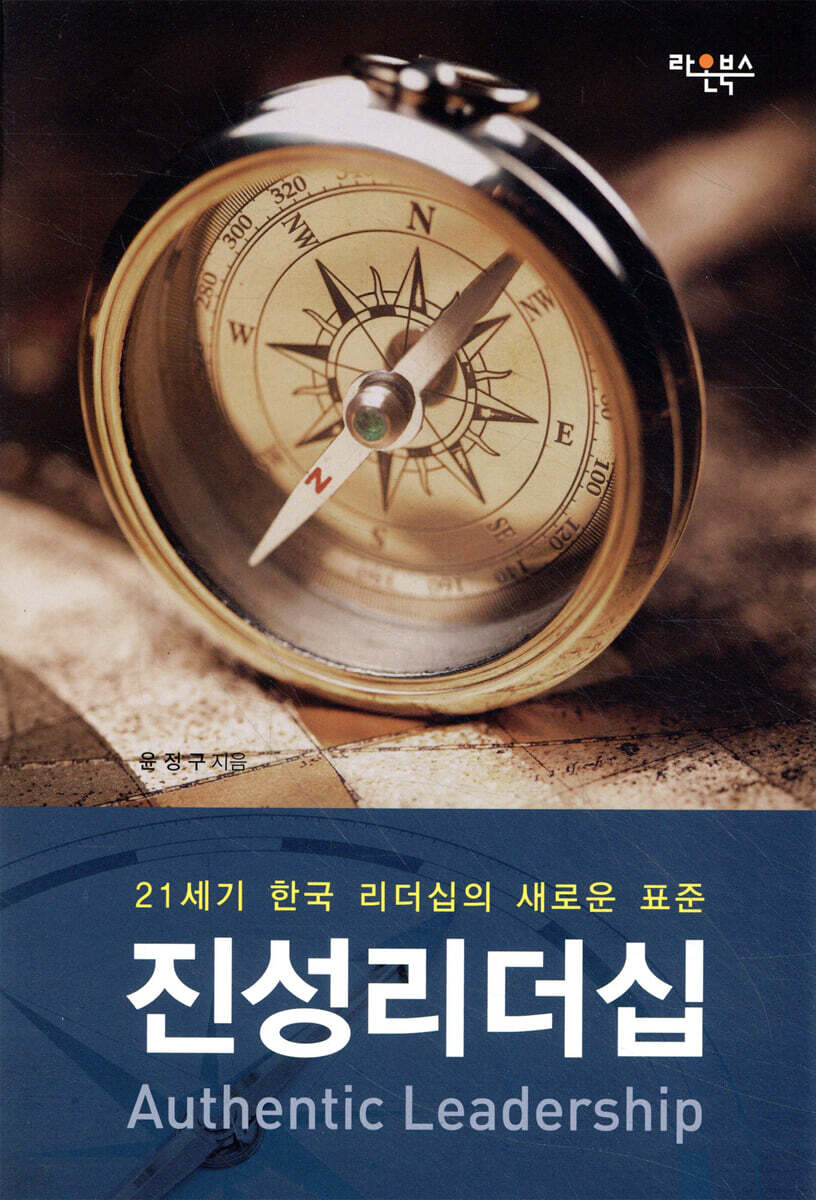
Just as companies and leaders raise the topic of "let's go back to the basics" when they lose their way, authentic leadership shows the true north of leadership that modern leaders who are lost and wandering in the midst of an L-shaped recession should return to.
In order for leaders to survive in this L-shaped economy, they must quickly move on from the successes they have gained in leadership during good times.
The successful leadership experiences that have guided Korea so far include the charismatic leadership of the developmental dictatorship era and the short-term market performance-oriented neoliberalism that helped overcome the IMF crisis in a short period of time.
The omnipotent charismatic leadership has undermined the ethics of management by ignoring procedures if only success is guaranteed, and short-term market performance-oriented practices have committed the folly of killing the goose that lays the golden eggs for the sake of performance.
A true leader sheds the armor of short-term market performance driven by omnipotent charisma and endless competition, and instead focuses on purposeful results.
They identify the essential elements of leadership and emphasize intentional alignment among these essential elements to achieve purposeful results.
The reason authentic leadership emerges as the answer in the L-shaped game is because it sheds the costs of leadership—the bubbles, packaging, embellishments, and trickery—and instead uses this energy to realize a genuine mission.
Genuine leaders are those who inspire the hearts of their members with a genuine mission and work together with them to make the world a better place.
In today's world, where all information is transparently disclosed thanks to the development of social media, a leader's sincerity is the only secret code that can kill two birds with one stone: ethical management and sustainable performance.
The secret of companies that continue to grow rapidly even in the L-shaped economy is authentic leadership.
The reason why genuine leadership can revive corporate performance in the midst of an L-shaped recession is because of the spirit of "Sa-Husa-Husa" (繪事後素), which removes the packaging, acting, and decoration related to leadership that has been hidden in the economic bubble and returns to the fundamental essence of leadership.
Just as companies and leaders raise the topic of "let's go back to the basics" when they lose their way, authentic leadership shows the true north of leadership that modern leaders who are lost and wandering in the midst of an L-shaped recession should return to.
In order for leaders to survive in this L-shaped economy, they must quickly move on from the successes they have gained in leadership during good times.
The successful leadership experiences that have guided Korea so far include the charismatic leadership of the developmental dictatorship era and the short-term market performance-oriented neoliberalism that helped overcome the IMF crisis in a short period of time.
The omnipotent charismatic leadership has undermined the ethics of management by ignoring procedures if only success is guaranteed, and short-term market performance-oriented practices have committed the folly of killing the goose that lays the golden eggs for the sake of performance.
A true leader sheds the armor of short-term market performance driven by omnipotent charisma and endless competition, and instead focuses on purposeful results.
They identify the essential elements of leadership and emphasize intentional alignment among these essential elements to achieve purposeful results.
The reason authentic leadership emerges as the answer in the L-shaped game is because it sheds the costs of leadership—the bubbles, packaging, embellishments, and trickery—and instead uses this energy to realize a genuine mission.
Genuine leaders are those who inspire the hearts of their members with a genuine mission and work together with them to make the world a better place.
In today's world, where all information is transparently disclosed thanks to the development of social media, a leader's sincerity is the only secret code that can kill two birds with one stone: ethical management and sustainable performance.
--- From the text
Publisher's Review
What is authentic leadership? Is it too abstract and theoretical? Are there concrete implementation methods that differentiate it from other leadership theories? Why is authentic leadership necessary?
These are the questions that come to mind when thinking about genuine leadership.
Regarding these questions, the author completely dispels curiosity about authentic leadership by describing it as follows in the section on misunderstandings about authentic leadership.
Misconceptions about authentic leadership
The biggest misconception about authentic leadership is that authentic leaders, like traditional leaders, lead their organizations and subordinates based on vision.
It's not that true leaders don't value vision, but they value the mission that corresponds to the vision's destination more.
The second misconception is that authentic leaders reject all conventional leadership.
No, it isn't.
Authentic leaders emphasize leadership skills and styles just like ordinary leaders, but they emphasize that these styles and skills must be rooted and integrated into the leader's true character.
The third misconception is that character, the foundation of a true leader, is innate and therefore cannot be changed.
This misunderstanding arises from a failure to distinguish between character and personality.
While everyone has a strong innate personality, character goes beyond personality and is something that is created by the individual through long-term training and discipline, internalizing their own story.
A true leader goes beyond innate character and values character developed based on one's mission.
The fourth misconception is that genuine leaders are portrayed as kind and good leaders, which means they are unable to make decisions and ultimately fail to achieve results.
This is a false claim.
The reason for a leader's existence is to create results through a positive influence on subordinates.
If you don't get results, you're not a leader.
Therefore, whether or not someone achieves results is a question of defining whether or not they are a leader, not an issue of genuine leadership.
What makes a true leader different from ordinary leaders is that they are leaders who pursue sustainable results beyond short-term results.
The fifth misunderstanding is the misunderstanding that comes from equating a true leader with a gentleman.
If a mature gentleman is someone who has achieved perfection in everything, a true leader is someone who is on a journey to find the true north, the reason for their existence.
In short, he is not a perfected adult, but a person who is immersed in the process of learning and growing to find his own reason for existence.
A final misconception is that authentic leaders ignore organizational context because they emphasize individual character.
This is also a false claim.
Authentic leadership emphasizes the interaction between the seed of leadership, called an authentic leader, and the soil of leadership, called an authentic organization.
While existing situational theories subordinate the leader's free will to situational characteristics, authentic leadership emphasizes that leaders can actively interpret and restructure situations to change them.
Authentic leadership is the new leadership required in the 21st century.
The author lists constructivism, design creativity, experiential industry, platform industry, hyper-connected society, and L-shaped economy as keywords for the future.
And we present authentic leadership as a future leadership standard with these characteristics.
Authentic leaders who practice authentic leadership establish their mental models centered on a mission as the purpose of life, a vision as a stopping point for achieving the mission, values as guidelines for decision-making in the process of achieving the vision, and identity.
In addition, it emphasizes the transparency of relationships by starting from an ontological perspective rather than a possessive perspective in relationships with people.
Furthermore, it considers the social and organizational context of genuine leadership.
In other words, he emphasizes that a true leader is one who promotes the co-evolution of the ecosystem in which he or she is rooted, whether as an individual or an organization.
Kant once said that intuition without concepts is blind, and concepts without intuition are empty.
This book presents not only the concepts and principles of authentic leadership, but also specific practical methodologies.
As a result, it aims for a perfect integration of theory and practice.
This is because true leadership itself is based on self-awareness and self-regulation.
I hope that through this book, genuine leaders who understand the principles of genuine leadership and put them into practice will be born in our country.
These are the questions that come to mind when thinking about genuine leadership.
Regarding these questions, the author completely dispels curiosity about authentic leadership by describing it as follows in the section on misunderstandings about authentic leadership.
Misconceptions about authentic leadership
The biggest misconception about authentic leadership is that authentic leaders, like traditional leaders, lead their organizations and subordinates based on vision.
It's not that true leaders don't value vision, but they value the mission that corresponds to the vision's destination more.
The second misconception is that authentic leaders reject all conventional leadership.
No, it isn't.
Authentic leaders emphasize leadership skills and styles just like ordinary leaders, but they emphasize that these styles and skills must be rooted and integrated into the leader's true character.
The third misconception is that character, the foundation of a true leader, is innate and therefore cannot be changed.
This misunderstanding arises from a failure to distinguish between character and personality.
While everyone has a strong innate personality, character goes beyond personality and is something that is created by the individual through long-term training and discipline, internalizing their own story.
A true leader goes beyond innate character and values character developed based on one's mission.
The fourth misconception is that genuine leaders are portrayed as kind and good leaders, which means they are unable to make decisions and ultimately fail to achieve results.
This is a false claim.
The reason for a leader's existence is to create results through a positive influence on subordinates.
If you don't get results, you're not a leader.
Therefore, whether or not someone achieves results is a question of defining whether or not they are a leader, not an issue of genuine leadership.
What makes a true leader different from ordinary leaders is that they are leaders who pursue sustainable results beyond short-term results.
The fifth misunderstanding is the misunderstanding that comes from equating a true leader with a gentleman.
If a mature gentleman is someone who has achieved perfection in everything, a true leader is someone who is on a journey to find the true north, the reason for their existence.
In short, he is not a perfected adult, but a person who is immersed in the process of learning and growing to find his own reason for existence.
A final misconception is that authentic leaders ignore organizational context because they emphasize individual character.
This is also a false claim.
Authentic leadership emphasizes the interaction between the seed of leadership, called an authentic leader, and the soil of leadership, called an authentic organization.
While existing situational theories subordinate the leader's free will to situational characteristics, authentic leadership emphasizes that leaders can actively interpret and restructure situations to change them.
Authentic leadership is the new leadership required in the 21st century.
The author lists constructivism, design creativity, experiential industry, platform industry, hyper-connected society, and L-shaped economy as keywords for the future.
And we present authentic leadership as a future leadership standard with these characteristics.
Authentic leaders who practice authentic leadership establish their mental models centered on a mission as the purpose of life, a vision as a stopping point for achieving the mission, values as guidelines for decision-making in the process of achieving the vision, and identity.
In addition, it emphasizes the transparency of relationships by starting from an ontological perspective rather than a possessive perspective in relationships with people.
Furthermore, it considers the social and organizational context of genuine leadership.
In other words, he emphasizes that a true leader is one who promotes the co-evolution of the ecosystem in which he or she is rooted, whether as an individual or an organization.
Kant once said that intuition without concepts is blind, and concepts without intuition are empty.
This book presents not only the concepts and principles of authentic leadership, but also specific practical methodologies.
As a result, it aims for a perfect integration of theory and practice.
This is because true leadership itself is based on self-awareness and self-regulation.
I hope that through this book, genuine leaders who understand the principles of genuine leadership and put them into practice will be born in our country.
GOODS SPECIFICS
- Date of issue: November 6, 2015
- Page count, weight, size: 392 pages | 152*225*30mm
- ISBN13: 9791195508174
- ISBN10: 1195508174
You may also like
카테고리
korean


korean

![GQ KOREA Mark (Monthly): December [2025]](http://librairie.coreenne.fr/cdn/shop/files/8ef265dbbfbf186523ed75ba7319009d.jpg?v=1765340328&width=3840)


