

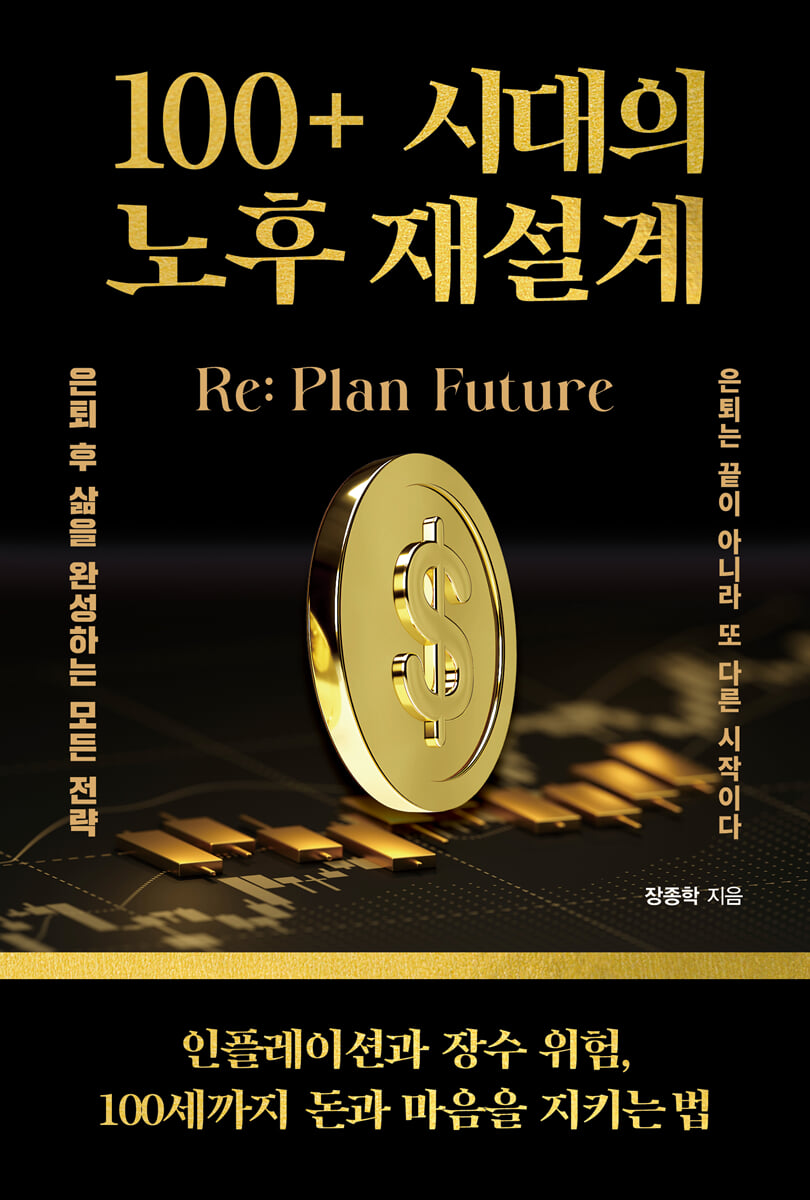
Redesigning the aging process for the 100+ era
 |
Description
Book Introduction
As we enter a super-aging society, preparing for old age has become a necessity rather than an option.
"Redesigning Retirement in the 100+ Era" presents specific solutions for how to design your life after retirement, when you will lose many things, including money, health, work, and relationships.
It provides practical financial guidance on how to utilize the pension system, housing alternatives, and investment strategies, along with wisdom to overcome deficiencies in health, work, and relationships, guiding you toward both economic independence and emotional stability.
This book, which covers a variety of factors related to loss in old age, will serve as a valuable guide for all those who are walking the path of old age.
"Redesigning Retirement in the 100+ Era" presents specific solutions for how to design your life after retirement, when you will lose many things, including money, health, work, and relationships.
It provides practical financial guidance on how to utilize the pension system, housing alternatives, and investment strategies, along with wisdom to overcome deficiencies in health, work, and relationships, guiding you toward both economic independence and emotional stability.
This book, which covers a variety of factors related to loss in old age, will serve as a valuable guide for all those who are walking the path of old age.
- You can preview some of the book's contents.
Preview
index
Recommendation 1 ┃ Recommendation 2
preface
Part 1: Everything You Need to Know About Retirement Financial Planning
From National Pension to Funds
Chapter 1: Building a Secure Retirement with a Five-Story Pension Home
A retirement plan that completes a five-story pension home ┃ 1st floor: National Pension ┃ 2nd floor: Retirement Pension ┃ 3rd floor: Pension Savings Fund ┃ 4th floor: Housing Pension and Farmland Pension ┃ 5th floor: Monthly Payment Fund
Chapter 2: Systems and Strategies for Protecting Old Age
National Pension 3 Million Won Monthly Strategy ┃ National Pension Receipt Strategy: Early vs. Delayed ┃ Pension Withdrawal Strategy: 4% vs. 7% Principle ┃ Public Pension Linkage System ┃ Agricultural Direct Payment ┃ The Importance of the Basic Pension ┃ Health Insurance Premium Reduction Strategy
Chapter 3: Housing Alternatives After Retirement: A Guide to Public Rental Housing
Overview of National Rental Housing and Application Qualifications ┃ Check rental announcements and apply online ┃ Submit documents and announce winners ┃ Sign lease agreement and move in ┃ Renewal contract review criteria and rent adjustment
Chapter 4: Investment Strategies Available After Retirement
CMA, ISA, and Pension Savings Funds ┃ ETF Investment Strategies ┃ Strategy to Double Your Assets in 10 Years
Part 2: Principles and Strategies of Stock Investment
┃How to Grow Your Assets After Retirement┃
Chapter 1: The Necessity of Stock Investment
How to Make Your Money Work for You ┃ Nominal vs. Real Interest Rates ┃ Money Illusion ┃ Rich Men, Poor Women ┃ The Nature of Stock Investment ┃ Investment or Speculation?
Chapter 2: Stock Investment Strategies and Implementation Methods
Stock Investment Strategies ┃ Types of Stock Investment Products ┃ Stock Investment vs. Bank Deposits vs. Savings Insurance ┃ Stock Investment vs. Bond Investment ┃ The Golden Ratio of Asset Allocation ┃ The 70:20:10 Principle ┃ Rebalancing
Chapter 3: Return and Risk: The Art of Balanced Investment
The Return Structure of Stock Investments ┃ Appropriate Expected Returns on Stock Investments ┃ Stock Investment and Risk Management ┃ The Importance of Diversification
Part 3: The Blueprint for a Second Life
┃Crisis, Insight, and Action┃
Chapter 1: The Retirement Income Pyramid and the Reality of Retirement Poverty
The Retirement Income Pyramid: Income Levels and Lifestyle Characteristics by Class ┃ Why Korea's Elderly Poverty and Suicide Rates Are High ┃ 10 Painful Regrets of Retirees
Chapter 2: Economic Risks Threatening Retirement
Inflation risk ┃ Investment risk ┃ Longevity risk ┃ Disease risk ┃ Child risk
Chapter 3: A New Perspective on Aging
Equation of Change ┃ Duality and the Right Attitude toward Money ┃ Old Flex
Chapter 4: Loss and Recovery in Old Age
Health: Balance of physical and mental health ┃ Money: Creating sustainable wealth ┃ Work: Meaning of life ┃ Relationships: Blessings of encounters ┃ Dreams and visions: Hopes for life ┃ Present: Being faithful to this moment
Chapter 5: Life Skills to Make Your Old Age Shine
Gratitude and Learning ┃ Purposeful Living and Flexible Thinking ┃ Healthy Habits ┃ The Economics of Simplicity and Balance ┃ Utilizing Public Resources and Financial Knowledge ┃ Balance and Integration in Life ┃ Wisdom of Old Age from Proverbs
supplement
Act Two: The Courage to Start Again - Learning from Kamachi Chicken: The Path to Entrepreneurship in Old Age
preface
Part 1: Everything You Need to Know About Retirement Financial Planning
From National Pension to Funds
Chapter 1: Building a Secure Retirement with a Five-Story Pension Home
A retirement plan that completes a five-story pension home ┃ 1st floor: National Pension ┃ 2nd floor: Retirement Pension ┃ 3rd floor: Pension Savings Fund ┃ 4th floor: Housing Pension and Farmland Pension ┃ 5th floor: Monthly Payment Fund
Chapter 2: Systems and Strategies for Protecting Old Age
National Pension 3 Million Won Monthly Strategy ┃ National Pension Receipt Strategy: Early vs. Delayed ┃ Pension Withdrawal Strategy: 4% vs. 7% Principle ┃ Public Pension Linkage System ┃ Agricultural Direct Payment ┃ The Importance of the Basic Pension ┃ Health Insurance Premium Reduction Strategy
Chapter 3: Housing Alternatives After Retirement: A Guide to Public Rental Housing
Overview of National Rental Housing and Application Qualifications ┃ Check rental announcements and apply online ┃ Submit documents and announce winners ┃ Sign lease agreement and move in ┃ Renewal contract review criteria and rent adjustment
Chapter 4: Investment Strategies Available After Retirement
CMA, ISA, and Pension Savings Funds ┃ ETF Investment Strategies ┃ Strategy to Double Your Assets in 10 Years
Part 2: Principles and Strategies of Stock Investment
┃How to Grow Your Assets After Retirement┃
Chapter 1: The Necessity of Stock Investment
How to Make Your Money Work for You ┃ Nominal vs. Real Interest Rates ┃ Money Illusion ┃ Rich Men, Poor Women ┃ The Nature of Stock Investment ┃ Investment or Speculation?
Chapter 2: Stock Investment Strategies and Implementation Methods
Stock Investment Strategies ┃ Types of Stock Investment Products ┃ Stock Investment vs. Bank Deposits vs. Savings Insurance ┃ Stock Investment vs. Bond Investment ┃ The Golden Ratio of Asset Allocation ┃ The 70:20:10 Principle ┃ Rebalancing
Chapter 3: Return and Risk: The Art of Balanced Investment
The Return Structure of Stock Investments ┃ Appropriate Expected Returns on Stock Investments ┃ Stock Investment and Risk Management ┃ The Importance of Diversification
Part 3: The Blueprint for a Second Life
┃Crisis, Insight, and Action┃
Chapter 1: The Retirement Income Pyramid and the Reality of Retirement Poverty
The Retirement Income Pyramid: Income Levels and Lifestyle Characteristics by Class ┃ Why Korea's Elderly Poverty and Suicide Rates Are High ┃ 10 Painful Regrets of Retirees
Chapter 2: Economic Risks Threatening Retirement
Inflation risk ┃ Investment risk ┃ Longevity risk ┃ Disease risk ┃ Child risk
Chapter 3: A New Perspective on Aging
Equation of Change ┃ Duality and the Right Attitude toward Money ┃ Old Flex
Chapter 4: Loss and Recovery in Old Age
Health: Balance of physical and mental health ┃ Money: Creating sustainable wealth ┃ Work: Meaning of life ┃ Relationships: Blessings of encounters ┃ Dreams and visions: Hopes for life ┃ Present: Being faithful to this moment
Chapter 5: Life Skills to Make Your Old Age Shine
Gratitude and Learning ┃ Purposeful Living and Flexible Thinking ┃ Healthy Habits ┃ The Economics of Simplicity and Balance ┃ Utilizing Public Resources and Financial Knowledge ┃ Balance and Integration in Life ┃ Wisdom of Old Age from Proverbs
supplement
Act Two: The Courage to Start Again - Learning from Kamachi Chicken: The Path to Entrepreneurship in Old Age
Into the book
Managing your income and assets efficiently to minimize unnecessary insurance premiums is a practical wisdom for wise seniors.
Moreover, this goes beyond simply reducing the burden on individuals; it becomes the foundation for improving the quality of life by enabling rational and sustainable financial management.
Ultimately, a wise senior is someone who manages their income, taxes, and insurance premiums in a balanced manner even after retirement, and chooses a life that has a positive impact on themselves, their family, and society as a whole.
---p.114
Stocks are not just pieces of paper or numbers.
That means owning ownership of the company, or in other words, owning a part of the company.
When we buy stock in a company, it means we become partners who share in the company's profits, growth, losses, and risks.
From this perspective, stock investment should go beyond simply buying low and selling high, and should be an activity that involves looking at the future of a company and participating with a long-term perspective.
---p.181
The fact that Korea has the highest elderly poverty rate and suicide rate in the world is not simply a disgrace, but an indicator of the structural vulnerabilities of our society.
Rapid industrialization, the wealth gap between generations, an imperfect pension system, a weakening family support function, and social isolation and declining health are all working together to push older people into poverty and despair.
This is not simply an individual problem; it is the responsibility of society as a whole, transcending generations and classes, and is also a task for future generations.
---p.249
Change must continue even in old age.
To make your later years shine, not only physical changes but also mental changes are important.
The key is to maintain a positive will and flexible thinking, believing that "there is still something to learn" and that "I can still change."
---p.280
Many people think that preparing for retirement is limited to 'money,' but in reality, there are many more factors that affect life in retirement.
Financial security is essential, but it alone does not guarantee a satisfying and healthy retirement.
A balanced retirement is only possible when non-financial factors such as medical expenses and health care, a safe and comfortable living environment, active social relationships, and a sense of meaning and purpose in life are supported.
---p.293
Loss in old age is an unavoidable fact of life.
How we accept and respond to it is up to each individual.
As Goethe said, it is not how long you live but how you live that matters.
Old age is not just a time of growing old, it is a time of ripening.
We must cultivate our lives with care so that the fragrance and warmth of life can permeate into that ripeness.
Only then can we truly begin to live a life of ‘aging well’ and ‘ending with dignity.’
---p.308
Old age is a time to look back on the entirety of one's life and complete it into a single story.
Those who pursue balance and integration in life enjoy harmony and peace along the way, ultimately realizing a life lived as a dignified human being.
Moreover, this goes beyond simply reducing the burden on individuals; it becomes the foundation for improving the quality of life by enabling rational and sustainable financial management.
Ultimately, a wise senior is someone who manages their income, taxes, and insurance premiums in a balanced manner even after retirement, and chooses a life that has a positive impact on themselves, their family, and society as a whole.
---p.114
Stocks are not just pieces of paper or numbers.
That means owning ownership of the company, or in other words, owning a part of the company.
When we buy stock in a company, it means we become partners who share in the company's profits, growth, losses, and risks.
From this perspective, stock investment should go beyond simply buying low and selling high, and should be an activity that involves looking at the future of a company and participating with a long-term perspective.
---p.181
The fact that Korea has the highest elderly poverty rate and suicide rate in the world is not simply a disgrace, but an indicator of the structural vulnerabilities of our society.
Rapid industrialization, the wealth gap between generations, an imperfect pension system, a weakening family support function, and social isolation and declining health are all working together to push older people into poverty and despair.
This is not simply an individual problem; it is the responsibility of society as a whole, transcending generations and classes, and is also a task for future generations.
---p.249
Change must continue even in old age.
To make your later years shine, not only physical changes but also mental changes are important.
The key is to maintain a positive will and flexible thinking, believing that "there is still something to learn" and that "I can still change."
---p.280
Many people think that preparing for retirement is limited to 'money,' but in reality, there are many more factors that affect life in retirement.
Financial security is essential, but it alone does not guarantee a satisfying and healthy retirement.
A balanced retirement is only possible when non-financial factors such as medical expenses and health care, a safe and comfortable living environment, active social relationships, and a sense of meaning and purpose in life are supported.
---p.293
Loss in old age is an unavoidable fact of life.
How we accept and respond to it is up to each individual.
As Goethe said, it is not how long you live but how you live that matters.
Old age is not just a time of growing old, it is a time of ripening.
We must cultivate our lives with care so that the fragrance and warmth of life can permeate into that ripeness.
Only then can we truly begin to live a life of ‘aging well’ and ‘ending with dignity.’
---p.308
Old age is a time to look back on the entirety of one's life and complete it into a single story.
Those who pursue balance and integration in life enjoy harmony and peace along the way, ultimately realizing a life lived as a dignified human being.
---p.324
Publisher's Review
A 100-Year Life: A Guide to Planning Your Future for Entering Seniorhood!
A to Z Guide to Retirement Planning, from Financial Independence to Emotional Stability
As of December 2024, the elderly population (aged 65 and older) will exceed 20% of the total population, confirming the country's status as a super-aged society. Interest in the issues surrounding the elderly is growing in Korean society.
At the heart of it all lies a rapidly increasing life expectancy and national institutions that are failing to keep pace.
As a result, the steady increase in the elderly poverty rate has made economic independence in old age essential.
This leads to socio-psychological anxiety about growing old, which expands into various negative perceptions of old age.
From financial planning to investment strategies, everything you need to know about financial independence in retirement.
In a reality where we can't rely solely on the National Pension, how should we plan our finances after retirement?
"Re-designing Retirement in the 100+ Era" presents detailed cash flow design plans utilizing systems such as the "5-story pension house" concept, agricultural direct payments, basic pension, and health insurance premium reductions.
At the same time, it provides detailed information on housing alternatives for seniors who do not own their own homes, as well as asset management methods using various funds and stock investments, covering everything related to retirement financial planning.
This plays an active role in helping to make the theoretically achievable economic independence of the elderly a feasible reality.
Redefining the value of ‘growing old’
Furthermore, the author does not limit retirement preparation to the economic aspect.
The author presents, with his own insights, how to overcome the elements of loss in old age mentioned by German philosopher Goethe: health, money, work, relationships, and dreams.
At the center of that insight is none other than the ‘present.’
The author's perspective, which views old age not as the end of life but as a continuation of the present, naturally dismantles the social view of old age as fraught with deprivation and anxiety, and presents a new value that only growing old can possess.
Among the endless stream of self-help books on retirement, "Redesigning Retirement in the 100+ Era" broadly covers issues related to old age, including finances, health, and relationships, offering practical solutions and profound philosophies for managing your later years.
This encyclopedia of old age will serve as a solid life guide for everyone, not only those just entering old age but also those who will walk that path in the future.
A to Z Guide to Retirement Planning, from Financial Independence to Emotional Stability
As of December 2024, the elderly population (aged 65 and older) will exceed 20% of the total population, confirming the country's status as a super-aged society. Interest in the issues surrounding the elderly is growing in Korean society.
At the heart of it all lies a rapidly increasing life expectancy and national institutions that are failing to keep pace.
As a result, the steady increase in the elderly poverty rate has made economic independence in old age essential.
This leads to socio-psychological anxiety about growing old, which expands into various negative perceptions of old age.
From financial planning to investment strategies, everything you need to know about financial independence in retirement.
In a reality where we can't rely solely on the National Pension, how should we plan our finances after retirement?
"Re-designing Retirement in the 100+ Era" presents detailed cash flow design plans utilizing systems such as the "5-story pension house" concept, agricultural direct payments, basic pension, and health insurance premium reductions.
At the same time, it provides detailed information on housing alternatives for seniors who do not own their own homes, as well as asset management methods using various funds and stock investments, covering everything related to retirement financial planning.
This plays an active role in helping to make the theoretically achievable economic independence of the elderly a feasible reality.
Redefining the value of ‘growing old’
Furthermore, the author does not limit retirement preparation to the economic aspect.
The author presents, with his own insights, how to overcome the elements of loss in old age mentioned by German philosopher Goethe: health, money, work, relationships, and dreams.
At the center of that insight is none other than the ‘present.’
The author's perspective, which views old age not as the end of life but as a continuation of the present, naturally dismantles the social view of old age as fraught with deprivation and anxiety, and presents a new value that only growing old can possess.
Among the endless stream of self-help books on retirement, "Redesigning Retirement in the 100+ Era" broadly covers issues related to old age, including finances, health, and relationships, offering practical solutions and profound philosophies for managing your later years.
This encyclopedia of old age will serve as a solid life guide for everyone, not only those just entering old age but also those who will walk that path in the future.
GOODS SPECIFICS
- Date of issue: November 5, 2025
- Page count, weight, size: 336 pages | 152*225*30mm
- ISBN13: 9791167527004
- ISBN10: 1167527003
You may also like
카테고리
korean


korean

![GQ KOREA Mark (Monthly): December [2025]](http://librairie.coreenne.fr/cdn/shop/files/8ef265dbbfbf186523ed75ba7319009d.jpg?v=1765340328&width=3840)


