

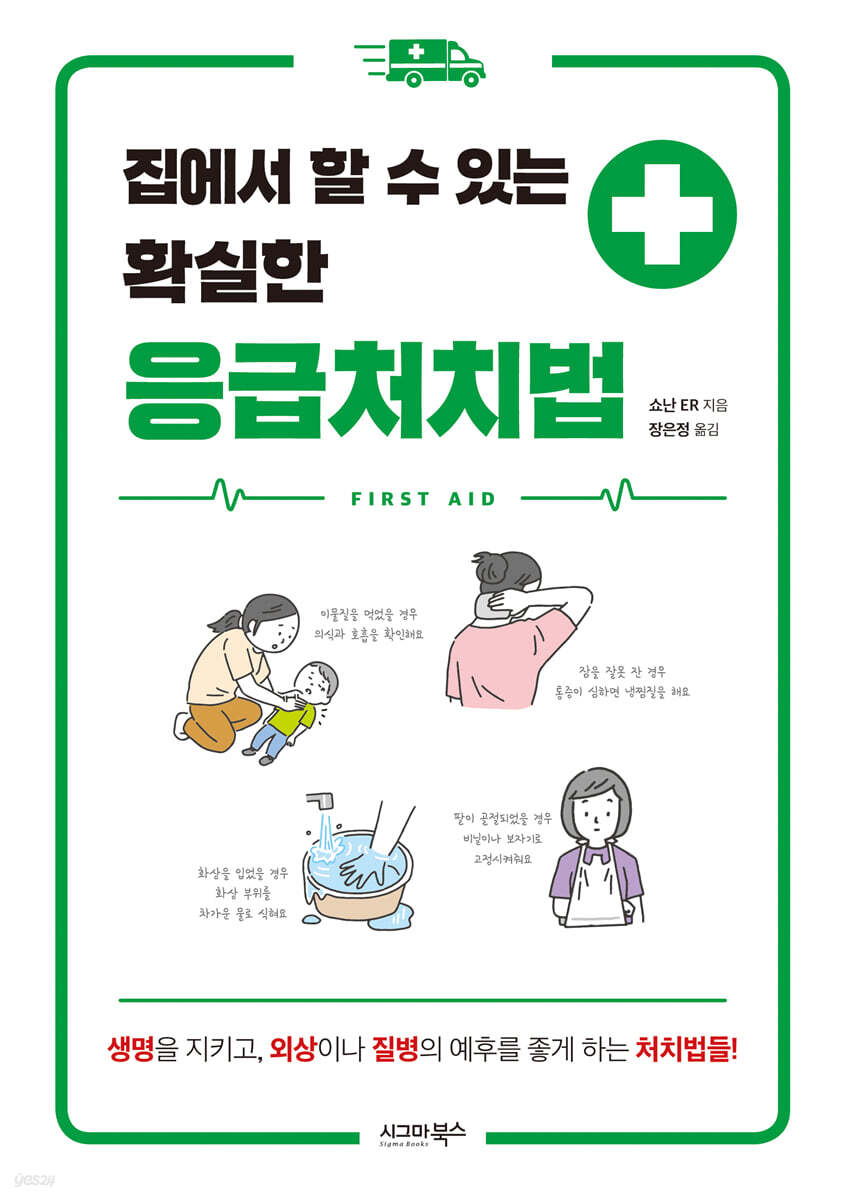
Reliable first aid methods you can do at home
 |
Description
Book Introduction
The emergency room doctor explains
Sure and correct first aid!
This book introduces the latest medical information and first aid techniques that can be practiced at home by doctors who treat patients every day in emergency situations.
It covers everything from common trauma in daily life, such as burns, cuts, and sprains, to abnormal symptoms that appear in the body, such as headaches and fever.
It also covers injuries that can occur during outdoor activities.
It's not that difficult, so once you get used to it, you'll be able to deal with emergencies without panicking.
Sure and correct first aid!
This book introduces the latest medical information and first aid techniques that can be practiced at home by doctors who treat patients every day in emergency situations.
It covers everything from common trauma in daily life, such as burns, cuts, and sprains, to abnormal symptoms that appear in the body, such as headaches and fever.
It also covers injuries that can occur during outdoor activities.
It's not that difficult, so once you get used to it, you'll be able to deal with emergencies without panicking.
- You can preview some of the book's contents.
Preview
index
Doctor at Shonan ER
Entering
About this book
Chapter 1 First Aid for Trauma
abrasions and cuts
burn
When a thorn is stuck
When bitten by a pet
When your fingernails and toenails break
Contusions and sprains
Sprains and fractures of the fingers and toes
Lost arm
First Aid Column 1 Our Home First Aid Kit
Chapter 2 First Aid at Home
Hyperventilation
Shortness of breath
chest pain
choke
Swallowed wrongly
When a foreign substance enters the ear or nose and does not come out
When your eye is injured
convulsions
swoon
Anaphylaxis (allergy)
Hematemesis
electric shock
acute alcohol intoxication
heatstroke
Bathing accident
Fall accidents in infants and toddlers
Falls and falls in the elderly
Emergency column 2: Identifying the symptoms of stroke
Emergency Column 3: Request for Life-Saving Emergency Dispatch
Chapter 3: First Aid for Accidents in Daily Life
When you have a nosebleed
When a foreign substance gets into your eye
When the eardrum is damaged
When I got a cramp in my leg
When you sleep poorly
When I hurt my back
When your fingers are stuck to the glue
When the hiccups won't stop
When the baby won't stop crying
When it touches your shoes and gets scratched
When I got burned badly
When a tooth falls out
When the ring won't come off
Emergency column 4: What is CPR?
Chapter 4 Abnormal Body Symptoms and First Aid at Home
Fever in adults
headache
colic
Orthostatic dizziness
nausea and vomiting
diarrhea
hives
period cramps
Frozen shoulder (forty shoulder, fifty shoulder)
Emergency column Special: Abnormal symptoms in children that are concerning
Chapter 5 First Aid for Outdoor Accidents
When stung by an insect
When bitten by a snake
When stung by a marine creature
Accidents that occur in the sea or river
hypothermia
whiplash injury
Emergency Column 5: Infection Control Measures You Can Practicing at Home
Emergency column 6: Self-Check Your Health
Ambulance Column 7 What if you hesitate to call an ambulance?
Going out
Entering
About this book
Chapter 1 First Aid for Trauma
abrasions and cuts
burn
When a thorn is stuck
When bitten by a pet
When your fingernails and toenails break
Contusions and sprains
Sprains and fractures of the fingers and toes
Lost arm
First Aid Column 1 Our Home First Aid Kit
Chapter 2 First Aid at Home
Hyperventilation
Shortness of breath
chest pain
choke
Swallowed wrongly
When a foreign substance enters the ear or nose and does not come out
When your eye is injured
convulsions
swoon
Anaphylaxis (allergy)
Hematemesis
electric shock
acute alcohol intoxication
heatstroke
Bathing accident
Fall accidents in infants and toddlers
Falls and falls in the elderly
Emergency column 2: Identifying the symptoms of stroke
Emergency Column 3: Request for Life-Saving Emergency Dispatch
Chapter 3: First Aid for Accidents in Daily Life
When you have a nosebleed
When a foreign substance gets into your eye
When the eardrum is damaged
When I got a cramp in my leg
When you sleep poorly
When I hurt my back
When your fingers are stuck to the glue
When the hiccups won't stop
When the baby won't stop crying
When it touches your shoes and gets scratched
When I got burned badly
When a tooth falls out
When the ring won't come off
Emergency column 4: What is CPR?
Chapter 4 Abnormal Body Symptoms and First Aid at Home
Fever in adults
headache
colic
Orthostatic dizziness
nausea and vomiting
diarrhea
hives
period cramps
Frozen shoulder (forty shoulder, fifty shoulder)
Emergency column Special: Abnormal symptoms in children that are concerning
Chapter 5 First Aid for Outdoor Accidents
When stung by an insect
When bitten by a snake
When stung by a marine creature
Accidents that occur in the sea or river
hypothermia
whiplash injury
Emergency Column 5: Infection Control Measures You Can Practicing at Home
Emergency column 6: Self-Check Your Health
Ambulance Column 7 What if you hesitate to call an ambulance?
Going out
Detailed image

Into the book
The biggest concern when a wound occurs is 'bacterial infection'.
If the wound becomes infected with bacteria, pus may form and the wound may heal slowly, requiring antibiotics.
The most important thing for prevention is to wash the wound as quickly as possible.
Wash thoroughly with tap water for at least 5 minutes.
You can use soap.
Remove any visible foreign substances such as dirt and sand.
If there is any further bleeding, apply firm pressure to the wound with a clean gauze or cloth for 20 minutes.
Most bleeding stops at that point.
--- From "Chapter 1 First Aid for Trauma"
Symptoms of heatstroke vary, including dizziness, nausea, lethargy, and confusion. When consciousness is not clear, it is classified as severe.
If you suspect heatstroke, first lie down in a cool place.
Since sweating often consumes minerals from the body, drink water with salt to cool the body down.
If you are not conscious, you should go to the hospital and get examined as soon as possible.
Also, even if the symptoms are mild, if they do not improve, it is advisable to go to the hospital and get examined.
--- From "Chapter 2 First Aid You Can Do at Home"
Usually, hospitals prescribe medication that has the effect of stopping hiccups.
But there is a surprisingly simple way we can do this.
When pouring water into a cup and drinking it, drink it as if you were sipping water from the far side of the cup, the opposite of usual.
This movement is said to have the effect of stopping hiccups by relaxing the overactive nerves that move the diaphragm.
This method has a high success rate, so I highly recommend you try it.
--- From "Chapter 3 Emergency Treatment for Accidents in Daily Life"
When you have diarrhea, you lose more water than usual from your body, so you need to replenish your fluids.
Children and the elderly are more likely to become dehydrated, so caution is advised.
There are many cases where people complain, "I don't get enough water because I pour it out as soon as I drink it!", but it is important to "replenish as much as I lose."
Drink something you don't mind, such as oral fluids or sports drinks.
It is good to have children drink apple juice diluted by half.
--- From “Chapter 4 Abnormal Body Symptoms and First Aid at Home”
If you find someone falling into a river or the sea, first shout out loud to those around you for help.
Above all, even if you are confident in your swimming skills, you should never go in to rescue someone alone.
After rescue, check whether the person is conscious or not and whether he or she is breathing.
If the person is conscious, wipe the body with a dry towel and cover with a blanket to keep them warm.
If you feel chills or tremors, have shortness of breath, cough, chest pain, feel sluggish, or vomit, go to the hospital immediately.
If the wound becomes infected with bacteria, pus may form and the wound may heal slowly, requiring antibiotics.
The most important thing for prevention is to wash the wound as quickly as possible.
Wash thoroughly with tap water for at least 5 minutes.
You can use soap.
Remove any visible foreign substances such as dirt and sand.
If there is any further bleeding, apply firm pressure to the wound with a clean gauze or cloth for 20 minutes.
Most bleeding stops at that point.
--- From "Chapter 1 First Aid for Trauma"
Symptoms of heatstroke vary, including dizziness, nausea, lethargy, and confusion. When consciousness is not clear, it is classified as severe.
If you suspect heatstroke, first lie down in a cool place.
Since sweating often consumes minerals from the body, drink water with salt to cool the body down.
If you are not conscious, you should go to the hospital and get examined as soon as possible.
Also, even if the symptoms are mild, if they do not improve, it is advisable to go to the hospital and get examined.
--- From "Chapter 2 First Aid You Can Do at Home"
Usually, hospitals prescribe medication that has the effect of stopping hiccups.
But there is a surprisingly simple way we can do this.
When pouring water into a cup and drinking it, drink it as if you were sipping water from the far side of the cup, the opposite of usual.
This movement is said to have the effect of stopping hiccups by relaxing the overactive nerves that move the diaphragm.
This method has a high success rate, so I highly recommend you try it.
--- From "Chapter 3 Emergency Treatment for Accidents in Daily Life"
When you have diarrhea, you lose more water than usual from your body, so you need to replenish your fluids.
Children and the elderly are more likely to become dehydrated, so caution is advised.
There are many cases where people complain, "I don't get enough water because I pour it out as soon as I drink it!", but it is important to "replenish as much as I lose."
Drink something you don't mind, such as oral fluids or sports drinks.
It is good to have children drink apple juice diluted by half.
--- From “Chapter 4 Abnormal Body Symptoms and First Aid at Home”
If you find someone falling into a river or the sea, first shout out loud to those around you for help.
Above all, even if you are confident in your swimming skills, you should never go in to rescue someone alone.
After rescue, check whether the person is conscious or not and whether he or she is breathing.
If the person is conscious, wipe the body with a dry towel and cover with a blanket to keep them warm.
If you feel chills or tremors, have shortness of breath, cough, chest pain, feel sluggish, or vomit, go to the hospital immediately.
--- From "Chapter 5 First Aid for Outdoor Activity Accidents"
Publisher's Review
Protect life,
Improves the prognosis of trauma or disease
Treatment methods!
The authors of this book are doctors from the Emergency Medical Services (ER) department of Shonan Kamakura General Hospital, which receives patients 24 hours a day, 365 days a year.
The authors, who see patients every day and encounter a variety of symptoms in a variety of people, say that they realize how important the 'method of explanation' is each time.
Even if the diagnosis or test results are the same, if you explain them in an easy-to-understand way, the patient can accept it and have a positive attitude.
Such kindness is fully revealed in this book.
Each chapter provides easy-to-understand instructions on how to deal with common trauma, physical problems, and injuries that may occur during outdoor activities.
Here's a helpful column that will help you in an emergency, including information on CPR and other first aid supplies you should have on hand.
We also cover symptoms in children that require more attention.
How to cope to save life
First aid to improve the prognosis of trauma or disease
This book is divided into five chapters.
Chapter 1: First Aid for Trauma introduces how to deal with trauma that commonly occurs in everyday life.
Let's learn the proper coping skills needed when suffering from trauma and heal it cleanly.
If you learn it well, you will be able to treat it without panicking in an emergency.
Chapter 2 First Aid at Home introduces first aid that can be done at home before going to the hospital.
We have compiled a list of ways to deal with life-threatening problems that may arise in your body.
Let's learn it well in case an emergency arises.
In 'Chapter 3 Emergency Treatment for Accidents in Daily Life', we've collected coping methods centered around symptoms such as hesitation to go to the hospital and worry about leaving it alone.
Let's learn how to deal with it and prevent it from getting worse.
Chapter 4: First Aid for Abnormal Body Symptoms at Home tells you how to alleviate symptoms through self-treatment before going to the hospital.
Familiar symptoms that appear frequently may be signs of other illnesses, so it is important to find out the cause, so if you experience any recurring abnormalities in your body, take action quickly.
Chapter 5: First Aid for Outdoor Accidents tells you how to deal with accidents that may occur during outdoor activities.
In the outdoors, there is no guarantee that you will be able to get to the hospital immediately if a problem such as an injury occurs.
Therefore, it is important to anticipate possible situations and have preliminary knowledge.
Let's learn well and respond quickly.
Improves the prognosis of trauma or disease
Treatment methods!
The authors of this book are doctors from the Emergency Medical Services (ER) department of Shonan Kamakura General Hospital, which receives patients 24 hours a day, 365 days a year.
The authors, who see patients every day and encounter a variety of symptoms in a variety of people, say that they realize how important the 'method of explanation' is each time.
Even if the diagnosis or test results are the same, if you explain them in an easy-to-understand way, the patient can accept it and have a positive attitude.
Such kindness is fully revealed in this book.
Each chapter provides easy-to-understand instructions on how to deal with common trauma, physical problems, and injuries that may occur during outdoor activities.
Here's a helpful column that will help you in an emergency, including information on CPR and other first aid supplies you should have on hand.
We also cover symptoms in children that require more attention.
How to cope to save life
First aid to improve the prognosis of trauma or disease
This book is divided into five chapters.
Chapter 1: First Aid for Trauma introduces how to deal with trauma that commonly occurs in everyday life.
Let's learn the proper coping skills needed when suffering from trauma and heal it cleanly.
If you learn it well, you will be able to treat it without panicking in an emergency.
Chapter 2 First Aid at Home introduces first aid that can be done at home before going to the hospital.
We have compiled a list of ways to deal with life-threatening problems that may arise in your body.
Let's learn it well in case an emergency arises.
In 'Chapter 3 Emergency Treatment for Accidents in Daily Life', we've collected coping methods centered around symptoms such as hesitation to go to the hospital and worry about leaving it alone.
Let's learn how to deal with it and prevent it from getting worse.
Chapter 4: First Aid for Abnormal Body Symptoms at Home tells you how to alleviate symptoms through self-treatment before going to the hospital.
Familiar symptoms that appear frequently may be signs of other illnesses, so it is important to find out the cause, so if you experience any recurring abnormalities in your body, take action quickly.
Chapter 5: First Aid for Outdoor Accidents tells you how to deal with accidents that may occur during outdoor activities.
In the outdoors, there is no guarantee that you will be able to get to the hospital immediately if a problem such as an injury occurs.
Therefore, it is important to anticipate possible situations and have preliminary knowledge.
Let's learn well and respond quickly.
GOODS SPECIFICS
- Date of issue: April 25, 2023
- Page count, weight, size: 192 pages | 434g | 148*210*13mm
- ISBN13: 9791168621299
- ISBN10: 1168621291
You may also like
카테고리
korean


korean

![GQ KOREA Mark (Monthly): December [2025]](http://librairie.coreenne.fr/cdn/shop/files/8ef265dbbfbf186523ed75ba7319009d.jpg?v=1765340328&width=3840)


