

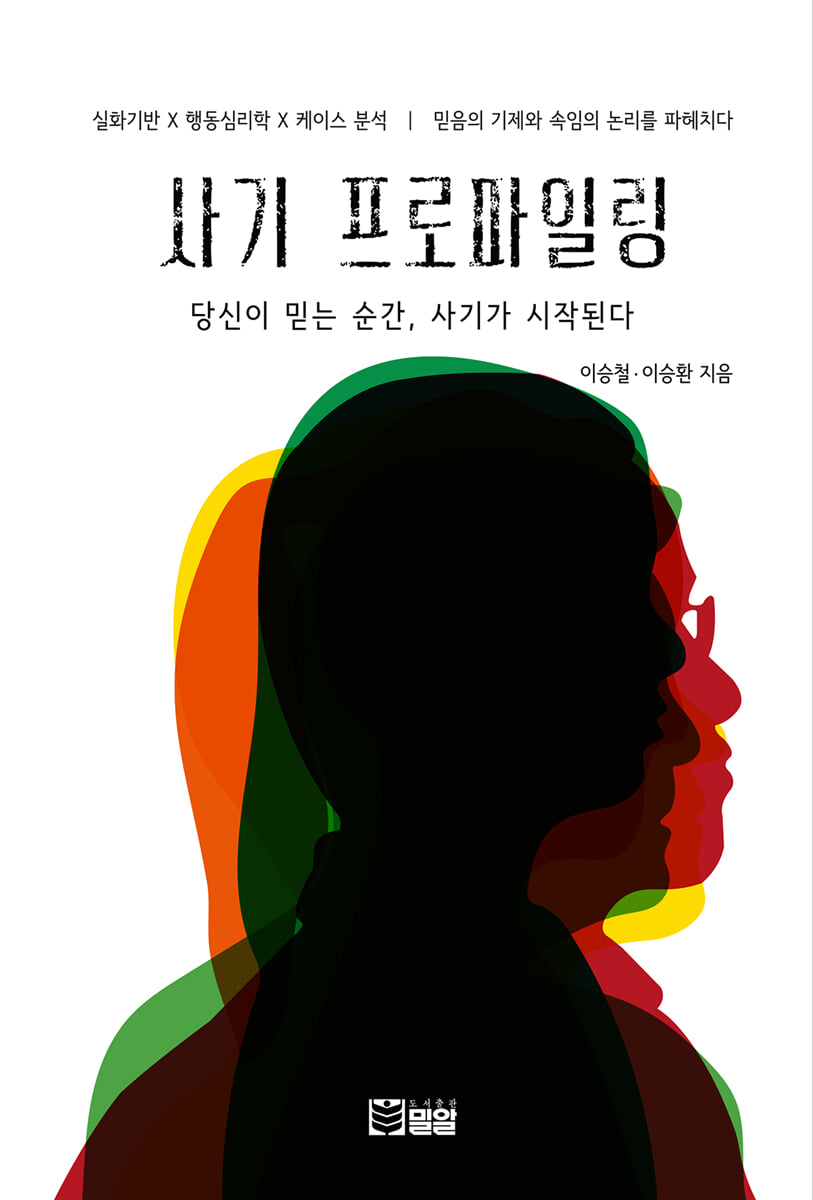
Fraud Profiling
 |
Description
Book Introduction
A psychology professor and a current intelligence detective met.
One person has been digging into the human heart, the other has been digging into the crime scene.
"Fraud Profiling," co-authored by these two experts, is not simply a list of criminal techniques.
This book asks:
"How do frauds begin, and why do we fall for them?" Voice phishing, dating scams, and investment frauds have rocked South Korea... The common thread in all these frauds is "psychology."
They never force anything.
We make ourselves believe.
The core elements of human relationships—trust, confidence, empathy, and confidence—become perfect weapons in the hands of a fraudster.
"Fraud Profiling" begins from the perspective of the fraudster and delves into the psychology of the victim.
How do they hack our minds? Drawing on the real-life investigative experience of a practicing detective, this book vividly reveals the conversation patterns, psychological tactics, and methods of fraudsters.
Through expert analysis by a psychologist, it also provides in-depth insight into the emotional mechanisms behind it and why we are deceived.
As you read, it feels like you're watching a psychological crime drama.
But this is not fiction, it is the reality we see in the news every day.
Fraud is not just a crime.
It's a psychological game.
We need to look not at who was deceived, but at why they were deceived.
People who fall for the trap of fraud are not limited by their education, status, age, or gender.
Rather, good and honest people are easier targets.
They start to blame themselves, reproach themselves, and distrust the world.
But this book says:
“It’s not your fault.
“They’ve completely targeted your heart.” This book teaches you how to avoid being scammed, while also offering words of healing instead of self-blame to those who have already been hurt.
"Fraud Profiling" deconstructs the sophisticated strategies of fraudsters and offers a way out of their psychological game.
One person has been digging into the human heart, the other has been digging into the crime scene.
"Fraud Profiling," co-authored by these two experts, is not simply a list of criminal techniques.
This book asks:
"How do frauds begin, and why do we fall for them?" Voice phishing, dating scams, and investment frauds have rocked South Korea... The common thread in all these frauds is "psychology."
They never force anything.
We make ourselves believe.
The core elements of human relationships—trust, confidence, empathy, and confidence—become perfect weapons in the hands of a fraudster.
"Fraud Profiling" begins from the perspective of the fraudster and delves into the psychology of the victim.
How do they hack our minds? Drawing on the real-life investigative experience of a practicing detective, this book vividly reveals the conversation patterns, psychological tactics, and methods of fraudsters.
Through expert analysis by a psychologist, it also provides in-depth insight into the emotional mechanisms behind it and why we are deceived.
As you read, it feels like you're watching a psychological crime drama.
But this is not fiction, it is the reality we see in the news every day.
Fraud is not just a crime.
It's a psychological game.
We need to look not at who was deceived, but at why they were deceived.
People who fall for the trap of fraud are not limited by their education, status, age, or gender.
Rather, good and honest people are easier targets.
They start to blame themselves, reproach themselves, and distrust the world.
But this book says:
“It’s not your fault.
“They’ve completely targeted your heart.” This book teaches you how to avoid being scammed, while also offering words of healing instead of self-blame to those who have already been hurt.
"Fraud Profiling" deconstructs the sophisticated strategies of fraudsters and offers a way out of their psychological game.
- You can preview some of the book's contents.
Preview
index
Recommendation 5
Prologue: Fraud is everyone's problem.
20
How to Use This Book Effectively 26
Part 1.
How Fraud Becomes Possible: Human Psychology and the World of Deception
Chapter 1 Anyone can be a target of fraud.
37
The Relationship Between Faith and Fraud 38
The Universality of Fraud 42
The Trap of Optimism Bias 45
Social Spread of Fraud 50
Chapter 2: Why Do Smart People Get Fooled? 56
ㆍTruth Bias 56
Confirmation Bias and Overconfidence 59
ㆍWeaknesses of Social Proof and Authority 64
ㆍTraps of the Intellectual 70
Chapter 3: What Kind of Person is a Scammer? 76
The Dark Triad: 77 Typical Personality Traits of Con Artists
ㆍ Background of becoming a conman: Growth process and environmental factors 80
Behavioral Patterns by Fraud Type: Exploiting Love, Desire, and Fear 83
Cognitive characteristics of con artists: lack of empathy, mastery of lies, and self-rationalization 90
The Fraudster's True Identity Revealed at the Scene: Testimony from Investigators and Victims 98
Chapter 4: The Psychology and Vulnerabilities of Deceived People 102
ㆍGood Heart that Believes Easily 102
ㆍIrrejectable Favors 106
Dependence and Loneliness 111
Vulnerability fostered by isolation 111
The Sweet Trap of Romance Scams 112
ㆍWeak psychology in emergency situations 115
ㆍThe mind that is tempted by excessive profits 121
ㆍCareless disclosure of personal information 126
Recognizing Psychological Traps 131
"There's no way I was fooled" - Denial Stage 132
"I was so foolish" - Shame and Self-Criticism 133
"Just wait and see, I won't leave you alone!" - Anger and Vengeance 134
"Will I ever be able to trust myself again?" - Recovery and Growth 135
Chapter 5: The Evolving World of Fraud 138
Traditional vs. New Techniques 138
Fraud Crimes as Seen Through Statistics 142
Changes brought about by technological advancements 148
ㆍ4 Global Network of Scammers 153
Part 2.
Fraud, the Real Face: Different Types of Fraud and Real-Life Cases
Chapter 6 [Episode] The Trap of a Phone Call - The Evolution of Voice Phishing 161
ㆍEpisode 1.
Elderly man in his 70s - Case 161: Impersonation of a prosecutor by phone call
ㆍEpisode 2.
Deep Voice Kidnapping - AI Voice Modulation Blackmail Case 167
ㆍEpisode 3.
Messenger Phishing - Case 173: Impersonating Family or Friends
ㆍEpisode 4.
Impersonating an investigative agency - Case 178 of blackmail involving account crime
Voice Phishing Prevention and Response Guide 185
Government and institutional response efforts 186
ㆍ187 Rules for Daily Life
ㆍIn conclusion: “I protect my own money.” 190
Chapter 7 [Episode] Sweet Lies - Romance Scams and Love Traps 192
ㆍEpisode 1.
The Temptation of a Foreign Lover: From Trust to Betrayal 192
ㆍEpisode 2.
Missing Lovers, Missing Money - Investment Romance Scam 203
ㆍEpisode 3.
The Trap of Nude Photography - Fear Returns Instead of Love 216
Chapter 8 [Episode] Investment Hell - The Trap of Multi-Level Marketing and Ponzi Schemes 229
ㆍEpisode 1.
The Pitfalls of Multi-Level Health Food Sales 229
ㆍEpisode 2.
The Swamp of High-Yield Investment Scams 237
ㆍEpisode 3.
Friend-Referred Investments, Secret Betrayal 246
Episode 4: The Trap of the Social Media Investment Frenzy 254
Chapter 9 [Episode] Everyday Illusions - Life-Closing Scams 264
ㆍEpisode 1.
Scam disguised as a delivery notification text - Malicious app installation scam 265
ㆍEpisode 2.
The Sweet Temptation of Carrot Market - Secondhand Trading Platform Fraud 269
ㆍEpisode 3.
"We're the prosecutors, don't be fooled" - Public Institution Impersonation Scam 274
ㆍEpisode 4.
"Payment Completed" - Phishing Scam 279
ㆍEpisode 5.
"They said it was free, but it was a trap" - 285 Life-Changing Fraud Schemes
Chapter 10 [Episode] Fraud as a Social Issue
The Tragedy of Lease Fraud and Mass Fraud 293
ㆍEpisode 1.
Young couple victimized by rental fraud
- Loss of full deposit and collapse of trust 293
ㆍEpisode 2.
The 'Villa King' incident
- Collective harm and institutional blind spots that have plagued hundreds of generations 302
ㆍEpisode 3.
Investment reading rooms and social media-based group fraud
Thousands of young people fooled by pretending to be experts 312
Conclusion: Beyond Fraud: The Path Society Must Take Together 321
Part 3.
A Guide to Avoiding Fraud: Scam Prevention and Response Strategies
Chapter 11: An Expert's Perspective - The World of Fraud as Seen by a Detective 327
The Victim's Voice - Endless Pain and Self-Reproach 327
The Importance of Victim Support and Reporting - 329 Reasons to Be Courageous
The Challenges of Catching Fraudsters: 332 in the Face of Technology and International Barriers
ㆍSocial Response - The Role of Institutional Systems and Communities 336
Criminal Psychology Analysis - How Ordinary People Become Monsters 341
ㆍConcluding Remarks - "Verification is not about suspicion, it's about courtesy." 346
Chapter 12: How to Prevent Fraud - A Practical Guide to Avoiding Being Fooled 349
ㆍCultivating a sense of alertness 349
ㆍInformation Verification and Validation 352
ㆍPersonal Information Protection 355
Studying Fraud Techniques 358
ㆍPsychological Trap Coping Practice 361
Consult with an expert 364
ㆍ30-minute response method in case of an accident 368
ㆍConclusion: 10 Actions to Take Today to Avoid Being Fooled 371
Epilogue: Don't lose faith, don't lose wisdom.
375
Key References 380
Index (alphabetical order) 387
Prologue: Fraud is everyone's problem.
20
How to Use This Book Effectively 26
Part 1.
How Fraud Becomes Possible: Human Psychology and the World of Deception
Chapter 1 Anyone can be a target of fraud.
37
The Relationship Between Faith and Fraud 38
The Universality of Fraud 42
The Trap of Optimism Bias 45
Social Spread of Fraud 50
Chapter 2: Why Do Smart People Get Fooled? 56
ㆍTruth Bias 56
Confirmation Bias and Overconfidence 59
ㆍWeaknesses of Social Proof and Authority 64
ㆍTraps of the Intellectual 70
Chapter 3: What Kind of Person is a Scammer? 76
The Dark Triad: 77 Typical Personality Traits of Con Artists
ㆍ Background of becoming a conman: Growth process and environmental factors 80
Behavioral Patterns by Fraud Type: Exploiting Love, Desire, and Fear 83
Cognitive characteristics of con artists: lack of empathy, mastery of lies, and self-rationalization 90
The Fraudster's True Identity Revealed at the Scene: Testimony from Investigators and Victims 98
Chapter 4: The Psychology and Vulnerabilities of Deceived People 102
ㆍGood Heart that Believes Easily 102
ㆍIrrejectable Favors 106
Dependence and Loneliness 111
Vulnerability fostered by isolation 111
The Sweet Trap of Romance Scams 112
ㆍWeak psychology in emergency situations 115
ㆍThe mind that is tempted by excessive profits 121
ㆍCareless disclosure of personal information 126
Recognizing Psychological Traps 131
"There's no way I was fooled" - Denial Stage 132
"I was so foolish" - Shame and Self-Criticism 133
"Just wait and see, I won't leave you alone!" - Anger and Vengeance 134
"Will I ever be able to trust myself again?" - Recovery and Growth 135
Chapter 5: The Evolving World of Fraud 138
Traditional vs. New Techniques 138
Fraud Crimes as Seen Through Statistics 142
Changes brought about by technological advancements 148
ㆍ4 Global Network of Scammers 153
Part 2.
Fraud, the Real Face: Different Types of Fraud and Real-Life Cases
Chapter 6 [Episode] The Trap of a Phone Call - The Evolution of Voice Phishing 161
ㆍEpisode 1.
Elderly man in his 70s - Case 161: Impersonation of a prosecutor by phone call
ㆍEpisode 2.
Deep Voice Kidnapping - AI Voice Modulation Blackmail Case 167
ㆍEpisode 3.
Messenger Phishing - Case 173: Impersonating Family or Friends
ㆍEpisode 4.
Impersonating an investigative agency - Case 178 of blackmail involving account crime
Voice Phishing Prevention and Response Guide 185
Government and institutional response efforts 186
ㆍ187 Rules for Daily Life
ㆍIn conclusion: “I protect my own money.” 190
Chapter 7 [Episode] Sweet Lies - Romance Scams and Love Traps 192
ㆍEpisode 1.
The Temptation of a Foreign Lover: From Trust to Betrayal 192
ㆍEpisode 2.
Missing Lovers, Missing Money - Investment Romance Scam 203
ㆍEpisode 3.
The Trap of Nude Photography - Fear Returns Instead of Love 216
Chapter 8 [Episode] Investment Hell - The Trap of Multi-Level Marketing and Ponzi Schemes 229
ㆍEpisode 1.
The Pitfalls of Multi-Level Health Food Sales 229
ㆍEpisode 2.
The Swamp of High-Yield Investment Scams 237
ㆍEpisode 3.
Friend-Referred Investments, Secret Betrayal 246
Episode 4: The Trap of the Social Media Investment Frenzy 254
Chapter 9 [Episode] Everyday Illusions - Life-Closing Scams 264
ㆍEpisode 1.
Scam disguised as a delivery notification text - Malicious app installation scam 265
ㆍEpisode 2.
The Sweet Temptation of Carrot Market - Secondhand Trading Platform Fraud 269
ㆍEpisode 3.
"We're the prosecutors, don't be fooled" - Public Institution Impersonation Scam 274
ㆍEpisode 4.
"Payment Completed" - Phishing Scam 279
ㆍEpisode 5.
"They said it was free, but it was a trap" - 285 Life-Changing Fraud Schemes
Chapter 10 [Episode] Fraud as a Social Issue
The Tragedy of Lease Fraud and Mass Fraud 293
ㆍEpisode 1.
Young couple victimized by rental fraud
- Loss of full deposit and collapse of trust 293
ㆍEpisode 2.
The 'Villa King' incident
- Collective harm and institutional blind spots that have plagued hundreds of generations 302
ㆍEpisode 3.
Investment reading rooms and social media-based group fraud
Thousands of young people fooled by pretending to be experts 312
Conclusion: Beyond Fraud: The Path Society Must Take Together 321
Part 3.
A Guide to Avoiding Fraud: Scam Prevention and Response Strategies
Chapter 11: An Expert's Perspective - The World of Fraud as Seen by a Detective 327
The Victim's Voice - Endless Pain and Self-Reproach 327
The Importance of Victim Support and Reporting - 329 Reasons to Be Courageous
The Challenges of Catching Fraudsters: 332 in the Face of Technology and International Barriers
ㆍSocial Response - The Role of Institutional Systems and Communities 336
Criminal Psychology Analysis - How Ordinary People Become Monsters 341
ㆍConcluding Remarks - "Verification is not about suspicion, it's about courtesy." 346
Chapter 12: How to Prevent Fraud - A Practical Guide to Avoiding Being Fooled 349
ㆍCultivating a sense of alertness 349
ㆍInformation Verification and Validation 352
ㆍPersonal Information Protection 355
Studying Fraud Techniques 358
ㆍPsychological Trap Coping Practice 361
Consult with an expert 364
ㆍ30-minute response method in case of an accident 368
ㆍConclusion: 10 Actions to Take Today to Avoid Being Fooled 371
Epilogue: Don't lose faith, don't lose wisdom.
375
Key References 380
Index (alphabetical order) 387
Into the book
Trust is the best weapon for a conman.
In fact, the word “con man” itself comes from “one who gains confidence.”
--- p.38
“But I’m confident in my own safety.” But the thing to remember is that people who are unaware of their own weaknesses are more susceptible to fraud.
The very thought, “Could this really happen to me?” is a danger signal.
The optimistic bias we will discuss in the next section is precisely such a trap.
--- p.44
When my friends around me bragged about “making money with this coin,” I became less cautious.
Many people rushed into unproven investment opportunities due to the FOMO (Fear of Missing Out) mentality of “I can’t be left behind.”
As a result, a significant number of coins soon crashed, causing significant losses for investors.
It was later revealed that some coins were actually Ponzi schemes, where developers and early investors manipulated the price to drive it up, then sold it at the high price as the general public followed suit.
--- p.51
Truth bias refers to the tendency for humans to believe information they see and hear as truth without much doubt.
Until we are presented with evidence that clearly proves something to be false, we immediately accept it as fact and only later (and even then, rarely) verify its truth.
This tendency can be seen as a 'feature' that enables trust and cooperation in social life, so it is also called a 'trait, not a bug.'
--- p.56
We often hear on the news about intellectuals like genius scientists, scholars, famous celebrities, and CEOs of conglomerates being caught up in huge investment scams.
At first glance, you might wonder, "How could someone so smart fall for such a trick?" But as explained earlier, the trap of fraud can strike anyone, regardless of their IQ.
Rather, there are cases where brilliant intellectuals suffer even greater losses due to overconfidence and a moment of carelessness.
--- p.70
Only by overcoming the temptations before our eyes and facing our own greed can we escape the shackles of fraud.
As the Western proverb goes, “Free cheese only lies in a mousetrap,” always keep in mind that it is best to be wary of offers that seem too sweet from the start.
--- p.125
Romance scammers often don't present themselves as frauds from the start, and instead act more like their victims' ideal type.
It's like a 'prince on a white horse' in a fairy tale, with wealth and manners, treating others with kind words and making them idealize themselves.
--- p.195
Even in love, be skeptical of the phrase "a sure investment opportunity."
Among the victims who come to me for counseling, there are many who say, 'My lover told me about a good opportunity, so we invested together,' but ended up losing.
To be blunt, truly good investment information doesn't spread to the general public.
In fact, the word “con man” itself comes from “one who gains confidence.”
--- p.38
“But I’m confident in my own safety.” But the thing to remember is that people who are unaware of their own weaknesses are more susceptible to fraud.
The very thought, “Could this really happen to me?” is a danger signal.
The optimistic bias we will discuss in the next section is precisely such a trap.
--- p.44
When my friends around me bragged about “making money with this coin,” I became less cautious.
Many people rushed into unproven investment opportunities due to the FOMO (Fear of Missing Out) mentality of “I can’t be left behind.”
As a result, a significant number of coins soon crashed, causing significant losses for investors.
It was later revealed that some coins were actually Ponzi schemes, where developers and early investors manipulated the price to drive it up, then sold it at the high price as the general public followed suit.
--- p.51
Truth bias refers to the tendency for humans to believe information they see and hear as truth without much doubt.
Until we are presented with evidence that clearly proves something to be false, we immediately accept it as fact and only later (and even then, rarely) verify its truth.
This tendency can be seen as a 'feature' that enables trust and cooperation in social life, so it is also called a 'trait, not a bug.'
--- p.56
We often hear on the news about intellectuals like genius scientists, scholars, famous celebrities, and CEOs of conglomerates being caught up in huge investment scams.
At first glance, you might wonder, "How could someone so smart fall for such a trick?" But as explained earlier, the trap of fraud can strike anyone, regardless of their IQ.
Rather, there are cases where brilliant intellectuals suffer even greater losses due to overconfidence and a moment of carelessness.
--- p.70
Only by overcoming the temptations before our eyes and facing our own greed can we escape the shackles of fraud.
As the Western proverb goes, “Free cheese only lies in a mousetrap,” always keep in mind that it is best to be wary of offers that seem too sweet from the start.
--- p.125
Romance scammers often don't present themselves as frauds from the start, and instead act more like their victims' ideal type.
It's like a 'prince on a white horse' in a fairy tale, with wealth and manners, treating others with kind words and making them idealize themselves.
--- p.195
Even in love, be skeptical of the phrase "a sure investment opportunity."
Among the victims who come to me for counseling, there are many who say, 'My lover told me about a good opportunity, so we invested together,' but ended up losing.
To be blunt, truly good investment information doesn't spread to the general public.
--- p.212
GOODS SPECIFICS
- Date of issue: October 21, 2025
- Page count, weight, size: 392 pages | 152*255*30mm
- ISBN13: 9788941803478
- ISBN10: 8941803470
You may also like
카테고리
korean


korean

![GQ KOREA Mark (Monthly): December [2025]](http://librairie.coreenne.fr/cdn/shop/files/8ef265dbbfbf186523ed75ba7319009d.jpg?v=1765340328&width=3840)


