

Origin Essay
 |
Description
Book Introduction
The 'Beautiful Sentences of Korea' series is comprised of classic works that are a great legacy of Korean literature.
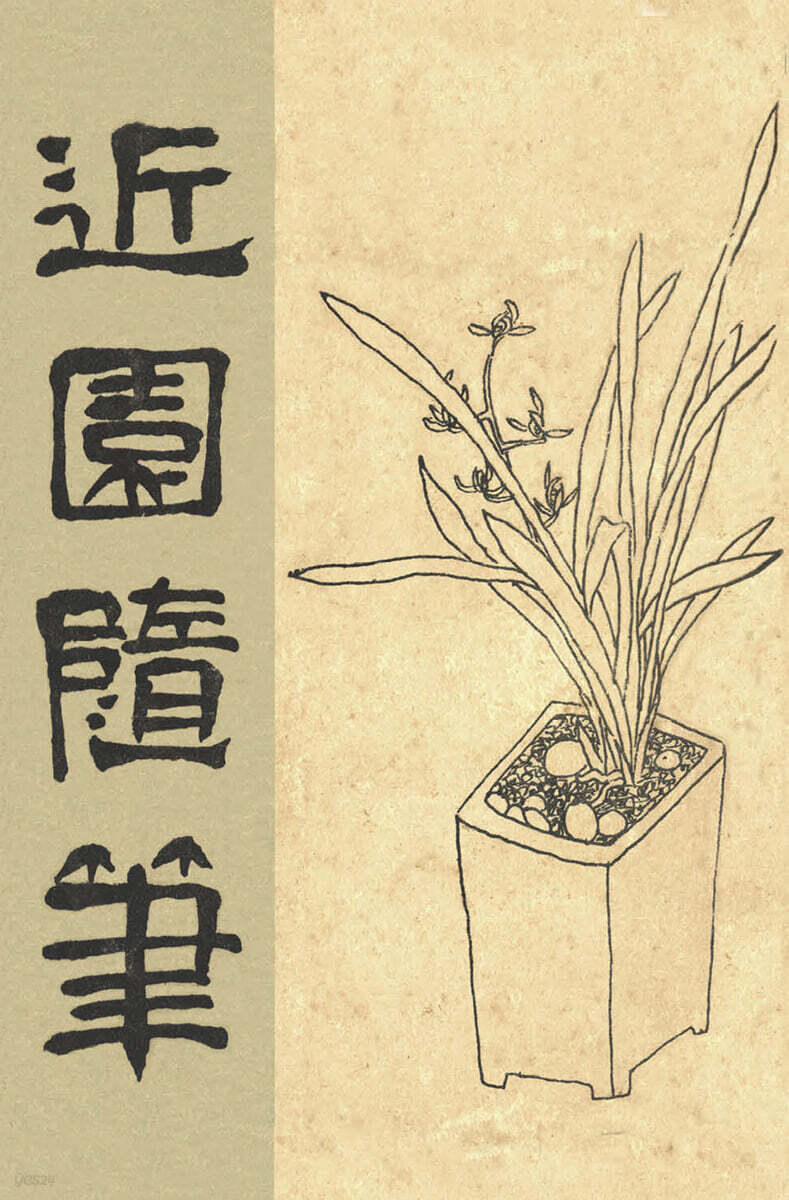
The book was planned to preserve the aesthetic value of the book by keeping the cover of the original first edition intact and to be readable again in modern times.
Kim Yong-jun's "Geunwon Essay" is often evaluated as a masterpiece of essay literature and a work that has reached the highest level of modern essays, along with Lee Tae-jun's "Museorok."
The prose of Kim Yong-jun, a painter and art historian, was long considered legendary, to the point that some people secretly sought out and treasured his prose, even though it was not properly recognized until the ban on writers who defected to North Korea was lifted.
Kim Yong-jun's sophisticated prose is full of the fragrance of life in many of his prose pieces.
Prose that permeates the beauty and sorrow of everyday life, the stories of paintings and artists, and the mystery of the past elevates the quality of life.
The book was planned to preserve the aesthetic value of the book by keeping the cover of the original first edition intact and to be readable again in modern times.
Kim Yong-jun's "Geunwon Essay" is often evaluated as a masterpiece of essay literature and a work that has reached the highest level of modern essays, along with Lee Tae-jun's "Museorok."
The prose of Kim Yong-jun, a painter and art historian, was long considered legendary, to the point that some people secretly sought out and treasured his prose, even though it was not properly recognized until the ban on writers who defected to North Korea was lifted.
Kim Yong-jun's sophisticated prose is full of the fragrance of life in many of his prose pieces.
Prose that permeates the beauty and sorrow of everyday life, the stories of paintings and artists, and the mystery of the past elevates the quality of life.
- You can preview some of the book's contents.
Preview
index
Ⅰ
011 Plum Blossom
018 Crab
023 The Technique of the Black Horse
030 Fishing Samadhi
035 Guwa Flower
037 The Story of the Toad Ink Drop
042 Head
047 Frustrating Mr. X
051 Eight-year-old vest
054 Glasses
058 The day I went to the East Sea
063 Chusa's calligraphy
067 Kim Nikolai
A place called 072 Bank
077 A frustrating story
082 Mobile restaurant
084 New House
086 Noshisanbanggi (老枾山房記)
094 Review of the six intestines
103 Yuan Su-won, Jeong Pan-gyo, Bing-heo, and me
107 Painting Friends That Come to Mind
Ⅱ
119 Poetry and Painting
124 Thoughts on Art
126 The Bone Theory
130 Going out of the world
135 Landscape painters of the Joseon Dynasty
149 Choi Buk and Im Hee-ji
159 Owon (吾園) Ilsa (? affair)
173 Two historic sites of Seunggasa Temple
185 About King Gwanggaeto the Great's Hou (壺盂)
199 foot
011 Plum Blossom
018 Crab
023 The Technique of the Black Horse
030 Fishing Samadhi
035 Guwa Flower
037 The Story of the Toad Ink Drop
042 Head
047 Frustrating Mr. X
051 Eight-year-old vest
054 Glasses
058 The day I went to the East Sea
063 Chusa's calligraphy
067 Kim Nikolai
A place called 072 Bank
077 A frustrating story
082 Mobile restaurant
084 New House
086 Noshisanbanggi (老枾山房記)
094 Review of the six intestines
103 Yuan Su-won, Jeong Pan-gyo, Bing-heo, and me
107 Painting Friends That Come to Mind
Ⅱ
119 Poetry and Painting
124 Thoughts on Art
126 The Bone Theory
130 Going out of the world
135 Landscape painters of the Joseon Dynasty
149 Choi Buk and Im Hee-ji
159 Owon (吾園) Ilsa (? affair)
173 Two historic sites of Seunggasa Temple
185 About King Gwanggaeto the Great's Hou (壺盂)
199 foot
Into the book
The plum blossoms at your house are blooming like clouds.
Even a poor life sometimes has its charm.
How can such delicate, pale flower buds bloom so serenely, like a lady in plain clothes, on the swastika window, where one or two fleshes appear faintly, like ink marks on the faded paper?
--- From "Plum Blossom"
It is not a toad in the shape of a toad, nor is it a complete toad, and of course it is not a frog.
A body without any curves, with limbs that were sitting upright and protruding like a snail—and its mouth was open with an idiotic expression, saying, “Heh—,” and inside its mouth was a hollow object that was neither a fly nor a bug, but something unknown.
The nostrils were so badly pierced that they looked as if they would flare at any moment, and the back of the head was covered in three rows of raised, tangled rashes that stretched all the way down to the buttocks.
And he poured the glaze in a spotty manner, using all his talents, and even gave a somewhat whitish effect on the chest, so that rather than saying that every corner was clever, he showed off his clumsy talents to the fullest, which made it even more lovable.
If antique lovers today saw this, it would be a folk artefact they wouldn't take even if it was given to them for free.
But I came back with it without asking the price and decided to buy it.
That night, a huge fight broke out between my wife and I.
My wife is complaining that the toad is going to feed us when we don't even have money to buy a bushel of rice.
This kind of argument happened more than once in our house, so I got angry again and shouted, “Don’t worry, this toad will pay you back for buying it.”
That is why I am writing this essay again.
--- From "The Story of the Toad's Lover"
It is said that Oh Won died at the age of fifty-four in 1897, the year of Gwangmu (光武), but it is more credible to say that he did not actually die, but rather disappeared with his whereabouts unknown.
According to the story that Oh Won always said in his daily life that a person's life and death are like floating clouds, it would be better to find a place with a good view and hide there, and that there is no need to make a fuss about sickness, death, and funeral, and according to the story of the late Umiura Atsuya, who was a war correspondent during the Sino-Japanese War and lived in Gyeongseong, who was said to have developed a close friendship with him, that Oh Won, whom he used to see every day, had gone missing for several years, so he must have become an immortal, it is also unknown whether he really did become an immortal.
Thus, Oh Won, who had been naturally devoted to painting, which he had never learned, as if it were a karma from a previous life, and then abandoned that world, was like an immortal who briefly stayed and passed away. If he had lived a long life, he would have only been ninety-seven years old, and yet, although he was a person of recent times, his life was so unique that it made us feel a kind of mystical admiration for him, as if he were a mythical figure.
Perhaps Oh Won has become a god.
Even a poor life sometimes has its charm.
How can such delicate, pale flower buds bloom so serenely, like a lady in plain clothes, on the swastika window, where one or two fleshes appear faintly, like ink marks on the faded paper?
--- From "Plum Blossom"
It is not a toad in the shape of a toad, nor is it a complete toad, and of course it is not a frog.
A body without any curves, with limbs that were sitting upright and protruding like a snail—and its mouth was open with an idiotic expression, saying, “Heh—,” and inside its mouth was a hollow object that was neither a fly nor a bug, but something unknown.
The nostrils were so badly pierced that they looked as if they would flare at any moment, and the back of the head was covered in three rows of raised, tangled rashes that stretched all the way down to the buttocks.
And he poured the glaze in a spotty manner, using all his talents, and even gave a somewhat whitish effect on the chest, so that rather than saying that every corner was clever, he showed off his clumsy talents to the fullest, which made it even more lovable.
If antique lovers today saw this, it would be a folk artefact they wouldn't take even if it was given to them for free.
But I came back with it without asking the price and decided to buy it.
That night, a huge fight broke out between my wife and I.
My wife is complaining that the toad is going to feed us when we don't even have money to buy a bushel of rice.
This kind of argument happened more than once in our house, so I got angry again and shouted, “Don’t worry, this toad will pay you back for buying it.”
That is why I am writing this essay again.
--- From "The Story of the Toad's Lover"
It is said that Oh Won died at the age of fifty-four in 1897, the year of Gwangmu (光武), but it is more credible to say that he did not actually die, but rather disappeared with his whereabouts unknown.
According to the story that Oh Won always said in his daily life that a person's life and death are like floating clouds, it would be better to find a place with a good view and hide there, and that there is no need to make a fuss about sickness, death, and funeral, and according to the story of the late Umiura Atsuya, who was a war correspondent during the Sino-Japanese War and lived in Gyeongseong, who was said to have developed a close friendship with him, that Oh Won, whom he used to see every day, had gone missing for several years, so he must have become an immortal, it is also unknown whether he really did become an immortal.
Thus, Oh Won, who had been naturally devoted to painting, which he had never learned, as if it were a karma from a previous life, and then abandoned that world, was like an immortal who briefly stayed and passed away. If he had lived a long life, he would have only been ninety-seven years old, and yet, although he was a person of recent times, his life was so unique that it made us feel a kind of mystical admiration for him, as if he were a mythical figure.
Perhaps Oh Won has become a god.
--- From "Owon Ilsa"
GOODS SPECIFICS
- Date of issue: May 13, 2022
- Format: Hardcover book binding method guide
- Page count, weight, size: Checking page count | Checking size
- ISBN13: 9791189176853
- ISBN10: 1189176858
You may also like
카테고리
korean


korean

![GQ KOREA Mark (Monthly): December [2025]](http://librairie.coreenne.fr/cdn/shop/files/8ef265dbbfbf186523ed75ba7319009d.jpg?v=1765340328&width=3840)


