

I have to go to Goyo
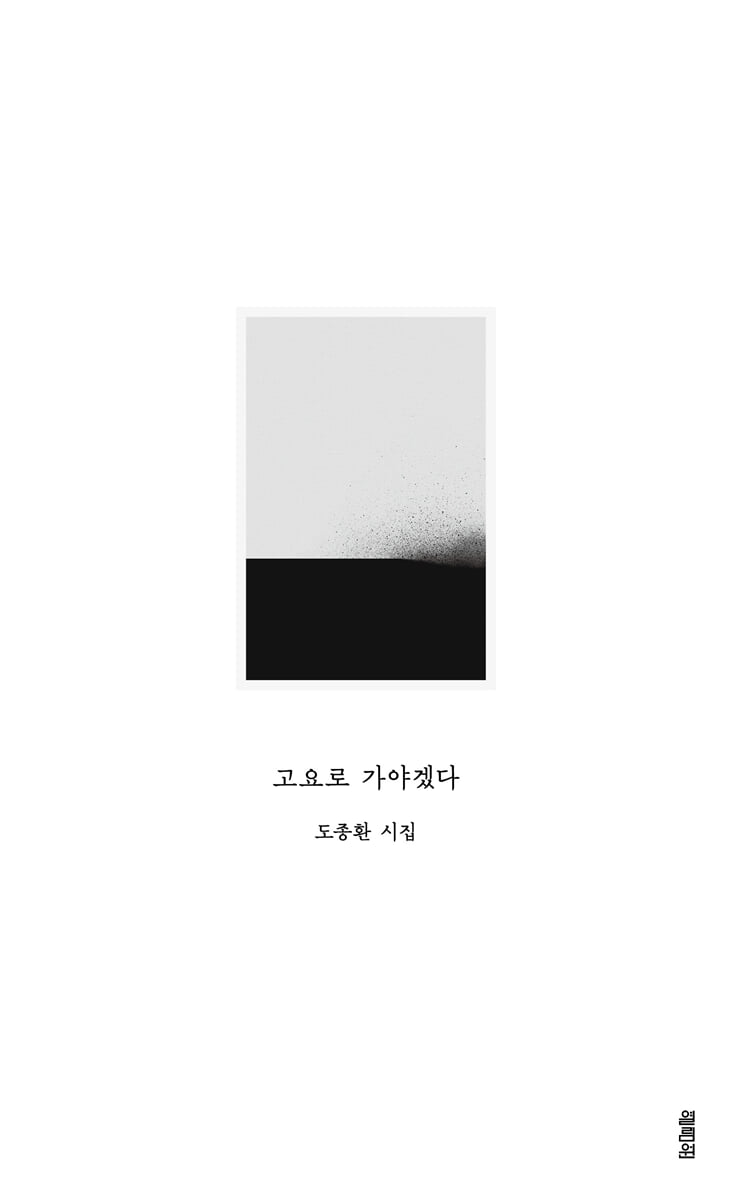 |
Description
Book Introduction
Poet Do Jong-hwan, a master of Korean lyric poetry, has released his new work, “I Must Go to Silence,” which is the fruit of his inner self achieved after a long period of silence.
The language gained through the pain and wounds of life has become softer and more affectionate.
In this collection of poems, the poet does not turn away from the world, but finds his own peace amidst its noise.
Like “a tender new branch sprouting from a cherry tree whose bark is as hard as stone” (“Soft Time”), his poetry is the language of gentle determination that blossoms through pain.
Poet Kwak Jae-gu wrote in his recommendation, “Do Jong-hwan’s poetry has returned to us.”
He warmly welcomes the return of the poet who has embraced both the times and humanity, saying, “The poet who entered the difficult political arena and made it fragrant is now returning that fragrance through poetry.”
Poet Na Hee-deok also said, “The speakers in this collection are moving towards calm after a time of storm,” and commented that his poetry is “a language that has preserved human truth between noise and calm, anger and love, passion and wisdom.”
As the two poets say, "I Must Go to Silence" is not a collection of poems about leaving, but a collection of poems about returning, a house of the heart refined through language.
The collection of poems consists of eight rooms of thought, including “Transfer,” “Quiet,” “Snail,” “I Love You,” and “The End.”
Each poem becomes a meditative space, giving the reader time to pause and think.
The sentence “The wind has stopped / I must go to silence” (“Silence”) is the poet’s ethical decision, a declaration of recovery rather than escape.
Stillness is not silence, it is understanding, and it is the re-establishment of oneself in the world.
“You have to go to Quiet.
There is a poem there.” - Do Jong-hwan
The language gained through the pain and wounds of life has become softer and more affectionate.
In this collection of poems, the poet does not turn away from the world, but finds his own peace amidst its noise.
Like “a tender new branch sprouting from a cherry tree whose bark is as hard as stone” (“Soft Time”), his poetry is the language of gentle determination that blossoms through pain.
Poet Kwak Jae-gu wrote in his recommendation, “Do Jong-hwan’s poetry has returned to us.”
He warmly welcomes the return of the poet who has embraced both the times and humanity, saying, “The poet who entered the difficult political arena and made it fragrant is now returning that fragrance through poetry.”
Poet Na Hee-deok also said, “The speakers in this collection are moving towards calm after a time of storm,” and commented that his poetry is “a language that has preserved human truth between noise and calm, anger and love, passion and wisdom.”
As the two poets say, "I Must Go to Silence" is not a collection of poems about leaving, but a collection of poems about returning, a house of the heart refined through language.
The collection of poems consists of eight rooms of thought, including “Transfer,” “Quiet,” “Snail,” “I Love You,” and “The End.”
Each poem becomes a meditative space, giving the reader time to pause and think.
The sentence “The wind has stopped / I must go to silence” (“Silence”) is the poet’s ethical decision, a declaration of recovery rather than escape.
Stillness is not silence, it is understanding, and it is the re-establishment of oneself in the world.
“You have to go to Quiet.
There is a poem there.” - Do Jong-hwan
- You can preview some of the book's contents.
Preview
index
Recommendation_Kwak Jae-gu (poet) - Na Hee-deok (poet)
carried over to
February
carried over to
wish
Around the time of Grain Rain
acorn
Green
daffodil
cherry blossoms
still
Stillness
still
Excessive desire
wildflowers
Flowers 2
Flowers 3
Spring night
Spring morning
Blue day
soft time
If you come to me
Falling flowers
wise man
fate
Rhododendron
Farewell
snail
Snail
snail
ocean
On the street
mountain goat
feed
Rain and Harp
You are a flower
training
larva
tide
Fox rain
A day I miss
desert
mountain
seashore
blood
dinner
Star of Mokdong
Wet optimism
Rub away sorrow
To rub away sorrow
Rub away sorrow
lotus
Jang Il-soon
deep autumn
late autumn
Seolseondang Hall
sheep
Night comes
young ginkgo tree
high notes
dinner
i love you
I love you
i love you
Apple orchard owner
two hands
One leg
Your east
The East of you
Your east
oak
Du Fu Thatched Cottage
an apple
late autumn rain
Ancestor of crickets
Evening smoke
sneakers
service
Winter cherry tree
Winter afternoon
Baby Chrysanthemum
dinner
3 a.m.
The wind blows
Sandaeum Mountain Tea Ceremony
some flower
pair skating
Damyang Jangajji
Reunion
hand
Hand
hand
sing
Evening sea
fire
rest
Veranda
end
End
end
Turn off the phone
The winter when martial law was in effect
Commentary on the Work: A Lifelong Poetry Toward "Between" - Noh Ji-young (Literary Critic)
carried over to
February
carried over to
wish
Around the time of Grain Rain
acorn
Green
daffodil
cherry blossoms
still
Stillness
still
Excessive desire
wildflowers
Flowers 2
Flowers 3
Spring night
Spring morning
Blue day
soft time
If you come to me
Falling flowers
wise man
fate
Rhododendron
Farewell
snail
Snail
snail
ocean
On the street
mountain goat
feed
Rain and Harp
You are a flower
training
larva
tide
Fox rain
A day I miss
desert
mountain
seashore
blood
dinner
Star of Mokdong
Wet optimism
Rub away sorrow
To rub away sorrow
Rub away sorrow
lotus
Jang Il-soon
deep autumn
late autumn
Seolseondang Hall
sheep
Night comes
young ginkgo tree
high notes
dinner
i love you
I love you
i love you
Apple orchard owner
two hands
One leg
Your east
The East of you
Your east
oak
Du Fu Thatched Cottage
an apple
late autumn rain
Ancestor of crickets
Evening smoke
sneakers
service
Winter cherry tree
Winter afternoon
Baby Chrysanthemum
dinner
3 a.m.
The wind blows
Sandaeum Mountain Tea Ceremony
some flower
pair skating
Damyang Jangajji
Reunion
hand
Hand
hand
sing
Evening sea
fire
rest
Veranda
end
End
end
Turn off the phone
The winter when martial law was in effect
Commentary on the Work: A Lifelong Poetry Toward "Between" - Noh Ji-young (Literary Critic)
Into the book
There have been many days in my life when the cold wind blew.
Every time, my face turns red
I used to move it from moment to moment
It was comforting to have Lee Wol by my side.
This morning too, Yiwol came quietly next to me
I am looking at the green traces of the field I am looking at together.
--- pp.22-23 From "Transfer"
Trees without flowers are already the most brilliant of their lives.
I called out the green bean
Blends well with light pink
It created the most beautiful scenery of the year.
(…)
I wish your heart would turn pink
--- pp.26-27 "Around the Grain Rain"
Beautiful flowers
Coming from a shabby place
There is no flower that complains about being barren.
Abandoned place
Turning it into a beautiful place
Smiling brightly
A delicate and poor flower
--- p.60 From "Wildflowers"
New things are flexible
At the highest point of the hill
The leaves that grow one more span
Not a strong leaf
It is a leaf with a soft body.
--- p.66 From "Soft Time"
If you rise again and come to me
All the flowers in the evening fields
I'll wave my hand at you
If you are hurt and down
Make a blanket with green and fresh meadows
I will embrace you
--- p.68 From "If You Come to Me"
Don't blame the wind
Don't blame the clouds
The grasses of the field do not resent the wind
The cherry tree doesn't blame the clouds.
(…)
That was your destiny
Don't blame people
--- pp.72-73 From "Fate"
A thoughtful person
Deep inside yourself
It has autumn
Until the day the leaves turn red
To the life that accompanied me
Know how to be grateful
It's time to stop
When
embrace
--- p.132 From "Deep Autumn"
All the leaves have fallen
I am there even when I am not there
I had a beautiful dream with you
There were more dreams that didn't come true
But I'm glad I could dream
--- p.134 From "Late Autumn"
When the wind blows, be thankful for the wind
When loss comes, be grateful for the loss.
He said that even if extinction comes, he would be grateful for extinction.
You are in my message
I disagreed
--- p.176 From “An Apple”
It was beautiful because I could dream
My life was enough just by loving the world.
Until the haegeum performance ends
I would appreciate it if you could stay for a while.
I remember those with whom I have a deep connection with gratitude.
I too will return like a cricket
Every time, my face turns red
I used to move it from moment to moment
It was comforting to have Lee Wol by my side.
This morning too, Yiwol came quietly next to me
I am looking at the green traces of the field I am looking at together.
--- pp.22-23 From "Transfer"
Trees without flowers are already the most brilliant of their lives.
I called out the green bean
Blends well with light pink
It created the most beautiful scenery of the year.
(…)
I wish your heart would turn pink
--- pp.26-27 "Around the Grain Rain"
Beautiful flowers
Coming from a shabby place
There is no flower that complains about being barren.
Abandoned place
Turning it into a beautiful place
Smiling brightly
A delicate and poor flower
--- p.60 From "Wildflowers"
New things are flexible
At the highest point of the hill
The leaves that grow one more span
Not a strong leaf
It is a leaf with a soft body.
--- p.66 From "Soft Time"
If you rise again and come to me
All the flowers in the evening fields
I'll wave my hand at you
If you are hurt and down
Make a blanket with green and fresh meadows
I will embrace you
--- p.68 From "If You Come to Me"
Don't blame the wind
Don't blame the clouds
The grasses of the field do not resent the wind
The cherry tree doesn't blame the clouds.
(…)
That was your destiny
Don't blame people
--- pp.72-73 From "Fate"
A thoughtful person
Deep inside yourself
It has autumn
Until the day the leaves turn red
To the life that accompanied me
Know how to be grateful
It's time to stop
When
embrace
--- p.132 From "Deep Autumn"
All the leaves have fallen
I am there even when I am not there
I had a beautiful dream with you
There were more dreams that didn't come true
But I'm glad I could dream
--- p.134 From "Late Autumn"
When the wind blows, be thankful for the wind
When loss comes, be grateful for the loss.
He said that even if extinction comes, he would be grateful for extinction.
You are in my message
I disagreed
--- p.176 From “An Apple”
It was beautiful because I could dream
My life was enough just by loving the world.
Until the haegeum performance ends
I would appreciate it if you could stay for a while.
I remember those with whom I have a deep connection with gratitude.
I too will return like a cricket
--- pp.180-181 From "Crickets as Ancestors"
Publisher's Review
A quiet, transparent sound that cuts through the noise of politics and the times.
A giant of Korean poetry, who has walked the path of poetry for 40 years
Do Jong-hwan's "Form of Silence"
Do Jong-hwan's poetry has returned to us.
In an age that has long lost its tranquility, I once again resolved to 'go to tranquility'.
This new poetry collection, “I Must Go to Silence,” is the most gentle and affectionate of all the poetry collections Do Jong-hwan has published to date.
His poetry has always been imbued with the power of gentleness, but the language of this collection is more gentle and warm than ever.
It is not weakness, but a gentle determination that blossoms through the hardest reality.
The voice of a human being who has lived in harmony with the world now reaches us with a much quieter and clearer sound.
Like “a tender new branch sprouting from a cherry tree whose bark is as hard as stone” (“Soft Time”), his poetry pushes through pain and reaches out to the world with a language that soothes it.
In his recommendation, poet Kwak Jae-gu said that the poet, who had passed through the noise of politics and the times, had now returned to the 'language of people.'
“If Do Jong-hwan entered the complex world of politics and made it fragrant, now it is time to return that fragrance to poetry,” he said, blessing his return.
Poet Na Hee-deok said, “The speakers in this collection of poems are moving towards calm after a time of storm.”
She wrote that Do Jong-hwan's poetry is "a language that stands between noise and silence, anger and love, passion and wisdom," and that it reminds us of the human truth that he has long protected.
As the two poets say, “I Must Go to Silence” is a collection of poems about return, not departure.
It is a house of the mind refined by language, and a 'form of tranquility' obtained after passing through a long period of confusion.
At the end of silence
In the direction of deeper silence
I have to go live
Above all, this poetry collection is special from the very beginning, in its ‘way to silence.’
As the text begins, the title 'Transfer' is placed neatly on a white page, the opposite side closed in black.
In the first scene where white light and darkness coexist, the poet already silently leads the reader to the ‘threshold of meditation.’
The white page is not empty, but an opening breath, and the black page is not closed, but a space of staying.
When the first poem appears on the black background, the reader is immersed in the feeling of entering the poet's room.
Poetry is not a quick read.
Each line captures the reader like a meditation, and the space between them acts as part of the poem itself.
Do Jong-hwan provides a quiet room for modern readers, weary of the prosaic pace, to catch their breath and linger on a single sentence.
Instead of the traditional four-part structure, this collection of poems is divided into eight 'rooms of thought'.
The eight koans, “Transfer,” “Quietness,” “Snail,” “Rubbing Sadness,” “I Love You,” “Your East,” “Hand,” and “The End,” each open a meditative space.
The poet arranges each section like an exhibition hall, allowing the reader to wander from room to room and discover the sentence that resonates most deeply with them.
In this structure where margins and darkness, sentences and silence intersect, the reader thinks while reading, and looks into himself while appreciating the poem.
『I Must Go to Silence』 is a work in which the physical composition itself becomes a poetic device.
The poem "Silence," located at the center of the collection, encapsulates this journey.
“The wind has stopped / I must go to silence.” This concise declaration is the poet’s inner resolution.
Stillness is not mere stillness, but an ethical attitude of self-forgiveness and re-embracing the world; it is not escape but recovery; it is not silence but understanding.
The silence he speaks of is not about erasing external sounds, but about finding one's own breath within all those sounds.
“If you rub your sadness, your anger will hurt less.”
Poetry of a lifetime, language of standing as a human being
In her commentary, critic Noh Ji-young calls Do Jong-hwan's poetry "a lifetime of poetry that heads towards the in-between."
His language always transcends extremes, standing on the border between anger and forgiveness, reality and soul, wounds and recovery.
He trains himself through poetry and testifies to the ethical center that must be maintained as a human being.
In poems like “Rubbing Sorrow,” “Two Hands,” and “Blood,” he speaks the truth of the soul through bodily sensations.
The phrase “The bright and warm part of the morning sunlight follows and / bursts the bubbles of accumulated sadness” (from “Rubbing Sadness”) shows the poet’s attitude of realizing a gesture of healing through language.
The subsequent confession, “More than anything, I liked the stillness that filled the place,” reveals the completion of healing that empties the place of pain and fills it with stillness.
It shows a warm ethical sense that comforts wounded beings by comforting the hands (“Two Hands”) that have endured together in a rough and cruel world.
Through his hands of prayer, he sings of solidarity in enduring suffering and moments of recovery.
At the end of the collection of poems, the poet confesses:
“It’s the moment when I feel like my body is recovering.
It comes to me as a time of recovery.
Poetry is a language that is encountered in the process of the heart being healed.” It is a clear statement that only language that has passed through despair and wounds can possess.
In his poetry, hope is not a dry optimism, but a wet optimism that bears wounds, a tender gaze toward the world, and a final resolution toward life.
As in the phrase “A red drop that falls with a thud / A single wet optimism” (from “Wet Optimism”), hope is a trace of language that has passed through pain.
As poet Na Hee-deok said, “I hope the poet’s silence matures,” “I Must Go to Silence” is a record of that mature silence.
And as poet Kwak Jae-gu said, “Friends fighting through difficult times, let us sit side by side with our loved ones and read Do Jong-hwan’s poetry collection.” Do Jong-hwan proves in his own words that the path that leads from anger and sadness to love and forgiveness is called “silence.”
A giant of Korean poetry, who has walked the path of poetry for 40 years
Do Jong-hwan's "Form of Silence"
Do Jong-hwan's poetry has returned to us.
In an age that has long lost its tranquility, I once again resolved to 'go to tranquility'.
This new poetry collection, “I Must Go to Silence,” is the most gentle and affectionate of all the poetry collections Do Jong-hwan has published to date.
His poetry has always been imbued with the power of gentleness, but the language of this collection is more gentle and warm than ever.
It is not weakness, but a gentle determination that blossoms through the hardest reality.
The voice of a human being who has lived in harmony with the world now reaches us with a much quieter and clearer sound.
Like “a tender new branch sprouting from a cherry tree whose bark is as hard as stone” (“Soft Time”), his poetry pushes through pain and reaches out to the world with a language that soothes it.
In his recommendation, poet Kwak Jae-gu said that the poet, who had passed through the noise of politics and the times, had now returned to the 'language of people.'
“If Do Jong-hwan entered the complex world of politics and made it fragrant, now it is time to return that fragrance to poetry,” he said, blessing his return.
Poet Na Hee-deok said, “The speakers in this collection of poems are moving towards calm after a time of storm.”
She wrote that Do Jong-hwan's poetry is "a language that stands between noise and silence, anger and love, passion and wisdom," and that it reminds us of the human truth that he has long protected.
As the two poets say, “I Must Go to Silence” is a collection of poems about return, not departure.
It is a house of the mind refined by language, and a 'form of tranquility' obtained after passing through a long period of confusion.
At the end of silence
In the direction of deeper silence
I have to go live
Above all, this poetry collection is special from the very beginning, in its ‘way to silence.’
As the text begins, the title 'Transfer' is placed neatly on a white page, the opposite side closed in black.
In the first scene where white light and darkness coexist, the poet already silently leads the reader to the ‘threshold of meditation.’
The white page is not empty, but an opening breath, and the black page is not closed, but a space of staying.
When the first poem appears on the black background, the reader is immersed in the feeling of entering the poet's room.
Poetry is not a quick read.
Each line captures the reader like a meditation, and the space between them acts as part of the poem itself.
Do Jong-hwan provides a quiet room for modern readers, weary of the prosaic pace, to catch their breath and linger on a single sentence.
Instead of the traditional four-part structure, this collection of poems is divided into eight 'rooms of thought'.
The eight koans, “Transfer,” “Quietness,” “Snail,” “Rubbing Sadness,” “I Love You,” “Your East,” “Hand,” and “The End,” each open a meditative space.
The poet arranges each section like an exhibition hall, allowing the reader to wander from room to room and discover the sentence that resonates most deeply with them.
In this structure where margins and darkness, sentences and silence intersect, the reader thinks while reading, and looks into himself while appreciating the poem.
『I Must Go to Silence』 is a work in which the physical composition itself becomes a poetic device.
The poem "Silence," located at the center of the collection, encapsulates this journey.
“The wind has stopped / I must go to silence.” This concise declaration is the poet’s inner resolution.
Stillness is not mere stillness, but an ethical attitude of self-forgiveness and re-embracing the world; it is not escape but recovery; it is not silence but understanding.
The silence he speaks of is not about erasing external sounds, but about finding one's own breath within all those sounds.
“If you rub your sadness, your anger will hurt less.”
Poetry of a lifetime, language of standing as a human being
In her commentary, critic Noh Ji-young calls Do Jong-hwan's poetry "a lifetime of poetry that heads towards the in-between."
His language always transcends extremes, standing on the border between anger and forgiveness, reality and soul, wounds and recovery.
He trains himself through poetry and testifies to the ethical center that must be maintained as a human being.
In poems like “Rubbing Sorrow,” “Two Hands,” and “Blood,” he speaks the truth of the soul through bodily sensations.
The phrase “The bright and warm part of the morning sunlight follows and / bursts the bubbles of accumulated sadness” (from “Rubbing Sadness”) shows the poet’s attitude of realizing a gesture of healing through language.
The subsequent confession, “More than anything, I liked the stillness that filled the place,” reveals the completion of healing that empties the place of pain and fills it with stillness.
It shows a warm ethical sense that comforts wounded beings by comforting the hands (“Two Hands”) that have endured together in a rough and cruel world.
Through his hands of prayer, he sings of solidarity in enduring suffering and moments of recovery.
At the end of the collection of poems, the poet confesses:
“It’s the moment when I feel like my body is recovering.
It comes to me as a time of recovery.
Poetry is a language that is encountered in the process of the heart being healed.” It is a clear statement that only language that has passed through despair and wounds can possess.
In his poetry, hope is not a dry optimism, but a wet optimism that bears wounds, a tender gaze toward the world, and a final resolution toward life.
As in the phrase “A red drop that falls with a thud / A single wet optimism” (from “Wet Optimism”), hope is a trace of language that has passed through pain.
As poet Na Hee-deok said, “I hope the poet’s silence matures,” “I Must Go to Silence” is a record of that mature silence.
And as poet Kwak Jae-gu said, “Friends fighting through difficult times, let us sit side by side with our loved ones and read Do Jong-hwan’s poetry collection.” Do Jong-hwan proves in his own words that the path that leads from anger and sadness to love and forgiveness is called “silence.”
GOODS SPECIFICS
- Date of issue: November 10, 2025
- Page count, weight, size: 292 pages | 340g | 128*210*18mm
- ISBN13: 9791170403586
- ISBN10: 1170403581
You may also like
카테고리
korean


korean

![ELLE 엘르 스페셜 에디션 A형 : 12월 [2025]](http://librairie.coreenne.fr/cdn/shop/files/b8e27a3de6c9538896439686c6b0e8fb.jpg?v=1766436872&width=3840)


