

Race anytime
 |
Description
Book Introduction
Anytime Travel Series
A small comma for those tired of everyday life, and a traveler's record of seeing the city at their own pace.
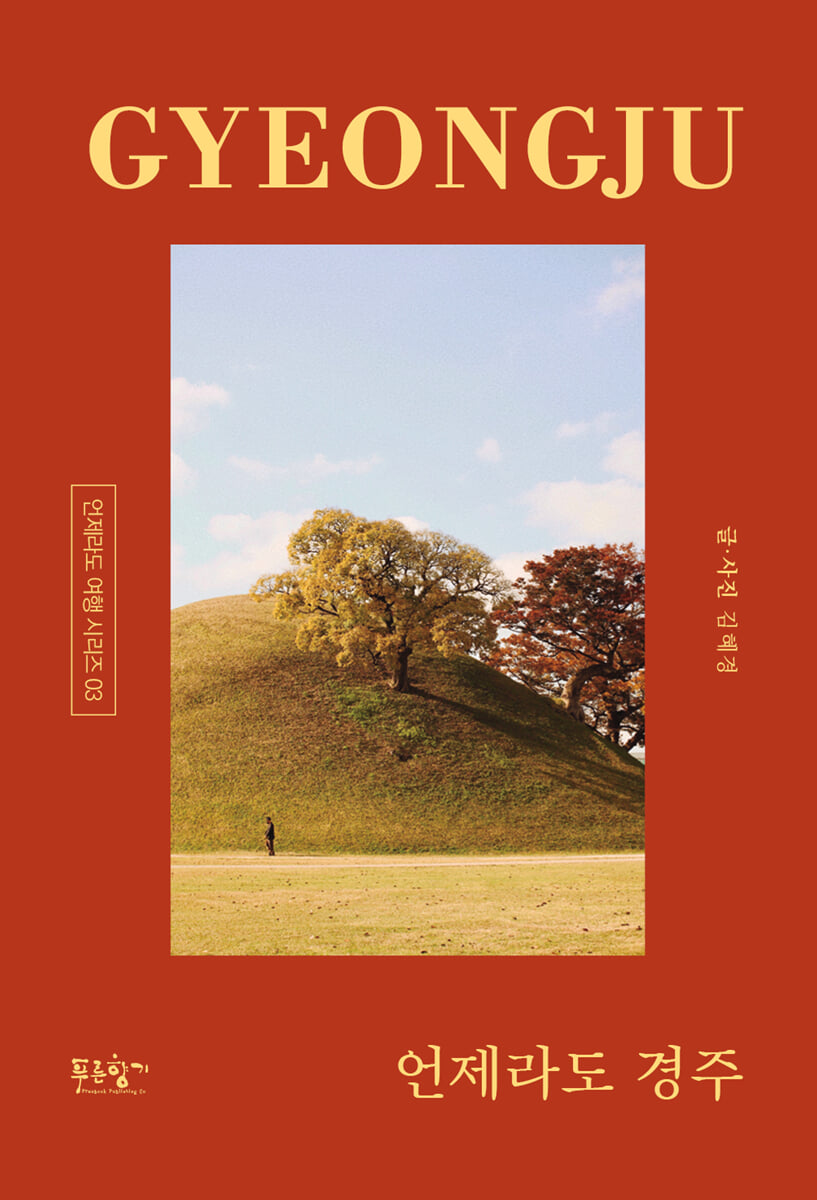
The third city in the Blue Fragrance emotional travel essay series, "Travel Anytime," is Gyeongju.
In a place where quietly accumulated time and warm daily life flow together, the author delicately captures scenes where heritage and daily life coexist, following the rhythm of the four seasons.
From the splendid ruins to the present-day life living alongside them.
Let's walk quietly and deeply through the current race.
Bulguksa Temple, Cheomseongdae Observatory, Gyeongju National Museum, Beyond the Brilliant Heritage
Hwango-dong Alley, Seongdong Market, Banwolseong, Bonghwangdae, Nosori, Gampo Port, etc.
From quiet cafes and local markets to bookstores and the sea
If you want to slowly collect the current race!
A four-season Gyeongju travel guide: walking, running, tasting, and resting
A city of a thousand years, as beautiful and generous as a postcard,
Let's unfold the spring, summer, fall, and winter of Gyeongju.
A place where you can walk through the graves of the dead during the day, the forest paths in the low castle where they lived, and the alleys of the present, and in the evening, stroll along the bridges and ponds where moonlight shines on both the past and the present.
Gyeongju is a city where UNESCO World Heritage and daily life flow side by side.
This book tells the story of a journey through the four seasons of Gyeongju.
In spring, I walk along the swaying magnolias, fluttering cherry blossoms, the comforting poplars, and the free-flowing wildflowers, and I run through the green summer, looking at the deep green Gyerim and the Inwang-dong tombs, the country roads filled with the fragrance of rice blossoms, and the lotus flowers in front of the cave and Wolji Pond.
Welcoming the vibrant colors of autumn in Bulguksa Temple, Tohamji Pond, Nosori, Daereungwon, and Gyerim, and in winter, feeling the cold wind in Gampo, warming ourselves with warm handmade noodles and a small bathhouse, we wait for spring to return from the cornelian cherry trees on the walls of narrow alleys and the flower gardens of Cheomseongdae.
"Anytime Gyeongju" lovingly presents a classic route that allows visitors to see splendid relics and historical sites such as ancient tombs, temples, and museums, as well as a new route that allows visitors to experience modern-day Gyeongju through markets, alleys, cafes, bookstores, and along lakes and seas.
As you follow the rhythm and rhythm of the Gyeongju trip, as depicted by the author, along with the emotional Gyeongju travel photos that make the scenery of the four seasons unfold before your eyes like a postcard, you will find yourself wondering what season to visit Gyeongju next.
A small comma for those tired of everyday life, and a traveler's record of seeing the city at their own pace.
The third city in the Blue Fragrance emotional travel essay series, "Travel Anytime," is Gyeongju.
In a place where quietly accumulated time and warm daily life flow together, the author delicately captures scenes where heritage and daily life coexist, following the rhythm of the four seasons.
From the splendid ruins to the present-day life living alongside them.
Let's walk quietly and deeply through the current race.
Bulguksa Temple, Cheomseongdae Observatory, Gyeongju National Museum, Beyond the Brilliant Heritage
Hwango-dong Alley, Seongdong Market, Banwolseong, Bonghwangdae, Nosori, Gampo Port, etc.
From quiet cafes and local markets to bookstores and the sea
If you want to slowly collect the current race!
A four-season Gyeongju travel guide: walking, running, tasting, and resting
A city of a thousand years, as beautiful and generous as a postcard,
Let's unfold the spring, summer, fall, and winter of Gyeongju.
A place where you can walk through the graves of the dead during the day, the forest paths in the low castle where they lived, and the alleys of the present, and in the evening, stroll along the bridges and ponds where moonlight shines on both the past and the present.
Gyeongju is a city where UNESCO World Heritage and daily life flow side by side.
This book tells the story of a journey through the four seasons of Gyeongju.
In spring, I walk along the swaying magnolias, fluttering cherry blossoms, the comforting poplars, and the free-flowing wildflowers, and I run through the green summer, looking at the deep green Gyerim and the Inwang-dong tombs, the country roads filled with the fragrance of rice blossoms, and the lotus flowers in front of the cave and Wolji Pond.
Welcoming the vibrant colors of autumn in Bulguksa Temple, Tohamji Pond, Nosori, Daereungwon, and Gyerim, and in winter, feeling the cold wind in Gampo, warming ourselves with warm handmade noodles and a small bathhouse, we wait for spring to return from the cornelian cherry trees on the walls of narrow alleys and the flower gardens of Cheomseongdae.
"Anytime Gyeongju" lovingly presents a classic route that allows visitors to see splendid relics and historical sites such as ancient tombs, temples, and museums, as well as a new route that allows visitors to experience modern-day Gyeongju through markets, alleys, cafes, bookstores, and along lakes and seas.
As you follow the rhythm and rhythm of the Gyeongju trip, as depicted by the author, along with the emotional Gyeongju travel photos that make the scenery of the four seasons unfold before your eyes like a postcard, you will find yourself wondering what season to visit Gyeongju next.
- You can preview some of the book's contents.
Preview
index
PROLOGUE | Gyeongju, a City Capturing the Seasons
Chapter 1 Spring, Anytime, Anytime
A Joyful, Unwelcome Encounter: Heungmuro, General Kim Yu-sin's Tomb
Imperfect Spring: Yangji Restaurant
A Dreamy Spring: Banwolseong Cherry Blossom Forest
An Unexpected Moment: The Magnolia Forest Next to the Shilla Millennium Library
Take the number 11 bus to relax
Buddha's Birthday Edition: Bulguksa Temple
The fragrant scent of flowers drifts gently on the breeze: Ediya inside the National Gyeongju Museum
Damp and gloomy: Duckle Hwangridan-gil branch
Turtle Romance: Nosori Tombs
Gyeongju National Museum's Personal Color: May Greenery: Gyeongju National Museum
My first Cheomseongdae, my first gold film: Cheomseongdae, Cheomseongdae Flower Garden
My beloved and beloved Crescent Moon: Crescent Moon
Thank You: Giver Station
Burdock Kimbap and Bonghwangdae Picnic: Bonghwangdae, Seongdong Market
Like a bare-faced race, we too now: Hwangridan-gil, Banwolseong
?Indifferent consolation
My heart is green: Orung
Taking care of myself: Crescent Moon
Chapter 2 Hee, Ro, Ae, Rock, Summer
A small, old, and cool paradise: Gyeongju Central Library
Once you give it a name, your heart will follow: Hwangridan-gil, Daereungwon
There was a zelkova tree: between Bonghwangdae and Nosori Tombs
A Record for Memory: Coffee Place
Memories that Lead to the Seasons: King Jinpyeong's Tomb
Into the Heart: Apyeongji next to Solgo Art Museum
It was summer: Gyerim
An elderly person I met at Gyeongju Eupseong Fortress: Gyeongju Eupseong Fortress
Towards the place my heart leads, a voyage departing: towards
Aurora seen at Banwolseong: Banwolseong
Simple and Unpretentious: Frisé Coffee Brewers
A Chilly Summer: Someone's Bookstore
How to enjoy summer in Gyeongju.
Early evening version (feat. Tashila): Donggung Palace and Wolji Lotus Complex, Cheomseongdae, Hwangnam-dong Tomb, Kuudong
Love has no reason.
: Half Moon
A time that becomes distant: the Jjoksam district
Chapter 3 I saw Gyeongju as I saw myself, autumn
I'm Still Curious About Gyeongju: Gyeongju Cultural Center Local History Museum
A Moment to Live Eternally: Bulguksa Temple, the Hill in Front of Bulguksa Temple
That's all, but that alone is enough: vomit
To be able to cherish old things: Bowhasa
A Tomb that Lives Up to Its Name: Daereungwon
A Shining Moment at Gyeongju National Museum: Gyeongju National Museum
Waiting for the bus that leaves three stops ahead: TAK!
Gyeongju Romance: Banwolseong
A place to heal your mind: Gyeongbuk Millennium Forest Garden
That's enough: Omi Son Kalguksu
Would you like me to take a picture for you? : Noseorigofungun
Paris of Cheomseongdae: Cheomseongdae
Speed: Crescent
Viewpoint: Domi
Bright yellow tombs: Nosori tomb complex
Chapter 4 Again Hee, Ro, Ae, Rock, Winter
Again Racing: Woljeong Confectionery
In the windy Gampo: Gampo Port, Songdaemal Lighthouse
Gampo Port Cat: Gampo Port
A very small cafe: Arbol
There is no such thing as a useless experience: Gyeongju Arts Center
Strangers in the Bathhouse: Cheonji Sauna
Chilly Night, Daereungwon: Daereungwon
Oops! Oops! Oops!
Spring is Coming Without Me Knowing: The Cheoksam Relic Excavation Museum, the Hwangnam-dong Tomb, and the Cheomseongdae Flower Garden
The City of Beloved Milgari: Busan Sonkalguksu
Morning Greetings and Peonies: Coffee Place, Nosori Tombs
Pottery Making Experience: Advanced Ceramics
Color, Color, Color: Gyeongju Alley
Delicious and Hearty Bibimbap: Shingwang Son Kalguksu
The Road to Doricheon: Nangsangsan, Sacheonwangsa Temple Site, and Queen Seondeok's Tomb
My Beginning of Spring: Bonghwangdae and Nosori Tombs
Chapter 5: The Space of Racing
Where your faith in coffee grows stronger: Coffee Place
I Want to Become a Used Customer: Udon Shop (Used Bookstore)
So that the mind does not linger, does not cling, does not get caught: Yeonhwa
Coffee Roasting Mill: Barnum Coffee Roasters
A book cafe that connects space and people: Continued
An Art Museum Embracing Ancient Tombs: O'Ar Art Museum
Excellent Even When You Mutter: No Words
My Love's Old Photo Album: Gyeongju National Museum's Silla Millennium Archives
The Beautifully Fragrant Gyeongju Gymnasium: Hyangmisa
Drawing a Dream I'd Let Go of: Soso Milmil (Picture Bookstore)
Even if it disappears someday: Gyeongju Alley
EPILOGUE | May your racing journey have a happy ending.
Chapter 1 Spring, Anytime, Anytime
A Joyful, Unwelcome Encounter: Heungmuro, General Kim Yu-sin's Tomb
Imperfect Spring: Yangji Restaurant
A Dreamy Spring: Banwolseong Cherry Blossom Forest
An Unexpected Moment: The Magnolia Forest Next to the Shilla Millennium Library
Take the number 11 bus to relax
Buddha's Birthday Edition: Bulguksa Temple
The fragrant scent of flowers drifts gently on the breeze: Ediya inside the National Gyeongju Museum
Damp and gloomy: Duckle Hwangridan-gil branch
Turtle Romance: Nosori Tombs
Gyeongju National Museum's Personal Color: May Greenery: Gyeongju National Museum
My first Cheomseongdae, my first gold film: Cheomseongdae, Cheomseongdae Flower Garden
My beloved and beloved Crescent Moon: Crescent Moon
Thank You: Giver Station
Burdock Kimbap and Bonghwangdae Picnic: Bonghwangdae, Seongdong Market
Like a bare-faced race, we too now: Hwangridan-gil, Banwolseong
?Indifferent consolation
My heart is green: Orung
Taking care of myself: Crescent Moon
Chapter 2 Hee, Ro, Ae, Rock, Summer
A small, old, and cool paradise: Gyeongju Central Library
Once you give it a name, your heart will follow: Hwangridan-gil, Daereungwon
There was a zelkova tree: between Bonghwangdae and Nosori Tombs
A Record for Memory: Coffee Place
Memories that Lead to the Seasons: King Jinpyeong's Tomb
Into the Heart: Apyeongji next to Solgo Art Museum
It was summer: Gyerim
An elderly person I met at Gyeongju Eupseong Fortress: Gyeongju Eupseong Fortress
Towards the place my heart leads, a voyage departing: towards
Aurora seen at Banwolseong: Banwolseong
Simple and Unpretentious: Frisé Coffee Brewers
A Chilly Summer: Someone's Bookstore
How to enjoy summer in Gyeongju.
Early evening version (feat. Tashila): Donggung Palace and Wolji Lotus Complex, Cheomseongdae, Hwangnam-dong Tomb, Kuudong
Love has no reason.
: Half Moon
A time that becomes distant: the Jjoksam district
Chapter 3 I saw Gyeongju as I saw myself, autumn
I'm Still Curious About Gyeongju: Gyeongju Cultural Center Local History Museum
A Moment to Live Eternally: Bulguksa Temple, the Hill in Front of Bulguksa Temple
That's all, but that alone is enough: vomit
To be able to cherish old things: Bowhasa
A Tomb that Lives Up to Its Name: Daereungwon
A Shining Moment at Gyeongju National Museum: Gyeongju National Museum
Waiting for the bus that leaves three stops ahead: TAK!
Gyeongju Romance: Banwolseong
A place to heal your mind: Gyeongbuk Millennium Forest Garden
That's enough: Omi Son Kalguksu
Would you like me to take a picture for you? : Noseorigofungun
Paris of Cheomseongdae: Cheomseongdae
Speed: Crescent
Viewpoint: Domi
Bright yellow tombs: Nosori tomb complex
Chapter 4 Again Hee, Ro, Ae, Rock, Winter
Again Racing: Woljeong Confectionery
In the windy Gampo: Gampo Port, Songdaemal Lighthouse
Gampo Port Cat: Gampo Port
A very small cafe: Arbol
There is no such thing as a useless experience: Gyeongju Arts Center
Strangers in the Bathhouse: Cheonji Sauna
Chilly Night, Daereungwon: Daereungwon
Oops! Oops! Oops!
Spring is Coming Without Me Knowing: The Cheoksam Relic Excavation Museum, the Hwangnam-dong Tomb, and the Cheomseongdae Flower Garden
The City of Beloved Milgari: Busan Sonkalguksu
Morning Greetings and Peonies: Coffee Place, Nosori Tombs
Pottery Making Experience: Advanced Ceramics
Color, Color, Color: Gyeongju Alley
Delicious and Hearty Bibimbap: Shingwang Son Kalguksu
The Road to Doricheon: Nangsangsan, Sacheonwangsa Temple Site, and Queen Seondeok's Tomb
My Beginning of Spring: Bonghwangdae and Nosori Tombs
Chapter 5: The Space of Racing
Where your faith in coffee grows stronger: Coffee Place
I Want to Become a Used Customer: Udon Shop (Used Bookstore)
So that the mind does not linger, does not cling, does not get caught: Yeonhwa
Coffee Roasting Mill: Barnum Coffee Roasters
A book cafe that connects space and people: Continued
An Art Museum Embracing Ancient Tombs: O'Ar Art Museum
Excellent Even When You Mutter: No Words
My Love's Old Photo Album: Gyeongju National Museum's Silla Millennium Archives
The Beautifully Fragrant Gyeongju Gymnasium: Hyangmisa
Drawing a Dream I'd Let Go of: Soso Milmil (Picture Bookstore)
Even if it disappears someday: Gyeongju Alley
EPILOGUE | May your racing journey have a happy ending.
Detailed image

Into the book
Living things raise and spend different youths every year, conveying different emotions even in the same place and season.
At every moment, Gyeongju was filled with things that showed a different life.
Then, when I suddenly came across an alley, I became curious about the life there.
The bus passed the Gyeongju Museum and stopped in front of the Millennium Forest Garden.
Outside the window, new leaves like a baby's palm glistened.
I thought it would be nice if you could go a little slower.
Contrary to my wishes, the bus that was running along the straight ginkgo tree-lined road past the Unification Hall slowed down as soon as the stop bell rang.
As the bus stopped, an old woman leisurely got off.
There are only rice paddies and fields around here, so where are you going?
The sky was reflected in the rice fields filled with water in preparation for transplanting.
Clouds and birds pass through it.
I could also feel the wind blowing through the waves that spread out from time to time.
Just like the main character in a drama who put a dot on the wall and became a different person, they just hung lanterns, but the atmosphere was different, as if I had come to a different Bulguksa Temple.
I feel like I've encountered the human side of Bulguksa Temple.
Somehow, I felt like I could laugh and relieve myself of the guilt I was carrying in this world.
Even though it held the distant past, the three of them sat side by side on chairs under the old trees of the lush Jinpyeong Royal Tomb, making the passage of time seem meaningless.
Children who laugh even when teased harshly.
That day, when we were laughing and joking around but the cicadas didn't care and just kept chirping, remains a refreshing summer day for me.
I hoped that this would be a memory that would lead my children into the next season without them feeling lonely.
For me, the most shining moment of the year at the Gyeongju Museum is around 4:30 PM on a clear day in mid-November.
The ginkgo tree reveals its presence only after it has turned red.
It's a breathtaking sight on a late autumn afternoon, when the sunlight filters through the ginkgo leaves and colors the side of the museum.
If you look up at the eaves of the roof from below, the shadows cast by the ginkgo trees strangely resemble the ribs of a comb.
Even the museum windows are bathed in warmth.
If it falls off in a few days, you have to wait a year.
But what a relief it is to see you again a year later.
Many things eventually fade, fall, and disappear from their glory.
So, you shouldn't worry too much about things that disturb your mind.
Just, you have to be willing to rejoice and enjoy this beautiful moment.
I left my words and feelings there, telling them to fall like the ginkgo leaves of Gyeongju, as they only made me feel heavier if I kept them and piled them up.
No, I wanted to leave it behind.
"If you shake it off, it's just dust. How can it be a heart?" I muttered to myself in my head, laughing pointlessly.
The road from Banwolseong to Gyeongju Museum.
There is a place that only those who know about it know about.
You should go to that place, which has been properly prepared, when the sun seems to have set far to the west.
It's so bright that I have to bring my hand to my forehead to shade it and look at it.
A small stream that flows into the Hyeongsan River.
Only those who have sat there know how beautiful the sunlight shining on the moss is.
The hearts, V’s, and smiles of the people on the screen all look as lovely as my own children.
I take pictures in the hope that the moment will last a long time.
Good times scatter quickly like spring flowers or fallen leaves.
That's why it's called a moment.
There's no such thing as a "good forever," is there? I want to capture that moment forever, so I'm adding my own little touch to that photographic heart.
With the feeling of making a moment into eternity.
The road to Hwangnam-dong Tomb is beautiful with the sunset.
At the entrance of Hwangridan-gil, I turned the steering wheel into an alley.
The back of the elderly man walking ahead shone in the sunset.
It seemed like a new-fashioned bicycle, and it disappeared into the winding alleyway without even pedaling, just as if it was leisurely gliding.
A road where life and karma coexist, encountered while riding a bicycle through alleys where cars cannot pass.
In a house where no one lives, the dogwood tree's flower buds were sprouting.
There is affection hidden in the shadows created by the flowers and trees grown in front of the house.
When was the last time I saw people huddled together in front of a hole-in-the-wall store, chatting?
The image remains in the alleys of Gyeongju.
While riding my bike, I suddenly turn the handlebars as my heart desires and carefully ride down such an alley.
If you run fast, you can feel the wind, but if you run slowly, you can feel life.
The reason I keep taking pictures of the trees in a house, the colored gates and roofs, the alleys filled with chrysanthemums in full bloom, and the elderly riding bicycles is because I don't know when those scenes will disappear.
Just as houses are with people, the roads made by houses are also with people.
In the alleys where empty houses are increasing, the flowers that used to bloom in front of the houses are also gradually disappearing.
In the alley where grass grows instead of lettuce and smoke no longer rises from the chimneys, you cannot feel life even if you drive slowly or stop.
That day will come someday, but for now, I walk and run the race of life that is still vivid.
At every moment, Gyeongju was filled with things that showed a different life.
Then, when I suddenly came across an alley, I became curious about the life there.
The bus passed the Gyeongju Museum and stopped in front of the Millennium Forest Garden.
Outside the window, new leaves like a baby's palm glistened.
I thought it would be nice if you could go a little slower.
Contrary to my wishes, the bus that was running along the straight ginkgo tree-lined road past the Unification Hall slowed down as soon as the stop bell rang.
As the bus stopped, an old woman leisurely got off.
There are only rice paddies and fields around here, so where are you going?
The sky was reflected in the rice fields filled with water in preparation for transplanting.
Clouds and birds pass through it.
I could also feel the wind blowing through the waves that spread out from time to time.
Just like the main character in a drama who put a dot on the wall and became a different person, they just hung lanterns, but the atmosphere was different, as if I had come to a different Bulguksa Temple.
I feel like I've encountered the human side of Bulguksa Temple.
Somehow, I felt like I could laugh and relieve myself of the guilt I was carrying in this world.
Even though it held the distant past, the three of them sat side by side on chairs under the old trees of the lush Jinpyeong Royal Tomb, making the passage of time seem meaningless.
Children who laugh even when teased harshly.
That day, when we were laughing and joking around but the cicadas didn't care and just kept chirping, remains a refreshing summer day for me.
I hoped that this would be a memory that would lead my children into the next season without them feeling lonely.
For me, the most shining moment of the year at the Gyeongju Museum is around 4:30 PM on a clear day in mid-November.
The ginkgo tree reveals its presence only after it has turned red.
It's a breathtaking sight on a late autumn afternoon, when the sunlight filters through the ginkgo leaves and colors the side of the museum.
If you look up at the eaves of the roof from below, the shadows cast by the ginkgo trees strangely resemble the ribs of a comb.
Even the museum windows are bathed in warmth.
If it falls off in a few days, you have to wait a year.
But what a relief it is to see you again a year later.
Many things eventually fade, fall, and disappear from their glory.
So, you shouldn't worry too much about things that disturb your mind.
Just, you have to be willing to rejoice and enjoy this beautiful moment.
I left my words and feelings there, telling them to fall like the ginkgo leaves of Gyeongju, as they only made me feel heavier if I kept them and piled them up.
No, I wanted to leave it behind.
"If you shake it off, it's just dust. How can it be a heart?" I muttered to myself in my head, laughing pointlessly.
The road from Banwolseong to Gyeongju Museum.
There is a place that only those who know about it know about.
You should go to that place, which has been properly prepared, when the sun seems to have set far to the west.
It's so bright that I have to bring my hand to my forehead to shade it and look at it.
A small stream that flows into the Hyeongsan River.
Only those who have sat there know how beautiful the sunlight shining on the moss is.
The hearts, V’s, and smiles of the people on the screen all look as lovely as my own children.
I take pictures in the hope that the moment will last a long time.
Good times scatter quickly like spring flowers or fallen leaves.
That's why it's called a moment.
There's no such thing as a "good forever," is there? I want to capture that moment forever, so I'm adding my own little touch to that photographic heart.
With the feeling of making a moment into eternity.
The road to Hwangnam-dong Tomb is beautiful with the sunset.
At the entrance of Hwangridan-gil, I turned the steering wheel into an alley.
The back of the elderly man walking ahead shone in the sunset.
It seemed like a new-fashioned bicycle, and it disappeared into the winding alleyway without even pedaling, just as if it was leisurely gliding.
A road where life and karma coexist, encountered while riding a bicycle through alleys where cars cannot pass.
In a house where no one lives, the dogwood tree's flower buds were sprouting.
There is affection hidden in the shadows created by the flowers and trees grown in front of the house.
When was the last time I saw people huddled together in front of a hole-in-the-wall store, chatting?
The image remains in the alleys of Gyeongju.
While riding my bike, I suddenly turn the handlebars as my heart desires and carefully ride down such an alley.
If you run fast, you can feel the wind, but if you run slowly, you can feel life.
The reason I keep taking pictures of the trees in a house, the colored gates and roofs, the alleys filled with chrysanthemums in full bloom, and the elderly riding bicycles is because I don't know when those scenes will disappear.
Just as houses are with people, the roads made by houses are also with people.
In the alleys where empty houses are increasing, the flowers that used to bloom in front of the houses are also gradually disappearing.
In the alley where grass grows instead of lettuce and smoke no longer rises from the chimneys, you cannot feel life even if you drive slowly or stop.
That day will come someday, but for now, I walk and run the race of life that is still vivid.
--- From the text
Publisher's Review
“Gyeongju was the first city I was curious about when the seasons changed.
“Even in the same place and same season, it conveyed different emotions.”
Part 1, 'Spring, Anytime, Anytime', begins at Heungmu-ro and the tomb of General Kim Yu-sin, passes by the cherry blossoms of Daereungwon Royal Tomb and the enchanting cherry blossom forest of Banwolseong Fortress, and continues to the flower fields of Cheomseongdae, the fresh green of Oryung Royal Tombs, and May at the Gyeongju National Museum.
From an unexpected moment in the magnolia forest next to the Shilla Millennium Library, to the Buddha's Birthday edition at Bulguksa Temple, to the leisurely rhythm of the No. 11 bus, to a picnic at Bonghwangdae with burdock kimbap bought at Seongdong Market, this photo captures Gyeongju in spring, where the bustle of tourist attractions intersects with the tranquility of hidden, lesser-known travel destinations.
In Part 2, 'Joy, Laughter, Ae, Rak, Summer,' you'll spend a heavenly afternoon at the cool Gyeongju Central Library, stroll through the vast green of King Jinpyeong's tomb and the purple shades of Gyerim, and encounter an aurora-like sunset at Banwolseong Fortress.
A small voyage in 'Hanghae', a quiet time in 'Someone's Bookstore', and an early evening walk from the lotus pond in front of Donggung Palace and Wolji Pond to Cheomseongdae and Hwangnam-dong Tomb.
Summer in Gyeongju is hot and cool.
Part 3, 'I saw Gyeongju as if I was looking at myself, autumn', walks along the autumn leaves of Bulguksa Temple, the wind on the hill in front of Bulguksa Temple, the silence of Tohamji Pond, and the golden light of Daereungwon Tomb.
The shining moments showcased by the Gyeongju National Museum, the warmth encountered in front of the gates of the Gyeongbuk Millennium Forest Garden and the alley, the bright yellow ridges of the Nosori Tombs, and the sense of speed accumulating at Banwolseong Fortress—all these are the cherished attitudes that define autumn.
In Part 4, 'Again, Hee, Ro, Ae, Rak, Winter', we go out to Gampo Port to feel the wind and check out the face of the sea in front of Songdaemal Lighthouse.
The Gyeongju Arts Center and small bathhouses, the colors of the alleyways, the pottery experience, the warmth of handmade kalguksu noodles, the affection that is casually shared, and the starlight of Daereungwon on a winter night - these are all examples of how the everyday warmth of travel is essential in the cold season.
The final part 5, 'Gyeongju's Spaces', calmly records spaces that reveal Gyeongju's present, including cafes, used bookstores, book cafes, picture book stores, the OAR Art Museum, the Gyeongju Museum's Shilla Millennium Library, and the alleyways of Gyeongju.
A cup of coffee will sustain the day, a book will capture the heart, and the time of old Gyeongju will permeate the travelers.
“Like the ending where they lived happily ever after in the house they wanted to live in,
“I hope my racing trip and your racing trip have a happy ending.”
This book guides you through the process of meeting the race of walking slowly and remembering deeply.
Classic routes such as Daereungwon, Cheomseongdae, Donggung Palace and Wolji Pond, and Bulguksa Temple have been woven into a walking route suitable for each season.
Here, we included places that show 'present-day Gyeongju' such as Hwangridan-gil, Gyeongju Museum, and art museum, as well as places that make you stop in your tracks such as Banwolseong, Nosori, Jinpyeong Royal Tomb, Hwangodong Alley, and Gampo Haeguk-gil.
We've curated itineraries you can implement right away in Gyeongju, including bread and coffee, noodles and bibimbap, roasteries and bookstores, and pottery experiences, and added useful practical information.
Let's prepare for a trip to experience a new season in Gyeongju with this book that unfolds the four seasons of Gyeongju like a postcard.
Expected Readers
- For those who want to travel around Gyeongju according to the rhythm of the four seasons
- Those who want to experience Gyeongju's historic sites and museums through new routes
- For those looking for a special course centered around the local sensibility and hidden spots of Gyeongju
- Those looking for a domestic travel destination for a light weekend getaway with family and friends
- Anyone who wants to find a balance between learning, interests, and rest while traveling
“Even in the same place and same season, it conveyed different emotions.”
Part 1, 'Spring, Anytime, Anytime', begins at Heungmu-ro and the tomb of General Kim Yu-sin, passes by the cherry blossoms of Daereungwon Royal Tomb and the enchanting cherry blossom forest of Banwolseong Fortress, and continues to the flower fields of Cheomseongdae, the fresh green of Oryung Royal Tombs, and May at the Gyeongju National Museum.
From an unexpected moment in the magnolia forest next to the Shilla Millennium Library, to the Buddha's Birthday edition at Bulguksa Temple, to the leisurely rhythm of the No. 11 bus, to a picnic at Bonghwangdae with burdock kimbap bought at Seongdong Market, this photo captures Gyeongju in spring, where the bustle of tourist attractions intersects with the tranquility of hidden, lesser-known travel destinations.
In Part 2, 'Joy, Laughter, Ae, Rak, Summer,' you'll spend a heavenly afternoon at the cool Gyeongju Central Library, stroll through the vast green of King Jinpyeong's tomb and the purple shades of Gyerim, and encounter an aurora-like sunset at Banwolseong Fortress.
A small voyage in 'Hanghae', a quiet time in 'Someone's Bookstore', and an early evening walk from the lotus pond in front of Donggung Palace and Wolji Pond to Cheomseongdae and Hwangnam-dong Tomb.
Summer in Gyeongju is hot and cool.
Part 3, 'I saw Gyeongju as if I was looking at myself, autumn', walks along the autumn leaves of Bulguksa Temple, the wind on the hill in front of Bulguksa Temple, the silence of Tohamji Pond, and the golden light of Daereungwon Tomb.
The shining moments showcased by the Gyeongju National Museum, the warmth encountered in front of the gates of the Gyeongbuk Millennium Forest Garden and the alley, the bright yellow ridges of the Nosori Tombs, and the sense of speed accumulating at Banwolseong Fortress—all these are the cherished attitudes that define autumn.
In Part 4, 'Again, Hee, Ro, Ae, Rak, Winter', we go out to Gampo Port to feel the wind and check out the face of the sea in front of Songdaemal Lighthouse.
The Gyeongju Arts Center and small bathhouses, the colors of the alleyways, the pottery experience, the warmth of handmade kalguksu noodles, the affection that is casually shared, and the starlight of Daereungwon on a winter night - these are all examples of how the everyday warmth of travel is essential in the cold season.
The final part 5, 'Gyeongju's Spaces', calmly records spaces that reveal Gyeongju's present, including cafes, used bookstores, book cafes, picture book stores, the OAR Art Museum, the Gyeongju Museum's Shilla Millennium Library, and the alleyways of Gyeongju.
A cup of coffee will sustain the day, a book will capture the heart, and the time of old Gyeongju will permeate the travelers.
“Like the ending where they lived happily ever after in the house they wanted to live in,
“I hope my racing trip and your racing trip have a happy ending.”
This book guides you through the process of meeting the race of walking slowly and remembering deeply.
Classic routes such as Daereungwon, Cheomseongdae, Donggung Palace and Wolji Pond, and Bulguksa Temple have been woven into a walking route suitable for each season.
Here, we included places that show 'present-day Gyeongju' such as Hwangridan-gil, Gyeongju Museum, and art museum, as well as places that make you stop in your tracks such as Banwolseong, Nosori, Jinpyeong Royal Tomb, Hwangodong Alley, and Gampo Haeguk-gil.
We've curated itineraries you can implement right away in Gyeongju, including bread and coffee, noodles and bibimbap, roasteries and bookstores, and pottery experiences, and added useful practical information.
Let's prepare for a trip to experience a new season in Gyeongju with this book that unfolds the four seasons of Gyeongju like a postcard.
Expected Readers
- For those who want to travel around Gyeongju according to the rhythm of the four seasons
- Those who want to experience Gyeongju's historic sites and museums through new routes
- For those looking for a special course centered around the local sensibility and hidden spots of Gyeongju
- Those looking for a domestic travel destination for a light weekend getaway with family and friends
- Anyone who wants to find a balance between learning, interests, and rest while traveling
GOODS SPECIFICS
- Date of issue: January 2, 2026
- Page count, weight, size: 312 pages | 344g | 128*188*20mm
- ISBN13: 9788967822538
- ISBN10: 8967822537
You may also like
카테고리
korean


korean

![GQ KOREA Mark (Monthly): December [2025]](http://librairie.coreenne.fr/cdn/shop/files/8ef265dbbfbf186523ed75ba7319009d.jpg?v=1765340328&width=3840)


