

Moon Jae-in's Reading Notes
 |
Description
Book Introduction
“104 books recommended by the book-loving president!”
What books does the president read?
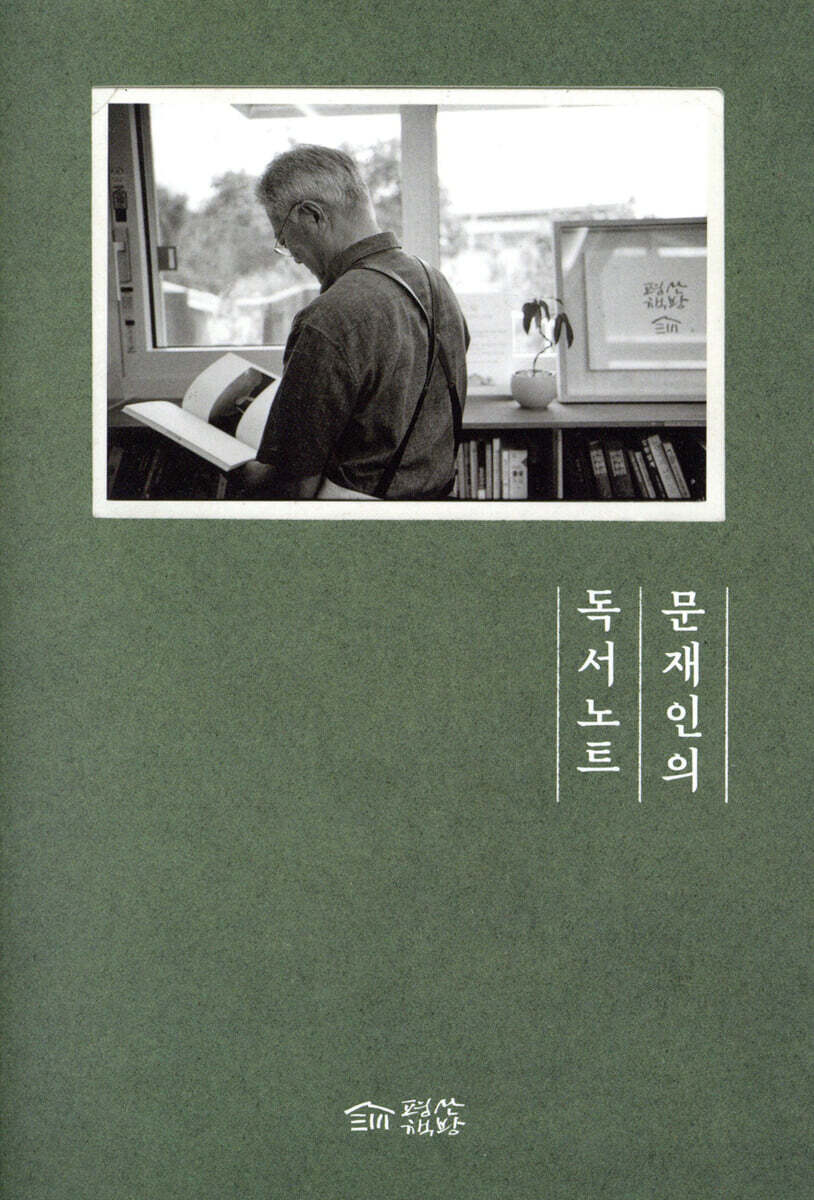
This book is a collection of reading notes by former President Moon Jae-in, the 19th President of the Republic of Korea.
This book contains 104 book reviews introduced on Facebook and Twitter from May 2012 to March 2024, divided into ‘before taking office,’ ‘during office,’ and ‘after retirement.’
In addition, it includes around 40 photos capturing the daily life of the former president, providing a great sight for those curious about his appearance.
Former President Moon Jae-in's love of books is widely known.
When I went trekking in the Himalayas, I read books by the light of a headlamp in a lodging without electricity, and during my presidency, I read books not only on vacation but also in my spare time on my private plane while traveling abroad.
What books does the president read?
This book is a collection of reading notes by former President Moon Jae-in, the 19th President of the Republic of Korea.
This book contains 104 book reviews introduced on Facebook and Twitter from May 2012 to March 2024, divided into ‘before taking office,’ ‘during office,’ and ‘after retirement.’
In addition, it includes around 40 photos capturing the daily life of the former president, providing a great sight for those curious about his appearance.
Former President Moon Jae-in's love of books is widely known.
When I went trekking in the Himalayas, I read books by the light of a headlamp in a lodging without electricity, and during my presidency, I read books not only on vacation but also in my spare time on my private plane while traveling abroad.
- You can preview some of the book's contents.
Preview
index
Before taking office in the first part
Suttanipāta, May 30, 2012
Ahn Cheol-soo's thoughts on July 20, 2012
Love Story, October 30, 2012
December 27, 2012 What Economy Makes Us Happy?
December 29, 2012: Joseon Dynasty Factional Strife 1-2
One thing I regret in my life, January 2, 2013
January 2, 2013 Ceramics, a vessel filled with heart
May 11, 2013 Shaking and swaying
May 26, 2013 How the Government Spends My Money
May 19, 2013 Head 9
Salmon Story, August 1, 2013
April 15, 2014 Children of the Gwangibeori
Recorded on May 21, 2014
Baek Seok Biography, July 5, 2014
Hangulja on August 22, 2014
What My Second Wandering Taught Me September 16, 2014
Between 3 and 5 o'clock on September 29, 2014
December 1, 2014 Imagination Becomes Reality
One flower under the sky on October 4, 2015
November 8, 2015 Miscellaneous
Sky Post Office, November 8, 2015
February 1, 2016 Cho Hoon-hyun, The Way of Thinking of a Master
February 4, 2016, Afar Saint
Copybook February 20, 2016
March 5, 2016, like the first time
April 24, 2016 The Window of Joy Opens
May 2, 2016 Spring is ahead of you
May 2, 2016 Where can you find a flower that blooms without shaking?
June 11, 2016, 416th Unit, Pharmacopoeia
Beautiful Hero Kim Young-ok, June 24, 2016
August 8, 2016 is a lie
The President's Office, September 1, 2016
Breath Taken September 17, 2016
Jeong Cheong-rae's Guide to Using the National Assembly, October 15, 2016
January 18, 2017, South Korea Asks
March 19, 2017: A must-read for parents and children
2nd term of office
August 5, 2017, Myungkyunmanri 1-4
You are right November 19, 2018
A large illustrated guide to barley, drawn in detail on May 19, 2019.
Cooking is a feeling August 12, 2019
December 1, 2019: Unification, Speaking of Youth
December 1, 2019, at age 20, I became obsessed with the Heart Sutra.
December 1, 2019 The Reincarnation of the Sad Rat
September 1, 2020: Corona Sapiens: A New Leap
The world from today, September 1, 2020
September 1, 2020 If you are a leader, be like Jeongjo
Hong Beom-do Biography, September 1, 2020
Seoul as seen in old paintings, October 24, 2020
Summer is coming on March 26, 2022.
Dream of becoming water on March 26, 2022
After the 3rd part's retirement
The Birth of Jjangkeism on June 9, 2022
Silk Road World History 1-3, June 20, 2022
June 28, 2022, when buckwheat flowers bloom
One Cut of Korean History, June 29, 2022
July 7, 2022 The Kind Survives
The Power of Geopolitics, July 15, 2022
Citizens' Korean History 1-2, July 28, 2022
Harbin, August 14, 2022
August 31, 2022 I'm lonely, so I'm human.
August 31, 2022 Iron Diary
September 15, 2022: A Very Private Nepal
Welcome to the Space Age, September 25, 2022
October 8, 2022 I am German
Father's Liberation Diary, October 24, 2022
Good Inequality, November 22, 2022
A small ball shot by a dwarf on November 26, 2022
The Clash of Technologies on December 6, 2022
Korean History of Science and Civilization Lecture, December 19, 2022
Tree Class on January 3, 2023
Thoughts on Differences on January 17, 2023
Talking Eyes, January 29, 2023
February 8, 2023: A Walk Through the Laws of the Fatherland
My Cultural Heritage Tour - Seoul, February 21, 2023
The Paradox of Press Freedom and the Dilemma of Journalism, April 13, 2023
April 28, 2023 If we go together, it will be a long road
May 7, 2023 Zelkova Guardians
Ssanggappocha on May 22, 2023
Ha-Joon Chang's Economics Recipe, June 4, 2023
June 15, 2023: The Hole-in-the-Wall Shop is Open Again Today
June 15, 2023 Tomorrow is another day
June 25, 2023, 1950 Sino-American War
The Power of Peace, July 3, 2023
July 20, 2023 Sky, Wind, Stars, and Humans
My Blue House Diary, July 30, 2023
Jeju Island, August 7, 2023
August 21, 2023 When Philosophy Takes My Hand
Vessel of God 1-2, August 29, 2023
September 27, 2023 Working and studying, studying and working
Real Estate and Politics, October 7, 2023
Japan is coming on October 27, 2023.
Dispatchers on November 16, 2023
December 1, 2023 Flowers Are Innocent
December 10, 2023: Nuclear Inflection Point
The President's Mind on December 15, 2023
Old Korea by British painter Elizabeth Keith, December 30, 2023
If tomorrow, January 3, 2024, comes, it will be a blessing!
How will the friend who couldn't study on January 24, 2024 be living?
Would you like to come to the sea of Dokdo on February 3, 2024?
February 12, 2024 You will be lonely again.
February 23, 2024: The Economic Story Not Told in Economic Newspapers
The Boy Who Cried Tears, March 12, 2024
See you at school on March 23, 2024.
Suttanipāta, May 30, 2012
Ahn Cheol-soo's thoughts on July 20, 2012
Love Story, October 30, 2012
December 27, 2012 What Economy Makes Us Happy?
December 29, 2012: Joseon Dynasty Factional Strife 1-2
One thing I regret in my life, January 2, 2013
January 2, 2013 Ceramics, a vessel filled with heart
May 11, 2013 Shaking and swaying
May 26, 2013 How the Government Spends My Money
May 19, 2013 Head 9
Salmon Story, August 1, 2013
April 15, 2014 Children of the Gwangibeori
Recorded on May 21, 2014
Baek Seok Biography, July 5, 2014
Hangulja on August 22, 2014
What My Second Wandering Taught Me September 16, 2014
Between 3 and 5 o'clock on September 29, 2014
December 1, 2014 Imagination Becomes Reality
One flower under the sky on October 4, 2015
November 8, 2015 Miscellaneous
Sky Post Office, November 8, 2015
February 1, 2016 Cho Hoon-hyun, The Way of Thinking of a Master
February 4, 2016, Afar Saint
Copybook February 20, 2016
March 5, 2016, like the first time
April 24, 2016 The Window of Joy Opens
May 2, 2016 Spring is ahead of you
May 2, 2016 Where can you find a flower that blooms without shaking?
June 11, 2016, 416th Unit, Pharmacopoeia
Beautiful Hero Kim Young-ok, June 24, 2016
August 8, 2016 is a lie
The President's Office, September 1, 2016
Breath Taken September 17, 2016
Jeong Cheong-rae's Guide to Using the National Assembly, October 15, 2016
January 18, 2017, South Korea Asks
March 19, 2017: A must-read for parents and children
2nd term of office
August 5, 2017, Myungkyunmanri 1-4
You are right November 19, 2018
A large illustrated guide to barley, drawn in detail on May 19, 2019.
Cooking is a feeling August 12, 2019
December 1, 2019: Unification, Speaking of Youth
December 1, 2019, at age 20, I became obsessed with the Heart Sutra.
December 1, 2019 The Reincarnation of the Sad Rat
September 1, 2020: Corona Sapiens: A New Leap
The world from today, September 1, 2020
September 1, 2020 If you are a leader, be like Jeongjo
Hong Beom-do Biography, September 1, 2020
Seoul as seen in old paintings, October 24, 2020
Summer is coming on March 26, 2022.
Dream of becoming water on March 26, 2022
After the 3rd part's retirement
The Birth of Jjangkeism on June 9, 2022
Silk Road World History 1-3, June 20, 2022
June 28, 2022, when buckwheat flowers bloom
One Cut of Korean History, June 29, 2022
July 7, 2022 The Kind Survives
The Power of Geopolitics, July 15, 2022
Citizens' Korean History 1-2, July 28, 2022
Harbin, August 14, 2022
August 31, 2022 I'm lonely, so I'm human.
August 31, 2022 Iron Diary
September 15, 2022: A Very Private Nepal
Welcome to the Space Age, September 25, 2022
October 8, 2022 I am German
Father's Liberation Diary, October 24, 2022
Good Inequality, November 22, 2022
A small ball shot by a dwarf on November 26, 2022
The Clash of Technologies on December 6, 2022
Korean History of Science and Civilization Lecture, December 19, 2022
Tree Class on January 3, 2023
Thoughts on Differences on January 17, 2023
Talking Eyes, January 29, 2023
February 8, 2023: A Walk Through the Laws of the Fatherland
My Cultural Heritage Tour - Seoul, February 21, 2023
The Paradox of Press Freedom and the Dilemma of Journalism, April 13, 2023
April 28, 2023 If we go together, it will be a long road
May 7, 2023 Zelkova Guardians
Ssanggappocha on May 22, 2023
Ha-Joon Chang's Economics Recipe, June 4, 2023
June 15, 2023: The Hole-in-the-Wall Shop is Open Again Today
June 15, 2023 Tomorrow is another day
June 25, 2023, 1950 Sino-American War
The Power of Peace, July 3, 2023
July 20, 2023 Sky, Wind, Stars, and Humans
My Blue House Diary, July 30, 2023
Jeju Island, August 7, 2023
August 21, 2023 When Philosophy Takes My Hand
Vessel of God 1-2, August 29, 2023
September 27, 2023 Working and studying, studying and working
Real Estate and Politics, October 7, 2023
Japan is coming on October 27, 2023.
Dispatchers on November 16, 2023
December 1, 2023 Flowers Are Innocent
December 10, 2023: Nuclear Inflection Point
The President's Mind on December 15, 2023
Old Korea by British painter Elizabeth Keith, December 30, 2023
If tomorrow, January 3, 2024, comes, it will be a blessing!
How will the friend who couldn't study on January 24, 2024 be living?
Would you like to come to the sea of Dokdo on February 3, 2024?
February 12, 2024 You will be lonely again.
February 23, 2024: The Economic Story Not Told in Economic Newspapers
The Boy Who Cried Tears, March 12, 2024
See you at school on March 23, 2024.
Detailed image

Into the book
“Like a young bird meeting the sky for the first time, like a sprout stepping onto the ground for the first time, we always begin a new day as if it were the morning, as if it were the beginning of spring, even on a winter evening when the day is fading away.
“Living is a constant beginning, creating countless firsts.”
When I was feeling frustrated after losing the presidential election, my teacher gave me a calligraphy piece that contained the words and the interpretation of the book, “Like the First Time.”
This was a work that the teacher had exhibited, and he sent it to me in its original frame.
Every time I see 'Like the First Time' hanging on the wall, I think about the meaning my teacher gave me when he wrote those words.
When the teacher wrote for others, he chose the phrases with the recipient in mind.
The Foolish Old Man Moved the Mountains
This is a letter that the teacher wrote to President Roh Moo-hyun before his retirement.
The interpretation was, “The ingenuity of a foolish old man moves mountains.”
At a press conference marking his 100th day in office, President Roh expressed his determination, saying, “I will conduct state affairs with the mindset of a foolish man who takes one step at a time to achieve his goals, rather than with grand promises or slogans.”
He returned those words in writing when he retired.
--- From “March 5, 2016, Reading Notes on ‘Like the First Time’ (Shin Young-bok)”
The Roh Tae-woo administration's Northern Policy, which established diplomatic relations with communist countries and signed the Inter-Korean Basic Agreement with North Korea, was the most epochal shift and decision in our diplomatic history.
The Kim Dae-jung, Roh Moo-hyun, and Moon Jae-in administrations inherited and developed that policy.
At that time, inter-Korean relations developed and were relatively peaceful, and balanced diplomacy was promoted.
It was also during this time that national income increased significantly, leaping into the era of $20,000 and $30,000 per capita.
In governments that did not do so, the opposite happened.
Inter-Korean relations have deteriorated, peace has become endangered, and national income has stagnated or even decreased.
Despite such a stark comparison, many people still remain stuck in Cold War mentality.
I wonder how different inter-Korean relations, the security situation, and even the economy would have been if successive governments had consistently pursued policies for peace. --- From "July 3, 2023, Reading Notes on 'The Power of Peace' (Choi Jong-geon)"
Poet Park No-hae's latest work, "The Boy Who Cried Tears," is a truly welcome book.
It was nice to meet him in a book after a long time, and it was nice to see that he was still going strong.
It was even more gratifying to reminisce about my childhood and feel a sense of kinship.
"The Boy in Tears" is an autobiographical essay in which the poet reminisces about his childhood and growing up.
It is a story of dark, poor, and sad times, but what helped the boy grow was not poverty and deprivation, but the love between family members and the warm acceptance of neighbors.
As I read the episodes that taught the boy life lessons and wisdom, I found myself missing those days.
How much are we losing now in exchange for the material abundance we have gained?
I still remember the shock and emotion I felt when I read the poet's first poetry collection, "Labor's Dawn," which came out 40 years ago and featured Oh Yoon's rough black-and-white woodcut print on the cover.
It was a time when both of us were young.
In the boy in this book, we see the archetype of a poet who dreamed of revolution while writing such fiery poetry, and who, after enduring a long imprisonment, dedicated himself to the life and peace movement.
--- From "March 12, 2024, Reading Notes on 'The Boy Who Cried Tears'"
I am very worried about the current state of affairs in which people do not read books.
While the internet and mobile devices may allow us to acquire more knowledge more quickly, they cannot replace books in shaping a comprehensive thinking system and personality that goes beyond knowledge.
When we look at what's happening in our politics and society these days, it often seems like a lack of reading is the cause.
Although our country's publishing market is ranked 7th in the world, its citizens' average annual reading volume is said to be among the lowest among OECD countries.
This means that although many books are published, many are not read.
Even though the college entrance rate is increasing, many people put down their books after graduation.
Even though educational attainment has increased, literacy has declined significantly because people rely on mobile devices for knowledge and information instead of reading books.
“Living is a constant beginning, creating countless firsts.”
When I was feeling frustrated after losing the presidential election, my teacher gave me a calligraphy piece that contained the words and the interpretation of the book, “Like the First Time.”
This was a work that the teacher had exhibited, and he sent it to me in its original frame.
Every time I see 'Like the First Time' hanging on the wall, I think about the meaning my teacher gave me when he wrote those words.
When the teacher wrote for others, he chose the phrases with the recipient in mind.
The Foolish Old Man Moved the Mountains
This is a letter that the teacher wrote to President Roh Moo-hyun before his retirement.
The interpretation was, “The ingenuity of a foolish old man moves mountains.”
At a press conference marking his 100th day in office, President Roh expressed his determination, saying, “I will conduct state affairs with the mindset of a foolish man who takes one step at a time to achieve his goals, rather than with grand promises or slogans.”
He returned those words in writing when he retired.
--- From “March 5, 2016, Reading Notes on ‘Like the First Time’ (Shin Young-bok)”
The Roh Tae-woo administration's Northern Policy, which established diplomatic relations with communist countries and signed the Inter-Korean Basic Agreement with North Korea, was the most epochal shift and decision in our diplomatic history.
The Kim Dae-jung, Roh Moo-hyun, and Moon Jae-in administrations inherited and developed that policy.
At that time, inter-Korean relations developed and were relatively peaceful, and balanced diplomacy was promoted.
It was also during this time that national income increased significantly, leaping into the era of $20,000 and $30,000 per capita.
In governments that did not do so, the opposite happened.
Inter-Korean relations have deteriorated, peace has become endangered, and national income has stagnated or even decreased.
Despite such a stark comparison, many people still remain stuck in Cold War mentality.
I wonder how different inter-Korean relations, the security situation, and even the economy would have been if successive governments had consistently pursued policies for peace. --- From "July 3, 2023, Reading Notes on 'The Power of Peace' (Choi Jong-geon)"
Poet Park No-hae's latest work, "The Boy Who Cried Tears," is a truly welcome book.
It was nice to meet him in a book after a long time, and it was nice to see that he was still going strong.
It was even more gratifying to reminisce about my childhood and feel a sense of kinship.
"The Boy in Tears" is an autobiographical essay in which the poet reminisces about his childhood and growing up.
It is a story of dark, poor, and sad times, but what helped the boy grow was not poverty and deprivation, but the love between family members and the warm acceptance of neighbors.
As I read the episodes that taught the boy life lessons and wisdom, I found myself missing those days.
How much are we losing now in exchange for the material abundance we have gained?
I still remember the shock and emotion I felt when I read the poet's first poetry collection, "Labor's Dawn," which came out 40 years ago and featured Oh Yoon's rough black-and-white woodcut print on the cover.
It was a time when both of us were young.
In the boy in this book, we see the archetype of a poet who dreamed of revolution while writing such fiery poetry, and who, after enduring a long imprisonment, dedicated himself to the life and peace movement.
--- From "March 12, 2024, Reading Notes on 'The Boy Who Cried Tears'"
I am very worried about the current state of affairs in which people do not read books.
While the internet and mobile devices may allow us to acquire more knowledge more quickly, they cannot replace books in shaping a comprehensive thinking system and personality that goes beyond knowledge.
When we look at what's happening in our politics and society these days, it often seems like a lack of reading is the cause.
Although our country's publishing market is ranked 7th in the world, its citizens' average annual reading volume is said to be among the lowest among OECD countries.
This means that although many books are published, many are not read.
Even though the college entrance rate is increasing, many people put down their books after graduation.
Even though educational attainment has increased, literacy has declined significantly because people rely on mobile devices for knowledge and information instead of reading books.
--- From the author's note
Publisher's Review
The power of books that made President Moon Jae-in!
Former President Moon Jae-in said, “Books made me who I am today.”
As a child, the poverty of his refugee family was a constant source of deprivation for him.
I couldn't play, have hobbies, study, or do anything that cost money.
But the book was relatively fair.
When I became a middle school student and was able to use the school library, I was able to read books without any restrictions.
Although the school library had time and location constraints, those constraints allowed me to focus more on reading.
Moon Jae-in's values, outlook on life, view of history, and worldview were formed through reading that began during that time.
All the common sense, justice, morals, and principles he possessed were learned from books.
A wide, deep, and diverse reading list!
There is a saying, “If you want to know what kind of person he is, look at the books he reads!”
A look at this list of books reveals that former President Moon Jae-in's reading is broad and deep.
As a literature lover who used to search for and read the winning works of the New Year's Literary Contest in his youth, he has read a wide variety of books, including collections of works by famous authors such as Lee Hae-in, Kim Hoon, Jeong Ho-seung, Do Jong-hwan, Ahn Do-hyun, and Jeong Ji-ah, as well as books on philosophy, economics, physics, webtoons, and science fiction novels.
Former President Moon Jae-in expressed regret that good books, which authors worked hard to write and publishers put in a lot of effort to create, were not able to find readers.
Because of that regret, I started recommending books on social media.
I wanted to share the books I read and enjoyed with others.
It's been 12 years since I started this, and I've recommended over 100 books.
Moon Jae-in's life and philosophy are contained here!
While introducing Shin Young-bok's "Like the First Time," he mentions the relationship between himself, the author, and former President Roh Moo-hyun, and while introducing Choi Jong-geon's "The Power of Peace," he mentions the Moon Jae-in administration's foreign policy and national defense policy.
Some people say that they were happy to read the autobiographical essay “The Boy Who Cried Tears” written by poet Park No-hae, who recalls his childhood, as it brought back memories of his own childhood and made them feel a sense of kinship.
Beyond simple book introductions, the unique feature of “Moon Jae-in’s Reading Notes” is that it offers a glimpse into aspects of his life and philosophy.
Former President Moon Jae-in says, “I believe in the power of books.”
They say that books make better people and create a better world.
I believe that books contain comfort, hope, and a future, and that they have the power to illuminate the darkness of the world.
I have found great joy and fulfillment in recommending books, and I pledge to continue reading and recommending books in the future for that precious joy and fulfillment.
Former President Moon Jae-in said, “Books made me who I am today.”
As a child, the poverty of his refugee family was a constant source of deprivation for him.
I couldn't play, have hobbies, study, or do anything that cost money.
But the book was relatively fair.
When I became a middle school student and was able to use the school library, I was able to read books without any restrictions.
Although the school library had time and location constraints, those constraints allowed me to focus more on reading.
Moon Jae-in's values, outlook on life, view of history, and worldview were formed through reading that began during that time.
All the common sense, justice, morals, and principles he possessed were learned from books.
A wide, deep, and diverse reading list!
There is a saying, “If you want to know what kind of person he is, look at the books he reads!”
A look at this list of books reveals that former President Moon Jae-in's reading is broad and deep.
As a literature lover who used to search for and read the winning works of the New Year's Literary Contest in his youth, he has read a wide variety of books, including collections of works by famous authors such as Lee Hae-in, Kim Hoon, Jeong Ho-seung, Do Jong-hwan, Ahn Do-hyun, and Jeong Ji-ah, as well as books on philosophy, economics, physics, webtoons, and science fiction novels.
Former President Moon Jae-in expressed regret that good books, which authors worked hard to write and publishers put in a lot of effort to create, were not able to find readers.
Because of that regret, I started recommending books on social media.
I wanted to share the books I read and enjoyed with others.
It's been 12 years since I started this, and I've recommended over 100 books.
Moon Jae-in's life and philosophy are contained here!
While introducing Shin Young-bok's "Like the First Time," he mentions the relationship between himself, the author, and former President Roh Moo-hyun, and while introducing Choi Jong-geon's "The Power of Peace," he mentions the Moon Jae-in administration's foreign policy and national defense policy.
Some people say that they were happy to read the autobiographical essay “The Boy Who Cried Tears” written by poet Park No-hae, who recalls his childhood, as it brought back memories of his own childhood and made them feel a sense of kinship.
Beyond simple book introductions, the unique feature of “Moon Jae-in’s Reading Notes” is that it offers a glimpse into aspects of his life and philosophy.
Former President Moon Jae-in says, “I believe in the power of books.”
They say that books make better people and create a better world.
I believe that books contain comfort, hope, and a future, and that they have the power to illuminate the darkness of the world.
I have found great joy and fulfillment in recommending books, and I pledge to continue reading and recommending books in the future for that precious joy and fulfillment.
GOODS SPECIFICS
- Date of issue: April 16, 2024
- Page count, weight, size: 240 pages | 308g | 128*188*15mm
- ISBN13: 9791198308610
- ISBN10: 1198308613
You may also like
카테고리
korean


korean

![GQ KOREA Mark (Monthly): December [2025]](http://librairie.coreenne.fr/cdn/shop/files/8ef265dbbfbf186523ed75ba7319009d.jpg?v=1765340328&width=3840)


