

Depression and Listening
 |
Description
Book Introduction
“People who die at night are also quiet.
“I was standing outside when I heard my voice from inside the house.”
Listening to the voices of the disappeared
The sad yet beautiful aesthetics of melancholy
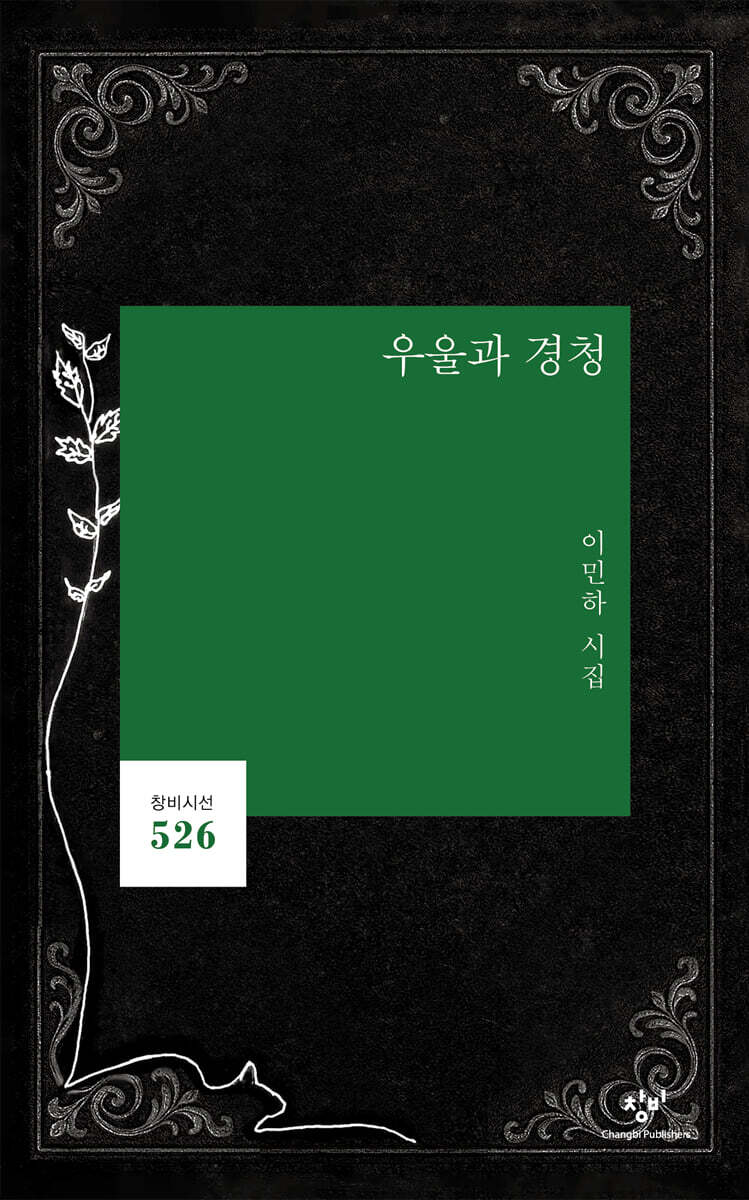
Lee Min-ha's new poetry collection, "Depression and Listening," which has been praised for "never speaking in clichés" (literary critic Hwang Hyeon-san) while building a world of sensual language and grotesque, fantastical images, has been published as Changbi Poetry Series No. 526.
This is the sixth poetry collection published in 25 years since his debut, and his first in four years since 『Migihwi』 (Munhak-kwa-Jiseongsa, 2021), which won the 2022 Jihoon Literary Award and the Sanghwa Poet Award.
In this collection of poems, the poet transcends the boundaries between life and death, reality and fantasy, and unfolds the sorrow of a “world both unfamiliar and familiar” in the language of “quiet yet intense emotions” (Hwang In-chan, recommendation).
The poems that face the absurd world and bear witness to our times come across as a chilling “monologue more tenacious than death” (“When We Were Poets”).
"Melancholy and Listening," which unfolds the aesthetics of "melancholy" and the poetics of "listening" in language that is dark and heavy yet transparent and beautiful, will remain as a voice calling out to one another even in sorrow, and will resonate deep within our hearts for a long time.
“I was standing outside when I heard my voice from inside the house.”
Listening to the voices of the disappeared
The sad yet beautiful aesthetics of melancholy
Lee Min-ha's new poetry collection, "Depression and Listening," which has been praised for "never speaking in clichés" (literary critic Hwang Hyeon-san) while building a world of sensual language and grotesque, fantastical images, has been published as Changbi Poetry Series No. 526.
This is the sixth poetry collection published in 25 years since his debut, and his first in four years since 『Migihwi』 (Munhak-kwa-Jiseongsa, 2021), which won the 2022 Jihoon Literary Award and the Sanghwa Poet Award.
In this collection of poems, the poet transcends the boundaries between life and death, reality and fantasy, and unfolds the sorrow of a “world both unfamiliar and familiar” in the language of “quiet yet intense emotions” (Hwang In-chan, recommendation).
The poems that face the absurd world and bear witness to our times come across as a chilling “monologue more tenacious than death” (“When We Were Poets”).
"Melancholy and Listening," which unfolds the aesthetics of "melancholy" and the poetics of "listening" in language that is dark and heavy yet transparent and beautiful, will remain as a voice calling out to one another even in sorrow, and will resonate deep within our hearts for a long time.
- You can preview some of the book's contents.
Preview
index
Season 1 · It means I won't forget. It means I love you.
hole
History of Love
Black Book
The chair I died in
The eyes that close in April open again in April
Jigsaw
Alone and together
synesthesia
Sister's Forest
When we were poets
Season 2: If I'm not sick, should I stay silent?
Suin on the beach
Holo
Morning in Black Uniform
table
Open-mouthed man
Plant Encyclopedia
The chair I lived in
Night and City
End of summer
This tunnel sunshine
Season 3: You Are My Author
what
9201
cracker
old movies
Alone in my dreams
Origin of the North
T-maze
single meal
earthling
Natives of the Night
Extras in movies where the extras are the main characters
Season 4: But where does my ear end?
Depression and Listening
influence
New World
People trapped in the wall
The Crimson King
mysticism
Jibakryeong
Hallways and Shadows
December 3rd
Generation
Season 5 · Let's just talk about us next time
writer
Contemporary
flesh and bones
Wrap the dry umbilical cord around the neck
Old ghost
soil and water
In the time when I am not there
The deep, quiet, and infinite white footprints of the universe seen as a point in space
eternity
Natural things
Commentary | Jeon Seung-min
Poet's words
hole
History of Love
Black Book
The chair I died in
The eyes that close in April open again in April
Jigsaw
Alone and together
synesthesia
Sister's Forest
When we were poets
Season 2: If I'm not sick, should I stay silent?
Suin on the beach
Holo
Morning in Black Uniform
table
Open-mouthed man
Plant Encyclopedia
The chair I lived in
Night and City
End of summer
This tunnel sunshine
Season 3: You Are My Author
what
9201
cracker
old movies
Alone in my dreams
Origin of the North
T-maze
single meal
earthling
Natives of the Night
Extras in movies where the extras are the main characters
Season 4: But where does my ear end?
Depression and Listening
influence
New World
People trapped in the wall
The Crimson King
mysticism
Jibakryeong
Hallways and Shadows
December 3rd
Generation
Season 5 · Let's just talk about us next time
writer
Contemporary
flesh and bones
Wrap the dry umbilical cord around the neck
Old ghost
soil and water
In the time when I am not there
The deep, quiet, and infinite white footprints of the universe seen as a point in space
eternity
Natural things
Commentary | Jeon Seung-min
Poet's words
Into the book
Water and water were stuck together.
Darkness and darkness did not fall.
A man entered holding a candle.
I was going out of my body.
--- From "hole"
No matter how slowly I ate, the kids wouldn't come out.
I asked the owner and he said everyone had gone on a school trip.
I asked a passerby and they said it was a closed school.
I crossed the empty playground again.
As if I suddenly remembered the name tag I had left behind
--- From "The Chair I Died In"
I thought about myself.
I was so far away and alone.
I've been alone for too long.
I looked up at the sky to dry my tears.
The faded streaks of the clouds were painted thick and white.
I paused for a moment.
Unknown music flowed.
It seemed as if he had spilled a can of paint on me, as if he had seen me alone.
White poured down over my head.
It was the first snow.
I could see it even though I couldn't see it.
--- From "Alone and Together"
I'm almost there
Wandering like a troupe in someone's memory
I am my own choir
When my right side opens its mouth, my left side remains silent.
There are many secrets between us.
Half of the members have no voice
Between pretending to be dead and pretending not to be dead
But I'm all standing up
--- From "Holo"
I crossed the empty playground again.
As if I suddenly remembered the diary I left behind
He was holding a key in his hand.
Did everyone leave holding a different key?
Are there as many classrooms as there are lockers?
I'm reading a faded diary, going into my memories.
My partner, who was hiding alone, whispered
Under the desk where no one can find it
Who's on duty today?
Without saying anything, I erased the blackboard again.
--- From "The Chair I Lived In"
Calling us, he ran towards us and into us.
Like giving and receiving artificial respiration while lying on a wet beach
A pure heart and just one step
When the wall closes, a gap opens.
We are suddenly getting closer to night
Like people I'm seeing for the first time
Like an unknown sentence
Like a dream I've never had before
--- From "This Tunnel Sunshine"
Some nights start like that
Children running through the forest and sparkling flowers and fruits
With the clouds of a bright Saturday
The children ran around until the sun went down
Not a forest
Something in the forest
--- Among "what"
Then the angel came to water the plants, dragging the spider almost to the ground.
When leaves sprout from the snow
Becoming an adult is the beginning of the body's season.
This is an angel story I made up on a rainy night
--- From "Night Natives"
Today it's snowing so hard it feels like it's falling
People are like foreign languages
I walked into the endless hallway with my ears open
Sentences that cannot be copied flow without moonlight
Flowing without wind
The story flows on its own
--- From "Depression and Listening"
People who had been absentmindedly reading the time followed.
Their flint-like eyes clashed here and there
Leaning against the pale ashes behind the building
It's about to go out between the person who passed the fire and the person who lit it.
A story that seemed like it would go out began
On someone's palm
--- From "Lighter"
By the way
Strange noises used to come from the warehouse at my maternal grandparents' house in the countryside.
How scary would it be to dream of playing alone?
People ran away because they thought ghosts were crying.
I thought I was trapped
Darkness and darkness did not fall.
A man entered holding a candle.
I was going out of my body.
--- From "hole"
No matter how slowly I ate, the kids wouldn't come out.
I asked the owner and he said everyone had gone on a school trip.
I asked a passerby and they said it was a closed school.
I crossed the empty playground again.
As if I suddenly remembered the name tag I had left behind
--- From "The Chair I Died In"
I thought about myself.
I was so far away and alone.
I've been alone for too long.
I looked up at the sky to dry my tears.
The faded streaks of the clouds were painted thick and white.
I paused for a moment.
Unknown music flowed.
It seemed as if he had spilled a can of paint on me, as if he had seen me alone.
White poured down over my head.
It was the first snow.
I could see it even though I couldn't see it.
--- From "Alone and Together"
I'm almost there
Wandering like a troupe in someone's memory
I am my own choir
When my right side opens its mouth, my left side remains silent.
There are many secrets between us.
Half of the members have no voice
Between pretending to be dead and pretending not to be dead
But I'm all standing up
--- From "Holo"
I crossed the empty playground again.
As if I suddenly remembered the diary I left behind
He was holding a key in his hand.
Did everyone leave holding a different key?
Are there as many classrooms as there are lockers?
I'm reading a faded diary, going into my memories.
My partner, who was hiding alone, whispered
Under the desk where no one can find it
Who's on duty today?
Without saying anything, I erased the blackboard again.
--- From "The Chair I Lived In"
Calling us, he ran towards us and into us.
Like giving and receiving artificial respiration while lying on a wet beach
A pure heart and just one step
When the wall closes, a gap opens.
We are suddenly getting closer to night
Like people I'm seeing for the first time
Like an unknown sentence
Like a dream I've never had before
--- From "This Tunnel Sunshine"
Some nights start like that
Children running through the forest and sparkling flowers and fruits
With the clouds of a bright Saturday
The children ran around until the sun went down
Not a forest
Something in the forest
--- Among "what"
Then the angel came to water the plants, dragging the spider almost to the ground.
When leaves sprout from the snow
Becoming an adult is the beginning of the body's season.
This is an angel story I made up on a rainy night
--- From "Night Natives"
Today it's snowing so hard it feels like it's falling
People are like foreign languages
I walked into the endless hallway with my ears open
Sentences that cannot be copied flow without moonlight
Flowing without wind
The story flows on its own
--- From "Depression and Listening"
People who had been absentmindedly reading the time followed.
Their flint-like eyes clashed here and there
Leaning against the pale ashes behind the building
It's about to go out between the person who passed the fire and the person who lit it.
A story that seemed like it would go out began
On someone's palm
--- From "Lighter"
By the way
Strange noises used to come from the warehouse at my maternal grandparents' house in the countryside.
How scary would it be to dream of playing alone?
People ran away because they thought ghosts were crying.
I thought I was trapped
--- From "Old Ghosts"
Publisher's Review
“Dead people still have things to say even after they die.
“I’m looking for an empty chair in my dreams”
As the title suggests, ‘depression’ and ‘listening’ are the most accurate words that permeate this poetry collection.
For the poet, 'melancholy' is not simply a feeling of sadness, but a sense of perceiving the absurdity of everyday life and an ethical sensibility that resonates with the pain and sorrow of others.
The poet sings of “the natural disasters of last winter and the disasters that everyone knows about” (“The Crimson King”), but also says, “We laughed and our faith did not dry up” (“Jigsaw”).
Even in the midst of a story of despair, “like a world of darkness without day or night and the depression that everyone suffers from” (“The Crimson King”), the aura of hope that blooms is the true face of depression that the poet speaks of.
Only in the midst of our sadness, when we listen to your sorrow and live with you through it, can we finally reach out to each other.
And at its foundation lies ‘listening’ to the voices of others.
As in the sentences, “The more I listen, the more words I don’t hear” (“Melancholy and Listening”) and “As the night continued, listening became my job” (the poet’s words), for the poet, listening is not simply hearing, but an act of leaning in to the voice of the suffering other, an ethics of accepting the other’s sorrow, and in other words, proof of being alive.
The poet captures and pours his heart into the “fear that slowly tightens the breath like a screw” and the “limping voice” (“Melancholy and Listening”) heard from beyond the “unquenchable darkness” (“Synesthesia”).
This is because listening to the voices of non-human beings such as ghosts, angels, terrestrial spirits, and cats that appear in his poetry, as well as peripheral beings pushed out of the center of the world, such as women, children, and extras, is the poet's chosen method of solidarity with the world.
For the poet, they are not mere objects of pity, but subjects of sensation who react most sensitively to the violence of the world.
The poet, who observes the violence of the world through such small, weak, and fragile beings, completes the poetics of listening by quietly listening to the voices of those who cry first and hear first from the lowest position.
“It means I won’t forget.
“It means I love you.”
A soft voice echoes down the long night corridor
In his previous work, “Microclimate,” the poet sang of the love of humans living “in the midst of global depression and each individual’s climate.” In this collection of poems, “Depression and Listening,” he seeks to embrace the sadness of others through depression and connect with each other through listening, “while understanding the loneliness of life so well, so that loneliness never remains my own” (Hwang In-chan, recommendation).
The poet reaches out to the dark side once again, saying, “Of all the things you can do while holding hands in the face of death, the greatest is love” (“Melancholy and Listening”).
This is the ethics of empathy and hospitality that Lee Min-ha's poetry pursues, and it is a way to protect life.
Therefore, “the act of remembering the names of the dead” (Jeon Seung-min, commentary) ultimately means “not forgetting” and “loving” (History of Love).
Lee Min-ha's incantation, calling out the names of all those enduring the darkness of the world one by one and repeating, "Don't die/Don't die today" ("Generation"), will resonate transparently, filling the long hallways of the night.
Poet's words
I live a life commenting on the shadows of my soul.
As the night wore on, listening became a profession.
Open your ears
Next time, spread your hands
The door opens
A gloom comes in
Pull out the chair carefully
Sit facing each other like a mirror
Two melancholy cries
Don't die
Don't die today
October 2025
Lee Min-ha
“I’m looking for an empty chair in my dreams”
As the title suggests, ‘depression’ and ‘listening’ are the most accurate words that permeate this poetry collection.
For the poet, 'melancholy' is not simply a feeling of sadness, but a sense of perceiving the absurdity of everyday life and an ethical sensibility that resonates with the pain and sorrow of others.
The poet sings of “the natural disasters of last winter and the disasters that everyone knows about” (“The Crimson King”), but also says, “We laughed and our faith did not dry up” (“Jigsaw”).
Even in the midst of a story of despair, “like a world of darkness without day or night and the depression that everyone suffers from” (“The Crimson King”), the aura of hope that blooms is the true face of depression that the poet speaks of.
Only in the midst of our sadness, when we listen to your sorrow and live with you through it, can we finally reach out to each other.
And at its foundation lies ‘listening’ to the voices of others.
As in the sentences, “The more I listen, the more words I don’t hear” (“Melancholy and Listening”) and “As the night continued, listening became my job” (the poet’s words), for the poet, listening is not simply hearing, but an act of leaning in to the voice of the suffering other, an ethics of accepting the other’s sorrow, and in other words, proof of being alive.
The poet captures and pours his heart into the “fear that slowly tightens the breath like a screw” and the “limping voice” (“Melancholy and Listening”) heard from beyond the “unquenchable darkness” (“Synesthesia”).
This is because listening to the voices of non-human beings such as ghosts, angels, terrestrial spirits, and cats that appear in his poetry, as well as peripheral beings pushed out of the center of the world, such as women, children, and extras, is the poet's chosen method of solidarity with the world.
For the poet, they are not mere objects of pity, but subjects of sensation who react most sensitively to the violence of the world.
The poet, who observes the violence of the world through such small, weak, and fragile beings, completes the poetics of listening by quietly listening to the voices of those who cry first and hear first from the lowest position.
“It means I won’t forget.
“It means I love you.”
A soft voice echoes down the long night corridor
In his previous work, “Microclimate,” the poet sang of the love of humans living “in the midst of global depression and each individual’s climate.” In this collection of poems, “Depression and Listening,” he seeks to embrace the sadness of others through depression and connect with each other through listening, “while understanding the loneliness of life so well, so that loneliness never remains my own” (Hwang In-chan, recommendation).
The poet reaches out to the dark side once again, saying, “Of all the things you can do while holding hands in the face of death, the greatest is love” (“Melancholy and Listening”).
This is the ethics of empathy and hospitality that Lee Min-ha's poetry pursues, and it is a way to protect life.
Therefore, “the act of remembering the names of the dead” (Jeon Seung-min, commentary) ultimately means “not forgetting” and “loving” (History of Love).
Lee Min-ha's incantation, calling out the names of all those enduring the darkness of the world one by one and repeating, "Don't die/Don't die today" ("Generation"), will resonate transparently, filling the long hallways of the night.
Poet's words
I live a life commenting on the shadows of my soul.
As the night wore on, listening became a profession.
Open your ears
Next time, spread your hands
The door opens
A gloom comes in
Pull out the chair carefully
Sit facing each other like a mirror
Two melancholy cries
Don't die
Don't die today
October 2025
Lee Min-ha
GOODS SPECIFICS
- Date of issue: November 3, 2025
- Format: Paperback book binding method guide
- Page count, weight, size: 192 pages | 216g | 125*200*10mm
- ISBN13: 9788936425265
You may also like
카테고리
korean


korean

![ELLE 엘르 스페셜 에디션 A형 : 12월 [2025]](http://librairie.coreenne.fr/cdn/shop/files/b8e27a3de6c9538896439686c6b0e8fb.jpg?v=1766436872&width=3840)


