

Lee Sang-seol's biography
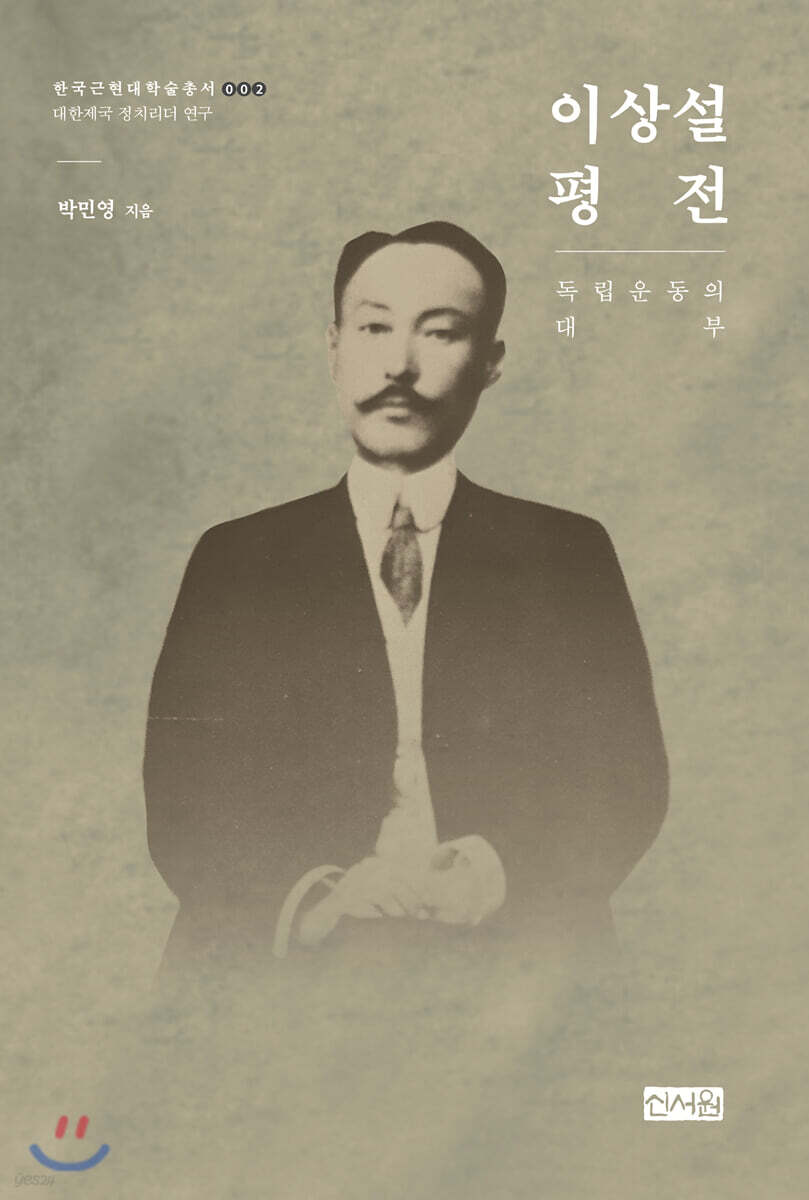 |
Description
Book Introduction
Lee Sang-seol, who demonstrated the pure and noble values of the independence movement with his whole body.
Lee Sang-seol consistently carried out the independence movement throughout his life, using his firm convictions and respect for and trust in his country and people as a yardstick to realize them.
It was only through his determination and actions based on his convictions that he was able to crush the Japanese imperialists' 1904 demand for the right to develop wasteland, a scheme to seize the country's territory, and to denounce the Eulsa Treaty, which was a ruinous treaty that undermined the dignity of the nation and history, with his death the following year.
When he went to The Hague by order of Emperor Gwangmu, he did so with the blood of a patriot, bearing the fate of the nation on his shoulders.
The painstaking independence movement that unfolded in Gumi and the Maritime Province before and after the Gyeongsul National Shame was the result of the nation and its people taking upon themselves the historical mission bestowed upon them.
It was the result of an infinite sense of responsibility for the suffering that history and the nation were soon to face.
It is an example of patriotism that meets the demands of the new era.
Lee Sang-seol is a person who embodied both traditional patriotism and the new era's patriotism and tried to embody them.
Lee Sang-seol consistently carried out the independence movement throughout his life, using his firm convictions and respect for and trust in his country and people as a yardstick to realize them.
It was only through his determination and actions based on his convictions that he was able to crush the Japanese imperialists' 1904 demand for the right to develop wasteland, a scheme to seize the country's territory, and to denounce the Eulsa Treaty, which was a ruinous treaty that undermined the dignity of the nation and history, with his death the following year.
When he went to The Hague by order of Emperor Gwangmu, he did so with the blood of a patriot, bearing the fate of the nation on his shoulders.
The painstaking independence movement that unfolded in Gumi and the Maritime Province before and after the Gyeongsul National Shame was the result of the nation and its people taking upon themselves the historical mission bestowed upon them.
It was the result of an infinite sense of responsibility for the suffering that history and the nation were soon to face.
It is an example of patriotism that meets the demands of the new era.
Lee Sang-seol is a person who embodied both traditional patriotism and the new era's patriotism and tried to embody them.
index
Seomun's bloody patriotism, Lee Sang-seol
Part 1: Academics and Official Power
Chapter 1: Family and Learning
The prodigy of Sanjik Village | The father of modern Korean mathematics, a master of Eastern and Western scholarship.
Chapter 2: The Path of an Official
Passing the civil service examination and the examination certificate | Official power after taking office
Part 2: The Vanguard of National Sovereignty
Chapter 1: A Time of Trials and Tribulations
The Korean Empire: The Russo-Japanese War and the Japanese Invasion
Chapter 2: The Struggle to Protect National Sovereignty
Struggle against Wasteland Reclamation | Struggle to Abrogate the Eulsa Treaty and Demand Punishment of the Five Enemies
Part 3: A Pioneer's Dream, Seojeonseosuk
Chapter 1: Yongjeong, the New World of Overseas Independence Movements
Korean Community in North Gando | Yongjeong, a Base of the Independence Movement
Chapter 2: Seojeon Seosuk, the Cradle of National Education
The Establishment of Seojeon Seosuk | Seojeon Seosuk's National Education, Myeongdong School, and the Successor to Seojeon Seosuk
Part 4: The Bloody Blood of Salvation, The Hague
Chapter 1: The Faraway Hague
The Clouds of War in Europe and the Hague Peace Conference | The Second Hague International Peace Conference | The Hague Delegation's Journey to The Hague
Chapter 2: The Hague's Bloody Salvation
Efforts to Attend the Peace Conference | Press Appeal and National Salvation Speech | Lee Jun's Death | Diplomatic Tour to Europe and the US
Part 5: Integration of Korean-American Communities and the Independence Movement
Chapter 1: Convening the Patriotic Comrades' Representative Conference
Chapter 2: Formation of the National Conference of Korean-Americans
Chapter 3: The Last Words of Loyalty and Patriotism
"The Imperial House is not a tool for the destruction of a nation" | "The Biography of the Two Righteous Men"
Part 6: Leaders of Integration and Solidarity
Chapter 1: Developing Milsan, a Base for the Independence Movement
A National Fate on the Brink | Establishing a Base for the Independence Movement in Fengmilsan, Northern Manchuria, from the U.S. to the Maritime Province
Chapter 2: The Thirteen Provinces' Army and the Seongmyeonghoe
Relations with the Righteous Army Commander Yu In-seok | Formation of the Thirteen Provinces' Righteous Army | Emperor Gwangmu's Plan to Escape to the Maritime Province | Formation of the Seongmyeonghoe (Songmyeonghoe) and the Anti-Annexation Struggle
Part 7: Desire for a War of Independence
Chapter 1: Formation of the Trade Union
The Kwonuphoe and Idealism | The Kwonuphoe's Operations and Activities
Chapter 2: The Road to Independence
Establishment of the Korean Liberation Army Government | Formation of the New Korean Revolutionary Party
Part 8: The Righteous Spirit of National Salvation
Chapter 1: The Little King's Land Where the Moon Sets
Chapter 2: Commentary by Later Men
Chapter 3: Seonyang after Liberation
Part 9: Lessons Left Behind in History
Lee Sang-seol's chronology
References
Search
Part 1: Academics and Official Power
Chapter 1: Family and Learning
The prodigy of Sanjik Village | The father of modern Korean mathematics, a master of Eastern and Western scholarship.
Chapter 2: The Path of an Official
Passing the civil service examination and the examination certificate | Official power after taking office
Part 2: The Vanguard of National Sovereignty
Chapter 1: A Time of Trials and Tribulations
The Korean Empire: The Russo-Japanese War and the Japanese Invasion
Chapter 2: The Struggle to Protect National Sovereignty
Struggle against Wasteland Reclamation | Struggle to Abrogate the Eulsa Treaty and Demand Punishment of the Five Enemies
Part 3: A Pioneer's Dream, Seojeonseosuk
Chapter 1: Yongjeong, the New World of Overseas Independence Movements
Korean Community in North Gando | Yongjeong, a Base of the Independence Movement
Chapter 2: Seojeon Seosuk, the Cradle of National Education
The Establishment of Seojeon Seosuk | Seojeon Seosuk's National Education, Myeongdong School, and the Successor to Seojeon Seosuk
Part 4: The Bloody Blood of Salvation, The Hague
Chapter 1: The Faraway Hague
The Clouds of War in Europe and the Hague Peace Conference | The Second Hague International Peace Conference | The Hague Delegation's Journey to The Hague
Chapter 2: The Hague's Bloody Salvation
Efforts to Attend the Peace Conference | Press Appeal and National Salvation Speech | Lee Jun's Death | Diplomatic Tour to Europe and the US
Part 5: Integration of Korean-American Communities and the Independence Movement
Chapter 1: Convening the Patriotic Comrades' Representative Conference
Chapter 2: Formation of the National Conference of Korean-Americans
Chapter 3: The Last Words of Loyalty and Patriotism
"The Imperial House is not a tool for the destruction of a nation" | "The Biography of the Two Righteous Men"
Part 6: Leaders of Integration and Solidarity
Chapter 1: Developing Milsan, a Base for the Independence Movement
A National Fate on the Brink | Establishing a Base for the Independence Movement in Fengmilsan, Northern Manchuria, from the U.S. to the Maritime Province
Chapter 2: The Thirteen Provinces' Army and the Seongmyeonghoe
Relations with the Righteous Army Commander Yu In-seok | Formation of the Thirteen Provinces' Righteous Army | Emperor Gwangmu's Plan to Escape to the Maritime Province | Formation of the Seongmyeonghoe (Songmyeonghoe) and the Anti-Annexation Struggle
Part 7: Desire for a War of Independence
Chapter 1: Formation of the Trade Union
The Kwonuphoe and Idealism | The Kwonuphoe's Operations and Activities
Chapter 2: The Road to Independence
Establishment of the Korean Liberation Army Government | Formation of the New Korean Revolutionary Party
Part 8: The Righteous Spirit of National Salvation
Chapter 1: The Little King's Land Where the Moon Sets
Chapter 2: Commentary by Later Men
Chapter 3: Seonyang after Liberation
Part 9: Lessons Left Behind in History
Lee Sang-seol's chronology
References
Search
GOODS SPECIFICS
- Publication date: November 30, 2020
- Page count, weight, size: 333 pages | 634g | 152*225*30mm
- ISBN13: 9788979403466
- ISBN10: 8979403461
You may also like
카테고리
korean


korean

![GQ KOREA Mark (Monthly): December [2025]](http://librairie.coreenne.fr/cdn/shop/files/8ef265dbbfbf186523ed75ba7319009d.jpg?v=1765340328&width=3840)


