

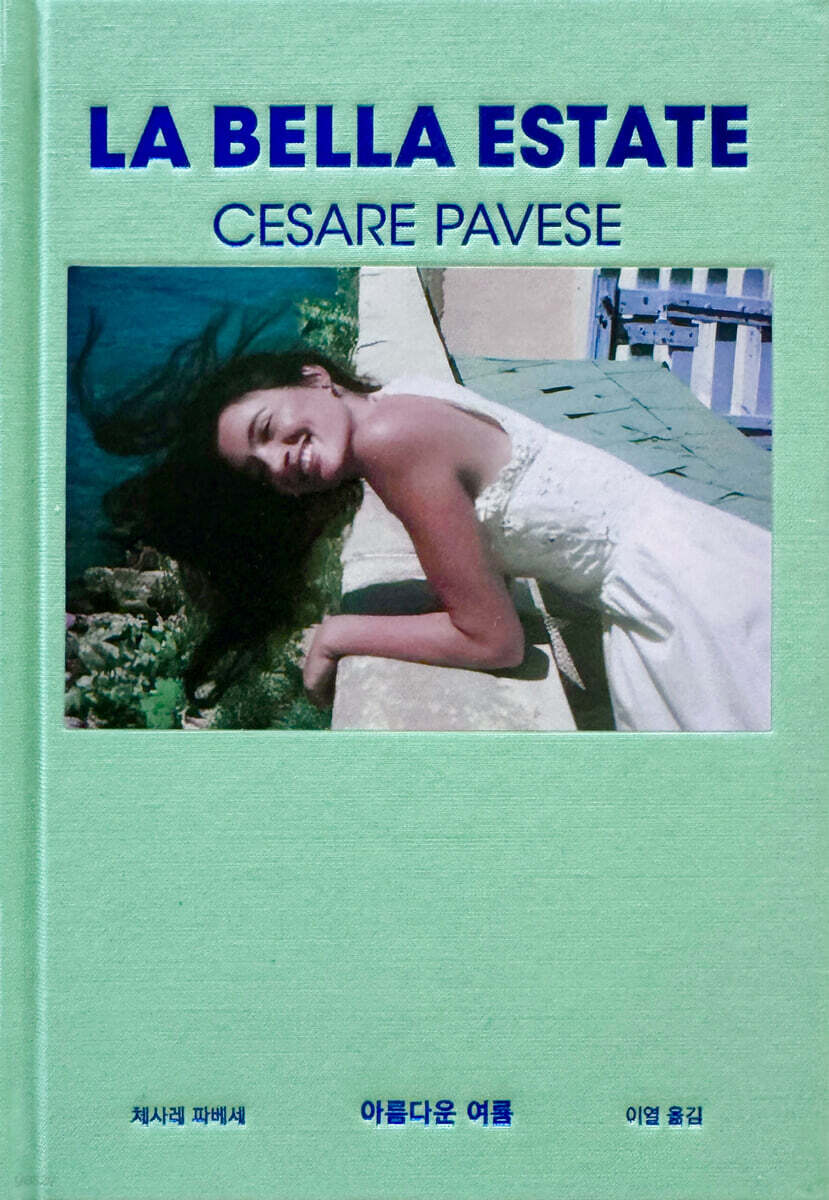
Beautiful summer
 |
Description
Book Introduction
“I forgive everyone.
And I will ask forgiveness from people I don't even know.
Okay? Don't say anything too much."
In the summer of 1950, Cesare Pavese won Italy's most prestigious Strega Award for "Beautiful Summer."
But just two months later, he died in a small hotel room in Turin, leaving behind a suicide note.
Pavese's last short will seems to encapsulate the loneliness and emptiness he had been observing in literature throughout his life.
Pavese, a key editor at the publishing house Einaudi and based in Turin, introduced American literature to Italy through translation and criticism after serving time in prison under the fascist regime.
His influence continued on numerous contemporary writers, including Italo Calvino.
However, the reason his work cannot be reduced to mere social realism is that it always has its own unique literary world that explores the loneliness of human existence, the failure of love, and the awakening without salvation.
His masterpiece, a novella titled "Beautiful Summer," depicts the inescapable fate of loneliness experienced by an individual through the love, desire, and betrayal experienced by a teenage girl, Genia.
Summer, a dazzling season, symbolizes the passion of youth and love, but at the same time, it serves as a metaphor for vain and fleeting moments.
The anxiety, passion, excitement, and fear that Genie faces ultimately culminate in a single narrative of growth, but what she encounters at the end is not joy, but a cold awakening.
"Beautiful Summer" captures the shining moments of youth and the shadows that follow.
The question Pavese posed, “Why do we love and why are we lonely?” remains relevant today.
This work, reborn as a film by director Laura Lucchetti in 2023, still resonates chillingly today.
And I will ask forgiveness from people I don't even know.
Okay? Don't say anything too much."
In the summer of 1950, Cesare Pavese won Italy's most prestigious Strega Award for "Beautiful Summer."
But just two months later, he died in a small hotel room in Turin, leaving behind a suicide note.
Pavese's last short will seems to encapsulate the loneliness and emptiness he had been observing in literature throughout his life.
Pavese, a key editor at the publishing house Einaudi and based in Turin, introduced American literature to Italy through translation and criticism after serving time in prison under the fascist regime.
His influence continued on numerous contemporary writers, including Italo Calvino.
However, the reason his work cannot be reduced to mere social realism is that it always has its own unique literary world that explores the loneliness of human existence, the failure of love, and the awakening without salvation.
His masterpiece, a novella titled "Beautiful Summer," depicts the inescapable fate of loneliness experienced by an individual through the love, desire, and betrayal experienced by a teenage girl, Genia.
Summer, a dazzling season, symbolizes the passion of youth and love, but at the same time, it serves as a metaphor for vain and fleeting moments.
The anxiety, passion, excitement, and fear that Genie faces ultimately culminate in a single narrative of growth, but what she encounters at the end is not joy, but a cold awakening.
"Beautiful Summer" captures the shining moments of youth and the shadows that follow.
The question Pavese posed, “Why do we love and why are we lonely?” remains relevant today.
This work, reborn as a film by director Laura Lucchetti in 2023, still resonates chillingly today.
- You can preview some of the book's contents.
Preview
index
At the beginning of the book
Beautiful summer
Translator's Note
Beautiful summer
Translator's Note
Detailed image

Into the book
Life in those days was like an endless festival.
Just leaving the house and crossing the street often made us lose our minds.
Everything was wonderful.
This was especially true at night.
Even on the way back, exhausted to the point of death, my heart still yearned for something.
I wish there was a fire, or a baby was born somewhere in the house, or dawn came suddenly and people poured out into the streets.
And may the day come when we walk and walk across the fields to the other side of the hill.
--- p.16
He looked even better because he didn't look like a painter.
She remembered the hand he extended with a friendly smile when they first met, the sound of his voice in the dark room, and the way his eyes looked at her as if they were alone, separate from Rodriguez and Amelia, the moment the lights came on.
--- p.70
I had to see him again, if only to hear his voice.
I couldn't understand why Amelia was having a relationship with Rodriguez and not Guido.
She was glad she didn't know what had happened when Amelia and Guido were breaking glasses together.
Then the alarm clock rang.
She was already awake, deep in thought, under the warm blanket.
As the first rays of dawn began to filter in, Genie lamented that winter was upon her, and that she would no longer be able to enjoy that beautiful sunlight.
Guido used to say that color is everything.
'It's really beautiful.'
Genie muttered as she got up from the bed.
--- p.93
'If it's in front of the ears, it would be okay to pose.
'If only he wanted to,' she thought.
But I knew.
That Amelia had a much more mature body than herself.
If you are a painter, you would naturally prefer Amelia.
Amelia was already a grown woman.
--- p.95
Every time I left the boutique, I always hoped something new would be waiting for me at the door, and when I found out that nothing was waiting for me, I felt a sense of emptiness, as if the whole day had been lost.
She waited for tomorrow, for the day after tomorrow, for something that would never come.
'I'm not even seventeen yet,' she thought.
'There's still plenty of time ahead.'
But why Amelia? Why hasn't she shown up again since she chased me that day, hatless? Was she afraid I might say something?
--- p.100
A little light came in through the window.
Genie buried her face in his shoulder.
The body temperature felt warm through the shirt.
They sat on the sofa, and Genie cried silently.
‘If Guido also cries…’
As that thought came to me, I felt a burning sensation in the center of my heart, and my whole body felt like it was melting and I was about to faint.
Suddenly, the warmth disappeared.
Genie opened her eyes.
Guido stood up and looked at her in bewilderment.
She stopped crying because she felt like crying in front of people, but under their gaze, the tears welled up again.
“Calm down,” Guido said playfully.
“We’re only here for a little while in this world, so there’s no need to cry about things like this.”
“I’m so happy I’m crying,” Genie answered quietly.
“Well, that’s good,” said Guido.
“Next time you have to tell me in advance!”
--- p.109
Guido looked at her.
She could see his smiling face.
“Are you happy?” he asked.
They sat side by side on the sofa.
Genie leaned her head on his shoulder, trying not to look him in the eye.
“I am afraid.
“I’m afraid you won’t love me,” she said.
Just leaving the house and crossing the street often made us lose our minds.
Everything was wonderful.
This was especially true at night.
Even on the way back, exhausted to the point of death, my heart still yearned for something.
I wish there was a fire, or a baby was born somewhere in the house, or dawn came suddenly and people poured out into the streets.
And may the day come when we walk and walk across the fields to the other side of the hill.
--- p.16
He looked even better because he didn't look like a painter.
She remembered the hand he extended with a friendly smile when they first met, the sound of his voice in the dark room, and the way his eyes looked at her as if they were alone, separate from Rodriguez and Amelia, the moment the lights came on.
--- p.70
I had to see him again, if only to hear his voice.
I couldn't understand why Amelia was having a relationship with Rodriguez and not Guido.
She was glad she didn't know what had happened when Amelia and Guido were breaking glasses together.
Then the alarm clock rang.
She was already awake, deep in thought, under the warm blanket.
As the first rays of dawn began to filter in, Genie lamented that winter was upon her, and that she would no longer be able to enjoy that beautiful sunlight.
Guido used to say that color is everything.
'It's really beautiful.'
Genie muttered as she got up from the bed.
--- p.93
'If it's in front of the ears, it would be okay to pose.
'If only he wanted to,' she thought.
But I knew.
That Amelia had a much more mature body than herself.
If you are a painter, you would naturally prefer Amelia.
Amelia was already a grown woman.
--- p.95
Every time I left the boutique, I always hoped something new would be waiting for me at the door, and when I found out that nothing was waiting for me, I felt a sense of emptiness, as if the whole day had been lost.
She waited for tomorrow, for the day after tomorrow, for something that would never come.
'I'm not even seventeen yet,' she thought.
'There's still plenty of time ahead.'
But why Amelia? Why hasn't she shown up again since she chased me that day, hatless? Was she afraid I might say something?
--- p.100
A little light came in through the window.
Genie buried her face in his shoulder.
The body temperature felt warm through the shirt.
They sat on the sofa, and Genie cried silently.
‘If Guido also cries…’
As that thought came to me, I felt a burning sensation in the center of my heart, and my whole body felt like it was melting and I was about to faint.
Suddenly, the warmth disappeared.
Genie opened her eyes.
Guido stood up and looked at her in bewilderment.
She stopped crying because she felt like crying in front of people, but under their gaze, the tears welled up again.
“Calm down,” Guido said playfully.
“We’re only here for a little while in this world, so there’s no need to cry about things like this.”
“I’m so happy I’m crying,” Genie answered quietly.
“Well, that’s good,” said Guido.
“Next time you have to tell me in advance!”
--- p.109
Guido looked at her.
She could see his smiling face.
“Are you happy?” he asked.
They sat side by side on the sofa.
Genie leaned her head on his shoulder, trying not to look him in the eye.
“I am afraid.
“I’m afraid you won’t love me,” she said.
--- p.154
GOODS SPECIFICS
- Date of issue: October 17, 2025
- Format: Hardcover book binding method guide
- Page count, weight, size: 184 pages | 322g | 135*190*16mm
- ISBN13: 9791198375353
- ISBN10: 1198375353
You may also like
카테고리
korean


korean

![GQ KOREA Mark (Monthly): December [2025]](http://librairie.coreenne.fr/cdn/shop/files/8ef265dbbfbf186523ed75ba7319009d.jpg?v=1765340328&width=3840)


