

NEWTON HIGHLIGHTS Hydrogen Energy and Nuclear Fusion Energy
 |
Description
Book Introduction
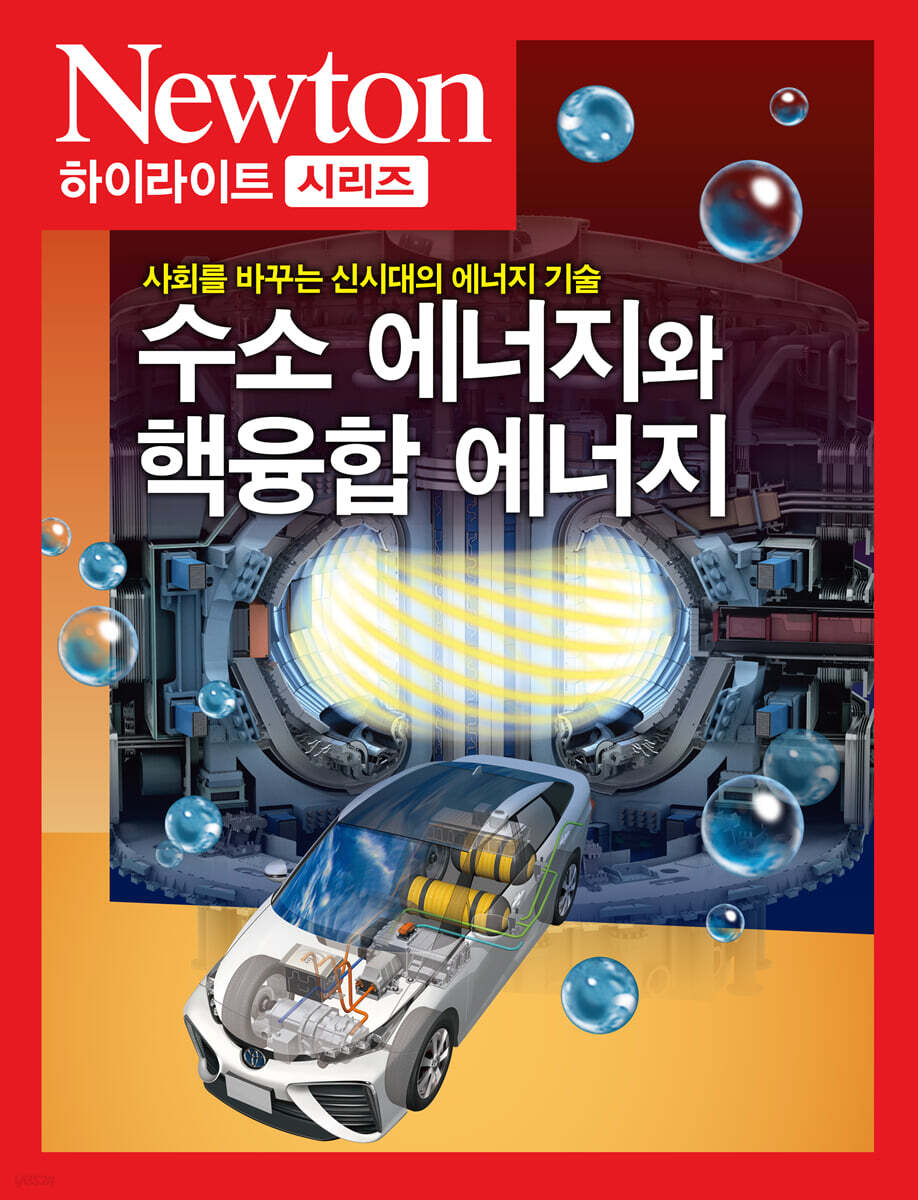
A new energy society created by hydrogen energy and nuclear fusion energy
It is difficult to imagine modern life without the support of energy.
In addition to traditional hydroelectric and thermal power, and the later emergence of nuclear power, new and renewable energy sources such as solar power, wind power, and biomass are now being supplied.
But just as many things in this world have pros and cons, these existing energies have both advantages and disadvantages.
Hydroelectric and thermal power have environmental concerns, and fossil fuels, the basis of thermal power, also have limitations in that they will eventually be depleted.
Nuclear energy poses a serious problem with the potential for contamination by radioactive materials.
To solve these problems, new and renewable energy sources such as solar, wind, and biomass are being popularized, but they face the problem of being difficult to supply on a large scale.
Alternatives that can solve this situation are hydrogen energy and nuclear fusion energy.
Unlike fossil fuels, hydrogen is an inexhaustible resource and a clean energy source that does not harm the environment.
Hydrogen energy is already available in the form of fuel cells and is being used in fuel cell vehicles.
Research into generating electricity using hydrogen is also steadily advancing.
Meanwhile, nuclear fusion energy is safer than nuclear energy and can generate large-scale power generation that new and renewable energy sources such as solar power cannot handle.
Nuclear fusion power can generate 800 times more energy than oil.
The fuel is deuterium and tritium, which are isotopes of hydrogen.
In principle, nuclear fusion power generation does not cause the 'runaway reaction' that is a problem in nuclear power generation.
To realize nuclear fusion energy, also known as the 'dream energy,' construction of the international large-scale nuclear fusion experiment reactor ITER is currently underway.
Based on this 'new energy', the world is now moving towards a 'new energy society'.
This book, "Hydrogen Energy and Nuclear Fusion Energy," introduces information from basic to cutting-edge technologies on "hydrogen" and "nuclear fusion," which are expected to support a new energy society.
It also includes interviews with leaders at the forefront of research and development.
This will be an essential book for thinking about future society and energy.
It is difficult to imagine modern life without the support of energy.
In addition to traditional hydroelectric and thermal power, and the later emergence of nuclear power, new and renewable energy sources such as solar power, wind power, and biomass are now being supplied.
But just as many things in this world have pros and cons, these existing energies have both advantages and disadvantages.
Hydroelectric and thermal power have environmental concerns, and fossil fuels, the basis of thermal power, also have limitations in that they will eventually be depleted.
Nuclear energy poses a serious problem with the potential for contamination by radioactive materials.
To solve these problems, new and renewable energy sources such as solar, wind, and biomass are being popularized, but they face the problem of being difficult to supply on a large scale.
Alternatives that can solve this situation are hydrogen energy and nuclear fusion energy.
Unlike fossil fuels, hydrogen is an inexhaustible resource and a clean energy source that does not harm the environment.
Hydrogen energy is already available in the form of fuel cells and is being used in fuel cell vehicles.
Research into generating electricity using hydrogen is also steadily advancing.
Meanwhile, nuclear fusion energy is safer than nuclear energy and can generate large-scale power generation that new and renewable energy sources such as solar power cannot handle.
Nuclear fusion power can generate 800 times more energy than oil.
The fuel is deuterium and tritium, which are isotopes of hydrogen.
In principle, nuclear fusion power generation does not cause the 'runaway reaction' that is a problem in nuclear power generation.
To realize nuclear fusion energy, also known as the 'dream energy,' construction of the international large-scale nuclear fusion experiment reactor ITER is currently underway.
Based on this 'new energy', the world is now moving towards a 'new energy society'.
This book, "Hydrogen Energy and Nuclear Fusion Energy," introduces information from basic to cutting-edge technologies on "hydrogen" and "nuclear fusion," which are expected to support a new energy society.
It also includes interviews with leaders at the forefront of research and development.
This will be an essential book for thinking about future society and energy.
index
A new era of energy technology that will transform society
Hydrogen energy and nuclear fusion energy
4 The future of energy in pictures
1 Hydrogen Energy
What is a fuel cell vehicle?
22 The Ultimate Eco-Friendly Car
25 Energy source is hydrogen
28 Fuel cell structure ①~②
32 High pressure tanks filled with hydrogen
34 Eco-Friendly Car Comparisons! ①~②
38 For distribution ①~②
Special Interview with 42 MIRAI Development Director
Properties of hydrogen
46 Basic Properties of Hydrogen
48 Hydrogen is clean and inexhaustible.
50 Electricity and Hydrogen
Column 52: Home Fuel Cell 'Enefarm'
From production to consumption
54 Hydrogen Production ①~⑦
72 Hydrogen Transport ①~②
76 Hydrogen Power Generation ①~③
Column 60: The State of Renewable Energy
64 Column Output Fluctuations and Renewable Energy
Moving towards a hydrogen society
82 Steps to a Great Revolution ①~④
90 What is carbon capture and storage technology?
Want to know more? Column
52 Home Fuel Cell Enefarm
60 The State of Renewable Energy
64 Output Fluctuations and Renewable Energy
2 Nuclear fusion energy
What is nuclear fusion energy?
98 Characteristics of nuclear fusion power generation
Construction of the 100th experimental reactor begins in earnest
nuclear fusion fuel
102 Plasma
104 Ultra High Temperature
106 Deuterium and Tritium ①~②
Structure of a nuclear fusion reactor
Basic structure of 110 oar
112 Magnetic Field Lines Basket
114 Tokamak ①~②
118 Heating of plasma
120 Differences from nuclear power generation ①~④
The forefront of nuclear fusion research
128 ITER ①~②
132 The Road to ITER ①~②
136 Complementary Research to ITER ①~②
140 ITER Organization Special Interviews ①~③
Let's light the 'fire of nuclear fusion' with a 148 laser!
Hydrogen energy and nuclear fusion energy
4 The future of energy in pictures
1 Hydrogen Energy
What is a fuel cell vehicle?
22 The Ultimate Eco-Friendly Car
25 Energy source is hydrogen
28 Fuel cell structure ①~②
32 High pressure tanks filled with hydrogen
34 Eco-Friendly Car Comparisons! ①~②
38 For distribution ①~②
Special Interview with 42 MIRAI Development Director
Properties of hydrogen
46 Basic Properties of Hydrogen
48 Hydrogen is clean and inexhaustible.
50 Electricity and Hydrogen
Column 52: Home Fuel Cell 'Enefarm'
From production to consumption
54 Hydrogen Production ①~⑦
72 Hydrogen Transport ①~②
76 Hydrogen Power Generation ①~③
Column 60: The State of Renewable Energy
64 Column Output Fluctuations and Renewable Energy
Moving towards a hydrogen society
82 Steps to a Great Revolution ①~④
90 What is carbon capture and storage technology?
Want to know more? Column
52 Home Fuel Cell Enefarm
60 The State of Renewable Energy
64 Output Fluctuations and Renewable Energy
2 Nuclear fusion energy
What is nuclear fusion energy?
98 Characteristics of nuclear fusion power generation
Construction of the 100th experimental reactor begins in earnest
nuclear fusion fuel
102 Plasma
104 Ultra High Temperature
106 Deuterium and Tritium ①~②
Structure of a nuclear fusion reactor
Basic structure of 110 oar
112 Magnetic Field Lines Basket
114 Tokamak ①~②
118 Heating of plasma
120 Differences from nuclear power generation ①~④
The forefront of nuclear fusion research
128 ITER ①~②
132 The Road to ITER ①~②
136 Complementary Research to ITER ①~②
140 ITER Organization Special Interviews ①~③
Let's light the 'fire of nuclear fusion' with a 148 laser!
Detailed image
Publisher's Review
From fossil fuels like gasoline to hydrogen! What is a "hydrogen society"?
If the 19th century was called the 'age of coal', the 20th century was the 'age of oil'.
However, fossil fuels such as coal and oil have the problem of resource depletion as well as environmental pollution.
As an alternative, humanity in the 21st century is aiming for a 'hydrogen society'.
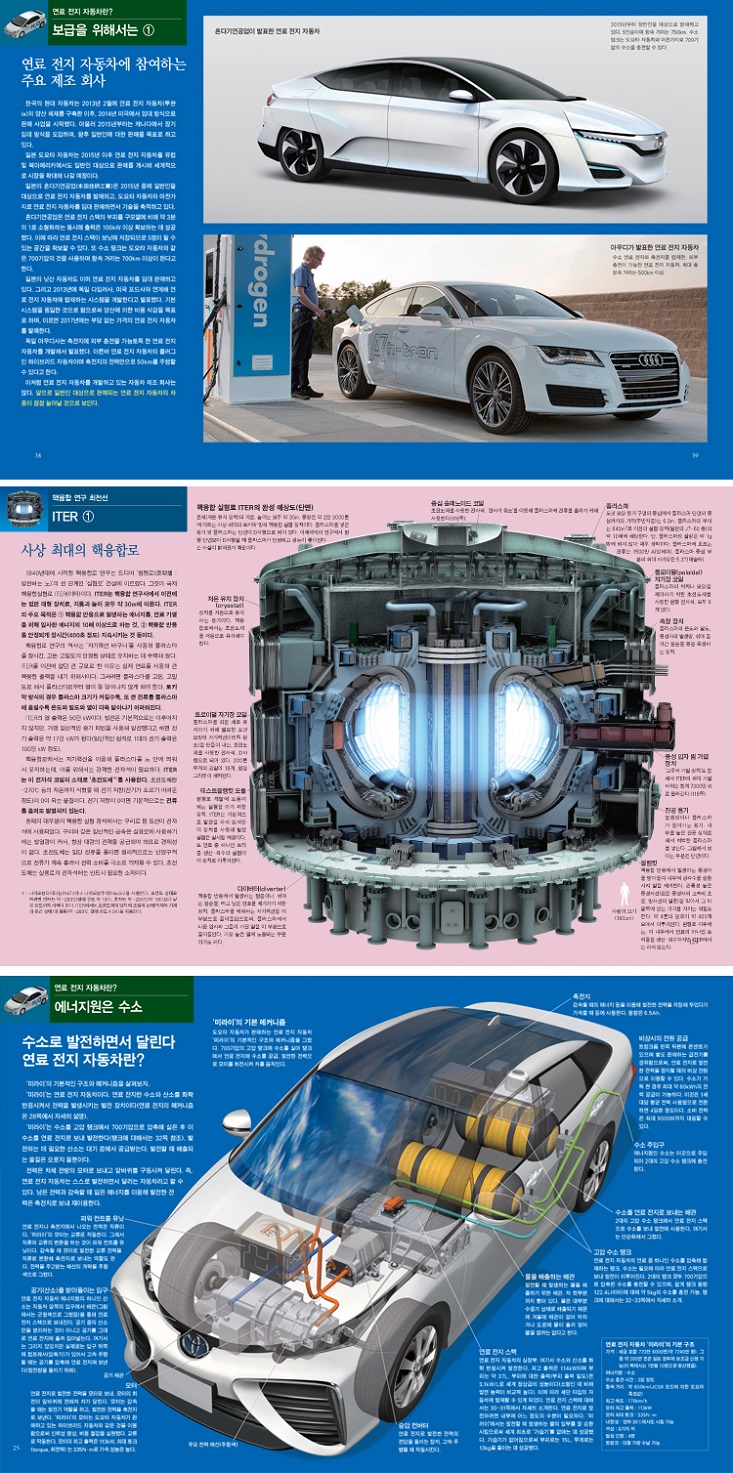
Fuel cell vehicles already use hydrogen as a fuel, and efforts are ultimately underway to use hydrogen to generate electricity in power plants.
At this point in time, when we are transitioning from a 'coal society' and a 'oil society' to a 'hydrogen society', we explain what a 'hydrogen society' is.
Inexhaustible and clean energy! Hydrogen energy overcomes resource depletion and environmental problems.
Hydrogen exists in the form of water.
On Earth, there is a virtually unlimited supply.
Hydrogen does not emit carbon dioxide, which causes global warming, during the process of converting into energy.
It also does not pollute the environment or emit substances harmful to the human body.
Hydrogen is an energy source that is good for the environment and can be used continuously without worrying about depletion.
We will cover the core issues of hydrogen energy, including fuel cell vehicles that use hydrogen, the properties of hydrogen, and its production, transportation, and power generation.
Safer than nuclear power! Nuclear fusion energy can provide large-scale power.
The 2011 Great East Japan Earthquake completely shattered the "safety myth" of nuclear power.
Nuclear power plays a huge role in modern society, but if something goes wrong, it can cause irreversible damage.
The alternative is new and renewable energy sources such as solar, wind, and biomass, but the problem is that power generation is unstable and large-scale energy supply is difficult.
Nuclear fusion energy is the energy of the future that will solve all of these problems.
Let's take a closer look at the characteristics of nuclear fusion energy.
Intensive introduction to the principles and fuel of nuclear fusion power generation, the structure of a nuclear fusion reactor, and the construction of an experimental reactor.
The raw materials for nuclear fusion power generation are deuterium and tritium, which are hydrogen atoms.
In order for nuclear fusion power generation to occur, plasma, in which the nuclei and electrons of these atoms are separated, is required, and plasma at an extremely high temperature of over 100 million degrees Celsius is required.
The nuclear fusion reactor is what makes this happen.
This article focuses on the structure and principles of nuclear fusion power generation, differences from nuclear power generation, the construction of the ITER nuclear fusion experiment reactor, and interviews with key figures involved.
A New Model for Science Books: The Newton Highlights Series
Newton publishes the 'Newton Highlights Series', which presents key topics in all scientific fields with expert commentary and outstanding graphics.
Sister volumes such as [Theory of Relativity], [Quantum Theory], [Periodic Table], [Ions and Elements], [Human Body - 21st Century Anatomy], [Structure of the Brain and Mind], [Global Warming], and [The Mysterious World of Mathematics] are also selling well.
If the 19th century was called the 'age of coal', the 20th century was the 'age of oil'.
However, fossil fuels such as coal and oil have the problem of resource depletion as well as environmental pollution.
As an alternative, humanity in the 21st century is aiming for a 'hydrogen society'.
Fuel cell vehicles already use hydrogen as a fuel, and efforts are ultimately underway to use hydrogen to generate electricity in power plants.
At this point in time, when we are transitioning from a 'coal society' and a 'oil society' to a 'hydrogen society', we explain what a 'hydrogen society' is.
Inexhaustible and clean energy! Hydrogen energy overcomes resource depletion and environmental problems.
Hydrogen exists in the form of water.
On Earth, there is a virtually unlimited supply.
Hydrogen does not emit carbon dioxide, which causes global warming, during the process of converting into energy.
It also does not pollute the environment or emit substances harmful to the human body.
Hydrogen is an energy source that is good for the environment and can be used continuously without worrying about depletion.
We will cover the core issues of hydrogen energy, including fuel cell vehicles that use hydrogen, the properties of hydrogen, and its production, transportation, and power generation.
Safer than nuclear power! Nuclear fusion energy can provide large-scale power.
The 2011 Great East Japan Earthquake completely shattered the "safety myth" of nuclear power.
Nuclear power plays a huge role in modern society, but if something goes wrong, it can cause irreversible damage.
The alternative is new and renewable energy sources such as solar, wind, and biomass, but the problem is that power generation is unstable and large-scale energy supply is difficult.
Nuclear fusion energy is the energy of the future that will solve all of these problems.
Let's take a closer look at the characteristics of nuclear fusion energy.
Intensive introduction to the principles and fuel of nuclear fusion power generation, the structure of a nuclear fusion reactor, and the construction of an experimental reactor.
The raw materials for nuclear fusion power generation are deuterium and tritium, which are hydrogen atoms.
In order for nuclear fusion power generation to occur, plasma, in which the nuclei and electrons of these atoms are separated, is required, and plasma at an extremely high temperature of over 100 million degrees Celsius is required.
The nuclear fusion reactor is what makes this happen.
This article focuses on the structure and principles of nuclear fusion power generation, differences from nuclear power generation, the construction of the ITER nuclear fusion experiment reactor, and interviews with key figures involved.
A New Model for Science Books: The Newton Highlights Series
Newton publishes the 'Newton Highlights Series', which presents key topics in all scientific fields with expert commentary and outstanding graphics.
Sister volumes such as [Theory of Relativity], [Quantum Theory], [Periodic Table], [Ions and Elements], [Human Body - 21st Century Anatomy], [Structure of the Brain and Mind], [Global Warming], and [The Mysterious World of Mathematics] are also selling well.
GOODS SPECIFICS
- Date of issue: April 15, 2016
- Page count, weight, size: 160 pages | 516g | 210*275*10mm
- ISBN13: 9791195755615
- ISBN10: 1195755619
You may also like
카테고리
korean


korean

![GQ KOREA Mark (Monthly): December [2025]](http://librairie.coreenne.fr/cdn/shop/files/8ef265dbbfbf186523ed75ba7319009d.jpg?v=1765340328&width=3840)


