

Insect Outing Guide
 |
Description
Book Introduction
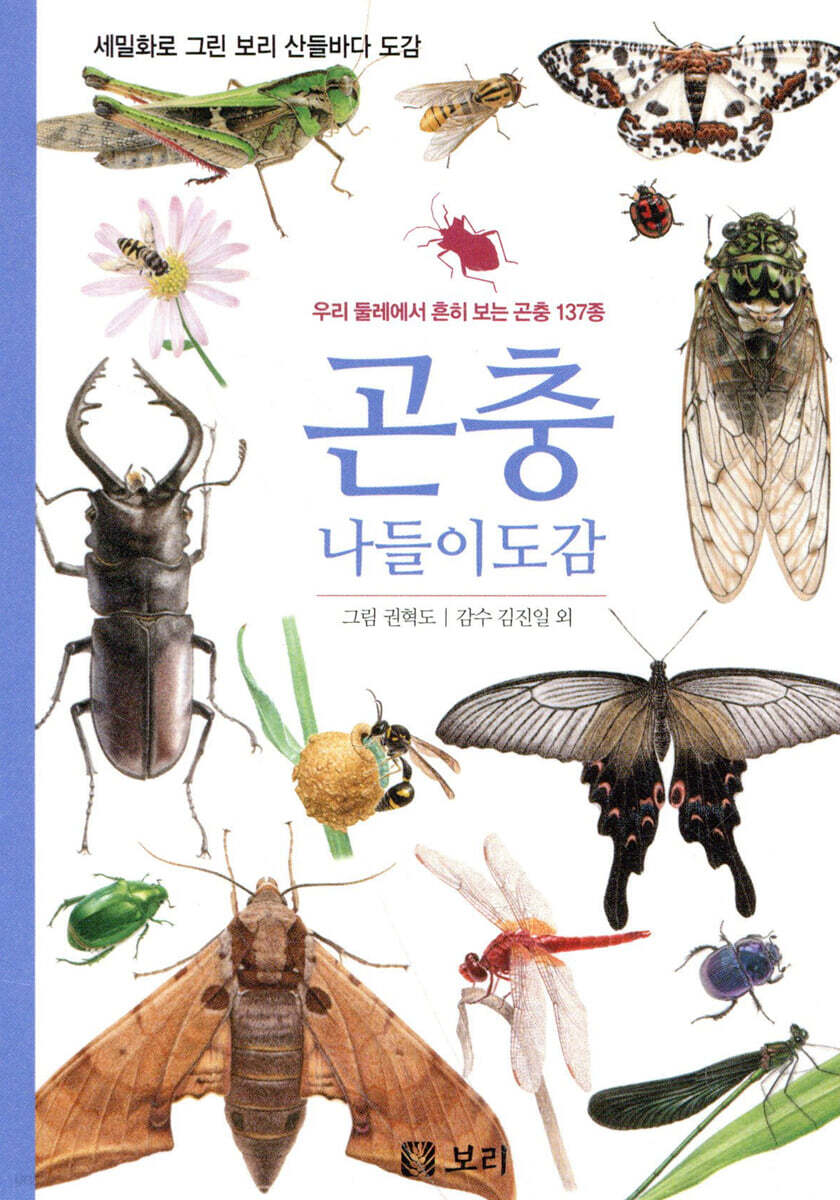
《Insect Outing Guide》 contains 137 species of insects commonly seen around us.
《Insect Outing Guide》 is a detailed drawing of live insects drawn by directly observing them.
You can learn about the different parts of insects, what eggs and larvae look like, what they eat, and how adult insects live.
《Insect Outing Guide》 allows you to easily find common insects that live in mountains and fields, gardens and parks, and near water.
《Insect Outing Guide》 is a detailed drawing of live insects drawn by directly observing them.
You can learn about the different parts of insects, what eggs and larvae look like, what they eat, and how adult insects live.
《Insect Outing Guide》 allows you to easily find common insects that live in mountains and fields, gardens and parks, and near water.
index
Note
Find it by picture
Insects that live in the mountains and fields
Mayflies
ephemera
Sleeping order
Black water dragonfly
Asian dragonfly
Going dragonfly
King dragonfly
Yellow-sided dragonfly
dragonfly
Red dragonfly
Two-spotted dragonfly
soybean paste dragonfly
Wheel neck
wheel
Mantis suborder
mantis
Earwig
earwig
Orthoptera
Black-legged Silverback
Yeochi
brown squirrel
king cricket
Ground Puppy
Shaanxi locust
Rice grasshopper
Goblin
Kongjungi
Toad grasshopper
Coleoptera
beetle
Eyes
this
Hemiptera
Janggu-aebi
crab azalea
It's a water thing
Water General
Songjang Swimmer
salt strider
Countryside thornback stink bug
large-waisted stink bug
Saw-legged ant-waisted stink bug
stink bug
spotted stink bug
cicada
Rice planthopper
cicada
cicada
cicada
cicada
aphid
Lacewings
dragonfly
Silkworm
Yellow-horned dragonfly
Coleoptera
Road guide
Red beetle
Korean water beetle
Waterwheel
Water bug
corpse beetle
sawfly
Purple gold beetle
dung beetle
King beetle
longicorn beetle
Spotted beetle
Mongolian beetle
Spotted chafer
Purple flower chamomile
cockroach
Red bandi
fireflies
male ladybug
Seven-star ladybug
Large twenty-eight-spotted ladybug
Hongnalgae
cantharides
Topsail beetle
Long-eared flower beetle
sawyer
Patterned Soju Hong Haneul Soju
Blue meadow beetle
Mulberry tree beetle
Hairy toad beetle
Samhaneulso
leaf beetle
goosebumps
rice weevil
night weevil
Pear weevil
felling
Horsehair bee
Mapsibeol
Baebul
Japanese carpenter ants
bear ant
Horibyeongbap
wasp
bumblebee
Twin slaughter bees
Nanani
bee
bumblebee
Flea order
flea
Diptera
gnat
mosquito
Wangso Deung-e
Paris falcon
In the case of the Billodo Jani
On the hollyhocks
On the flower bed
yellow fruit fly
flesh fly
Back parasitic fly
Chinese star-shaped fly
Flycatchers
caddis fly
Lepidoptera
Yellow wedge moth
Yellow-banded moth
silkworm
Weighted tree moth
Pointed hooked eagle
Little Black-tailed Hawk
cicada moth
White-spotted monarch butterfly
Prince's Butterfly
Striped-spotted butterfly
Mosinabi
Tiger butterfly
butterfly
Long-tailed swallowtail butterfly
Yellow-crowned Butterfly
Yellow butterfly
Cabbage white butterfly
black-faced butterfly
Southern swan butterfly
Small scarlet butterfly
Horned butterfly
four-legged butterfly
Baby Three-Lined Butterfly
Learn more about insects
Insects that live with us
Insects that live in the house
Insects living in the fields
Insects that live in the mountains
aquatic insects
People and insects
beneficial insects
harmful insects
Insects to watch out for
How insects live
Insect appearance
Insect life cycle
Egg - Larva - Pupa
Mating and egg laying
Wintering
Characteristics by group
A swarm of mayflies
A flock of dragonflies
A group of wheels
A group of locusts
A swarm of earwigs
swarm of locusts
swarm of beetles
This crowd
A swarm of stink bugs
cicada swarm
a flock of dragonflies
A swarm of beetles
swarm of bees
A swarm of fleas
swarm of flies
flock of flying birds
A flock of butterflies
Search
Find scientific names
Find Korean words
Find it by picture
Insects that live in the mountains and fields
Mayflies
ephemera
Sleeping order
Black water dragonfly
Asian dragonfly
Going dragonfly
King dragonfly
Yellow-sided dragonfly
dragonfly
Red dragonfly
Two-spotted dragonfly
soybean paste dragonfly
Wheel neck
wheel
Mantis suborder
mantis
Earwig
earwig
Orthoptera
Black-legged Silverback
Yeochi
brown squirrel
king cricket
Ground Puppy
Shaanxi locust
Rice grasshopper
Goblin
Kongjungi
Toad grasshopper
Coleoptera
beetle
Eyes
this
Hemiptera
Janggu-aebi
crab azalea
It's a water thing
Water General
Songjang Swimmer
salt strider
Countryside thornback stink bug
large-waisted stink bug
Saw-legged ant-waisted stink bug
stink bug
spotted stink bug
cicada
Rice planthopper
cicada
cicada
cicada
cicada
aphid
Lacewings
dragonfly
Silkworm
Yellow-horned dragonfly
Coleoptera
Road guide
Red beetle
Korean water beetle
Waterwheel
Water bug
corpse beetle
sawfly
Purple gold beetle
dung beetle
King beetle
longicorn beetle
Spotted beetle
Mongolian beetle
Spotted chafer
Purple flower chamomile
cockroach
Red bandi
fireflies
male ladybug
Seven-star ladybug
Large twenty-eight-spotted ladybug
Hongnalgae
cantharides
Topsail beetle
Long-eared flower beetle
sawyer
Patterned Soju Hong Haneul Soju
Blue meadow beetle
Mulberry tree beetle
Hairy toad beetle
Samhaneulso
leaf beetle
goosebumps
rice weevil
night weevil
Pear weevil
felling
Horsehair bee
Mapsibeol
Baebul
Japanese carpenter ants
bear ant
Horibyeongbap
wasp
bumblebee
Twin slaughter bees
Nanani
bee
bumblebee
Flea order
flea
Diptera
gnat
mosquito
Wangso Deung-e
Paris falcon
In the case of the Billodo Jani
On the hollyhocks
On the flower bed
yellow fruit fly
flesh fly
Back parasitic fly
Chinese star-shaped fly
Flycatchers
caddis fly
Lepidoptera
Yellow wedge moth
Yellow-banded moth
silkworm
Weighted tree moth
Pointed hooked eagle
Little Black-tailed Hawk
cicada moth
White-spotted monarch butterfly
Prince's Butterfly
Striped-spotted butterfly
Mosinabi
Tiger butterfly
butterfly
Long-tailed swallowtail butterfly
Yellow-crowned Butterfly
Yellow butterfly
Cabbage white butterfly
black-faced butterfly
Southern swan butterfly
Small scarlet butterfly
Horned butterfly
four-legged butterfly
Baby Three-Lined Butterfly
Learn more about insects
Insects that live with us
Insects that live in the house
Insects living in the fields
Insects that live in the mountains
aquatic insects
People and insects
beneficial insects
harmful insects
Insects to watch out for
How insects live
Insect appearance
Insect life cycle
Egg - Larva - Pupa
Mating and egg laying
Wintering
Characteristics by group
A swarm of mayflies
A flock of dragonflies
A group of wheels
A group of locusts
A swarm of earwigs
swarm of locusts
swarm of beetles
This crowd
A swarm of stink bugs
cicada swarm
a flock of dragonflies
A swarm of beetles
swarm of bees
A swarm of fleas
swarm of flies
flock of flying birds
A flock of butterflies
Search
Find scientific names
Find Korean words
Publisher's Review
《Insect Field Guide》 is a field guide that you can carry around and look for.
《Insect Guide》 is a size that fits perfectly in one hand.
It fits perfectly in children's hands and fits easily in a pocket. Made with PUR binding, the book opens wide and is sturdy.
Also, to help you find insects right away, we included ‘Finding with Pictures’ in Part 1.
《Insect Outing Guide》 is written in easy Korean.
《Insect Outing Guide》 is written in simple Korean without using difficult technical terms, so anyone from children to adults can understand it.
So, it serves as an excellent guide as the first step to getting to know the insects that live around us.
You can learn not only what insects look like, but also how they mate, lay eggs, live, when they appear, and where they live.
The Insect Guide is structured as follows.
To quickly and easily find insects commonly found in mountains, fields, around houses, and near water, try 'Finding by Picture'.
Insects are divided into orders and then classified by family within them.
You can compare the characteristics of similar species.
Part 2: Insects are listed in order of classification.
It consists of insect details and descriptions, alternate names and northern names, and information boxes.
The description includes the insect's appearance, when it appears, where it lives, what it eats, how it mates, and when and where it lays its eggs.
You can also create an information box to see the size, appearance time, food, and transformation at a glance.
A sneak peek of the text from "Insect Outing Guide"
Acrida cinerea
Among the grasshoppers that live in Korea, the locust has the longest body.
The head is very pointed and protrudes forward.
It resembles the Shaanxi locust, but the goblin's hind legs are much longer than its body length.
It is called a 'mill goblin' because it shakes its body up and down like a mill when held by its two hind legs.
The male flies by striking its forewings and hindwings together, making a 'tata ta' sound.
Hearing that sound, the female comes.
Females are larger than males.
When mating, the male climbs on the female's back.
They eat reeds, rice, and sorghum.
Part 3 contains more information about insects.
You can learn more about where insects live, the names of each insect, the appearance characteristics of each group, beneficial and harmful insects, insects to watch out for, and how they spend the winter.
《Insect Guide》 is a size that fits perfectly in one hand.
It fits perfectly in children's hands and fits easily in a pocket. Made with PUR binding, the book opens wide and is sturdy.
Also, to help you find insects right away, we included ‘Finding with Pictures’ in Part 1.
《Insect Outing Guide》 is written in easy Korean.
《Insect Outing Guide》 is written in simple Korean without using difficult technical terms, so anyone from children to adults can understand it.
So, it serves as an excellent guide as the first step to getting to know the insects that live around us.
You can learn not only what insects look like, but also how they mate, lay eggs, live, when they appear, and where they live.
The Insect Guide is structured as follows.
To quickly and easily find insects commonly found in mountains, fields, around houses, and near water, try 'Finding by Picture'.
Insects are divided into orders and then classified by family within them.
You can compare the characteristics of similar species.
Part 2: Insects are listed in order of classification.
It consists of insect details and descriptions, alternate names and northern names, and information boxes.
The description includes the insect's appearance, when it appears, where it lives, what it eats, how it mates, and when and where it lays its eggs.
You can also create an information box to see the size, appearance time, food, and transformation at a glance.
A sneak peek of the text from "Insect Outing Guide"
Acrida cinerea
Among the grasshoppers that live in Korea, the locust has the longest body.
The head is very pointed and protrudes forward.
It resembles the Shaanxi locust, but the goblin's hind legs are much longer than its body length.
It is called a 'mill goblin' because it shakes its body up and down like a mill when held by its two hind legs.
The male flies by striking its forewings and hindwings together, making a 'tata ta' sound.
Hearing that sound, the female comes.
Females are larger than males.
When mating, the male climbs on the female's back.
They eat reeds, rice, and sorghum.
Part 3 contains more information about insects.
You can learn more about where insects live, the names of each insect, the appearance characteristics of each group, beneficial and harmful insects, insects to watch out for, and how they spend the winter.
GOODS SPECIFICS
- Date of issue: May 1, 2016
- Page count, weight, size: 212 pages | 211g | 104*148*13mm
- ISBN13: 9788984289277
- ISBN10: 8984289272
You may also like
카테고리
korean


korean

![GQ KOREA Mark (Monthly): December [2025]](http://librairie.coreenne.fr/cdn/shop/files/8ef265dbbfbf186523ed75ba7319009d.jpg?v=1765340328&width=3840)


