

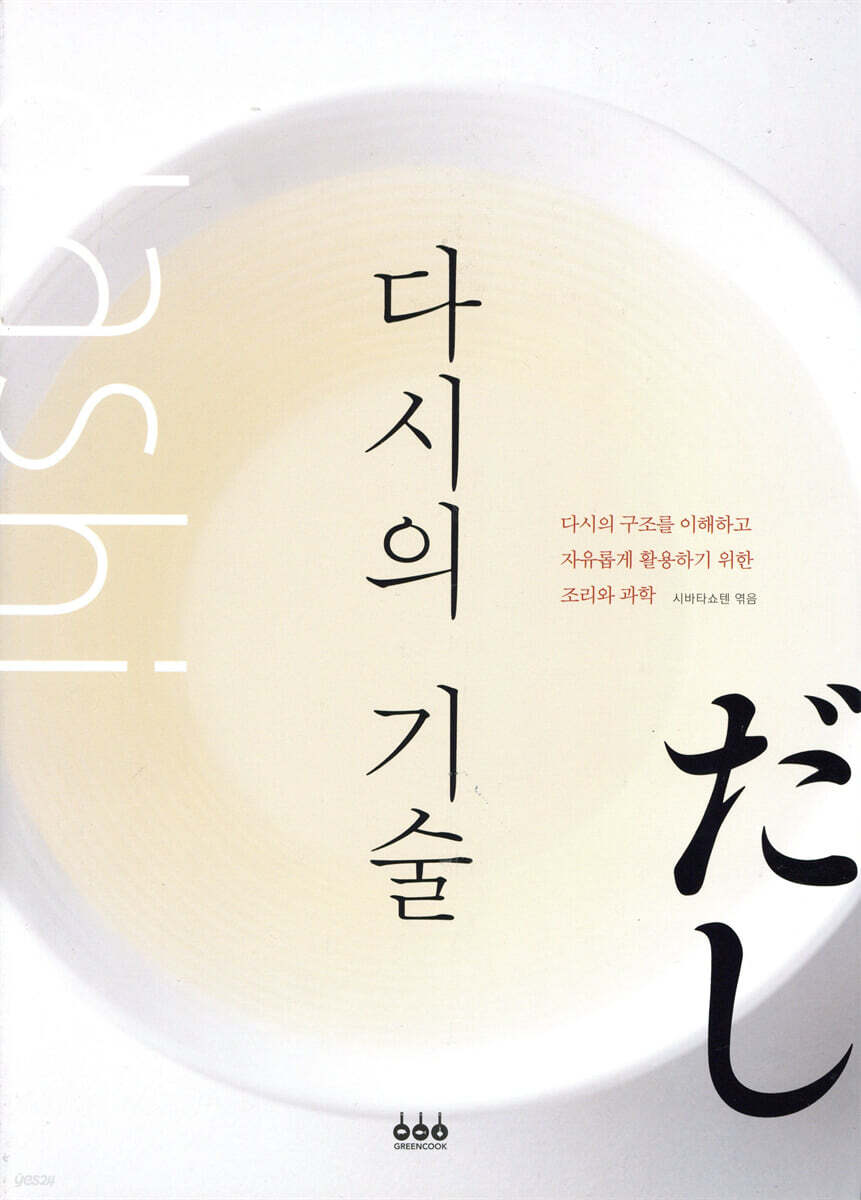
The technology of Dasi
 |
Description
Book Introduction
“Dashi” is the “basic” of Japanese cuisine.
Changes in “cooking techniques” and “flavor components and food structure” obtained through them,
And we need to understand the science of the "sense" that feels that change.
Know the essence of cooking and design freely.
Changes in “cooking techniques” and “flavor components and food structure” obtained through them,
And we need to understand the science of the "sense" that feels that change.
Know the essence of cooking and design freely.
- You can preview some of the book's contents.
Preview
index
74 Dashi and Dishes from 7 Japanese Restaurants
Japanese Cuisine Seizan Haruhiko Yamamoto 008
Kelp Again 009
1 again 010
Hairy crab meatballs Dong-A Guk 011
2nd time again 012
Niboshi again 013
Okdom again 014
Okdom Onmyeon 015
Abalone again 016
Abalone topped with thick okra 017
Dried scallops again 018
Eggplant and Sea Urchin Roe 019
Jaecheop again 020
Dong-a 021, braised with pickled radish
Chicken and shrimp again 022
Chicken, Shrimp, and Egg Steamed 023
Chicken Again 024
Shamo and Shunsai 025
Dried Shiitake Mushrooms Again 026
Shiitake Mushroom Salmon Roe Rice Bowl 026
Vegetables Again 028
"Kohaku Tiger White" by Koizumi Koji 029
Kelp again 030
Kelp jelly with salted kelp and tea leaf ears
Grilled Chicken and Shrimp 030
For soup again 032
Crab meat dumplings topped with turnips 032
1.5 times again 034
Pickled water parsley 035
Shrimp Again 036
Seasoned with shichimi and green onion sprouts
Grilled Prawns and Eggplant 036
Abalone again 038
Abalone Noodles with Tangerine 038
Zara again 040
Rice topped with green onions and seasoned radish 041
Chicken and Tofu Again 042
Chopped Yuzu and Turnip Stew 042
Pork and Dried Scallops Again 044
Mushroom Soup with Citrus Peel and Ginkgo Nuts 045
Seiji Tanimoto 046
Kelp Again 047
1 again 048
2nd time again 049
Hida beef Kamoji skewers shabu-shabu 050
Wasabi Ginkgo Biloba and Lotus Root Stew 051
Conger eel again 052
Conger eel Donga Manganjiguk 053
Overturn again 054
Abalone and Kamoji with Yuzu and Sea Urchin Jelly 055
Zara again 056
Jarawa and Fresh Ginger Rice in a Pot 057
Flying fish again 058
Duck Fig Noodles with Green Onions 059
"Denoshima" by Hayashi Ryohei 060
Kelp Again 062
1 again 063
Iriko again 064
Iriko Come Back Again 065
066 again
Shabu-shabu style raw fish 067
Shrimp again 068
Shrimp Porridge 069
Chicken again 070
Chicken Ball Buckwheat Soup 071
Pig Again 072
Braised Pork with Pickled Cabbage 073
Back to G-074
Wild Boar Fish Cake 076
Raw Ham Chicken Again 078
Steamed Turnip 079
Tomato again 080
Tomato-seasoned charcoal-grilled tuna 080
Kiyama Yoshiro 082
Kelp Again 083
Po cutting 084
1 Again (National) 085
Okdom Turnip Soup 087
Silverfish again 088
Semi-dried silver carp and scorched rice 089
Firefly Squid Again 090
Steamed Abalone and Spicy Squid Dashi Rice 091
Clam guts again 092
Dong-A and Summer Clams 093
Zara again 094
Crab and Zara Jelly 097
Cheese Again 098
Steamed Sea Urchin and Parmesan Cheese 099
Corn again 100
Corn Soup with Rice Cakes (Dessert) 100
Mushrooms again 102
Hairy crab and green bean tofu flavored with mushroom dashi 103
Japanese Cuisine Sui 日本料理 翠" Oya Tomokazu 104
Kelp again 105
106 again
Liver Squid Again 107
Squid Soup 109
110 pufferfish bones and grilled fins
Grilled pufferfish fin (US$110)
Okdom Oil Painting Again 112
Grilled Okdom and Yuhwa Again 113
Silverfish Niboshi again 114
Grilled Silver Fish with Salt and Kudzu Noodles 114
Crab Tomato Shiromiso Dashi 116
Crab Dashi and Cinnamon-Scented Autumn Vegetables 117
Omae Yamato native chicken again 118
Omae Dashiwa Yamato Dangguihyang's Yamato Native Chicken 119
Smoked duck again 120
Duck Turnip Hongyul with Smoked Dashi 121
Japanese Herb Jarah Dashi 122
123 Soft-shelled Turtle and Mushrooms Seasoned with Japanese Herb Dashi
Fermented Eel and Onion Consomme Dashi 124
Ibuki Musk-Scented Conger Eel Consomme 125
Fermented green onions and dried scallops again 126
Fermented Green Onion Dashi and Steamed Red Sea Bream 127
Fermented shiitake mushrooms again 128
Half-moon Bear Sirloin with Fermented Shiitake Mushrooms 128
Shiromiso Saffron Dashi 130
Chicken, Shrimp, and Bamboo Shoots in Shiromiso Saffron Dashi 130
Clear Natto Again 132
Clear Natto Dashi and Figs 133
"Ubuka" by Kunihiko Kato 134
Kelp again 135
136 again
2nd time again 137
Barley shrimp again 138
Shrimp and Egg Roll 139
Shrimp Balls 140
Barley Shrimp Ochazuke 141
Cherry Blossom Shrimp Again 142
Cherry Blossom Shrimp Rice 143
Attribute Shrimp Again (2 times again + shrimp shell) 144
Shrimp Onmyeon 145
Attribute Crab Again (2 times again + crab shell) 146
Crab and Cabbage Stew 147
Stir-fried Crab with Ta Chai 147
Frozen shrimp concentrate again 148
Ebi-imo with shrimp seasoning 149
Crab frozen and concentrated again 150
Salmon roe and crab seasoned with crab broth 151
Steamed Radish with Crab Intestine 151
Crustacean Consommé 152
Shogoin radish simmered with shrimp consomme 154
Onsen Egg with Crustacean Consomme Sauce 155
Barnacles again 156
Clams and Watercress 157
158 barnacle jelly
158 Ttaegaebi Dashiguk
Steamed Eggs with Clams 159
Japanese Shrimp Bisque 160
Japanese-Style Shrimp Bisque 162
Shrimp Roll Cabbage 163
Thick Crab Soup 164
Crab Soup 166
How to Use Japanese Dashi from Other Genre Chefs
"Subrim" Junichi Kato 167
Butter-grilled chicken and shrimp with tuna sashimi and herb sauce 168, 170
Ginger Flavored Sheet and Crab Jelly 169, 170
"Don Bravo?" by Masakazu Taira 171
Vongole 172, 174
Steamed Eggs 173, 174
Mackerel and Dried Tomatoes 173, 174
Main ingredients again
Kelp 176
181 dried pollack
Niboshi/Yakiboshi 184
Thoughts on Dassi
Cooking Science 186
Science and Design of "Again" 190
Bold 198
Cooking Recipe 208
Back to index 214
215 restaurants featured in this book
Japanese Cuisine Seizan Haruhiko Yamamoto 008
Kelp Again 009
1 again 010
Hairy crab meatballs Dong-A Guk 011
2nd time again 012
Niboshi again 013
Okdom again 014
Okdom Onmyeon 015
Abalone again 016
Abalone topped with thick okra 017
Dried scallops again 018
Eggplant and Sea Urchin Roe 019
Jaecheop again 020
Dong-a 021, braised with pickled radish
Chicken and shrimp again 022
Chicken, Shrimp, and Egg Steamed 023
Chicken Again 024
Shamo and Shunsai 025
Dried Shiitake Mushrooms Again 026
Shiitake Mushroom Salmon Roe Rice Bowl 026
Vegetables Again 028
"Kohaku Tiger White" by Koizumi Koji 029
Kelp again 030
Kelp jelly with salted kelp and tea leaf ears
Grilled Chicken and Shrimp 030
For soup again 032
Crab meat dumplings topped with turnips 032
1.5 times again 034
Pickled water parsley 035
Shrimp Again 036
Seasoned with shichimi and green onion sprouts
Grilled Prawns and Eggplant 036
Abalone again 038
Abalone Noodles with Tangerine 038
Zara again 040
Rice topped with green onions and seasoned radish 041
Chicken and Tofu Again 042
Chopped Yuzu and Turnip Stew 042
Pork and Dried Scallops Again 044
Mushroom Soup with Citrus Peel and Ginkgo Nuts 045
Seiji Tanimoto 046
Kelp Again 047
1 again 048
2nd time again 049
Hida beef Kamoji skewers shabu-shabu 050
Wasabi Ginkgo Biloba and Lotus Root Stew 051
Conger eel again 052
Conger eel Donga Manganjiguk 053
Overturn again 054
Abalone and Kamoji with Yuzu and Sea Urchin Jelly 055
Zara again 056
Jarawa and Fresh Ginger Rice in a Pot 057
Flying fish again 058
Duck Fig Noodles with Green Onions 059
"Denoshima" by Hayashi Ryohei 060
Kelp Again 062
1 again 063
Iriko again 064
Iriko Come Back Again 065
066 again
Shabu-shabu style raw fish 067
Shrimp again 068
Shrimp Porridge 069
Chicken again 070
Chicken Ball Buckwheat Soup 071
Pig Again 072
Braised Pork with Pickled Cabbage 073
Back to G-074
Wild Boar Fish Cake 076
Raw Ham Chicken Again 078
Steamed Turnip 079
Tomato again 080
Tomato-seasoned charcoal-grilled tuna 080
Kiyama Yoshiro 082
Kelp Again 083
Po cutting 084
1 Again (National) 085
Okdom Turnip Soup 087
Silverfish again 088
Semi-dried silver carp and scorched rice 089
Firefly Squid Again 090
Steamed Abalone and Spicy Squid Dashi Rice 091
Clam guts again 092
Dong-A and Summer Clams 093
Zara again 094
Crab and Zara Jelly 097
Cheese Again 098
Steamed Sea Urchin and Parmesan Cheese 099
Corn again 100
Corn Soup with Rice Cakes (Dessert) 100
Mushrooms again 102
Hairy crab and green bean tofu flavored with mushroom dashi 103
Japanese Cuisine Sui 日本料理 翠" Oya Tomokazu 104
Kelp again 105
106 again
Liver Squid Again 107
Squid Soup 109
110 pufferfish bones and grilled fins
Grilled pufferfish fin (US$110)
Okdom Oil Painting Again 112
Grilled Okdom and Yuhwa Again 113
Silverfish Niboshi again 114
Grilled Silver Fish with Salt and Kudzu Noodles 114
Crab Tomato Shiromiso Dashi 116
Crab Dashi and Cinnamon-Scented Autumn Vegetables 117
Omae Yamato native chicken again 118
Omae Dashiwa Yamato Dangguihyang's Yamato Native Chicken 119
Smoked duck again 120
Duck Turnip Hongyul with Smoked Dashi 121
Japanese Herb Jarah Dashi 122
123 Soft-shelled Turtle and Mushrooms Seasoned with Japanese Herb Dashi
Fermented Eel and Onion Consomme Dashi 124
Ibuki Musk-Scented Conger Eel Consomme 125
Fermented green onions and dried scallops again 126
Fermented Green Onion Dashi and Steamed Red Sea Bream 127
Fermented shiitake mushrooms again 128
Half-moon Bear Sirloin with Fermented Shiitake Mushrooms 128
Shiromiso Saffron Dashi 130
Chicken, Shrimp, and Bamboo Shoots in Shiromiso Saffron Dashi 130
Clear Natto Again 132
Clear Natto Dashi and Figs 133
"Ubuka" by Kunihiko Kato 134
Kelp again 135
136 again
2nd time again 137
Barley shrimp again 138
Shrimp and Egg Roll 139
Shrimp Balls 140
Barley Shrimp Ochazuke 141
Cherry Blossom Shrimp Again 142
Cherry Blossom Shrimp Rice 143
Attribute Shrimp Again (2 times again + shrimp shell) 144
Shrimp Onmyeon 145
Attribute Crab Again (2 times again + crab shell) 146
Crab and Cabbage Stew 147
Stir-fried Crab with Ta Chai 147
Frozen shrimp concentrate again 148
Ebi-imo with shrimp seasoning 149
Crab frozen and concentrated again 150
Salmon roe and crab seasoned with crab broth 151
Steamed Radish with Crab Intestine 151
Crustacean Consommé 152
Shogoin radish simmered with shrimp consomme 154
Onsen Egg with Crustacean Consomme Sauce 155
Barnacles again 156
Clams and Watercress 157
158 barnacle jelly
158 Ttaegaebi Dashiguk
Steamed Eggs with Clams 159
Japanese Shrimp Bisque 160
Japanese-Style Shrimp Bisque 162
Shrimp Roll Cabbage 163
Thick Crab Soup 164
Crab Soup 166
How to Use Japanese Dashi from Other Genre Chefs
"Subrim" Junichi Kato 167
Butter-grilled chicken and shrimp with tuna sashimi and herb sauce 168, 170
Ginger Flavored Sheet and Crab Jelly 169, 170
"Don Bravo?" by Masakazu Taira 171
Vongole 172, 174
Steamed Eggs 173, 174
Mackerel and Dried Tomatoes 173, 174
Main ingredients again
Kelp 176
181 dried pollack
Niboshi/Yakiboshi 184
Thoughts on Dassi
Cooking Science 186
Science and Design of "Again" 190
Bold 198
Cooking Recipe 208
Back to index 214
215 restaurants featured in this book
Detailed image

Publisher's Review
The culinary science of "again"
WHAT ― What is “again”?
· Cooking analysis
: Japanese cuisine "Dashi" ▷ Ingredients → Concentration/reaction → Extraction → Dashi
: French Cuisine / Chinese Cuisine 「Broth」 ▶ Ingredients → Extraction → Concentration/Reaction → Broth
: Although they are similar in that they pursue the flavor of umami components and Maillard reaction, the ingredients and process order are different.
· Ingredients and structure
: Flavor and aroma components_ Most flavor components are soluble in water, and most aroma components are soluble in oil.
· Sense
: Umami enhancement effect_ When inosinic acid is tasted at the same time as glutamic acid, the umami taste is felt stronger and longer.
WHY - Why is "again" important?
Because we eat carbohydrates together with "again," our tongue tastes savory and our brain gives the command, "Eat it because it's protein."
But what enters the body are vegetables and carbohydrates.
In this way, the brain is tricked into thinking that the umami taste is a “protein signal” and that carbohydrates are energy and healthy vegetables are consumed.
This is again an important use of the umami flavor.
HOW - How to make it? How to use it?
· The culinary science of "1st Dashi"_ The ingredients and method of "1st Dashi," the basic broth for cooking
: ① Types of kelp
② Type of dried fish (dried tuna / dried tuna)
③ Amount of kelp and dried pollack / Amount of water
④ Heating time and temperature (kelp and seaweed)
: Depending on the type of kelp or seaweed, the amount of umami components contained varies, and the quantity and quality of umami components and flavor components extracted also vary depending on the heating time and temperature.
Ultimately, the conditions become more complex, but if you can tell what changes in taste or flavor occur when something changes, you can make it with some degree of predictability.
How to cook using "again"?
· Learn 74 dashi-related dishes from 7 Japanese chefs known as the "Masters of Dashi"
Let's understand the principles with their scientific data.
· You can also learn how to utilize "Japanese dashi" through dishes prepared by chefs of other genres.
WHAT ― What is “again”?
· Cooking analysis
: Japanese cuisine "Dashi" ▷ Ingredients → Concentration/reaction → Extraction → Dashi
: French Cuisine / Chinese Cuisine 「Broth」 ▶ Ingredients → Extraction → Concentration/Reaction → Broth
: Although they are similar in that they pursue the flavor of umami components and Maillard reaction, the ingredients and process order are different.
· Ingredients and structure
: Flavor and aroma components_ Most flavor components are soluble in water, and most aroma components are soluble in oil.
· Sense
: Umami enhancement effect_ When inosinic acid is tasted at the same time as glutamic acid, the umami taste is felt stronger and longer.
WHY - Why is "again" important?
Because we eat carbohydrates together with "again," our tongue tastes savory and our brain gives the command, "Eat it because it's protein."
But what enters the body are vegetables and carbohydrates.
In this way, the brain is tricked into thinking that the umami taste is a “protein signal” and that carbohydrates are energy and healthy vegetables are consumed.
This is again an important use of the umami flavor.
HOW - How to make it? How to use it?
· The culinary science of "1st Dashi"_ The ingredients and method of "1st Dashi," the basic broth for cooking
: ① Types of kelp
② Type of dried fish (dried tuna / dried tuna)
③ Amount of kelp and dried pollack / Amount of water
④ Heating time and temperature (kelp and seaweed)
: Depending on the type of kelp or seaweed, the amount of umami components contained varies, and the quantity and quality of umami components and flavor components extracted also vary depending on the heating time and temperature.
Ultimately, the conditions become more complex, but if you can tell what changes in taste or flavor occur when something changes, you can make it with some degree of predictability.
How to cook using "again"?
· Learn 74 dashi-related dishes from 7 Japanese chefs known as the "Masters of Dashi"
Let's understand the principles with their scientific data.
· You can also learn how to utilize "Japanese dashi" through dishes prepared by chefs of other genres.
GOODS SPECIFICS
- Publication date: November 10, 2021
- Page count, weight, size: 216 pages | 182*257*20mm
- ISBN13: 9788971907924
- ISBN10: 8971907924
You may also like
카테고리
korean


korean

![GQ KOREA Mark (Monthly): December [2025]](http://librairie.coreenne.fr/cdn/shop/files/8ef265dbbfbf186523ed75ba7319009d.jpg?v=1765340328&width=3840)


