

Endangered Wildlife 2
 |
Description
Book Introduction
Not plants or animals that can disappear
I think it is a really precious asset
When you have interest and affection for wildlife!
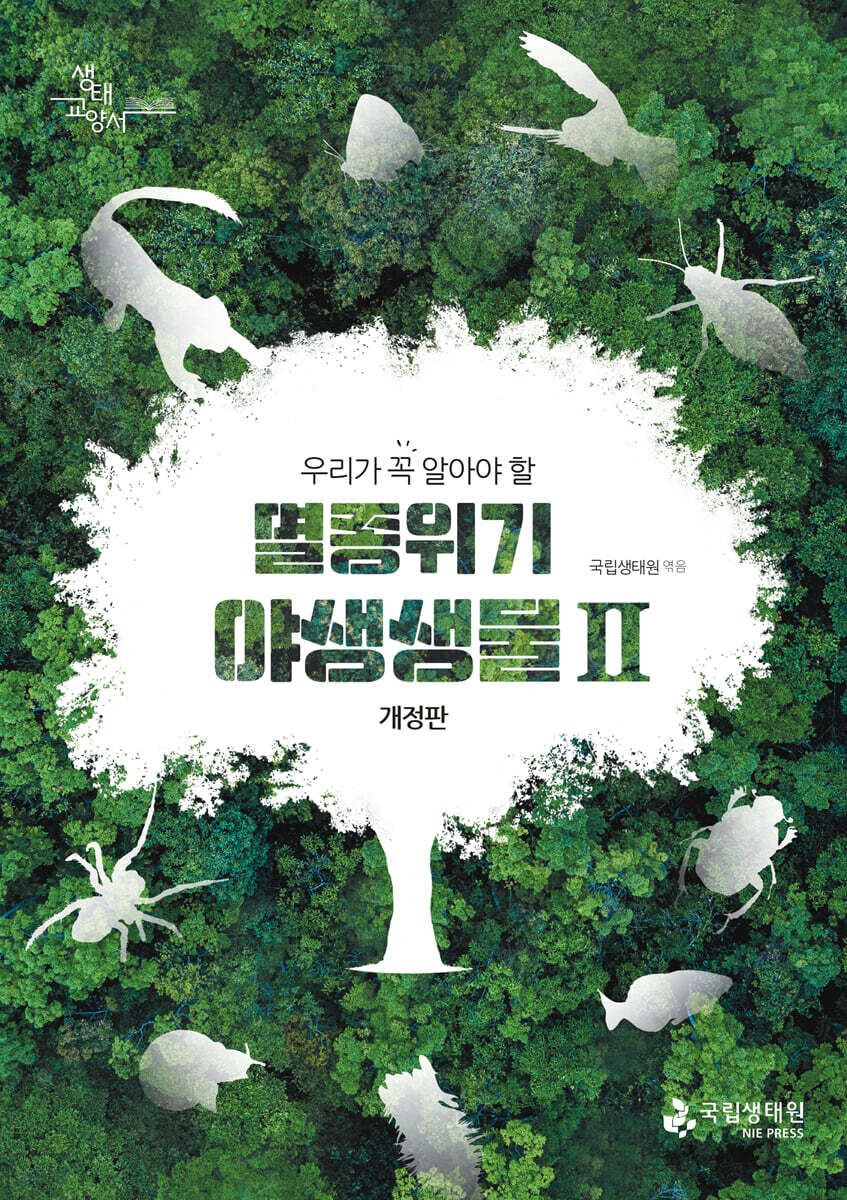
To raise public awareness of endangered wildlife and raise awareness of the importance of conservation, we have planned a revised edition of the ecological textbook, Endangered Wildlife We Must Know II, based on the 2022 revised list of endangered wildlife.
The revised edition of Endangered Wildlife We Must Know consists of two volumes, and Endangered Wildlife We Must Know II Revised Edition is the second book.
Endangered wild species are species designated and managed by the Ministry of Environment in accordance with the Wildlife Protection and Management Act. They comprise a total of 282 species, including 68 Class I species and 214 Class II species. This book introduces 13 Class II species.
Endangered wildlife level II refers to wildlife that is at risk of extinction in the near future if the threat factors are not eliminated or mitigated.
This book introduces the civet, a natural enemy of wasps, a Class II endangered species in Korea, and an ecosystem regulator that is also very beneficial to farmers, as well as flying squirrels, black-headed gulls, pigeons, golden frogs, fish that use various reproductive strategies to continue their generations, dung beetles, two-tailed butterfly, fat wrinkled grasshoppers, water spiders, snails, and thorny lilies.
In addition, it contains records of the research and activities of expert researchers at the National Institute of Ecology's Endangered Species Restoration Center to conserve and restore endangered wildlife on the Korean Peninsula.
We introduce readers to the secrets of various endangered wildlife, including mammals, birds, reptiles, insects, and plants that they did not know about.
I think it is a really precious asset
When you have interest and affection for wildlife!
To raise public awareness of endangered wildlife and raise awareness of the importance of conservation, we have planned a revised edition of the ecological textbook, Endangered Wildlife We Must Know II, based on the 2022 revised list of endangered wildlife.
The revised edition of Endangered Wildlife We Must Know consists of two volumes, and Endangered Wildlife We Must Know II Revised Edition is the second book.
Endangered wild species are species designated and managed by the Ministry of Environment in accordance with the Wildlife Protection and Management Act. They comprise a total of 282 species, including 68 Class I species and 214 Class II species. This book introduces 13 Class II species.
Endangered wildlife level II refers to wildlife that is at risk of extinction in the near future if the threat factors are not eliminated or mitigated.
This book introduces the civet, a natural enemy of wasps, a Class II endangered species in Korea, and an ecosystem regulator that is also very beneficial to farmers, as well as flying squirrels, black-headed gulls, pigeons, golden frogs, fish that use various reproductive strategies to continue their generations, dung beetles, two-tailed butterfly, fat wrinkled grasshoppers, water spiders, snails, and thorny lilies.
In addition, it contains records of the research and activities of expert researchers at the National Institute of Ecology's Endangered Species Restoration Center to conserve and restore endangered wildlife on the Korean Peninsula.
We introduce readers to the secrets of various endangered wildlife, including mammals, birds, reptiles, insects, and plants that they did not know about.
- You can preview some of the book's contents.
Preview
index
Preface
01.
Coexistence between humans and nature, the civet that regulates the ecosystem
02.
Flying squirrels, masters of nest interception
03.
A black-headed gull wandering to avoid nest predators.
04.
Korean native resident pigeon
05.
The golden frog, which announces the season when all things awaken from their winter sleep
06.
Fish with diverse reproductive strategies
07.
Spawning of endangered squid fish
08.
Dung beetles that make grasslands healthy with herbivore excrement
09.
The two-tailed butterfly living with ants
10.
Fat, wrinkled grasshoppers that cannot fly and are slow-moving
11.
Diving spider with air bladder
12.
Korea's endemic snail, which lives only on islands
13.
Thorny lotus covered with thorns
Search
01.
Coexistence between humans and nature, the civet that regulates the ecosystem
02.
Flying squirrels, masters of nest interception
03.
A black-headed gull wandering to avoid nest predators.
04.
Korean native resident pigeon
05.
The golden frog, which announces the season when all things awaken from their winter sleep
06.
Fish with diverse reproductive strategies
07.
Spawning of endangered squid fish
08.
Dung beetles that make grasslands healthy with herbivore excrement
09.
The two-tailed butterfly living with ants
10.
Fat, wrinkled grasshoppers that cannot fly and are slow-moving
11.
Diving spider with air bladder
12.
Korea's endemic snail, which lives only on islands
13.
Thorny lotus covered with thorns
Search
GOODS SPECIFICS
- Date of issue: November 20, 2024
- Page count, weight, size: 176 pages | 148*210*20mm
- ISBN13: 9791166984921
- ISBN10: 1166984923
You may also like
카테고리
korean


korean

![GQ KOREA Mark (Monthly): December [2025]](http://librairie.coreenne.fr/cdn/shop/files/8ef265dbbfbf186523ed75ba7319009d.jpg?v=1765340328&width=3840)


