

Roasting Bible
 |
Description
Book Introduction
A comprehensive collection of roasting knowledge for every roaster in the world.
The second series of the highly acclaimed "Cupping Bible," a systematic explanation of cupping that has earned it the title of "must-read for cupping."
The author, director of Kim Gil-jin Coffee Lab, a coffee training institute that trains Q-graders and professional roasters, has been working in the coffee industry for over 17 years and has finally realized the 'principles' of roasting after roasting thousands of times.
It is impossible to give a definitive answer when it comes to roasting, given the countless variables involved.
Even if roasted with the same green beans and profile, the taste of the coffee is bound to vary depending on the type of roaster and the environment of the roasting room.
Instead of sharing an author's profile, which cannot be replicated, this book unravels the principles of roasting, focusing on mistakes to avoid when roasting.
Let's take a look at the author's time-honored advice that will make navigating the thorny path of becoming a skilled roaster much easier.
The second series of the highly acclaimed "Cupping Bible," a systematic explanation of cupping that has earned it the title of "must-read for cupping."
The author, director of Kim Gil-jin Coffee Lab, a coffee training institute that trains Q-graders and professional roasters, has been working in the coffee industry for over 17 years and has finally realized the 'principles' of roasting after roasting thousands of times.
It is impossible to give a definitive answer when it comes to roasting, given the countless variables involved.
Even if roasted with the same green beans and profile, the taste of the coffee is bound to vary depending on the type of roaster and the environment of the roasting room.
Instead of sharing an author's profile, which cannot be replicated, this book unravels the principles of roasting, focusing on mistakes to avoid when roasting.
Let's take a look at the author's time-honored advice that will make navigating the thorny path of becoming a skilled roaster much easier.
- You can preview some of the book's contents.
Preview
index
prolog
index
Part 0.
Intro
0.1 Important Factors to Consider When Buying a Roaster
Part 1.
Coffee Science
1.
Green bean science
1.1 Silver Skin
1.2 Endosperm
2.
Roasting chemical changes
2.1 Physical/chemical changes in coffee beans during roasting
2.2 Flavor precursors generated from green coffee beans
2.3 Changes in precursor components during roasting
2.4 Flavor profile and roasting degree
3.
The Science of Coffee Aroma
3.1 Non-enzymatic reactions
4.
Heat Transfer Science
4.1 Conductive heat
4.2 Convection heat
4.3 Radiation heat
5.
Complete organic acid summary
5.1.
chlorogenic acid
5.2 Acetic acid
5.3 Citric acid
5.4 Malic acid (malic acid)
5.5 phosphate
Part 2.
Roasting Basics
1.
Various measuring instruments
1.1 Heat supply
1.2 Exhaust temperature sensor
1.3 Green bean temperature sensor
2.
Preparing for Roasting Profiling
2.1 The Importance of Choosing a Roaster
2.2 Description of roasting profile required
2.3 Hard Beans vs. Soft Beans
3.
Roasting Development
3.1 Roaster preheating and input temperature
3.2 Gas pressure gauge
3.3 Deployment Capacity
3.4 Green bean processing method
3.5 Green bean density
3.6 Roasting time
3.7 Drum speed
3.8 Development Time
4.
1st crack and development time
4.1 Why DT is important and necessary to understand
5.
air flow
6.
General heat transfer guide
7.
A sensory expression that can be recognized by each roasting section for beginners.
8.
Accuracy and Importance of Agtron
9.
Sample Roasting
10.
Roasting curve for popular tastes
11.
Rate of Temperature Rise (RoR)
12. Relationship between ROR and fever stage
13.
Roasting Profiling Example
Part 3.
Advanced Roasting
1.
Coffee Lab Equipment
1.1 Equipment for basic roasting
1.2 Roasting color measurement
1.3 Understanding the general characteristics of green coffee beans
1.4 Measurement of moisture and density of green coffee beans
1.5 Hardness of green coffee beans
1.6 Water activity
2.
Roasting strategy
2.1 Roasting Profiling
2.2 Controlling the Roaster Air Flow
2.3 When to use high and low calories
2.4 The Importance of Turning Points
2.7 The Secret of the First Crack
2.8 Differences in flavor depending on coffee processing method
3.
commercial roasting
3.1 Choosing the right roaster
3.2 Roaster Comparison
3.3 Burner Types
3.4 Minimum load capacity of the roaster
3.5 The actual maximum capacity of the roaster
3.6 Roasting at high altitudes
4.
Roasting defect
Part 4.
The Secret of Blending
1.
What is blending?
1.1 Why Blending is Necessary
1.2 Coffee Blending Theory
2.
Blending
2.1 Blending Protocol
2.2 Creating a Blend
2.3 Determine the roasting profile
2.4 Pre-blending vs. Post-blending
Part 5.
Roaster Management
1.
Roaster cleaning
2.
In case of roasting fire
Part 6.
Defective head
1.
Understanding the Defect Head
1.1 Arabica defective beans
1.2 Robusta defective beans
Part 7.
Cupping know-how
1.
2004/2023 SCA Arabica Coffee Cupping
1.1 The History of Sensory Science and Cupping
1.2 Flavor Science
1.3 2004/2023 SCA Arabica Cupping Protocol
1.4 Detailed 2004 SCA Arabica Cupping Form Description
1.5 Detailed 2023 SCA Coffee Valuation Description
2. CQI/UCDA Robusta Coffee Cupping
2.1 Factors affecting Robusta flavor
2.2 CQI Robusta Protocol
2.3 Detailed CQI Robusta Cupping Form Description
Part 8.
Green coffee bean trade and futures market
1.
Green bean prices and coffee futures market
2.
Incoterms 2020
2.1 EXW (Ex Works)
2.2 FCA (Free Carrier)
2.3 FAS (Front Side Delivery)
2.4 FOB (Free On Board)
2.5 CFR (delivery including freight)
2.6 CIF (Cost of Shipping and Insurance)
2.7 CPT (Carriage Paid to Deliver)
2.8 CIP (Carriage and Insurance Paid)
2.9 DAP (Delivery at Place of Arrival)
2.10 DPU (Delivered Under Cargo)
2.11 DDP (Delivered Duty Paid)
References
index
Part 0.
Intro
0.1 Important Factors to Consider When Buying a Roaster
Part 1.
Coffee Science
1.
Green bean science
1.1 Silver Skin
1.2 Endosperm
2.
Roasting chemical changes
2.1 Physical/chemical changes in coffee beans during roasting
2.2 Flavor precursors generated from green coffee beans
2.3 Changes in precursor components during roasting
2.4 Flavor profile and roasting degree
3.
The Science of Coffee Aroma
3.1 Non-enzymatic reactions
4.
Heat Transfer Science
4.1 Conductive heat
4.2 Convection heat
4.3 Radiation heat
5.
Complete organic acid summary
5.1.
chlorogenic acid
5.2 Acetic acid
5.3 Citric acid
5.4 Malic acid (malic acid)
5.5 phosphate
Part 2.
Roasting Basics
1.
Various measuring instruments
1.1 Heat supply
1.2 Exhaust temperature sensor
1.3 Green bean temperature sensor
2.
Preparing for Roasting Profiling
2.1 The Importance of Choosing a Roaster
2.2 Description of roasting profile required
2.3 Hard Beans vs. Soft Beans
3.
Roasting Development
3.1 Roaster preheating and input temperature
3.2 Gas pressure gauge
3.3 Deployment Capacity
3.4 Green bean processing method
3.5 Green bean density
3.6 Roasting time
3.7 Drum speed
3.8 Development Time
4.
1st crack and development time
4.1 Why DT is important and necessary to understand
5.
air flow
6.
General heat transfer guide
7.
A sensory expression that can be recognized by each roasting section for beginners.
8.
Accuracy and Importance of Agtron
9.
Sample Roasting
10.
Roasting curve for popular tastes
11.
Rate of Temperature Rise (RoR)
12. Relationship between ROR and fever stage
13.
Roasting Profiling Example
Part 3.
Advanced Roasting
1.
Coffee Lab Equipment
1.1 Equipment for basic roasting
1.2 Roasting color measurement
1.3 Understanding the general characteristics of green coffee beans
1.4 Measurement of moisture and density of green coffee beans
1.5 Hardness of green coffee beans
1.6 Water activity
2.
Roasting strategy
2.1 Roasting Profiling
2.2 Controlling the Roaster Air Flow
2.3 When to use high and low calories
2.4 The Importance of Turning Points
2.7 The Secret of the First Crack
2.8 Differences in flavor depending on coffee processing method
3.
commercial roasting
3.1 Choosing the right roaster
3.2 Roaster Comparison
3.3 Burner Types
3.4 Minimum load capacity of the roaster
3.5 The actual maximum capacity of the roaster
3.6 Roasting at high altitudes
4.
Roasting defect
Part 4.
The Secret of Blending
1.
What is blending?
1.1 Why Blending is Necessary
1.2 Coffee Blending Theory
2.
Blending
2.1 Blending Protocol
2.2 Creating a Blend
2.3 Determine the roasting profile
2.4 Pre-blending vs. Post-blending
Part 5.
Roaster Management
1.
Roaster cleaning
2.
In case of roasting fire
Part 6.
Defective head
1.
Understanding the Defect Head
1.1 Arabica defective beans
1.2 Robusta defective beans
Part 7.
Cupping know-how
1.
2004/2023 SCA Arabica Coffee Cupping
1.1 The History of Sensory Science and Cupping
1.2 Flavor Science
1.3 2004/2023 SCA Arabica Cupping Protocol
1.4 Detailed 2004 SCA Arabica Cupping Form Description
1.5 Detailed 2023 SCA Coffee Valuation Description
2. CQI/UCDA Robusta Coffee Cupping
2.1 Factors affecting Robusta flavor
2.2 CQI Robusta Protocol
2.3 Detailed CQI Robusta Cupping Form Description
Part 8.
Green coffee bean trade and futures market
1.
Green bean prices and coffee futures market
2.
Incoterms 2020
2.1 EXW (Ex Works)
2.2 FCA (Free Carrier)
2.3 FAS (Front Side Delivery)
2.4 FOB (Free On Board)
2.5 CFR (delivery including freight)
2.6 CIF (Cost of Shipping and Insurance)
2.7 CPT (Carriage Paid to Deliver)
2.8 CIP (Carriage and Insurance Paid)
2.9 DAP (Delivery at Place of Arrival)
2.10 DPU (Delivered Under Cargo)
2.11 DDP (Delivered Duty Paid)
References
Publisher's Review
A roasting reference book that any roaster, regardless of experience, will keep handy.
There is no right answer when it comes to coffee.
Coffee is a product that can be sold to the public as a 'rich taste' with an underdeveloped grain flavor during roasting, and can express an overdeveloped charred taste as a 'nurungji taste'.
So, a roaster must prioritize consistency over any flavor they pursue, and be able to intuitively explain why they pursued that flavor and roasted it that way.
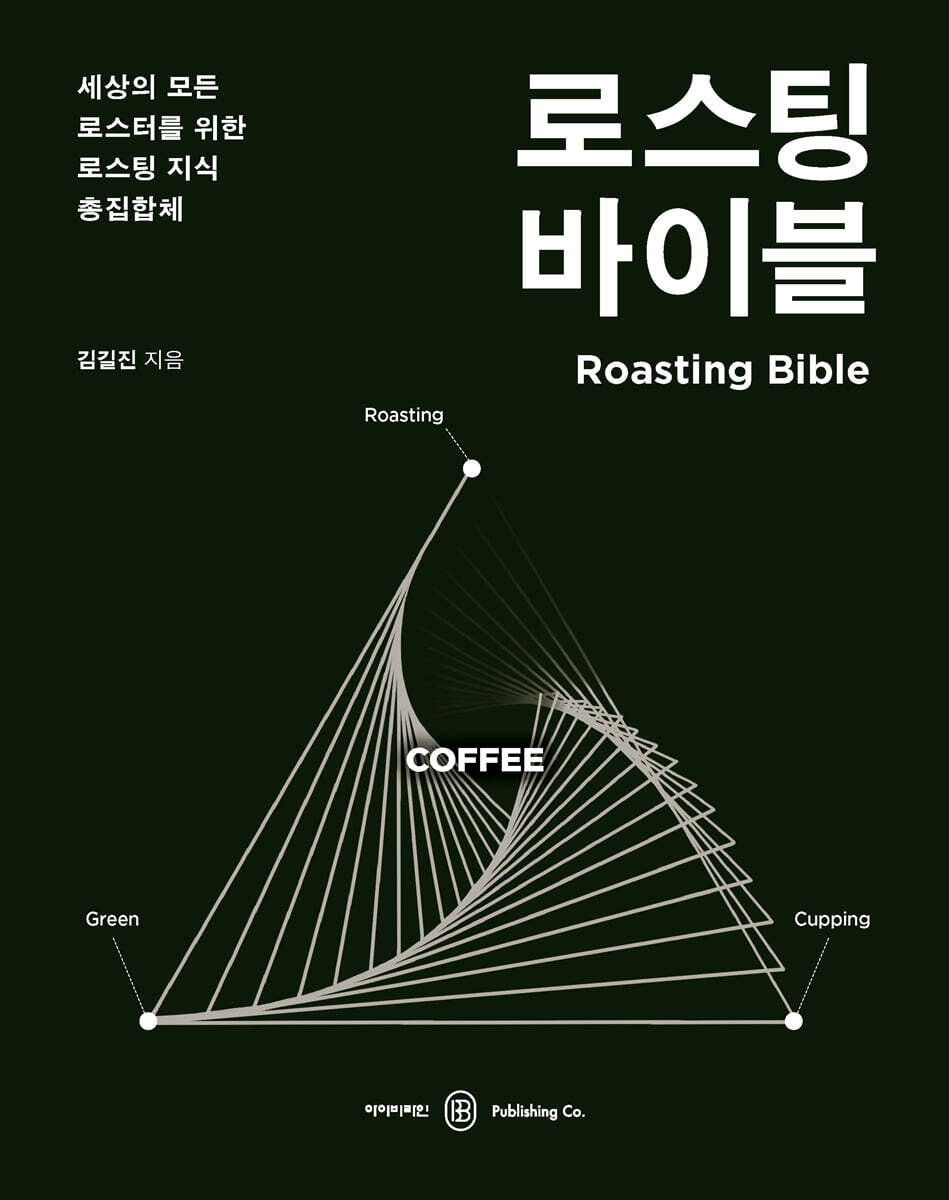
The author emphasizes the triangular relationship between 'green coffee beans', 'roasting', and 'cupping', and emphasizes that good roasting is only possible when all three parts are thoroughly prepared.
From understanding raw materials to roasting, evaluating the finished product, and trading.
All the information you need to know on your journey to becoming a great roaster, all in one book.
Included is a translated version of the 2023 SCA Coffee Valuation Protocol.
The SCA Coffee Value Assessment Protocol was released in 2023. The SCA has been undertaking a long-term project since 2004 to evaluate, expand, and develop the Coffee Cupping Protocol into a more comprehensive coffee valuation framework.
This new system provides a holistic and detailed picture, including the characteristics by which specialty coffee is valued.
The author cites his coffee mentor and Robusta teacher, Dr.
Mario R.
With permission from Fernandez, the new 2023 SCA Coffee Value Assessment is presented in this book.
The newly released SCA Coffee Valuation Protocol is still in beta (draft) version.
Therefore, while it does not completely replace the 2004 SCA Sample Roasting Protocol, the most significant change is in the sample roasting protocol. The SCA recommends using both the 2004 and 2023 cupping forms together, depending on the cupping situation.
If you are a coffee person, you need to be familiar with the contents of the included protocol and apply them.
There is no right answer when it comes to coffee.
Coffee is a product that can be sold to the public as a 'rich taste' with an underdeveloped grain flavor during roasting, and can express an overdeveloped charred taste as a 'nurungji taste'.
So, a roaster must prioritize consistency over any flavor they pursue, and be able to intuitively explain why they pursued that flavor and roasted it that way.
The author emphasizes the triangular relationship between 'green coffee beans', 'roasting', and 'cupping', and emphasizes that good roasting is only possible when all three parts are thoroughly prepared.
From understanding raw materials to roasting, evaluating the finished product, and trading.
All the information you need to know on your journey to becoming a great roaster, all in one book.
Included is a translated version of the 2023 SCA Coffee Valuation Protocol.
The SCA Coffee Value Assessment Protocol was released in 2023. The SCA has been undertaking a long-term project since 2004 to evaluate, expand, and develop the Coffee Cupping Protocol into a more comprehensive coffee valuation framework.
This new system provides a holistic and detailed picture, including the characteristics by which specialty coffee is valued.
The author cites his coffee mentor and Robusta teacher, Dr.
Mario R.
With permission from Fernandez, the new 2023 SCA Coffee Value Assessment is presented in this book.
The newly released SCA Coffee Valuation Protocol is still in beta (draft) version.
Therefore, while it does not completely replace the 2004 SCA Sample Roasting Protocol, the most significant change is in the sample roasting protocol. The SCA recommends using both the 2004 and 2023 cupping forms together, depending on the cupping situation.
If you are a coffee person, you need to be familiar with the contents of the included protocol and apply them.
GOODS SPECIFICS
- Date of issue: November 8, 2023
- Page count, weight, size: 436 pages | 190*240*30mm
- ISBN13: 9788993461633
- ISBN10: 8993461635
You may also like
카테고리
korean


korean

![GQ KOREA Mark (Monthly): December [2025]](http://librairie.coreenne.fr/cdn/shop/files/8ef265dbbfbf186523ed75ba7319009d.jpg?v=1765340328&width=3840)


