

Aquascape Class
 |
Description
Book Introduction
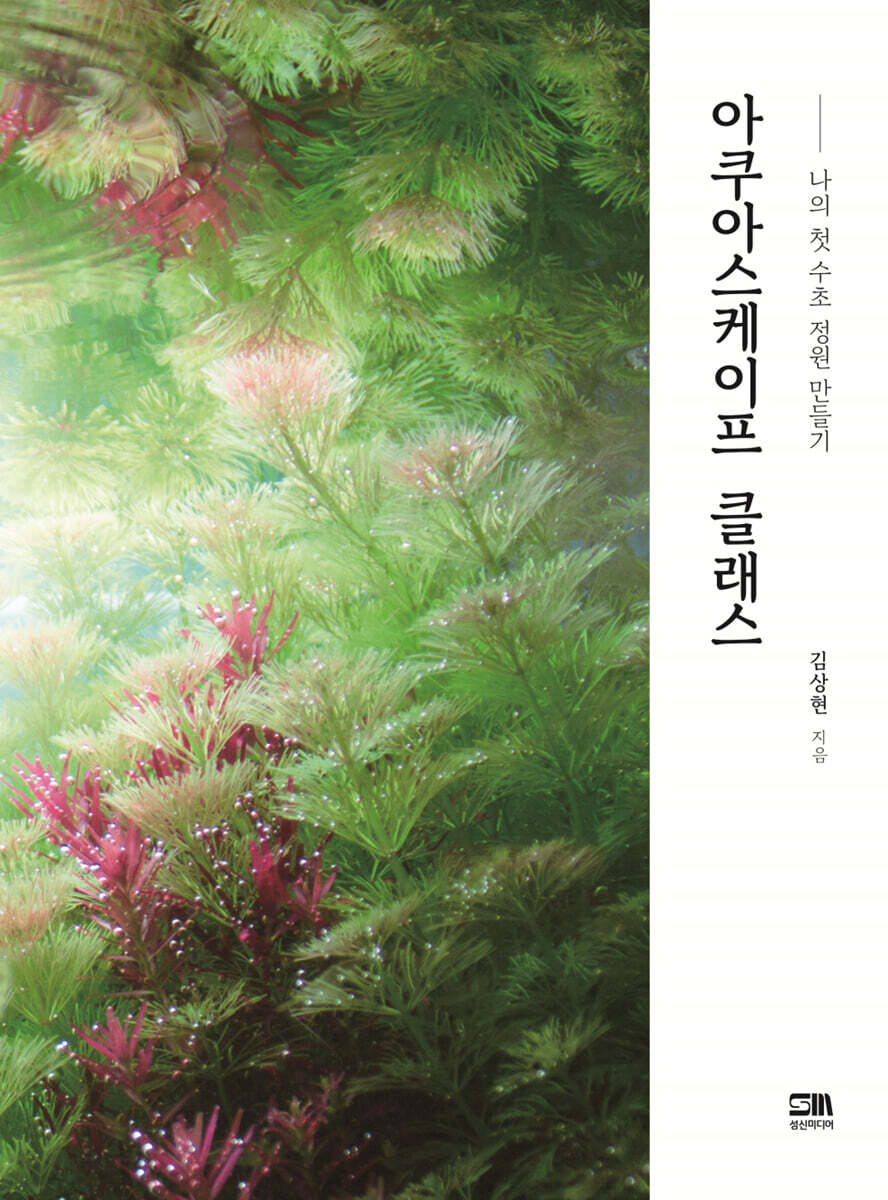
Aquascape is a compound word of Aqua (underwater) and Landscape (scenery), and refers to a method of creating nature in an aquarium using aquatic plants, stones, and driftwood. It is recognized as a work of art and called 'aquatic art' because it goes beyond simply decorating an aquarium and reveals the aesthetic sense of the creator. "Aquascape Class" is a book that contains hands-on practice in creating an aquascape tank, aquascaping know-how, and aquatic plant management methods from the author, an expert who imports and distributes aquatic plant seeds. The 'Aquatic Plant Gallery' features photos of over 130 species of aquatic plants taken by the author, allowing you to fully experience the charm of aquatic plants. Bring a refreshing aquatic plant garden into your space with the Aquascape Class. |
- You can preview some of the book's contents.
Preview
index
Author's Preface
〈PART 1.
Aquascape
Chapter 1.
The beginning and development of aquatic life
Various forms of aquascape
- Diorama / Nature Aquarium
- Iwagumi / Biotope
- Dutch / Vivarium
Chapter 2.
Aquascape Preparation
Basic equipment
- The size of the tank and the underwater world
- Filter, water condition management
- Heater and cooler, water temperature management
Ecological environment composition equipment
- Lighting, light for photosynthesis in plants
- Carbon dioxide, respiration of water plants
- Flooring, hydrogen ion concentration control
- Nutrients, growth and reproduction of aquatic plants
- Materials, stones and driftwood
Other equipment and tools
- scissors
- Tweezers
- Sand Flattener
- Spirit level
- Paint brush
- Water quality measurement tools
- Garden net
- Lubricant
- Magnet
Chapter 3.
Aquascape Practice
STEP 1.
Leveling the tank and positioning the basic equipment
STEP 2.
Hardscape
STEP 3.
Planting aquatic plants and moss
STEP 4.
Fill with water
STEP 5.
Installation and water catch of basic equipment
〈PART 2.
water plant>
Chapter 4.
Classification of aquatic plants
Classification by placement
- Foreground aquatic plants / Middle aquatic plants / Background aquatic plants
Classification by degree of light preference
- Voice melodies
- Positive myelin
Classification by type and characteristics of aquatic plants
- Leaves / rhizomes
- Total life / bulb
- Leaf blade / Toothbrush
- Moss
Chapter 5.
Selection and planting of aquatic plants
How to Choose Healthy Aquatic Plants and Precautions
- Checking and maintaining the health of the plants
Care and planting according to the type of aquatic plant sold
- Stem-shaped aquatic plants
- Pot-shaped aquatic plants
- Tissue cultured aquatic plants
- Lively aquatic plants
Chapter 6.
Trimming and propagating aquatic plants
Trimming the aquatic plants
- Basic trimming methods
- Trimming due to aging and damage
Propagating aquatic plants
- Propagation of stem-shaped aquatic plants
- Propagation of creeping aquatic plants
- Propagation by rhizome division
- Give up and share to reproduce
- Spore reproduction
Chapter 7.
Nutritional management of aquatic plants
Check the nutritional status of aquatic plants
- pH · GH · KH
- Useful indicator TDS
- Check the appropriate CO2 concentration using pH and KH
Symptoms of nutrient deficiencies
- Symptoms of nutrient deficiency as seen in pictures
Understanding the underwater environment and nutritional supplementation
Chapter 8.
Bird management
Distinguishing between algae and moss
Various birds
- Brown algae
- Green algae
- Green spot algae
- fluffy birds
- Brush algae
- Hair algae
- Real birds, etc.
- Frog eggs
- Deer antler bird
Water Plant Gallery
〈PART 1.
Aquascape
Chapter 1.
The beginning and development of aquatic life
Various forms of aquascape
- Diorama / Nature Aquarium
- Iwagumi / Biotope
- Dutch / Vivarium
Chapter 2.
Aquascape Preparation
Basic equipment
- The size of the tank and the underwater world
- Filter, water condition management
- Heater and cooler, water temperature management
Ecological environment composition equipment
- Lighting, light for photosynthesis in plants
- Carbon dioxide, respiration of water plants
- Flooring, hydrogen ion concentration control
- Nutrients, growth and reproduction of aquatic plants
- Materials, stones and driftwood
Other equipment and tools
- scissors
- Tweezers
- Sand Flattener
- Spirit level
- Paint brush
- Water quality measurement tools
- Garden net
- Lubricant
- Magnet
Chapter 3.
Aquascape Practice
STEP 1.
Leveling the tank and positioning the basic equipment
STEP 2.
Hardscape
STEP 3.
Planting aquatic plants and moss
STEP 4.
Fill with water
STEP 5.
Installation and water catch of basic equipment
〈PART 2.
water plant>
Chapter 4.
Classification of aquatic plants
Classification by placement
- Foreground aquatic plants / Middle aquatic plants / Background aquatic plants
Classification by degree of light preference
- Voice melodies
- Positive myelin
Classification by type and characteristics of aquatic plants
- Leaves / rhizomes
- Total life / bulb
- Leaf blade / Toothbrush
- Moss
Chapter 5.
Selection and planting of aquatic plants
How to Choose Healthy Aquatic Plants and Precautions
- Checking and maintaining the health of the plants
Care and planting according to the type of aquatic plant sold
- Stem-shaped aquatic plants
- Pot-shaped aquatic plants
- Tissue cultured aquatic plants
- Lively aquatic plants
Chapter 6.
Trimming and propagating aquatic plants
Trimming the aquatic plants
- Basic trimming methods
- Trimming due to aging and damage
Propagating aquatic plants
- Propagation of stem-shaped aquatic plants
- Propagation of creeping aquatic plants
- Propagation by rhizome division
- Give up and share to reproduce
- Spore reproduction
Chapter 7.
Nutritional management of aquatic plants
Check the nutritional status of aquatic plants
- pH · GH · KH
- Useful indicator TDS
- Check the appropriate CO2 concentration using pH and KH
Symptoms of nutrient deficiencies
- Symptoms of nutrient deficiency as seen in pictures
Understanding the underwater environment and nutritional supplementation
Chapter 8.
Bird management
Distinguishing between algae and moss
Various birds
- Brown algae
- Green algae
- Green spot algae
- fluffy birds
- Brush algae
- Hair algae
- Real birds, etc.
- Frog eggs
- Deer antler bird
Water Plant Gallery
Detailed image

Into the book
Capturing a natural landscape underwater is different from planting and growing plants in a pot.
An ecosystem must be created with aquatic plants and other materials inside a six-sided glass box, and it must be constantly managed to maintain an environment where life can exist.
In conclusion, aquascape is an artistic work that adds aesthetic elements to the underwater environmental elements.
--- p.
11 「PART 1.
From "Aquascape"
Water life.
It is used as a new word that refers to the hobby of raising creatures that grow in water.
If you think about why the word 'lifestyle' is used instead of 'hobby', it seems to be because it is similar to raising a pet.
Spending time with friends in the water allows us to connect with them as if we were friends or family, and also provides comfort to our hearts.
Living together like this makes it a part of our daily lives, not just a hobby.
--- p.
12 Chapter 1.
From “The Beginning and Development of Aquatic Life”
Aquascape is the process of creating new nature using natural materials.
Beyond being a simple decorative element, it creates a natural environment close to that of the creatures living in the tank.
In particular, the most commonly used materials are stone and driftwood, and there are many different types of them.
In addition to materials sold in the store, you can also decorate your layout by collecting them from nature.
--- p.
65 From “Material - Stone and Driftwood”
The reason why aquatic plants are divided into foreground, middle, and background according to their growing size is because the names used in Japan when interest in aquatic plants was not systematic were borrowed and used until now.
However, Europe and Japan are now using systematic classification methods, and the names of aquatic plants that were previously indiscriminately referred to according to their distribution names are now being accurately written using their scientific names.
Since scientific names are agreed-upon names used as a means of communication, it is advisable to use the agreed-upon names for accurate communication.
--- p.
118 From “Classification of Water Plants”
Even for someone who is good at growing aquatic plants, it is not easy to grow all kinds of plants equally well.
Each aquatic plant prefers different water quality, and even if you set up the same products as others, the water quality varies from region to region, so the microbial conditions are bound to be different.
Also, there is no magic fertilizer that will satisfy all aquatic plants, so you need to observe each plant individually to identify the symptoms of specific nutrient deficiencies and find solutions.
It may be difficult at first, but if you consistently look after and care for the plants with love and interest, you will gain experience and be able to accumulate your own data.
An ecosystem must be created with aquatic plants and other materials inside a six-sided glass box, and it must be constantly managed to maintain an environment where life can exist.
In conclusion, aquascape is an artistic work that adds aesthetic elements to the underwater environmental elements.
--- p.
11 「PART 1.
From "Aquascape"
Water life.
It is used as a new word that refers to the hobby of raising creatures that grow in water.
If you think about why the word 'lifestyle' is used instead of 'hobby', it seems to be because it is similar to raising a pet.
Spending time with friends in the water allows us to connect with them as if we were friends or family, and also provides comfort to our hearts.
Living together like this makes it a part of our daily lives, not just a hobby.
--- p.
12 Chapter 1.
From “The Beginning and Development of Aquatic Life”
Aquascape is the process of creating new nature using natural materials.
Beyond being a simple decorative element, it creates a natural environment close to that of the creatures living in the tank.
In particular, the most commonly used materials are stone and driftwood, and there are many different types of them.
In addition to materials sold in the store, you can also decorate your layout by collecting them from nature.
--- p.
65 From “Material - Stone and Driftwood”
The reason why aquatic plants are divided into foreground, middle, and background according to their growing size is because the names used in Japan when interest in aquatic plants was not systematic were borrowed and used until now.
However, Europe and Japan are now using systematic classification methods, and the names of aquatic plants that were previously indiscriminately referred to according to their distribution names are now being accurately written using their scientific names.
Since scientific names are agreed-upon names used as a means of communication, it is advisable to use the agreed-upon names for accurate communication.
--- p.
118 From “Classification of Water Plants”
Even for someone who is good at growing aquatic plants, it is not easy to grow all kinds of plants equally well.
Each aquatic plant prefers different water quality, and even if you set up the same products as others, the water quality varies from region to region, so the microbial conditions are bound to be different.
Also, there is no magic fertilizer that will satisfy all aquatic plants, so you need to observe each plant individually to identify the symptoms of specific nutrient deficiencies and find solutions.
It may be difficult at first, but if you consistently look after and care for the plants with love and interest, you will gain experience and be able to accumulate your own data.
--- p.
168 From “Nutrient Management of Aquatic Plants”
168 From “Nutrient Management of Aquatic Plants”
Publisher's Review
Aquascape, the underwater garden I created
The easiest way to bring the underwater world into your room
Aquascape is a compound word of Aqua (underwater) and Landscpae (landscape), and it goes beyond recreating the underwater ecosystem by arranging rocks, driftwood, and aquatic plants to pursue aesthetic beauty.
The author is a current aquascape designer who runs the largest aquatic plant information cafe in Korea, ‘Aquatic Plant Culture Center’, and the production workshop ‘Water Forest’.
If you follow the author's long-accumulated aquascape know-how, you can begin aquascaping in the easiest and most accurate way, from selecting a tank to planting aquatic plants according to the layout.
Learn Aquascape properly from the beginning
『Aquascape Class』 is a book that incorporates the author's know-how so that even readers who are new to aquascaping can easily decorate their aquariums.
「PART 1.
In "Aquascape," we introduce the genre and materials of aquascape and provide hands-on practice in decorating an aquarium.
It includes detailed explanations so you can follow the exercises without difficulty.
「PART 2.
“Sucho” contains information to help you understand aquatic plants.
The classification, selection and planting of aquatic plants, trimming and propagation, and nutritional management methods are well introduced, helping even beginners to select and manage appropriate aquatic plants.
We also included tips for caring for algae, which are said to be the most difficult to care for in aquatic life.
“Aquatic Plant Gallery” contains approximately 130 photos of aquatic plants taken by the author himself.
Looking at photos and finding plants that would suit your tank can be another fun part of the experience.
The harmless comfort of a tank
Let's think about a quiet moment when you turn off all the lights in the room, leave only the lights on in the aquarium, and gaze out at the aquatic garden, listening to the sound of the water flowing quietly and watching the aquatic plants sway with the waves.
Modern people are exposed to too many stimuli and live feeling tired.
Therefore, Aquascape will be a great comfort to those who are trying to have time to 'empty' without being exposed to any stimuli.
So, how about decorating your tank while imagining a healing time with the underwater garden you created?
So that your space becomes more refreshing starting today.
The easiest way to bring the underwater world into your room
Aquascape is a compound word of Aqua (underwater) and Landscpae (landscape), and it goes beyond recreating the underwater ecosystem by arranging rocks, driftwood, and aquatic plants to pursue aesthetic beauty.
The author is a current aquascape designer who runs the largest aquatic plant information cafe in Korea, ‘Aquatic Plant Culture Center’, and the production workshop ‘Water Forest’.
If you follow the author's long-accumulated aquascape know-how, you can begin aquascaping in the easiest and most accurate way, from selecting a tank to planting aquatic plants according to the layout.
Learn Aquascape properly from the beginning
『Aquascape Class』 is a book that incorporates the author's know-how so that even readers who are new to aquascaping can easily decorate their aquariums.
「PART 1.
In "Aquascape," we introduce the genre and materials of aquascape and provide hands-on practice in decorating an aquarium.
It includes detailed explanations so you can follow the exercises without difficulty.
「PART 2.
“Sucho” contains information to help you understand aquatic plants.
The classification, selection and planting of aquatic plants, trimming and propagation, and nutritional management methods are well introduced, helping even beginners to select and manage appropriate aquatic plants.
We also included tips for caring for algae, which are said to be the most difficult to care for in aquatic life.
“Aquatic Plant Gallery” contains approximately 130 photos of aquatic plants taken by the author himself.
Looking at photos and finding plants that would suit your tank can be another fun part of the experience.
The harmless comfort of a tank
Let's think about a quiet moment when you turn off all the lights in the room, leave only the lights on in the aquarium, and gaze out at the aquatic garden, listening to the sound of the water flowing quietly and watching the aquatic plants sway with the waves.
Modern people are exposed to too many stimuli and live feeling tired.
Therefore, Aquascape will be a great comfort to those who are trying to have time to 'empty' without being exposed to any stimuli.
So, how about decorating your tank while imagining a healing time with the underwater garden you created?
So that your space becomes more refreshing starting today.
GOODS SPECIFICS
- Date of issue: March 3, 2022
- Page count, weight, size: 224 pages | 185*250mm
- ISBN13: 9791190917070
- ISBN10: 1190917076
You may also like
카테고리
korean


korean

![GQ KOREA Mark (Monthly): December [2025]](http://librairie.coreenne.fr/cdn/shop/files/8ef265dbbfbf186523ed75ba7319009d.jpg?v=1765340328&width=3840)


