

The uproar over writing a family newsletter
 |
Description
Book Introduction
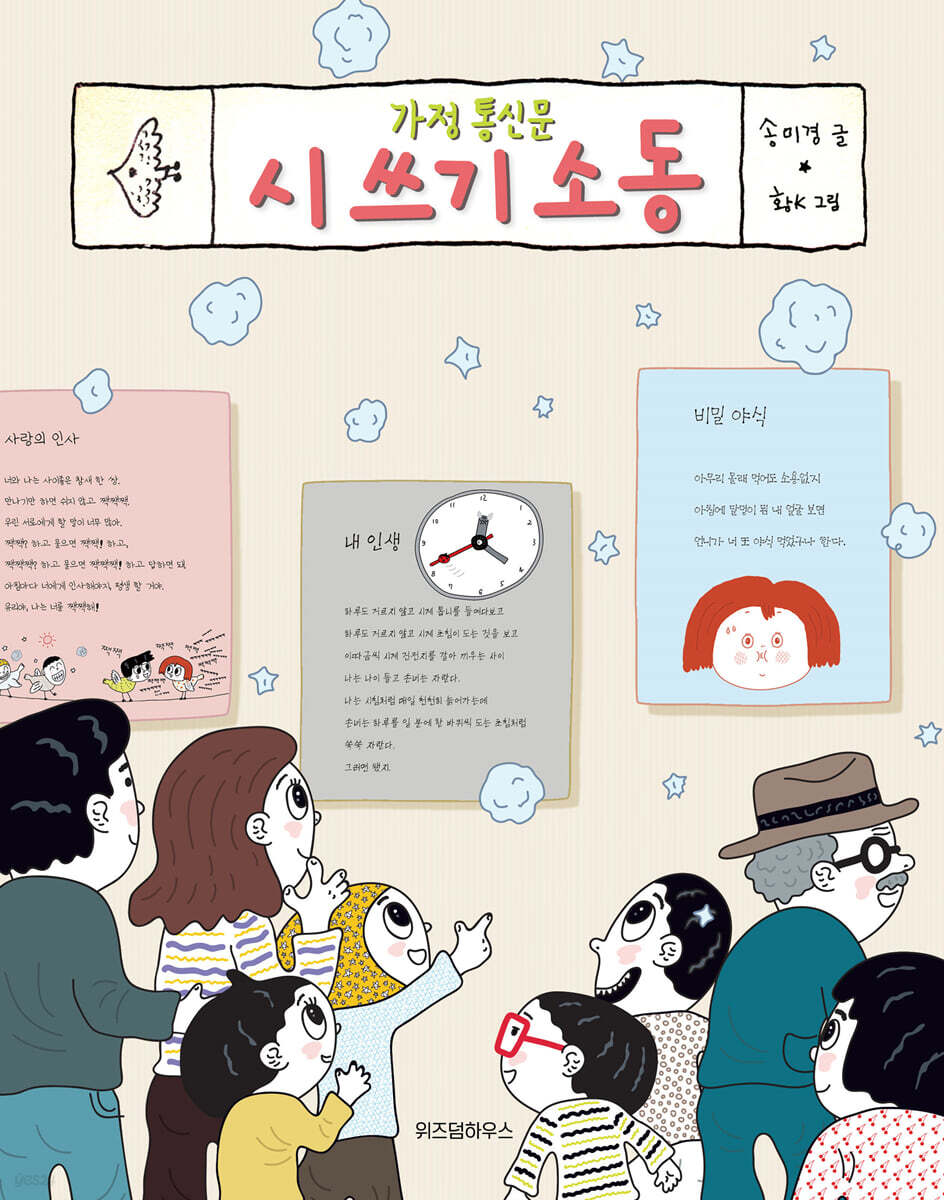
Time to read poetry slowly! A fun moment to write poetry! Mr. Ddaengdaeng's very special poetry class Author Song Mi-kyung, who has been greatly loved by readers and critics since her debut, has published 『The Commotion of Writing Poetry for Family Newsletter』. This is the sequel to 『The Family Newspaper Uproar』, which sold over 70,000 copies and received much love from readers. It is a story that captures the changes in life through the ‘virtuous function of poetry’ through the uproar that occurs while writing poetry. Through a unique format that combines narrative and poetry, the author presents an opportunity to encounter real poetry to children who only learn poetry through textbook texts. Let's enjoy a time of slow poetry reading and fun poetry writing through a very special poetry class taught by a new character, Mr. Ddaengdaeng. |
- You can preview some of the book's contents.
Preview
index
Mr. Taengtaeng is quiet
You want me to write poetry?
Monday, when everyone wrote poetry
Sound and smell become poetry?
Poetry is for us
Author's Note
You want me to write poetry?
Monday, when everyone wrote poetry
Sound and smell become poetry?
Poetry is for us
Author's Note
Detailed image

Into the book
That day, a rumor spread among the children that Mr. Ddaengdaeng's lover was among the teachers at Pigeon Elementary School.
Among rumors, rumors about love are like cotton candy, fluffy and light, and then they take root.
And in the blink of an eye, that seed will grow into a huge flower garden.
The problem is that weeds grow lushly along with the flowers.
--- p.19
“Listen.” “Okay.” Lizzie said, closing her eyes.
“Why are your eyes closed?” “This is how you listen to poetry.
You try it too.”
--- p.36
After playing badminton, Lee Sang-i sat on the bench and wrote a poem in his notebook.
“I wrote it too, listen.
Title: Badminton.” “Hey, the title is too cheesy.” “Then again.
Title: “Hair Waving” “Oh, that sounds better.” The woman and man playing badminton also paused for a moment and listened.
The thought of even the aunt and uncle listening made Lee Sang-yi's palms sweat.
--- p.45
“Something just occurred to me too.
“I’m not sure if this is poetry, but try it!” Lizzy said to the woman.
“I turned sixty while playing badminton every evening.
But my heart is eleven years old, the same age as my badminton racket.
“I am an eternal child.” Applause erupted as the woman finished reading.
“Wow, it’s like poetry,” said Lee Sang-i.
“It’s not poetry, it’s vision,” said Lizzie.
--- p.47
“Is this the end? It just sounds like my mom talking to herself.
“It doesn’t sound like poetry.” “Then prove to me that the poem I wrote isn’t poetry.” “First of all, it’s too simple.” “And it’s not moving.” said Lee Sang-i and her father.
“There are many simpler attempts in the world.
And everyone who climbed the rock together was so impressed that it was a huge hit.” After hearing that, Lee Sang-yi smiled a little.
“Why are you laughing?” “I thought back to the poems my mother wrote, and I could feel how difficult it must have been for her to write poetry.” “See?
“It’s a good feeling, since we’ve connected.” Mom shrugged happily.
“It was really my first time writing poetry.
“I wrote a poem about coffee, then another about naps, and then another about snacks, but I don’t know what’s going on.” Mom asked Dad to show her all the poems.
The Lee family talked about poetry late into the night.
--- p.51
The three children talked about poetry all the way to class.
I really had no idea that my kids would be sharing stories like this with their friends until I received this newsletter.
--- p.61
"By the way, I have to write another poem. What should I do? Even when I go rock climbing, I can't believe how much I'm struggling with that poem." "I don't know much about it, but I'm writing it.
And the poem my mom wrote was really cool.
“You can write it like that again.” Lee Sang-i talked with his mother for a while about writing poetry.
And I read the newly written poems, ‘A Poem Dedicated to Teacher Ddaengdaeng’s First Love’ and ‘When Will I Grow Up?’
Mom felt a little more courageous after hearing Lee Sang-i's poem.
Suddenly, things in my house started to look new because I didn't have to talk about anything fancy or cool.
--- p.76
Lee Sang-i was really upset.
But no matter how much I thought about it, Chanyoung's poems felt hazy like fog.
I also thought that Chanyoung was just making up all kinds of excuses to look cool.
“Poetry is not something that is far away.
Teacher.
So my poetry is real poetry.” “You also said that poetry bursts from the heart.
So my poetry is true poetry.
“I thought my heart was going to burst out of my body while I was writing this poem.” Lee Sang-i and Chan-young exchanged messages for a long time, each saying that their poem was better, before falling asleep.
--- p.84
Chan-young was writing and reading poetry when he suddenly remembered what Lee Sang-i had said.
Now that I think about it, it feels strange that I kept writing about something fluttering and something disappearing.
If you look at this poem, you will definitely say that you do not know what the expression "fluttering hand gesture" means.
Chanyoung decided to try writing poetry again.
I was thinking about how to write it so that Lee Sang could understand it.
--- p.105
All weekend long, people wrote apologies for the rumors.
And each and every one of those reflections was written like poetry.
Mr. Ttaeng-Ttaeng read the reflection written in poetry and was willing to forgive everyone.
Now, the children at Pigeon Elementary School can write anything as if it were a poem.
Whenever I saw an interesting scene, I thought about writing a poem about it, and even when I was bored, I wrote a poem.
Or I would look closely at something and think deeply about it to write a poem.
I learned how to wait for poetry.
--- p.123
While each person read their poems, people sometimes wiped away tears and sometimes laughed out loud.
Sometimes I would just close my eyes and enjoy the lingering feeling without saying a word.
After the poetry reading ended successfully, the children and teachers of Pigeon Elementary School all got to see their most boring, round, and uninteresting teacher in the world, Mr. Taengtaeng.
That's what poetry is.
Makes me see it all again.
Among rumors, rumors about love are like cotton candy, fluffy and light, and then they take root.
And in the blink of an eye, that seed will grow into a huge flower garden.
The problem is that weeds grow lushly along with the flowers.
--- p.19
“Listen.” “Okay.” Lizzie said, closing her eyes.
“Why are your eyes closed?” “This is how you listen to poetry.
You try it too.”
--- p.36
After playing badminton, Lee Sang-i sat on the bench and wrote a poem in his notebook.
“I wrote it too, listen.
Title: Badminton.” “Hey, the title is too cheesy.” “Then again.
Title: “Hair Waving” “Oh, that sounds better.” The woman and man playing badminton also paused for a moment and listened.
The thought of even the aunt and uncle listening made Lee Sang-yi's palms sweat.
--- p.45
“Something just occurred to me too.
“I’m not sure if this is poetry, but try it!” Lizzy said to the woman.
“I turned sixty while playing badminton every evening.
But my heart is eleven years old, the same age as my badminton racket.
“I am an eternal child.” Applause erupted as the woman finished reading.
“Wow, it’s like poetry,” said Lee Sang-i.
“It’s not poetry, it’s vision,” said Lizzie.
--- p.47
“Is this the end? It just sounds like my mom talking to herself.
“It doesn’t sound like poetry.” “Then prove to me that the poem I wrote isn’t poetry.” “First of all, it’s too simple.” “And it’s not moving.” said Lee Sang-i and her father.
“There are many simpler attempts in the world.
And everyone who climbed the rock together was so impressed that it was a huge hit.” After hearing that, Lee Sang-yi smiled a little.
“Why are you laughing?” “I thought back to the poems my mother wrote, and I could feel how difficult it must have been for her to write poetry.” “See?
“It’s a good feeling, since we’ve connected.” Mom shrugged happily.
“It was really my first time writing poetry.
“I wrote a poem about coffee, then another about naps, and then another about snacks, but I don’t know what’s going on.” Mom asked Dad to show her all the poems.
The Lee family talked about poetry late into the night.
--- p.51
The three children talked about poetry all the way to class.
I really had no idea that my kids would be sharing stories like this with their friends until I received this newsletter.
--- p.61
"By the way, I have to write another poem. What should I do? Even when I go rock climbing, I can't believe how much I'm struggling with that poem." "I don't know much about it, but I'm writing it.
And the poem my mom wrote was really cool.
“You can write it like that again.” Lee Sang-i talked with his mother for a while about writing poetry.
And I read the newly written poems, ‘A Poem Dedicated to Teacher Ddaengdaeng’s First Love’ and ‘When Will I Grow Up?’
Mom felt a little more courageous after hearing Lee Sang-i's poem.
Suddenly, things in my house started to look new because I didn't have to talk about anything fancy or cool.
--- p.76
Lee Sang-i was really upset.
But no matter how much I thought about it, Chanyoung's poems felt hazy like fog.
I also thought that Chanyoung was just making up all kinds of excuses to look cool.
“Poetry is not something that is far away.
Teacher.
So my poetry is real poetry.” “You also said that poetry bursts from the heart.
So my poetry is true poetry.
“I thought my heart was going to burst out of my body while I was writing this poem.” Lee Sang-i and Chan-young exchanged messages for a long time, each saying that their poem was better, before falling asleep.
--- p.84
Chan-young was writing and reading poetry when he suddenly remembered what Lee Sang-i had said.
Now that I think about it, it feels strange that I kept writing about something fluttering and something disappearing.
If you look at this poem, you will definitely say that you do not know what the expression "fluttering hand gesture" means.
Chanyoung decided to try writing poetry again.
I was thinking about how to write it so that Lee Sang could understand it.
--- p.105
All weekend long, people wrote apologies for the rumors.
And each and every one of those reflections was written like poetry.
Mr. Ttaeng-Ttaeng read the reflection written in poetry and was willing to forgive everyone.
Now, the children at Pigeon Elementary School can write anything as if it were a poem.
Whenever I saw an interesting scene, I thought about writing a poem about it, and even when I was bored, I wrote a poem.
Or I would look closely at something and think deeply about it to write a poem.
I learned how to wait for poetry.
--- p.123
While each person read their poems, people sometimes wiped away tears and sometimes laughed out loud.
Sometimes I would just close my eyes and enjoy the lingering feeling without saying a word.
After the poetry reading ended successfully, the children and teachers of Pigeon Elementary School all got to see their most boring, round, and uninteresting teacher in the world, Mr. Taengtaeng.
That's what poetry is.
Makes me see it all again.
--- p.127
Publisher's Review
“I never thought I would be sharing poetry stories with my friends.”
“That’s what poetry is.
“It makes me see it all again.”
"Swoon us with a new home newsletter!" The children of Pigeon Elementary School, who have been waiting for a new home newsletter, finally receive it.
The school newsletter sent by the new teacher, Mr. Taengtaeng, to Pigeon Elementary School reads:
'We will hold a poetry reading at our school in a month.
So, please try writing poetry for a month and choose the one you like best and submit it to us.'
The children of Pigeon Elementary School and the townspeople all tilt their heads.
“Poetry? Write poetry?” Those who have never written poetry before try to write poetry, but it is not easy.
For these students, Teacher Ddaengdaeng gives them a mission every week, such as writing a poem about a sound or a poem about a smell, and guides them to naturally find poetry in their daily lives.
Those who initially found writing poetry awkward and unfamiliar began to enjoy this eccentric act of writing as they took the time to use their five senses to closely observe their surroundings, observe things slowly, listen to their hearts, and experience their own senses.
And before you know it, you will be captivated by the charm of poetry and begin to enjoy it.
“I never thought I would be sharing poetry stories with my friends until I received this family newsletter,” the author responds to the children’s confession.
“That’s what poetry is.
“It makes me see it all again.”
“I wish I could live a life where there are books of poetry on your bookshelf.”
Giving children who only learn poetry through "poetry passages" in textbooks the gift of encountering "real poetry."
This book presents an opportunity for children who only learn poetry through textbook texts to encounter real poetry through a unique format that combines narrative and poetry.
The poems introduced in the book were written by author Song Mi-kyung with the hearts of the children appearing in the story in mind, and the pictures included in the poems were drawn by author Hwang K, who enjoyed reading this story more than anyone else.
The two authors, who worked together on "The Family Correspondence" and "The Secret Letter," show off their synergy to the fullest in this work, allowing each to fully display their respective charms.
This is why each of the eighteen poems in the book is so vibrant.
In the author's note, the author recalls his childhood when learning the Korean alphabet was particularly difficult, and says that he began writing his diary like a poem after trying to write it with the fewest characters possible, and that this is how he became close to poetry.
Although I still can't write poetry well, I've become an adult who likes waiting to write poetry, the moment of writing poetry, and the time to read poetry slowly.
And I hope that children will enjoy the moment of writing poetry, and that they will live a life with poetry books on their bookshelves.
I recommend that readers who have finished the book try writing a poem following the mission given in the book.
A single poem written like that will undoubtedly become a guide to life, allowing you to see the world in a more joyful way than others.
A fairy tale highly recommended by poets!
“Let’s go to Pigeon Elementary School together and get Mr. Ddaengdaeng’s school newsletter.” - Poet Kim Gaemi
“I plan to read this book to my children before studying poetry with them in the future.” - Poet Bang Joo-hyun
"The 'poetry writing movement' must continue until the end of time!" - Poet Ian
Have you ever felt like writing poetry? Have you ever given up on it, thinking it was only for those who learned a lot or were born with incredible talent? Have you ever sighed before you even started writing, overwhelmed by the thought that you had to write well or beautifully? To those people, poets speak.
Poet Kim Gaemi said, “At first, no one knew how to start.
But soon we will find a way.
Those people have a teacher named Ddaengdaeng.
Mr. Ttaeng-Ttaeng gives a hint.
I heard that Lee Sang, Yuri, and Lizzy are going too.
“Let’s go to Pigeon Elementary School together and get a home newsletter from Teacher Ddaengdaeng,” he said, extending his hand.
Poet Bang Joo-hyun said, “I plan to read ‘The Family Newsletter Poetry Writing Uproar’ to my children before studying poetry with them in the future.
“Our classroom might have a more noisy poetry writing commotion than Pigeon Elementary School,” he says excitedly.
Poet Ian said, “The words about poetry in ‘The Family Newsletter Poetry Writing Uproar’ will serve as a great prescription for writing poetry if you take them out and read them on days when you can’t write poetry well.
Especially the last two sentences, “That’s what poetry is.
“I want to carry the phrase ‘makes you see everything again’ in my pocket like a pebble,” he advises.
Let's write poetry again, using the words of these poets, who are also loved by children at Pigeon Elementary School, as a guide.
Let's show and tell each other the poems we wrote.
Let us also feel the poem itself.
Which poem struck your heart? Which poem resonated with you? Let's take some time to share our thoughts.
Let's make a fuss about writing poetry for a long time.
“That’s what poetry is.
“It makes me see it all again.”
"Swoon us with a new home newsletter!" The children of Pigeon Elementary School, who have been waiting for a new home newsletter, finally receive it.
The school newsletter sent by the new teacher, Mr. Taengtaeng, to Pigeon Elementary School reads:
'We will hold a poetry reading at our school in a month.
So, please try writing poetry for a month and choose the one you like best and submit it to us.'
The children of Pigeon Elementary School and the townspeople all tilt their heads.
“Poetry? Write poetry?” Those who have never written poetry before try to write poetry, but it is not easy.
For these students, Teacher Ddaengdaeng gives them a mission every week, such as writing a poem about a sound or a poem about a smell, and guides them to naturally find poetry in their daily lives.
Those who initially found writing poetry awkward and unfamiliar began to enjoy this eccentric act of writing as they took the time to use their five senses to closely observe their surroundings, observe things slowly, listen to their hearts, and experience their own senses.
And before you know it, you will be captivated by the charm of poetry and begin to enjoy it.
“I never thought I would be sharing poetry stories with my friends until I received this family newsletter,” the author responds to the children’s confession.
“That’s what poetry is.
“It makes me see it all again.”
“I wish I could live a life where there are books of poetry on your bookshelf.”
Giving children who only learn poetry through "poetry passages" in textbooks the gift of encountering "real poetry."
This book presents an opportunity for children who only learn poetry through textbook texts to encounter real poetry through a unique format that combines narrative and poetry.
The poems introduced in the book were written by author Song Mi-kyung with the hearts of the children appearing in the story in mind, and the pictures included in the poems were drawn by author Hwang K, who enjoyed reading this story more than anyone else.
The two authors, who worked together on "The Family Correspondence" and "The Secret Letter," show off their synergy to the fullest in this work, allowing each to fully display their respective charms.
This is why each of the eighteen poems in the book is so vibrant.
In the author's note, the author recalls his childhood when learning the Korean alphabet was particularly difficult, and says that he began writing his diary like a poem after trying to write it with the fewest characters possible, and that this is how he became close to poetry.
Although I still can't write poetry well, I've become an adult who likes waiting to write poetry, the moment of writing poetry, and the time to read poetry slowly.
And I hope that children will enjoy the moment of writing poetry, and that they will live a life with poetry books on their bookshelves.
I recommend that readers who have finished the book try writing a poem following the mission given in the book.
A single poem written like that will undoubtedly become a guide to life, allowing you to see the world in a more joyful way than others.
A fairy tale highly recommended by poets!
“Let’s go to Pigeon Elementary School together and get Mr. Ddaengdaeng’s school newsletter.” - Poet Kim Gaemi
“I plan to read this book to my children before studying poetry with them in the future.” - Poet Bang Joo-hyun
"The 'poetry writing movement' must continue until the end of time!" - Poet Ian
Have you ever felt like writing poetry? Have you ever given up on it, thinking it was only for those who learned a lot or were born with incredible talent? Have you ever sighed before you even started writing, overwhelmed by the thought that you had to write well or beautifully? To those people, poets speak.
Poet Kim Gaemi said, “At first, no one knew how to start.
But soon we will find a way.
Those people have a teacher named Ddaengdaeng.
Mr. Ttaeng-Ttaeng gives a hint.
I heard that Lee Sang, Yuri, and Lizzy are going too.
“Let’s go to Pigeon Elementary School together and get a home newsletter from Teacher Ddaengdaeng,” he said, extending his hand.
Poet Bang Joo-hyun said, “I plan to read ‘The Family Newsletter Poetry Writing Uproar’ to my children before studying poetry with them in the future.
“Our classroom might have a more noisy poetry writing commotion than Pigeon Elementary School,” he says excitedly.
Poet Ian said, “The words about poetry in ‘The Family Newsletter Poetry Writing Uproar’ will serve as a great prescription for writing poetry if you take them out and read them on days when you can’t write poetry well.
Especially the last two sentences, “That’s what poetry is.
“I want to carry the phrase ‘makes you see everything again’ in my pocket like a pebble,” he advises.
Let's write poetry again, using the words of these poets, who are also loved by children at Pigeon Elementary School, as a guide.
Let's show and tell each other the poems we wrote.
Let us also feel the poem itself.
Which poem struck your heart? Which poem resonated with you? Let's take some time to share our thoughts.
Let's make a fuss about writing poetry for a long time.
GOODS SPECIFICS
- Date of issue: May 31, 2023
- Page count, weight, size: 132 pages | 318g | 168*213*10mm
- ISBN13: 9791192655314
- ISBN10: 1192655311
- KC Certification: Certification Type: Conformity Confirmation
You may also like
카테고리
korean


korean

![GQ KOREA Mark (Monthly): December [2025]](http://librairie.coreenne.fr/cdn/shop/files/8ef265dbbfbf186523ed75ba7319009d.jpg?v=1765340328&width=3840)


