

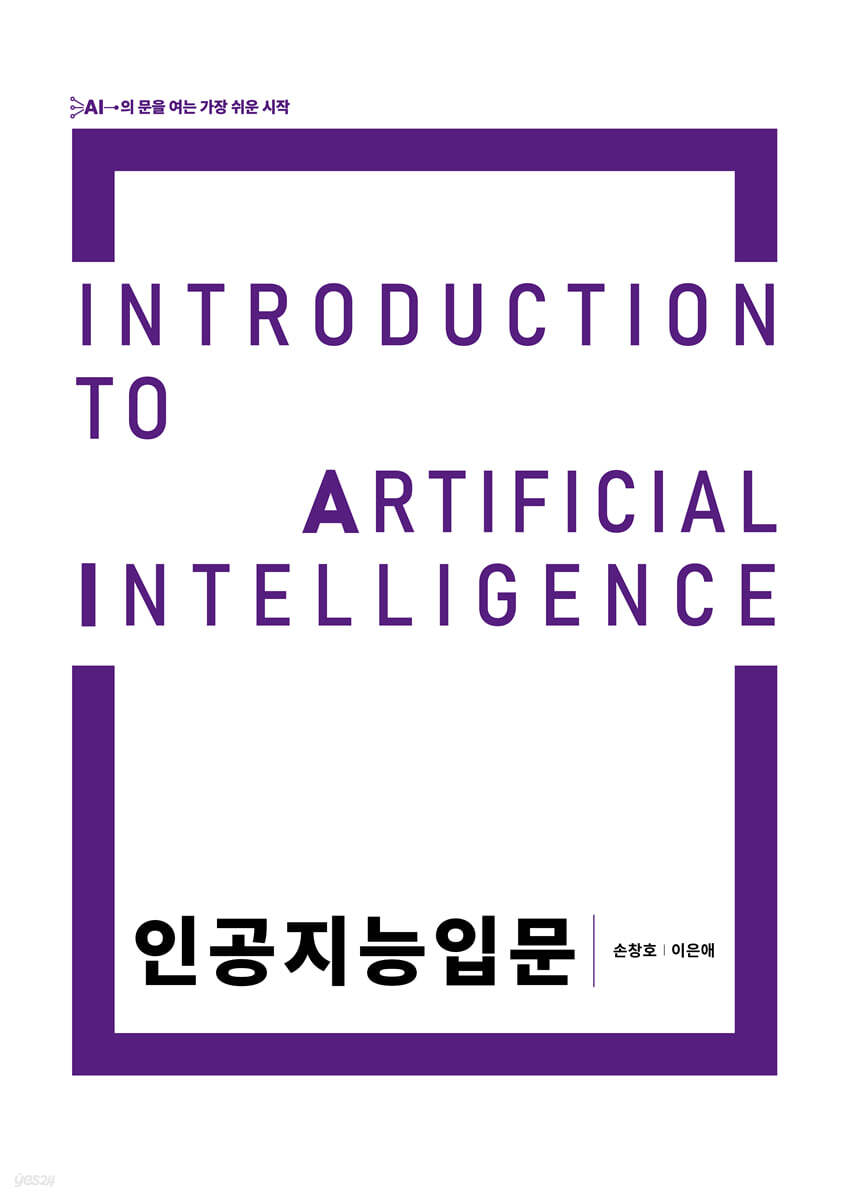
Introduction to Artificial Intelligence
 |
Description
Book Introduction
An introductory book designed to help you understand the concepts and principles of artificial intelligence and follow the flow of AI technology through real-world examples and practice.
You'll learn the principles of core technologies like artificial intelligence, big data, machine learning, and deep learning step by step. Through Python exercises based on Google Colab, you'll learn both theory and practice, and even experience implementing AI models.
It also covers a wide range of application cases in South Korea, along with examples of AI use in the defense sector in major countries such as the United States, Israel, and Ukraine, demonstrating how the technology is actually used.
Finally, by providing a balanced overview of the ethical and social issues and future prospects of artificial intelligence, we guide readers to gain insight into the AI era beyond technology.
You'll learn the principles of core technologies like artificial intelligence, big data, machine learning, and deep learning step by step. Through Python exercises based on Google Colab, you'll learn both theory and practice, and even experience implementing AI models.
It also covers a wide range of application cases in South Korea, along with examples of AI use in the defense sector in major countries such as the United States, Israel, and Ukraine, demonstrating how the technology is actually used.
Finally, by providing a balanced overview of the ethical and social issues and future prospects of artificial intelligence, we guide readers to gain insight into the AI era beyond technology.
- You can preview some of the book's contents.
Preview
index
1.
introduction
1.1.
Definition of artificial intelligence
1.2.
History of Artificial Intelligence
2.
Basic principles of artificial intelligence
2.1.
Data and Algorithms
2.1.1.
Data
2.1.2.
Algorithm
2.1.3.
Data and Algorithms
2.2.
Big Data and Machine Learning
2.2.1.
Big data
2.2.2.
machine learning
2.3.
Artificial neural networks and deep learning
2.3.1.
artificial neural network
2.3.2.
Deep Learning (DL)
2.3.3.
Major deep learning models
2.4.
Major Applications of Artificial Intelligence
2.4.1.
Natural Language Processing (NLP)
2.4.2.
Computer Vision
3.
Python and Machine Learning
3.1.
Python programming environment (Colab)
3.2.
Python Basics for Practice
3.2.1.
Declaration, assignment, and reference of variables
3.2.2.
function
3.2.3.
library
3.2.3.
Scikit-learn library and SVM
3.3 Tensorflow Playground
4.
Applications of artificial intelligence
4.1.
Use of artificial intelligence technology in the private sector
4.1.1. Smart Factory
4.1.2 Finance and Economy
4.1.3 Distribution and Retail
4.1.4 Entertainment and Media
4.2.
Utilization of artificial intelligence technology in the defense sector
4.2.1.
USA
4.2.2.
Israel
4.2.3.
Ukraine
4.3.
Case studies of artificial intelligence in South Korea's defense sector
4.3.1.
Defense and military sector
4.3.2.
Smart Factory
4.3.3.
Smart Warehouse
4.3.4.
Vigilance and Surveillance Support System
4.3.5.
Defense Medical Field
4.3.6.
Business innovation
4.3.7.
Training field
5. The Future of Artificial Intelligence
5.1.
Problems with artificial intelligence
5.1.1.
Data issues
5.1.2.
Black box problem
5.1.3.
Overfitting
5.1.4.
lack of flexibility
5.1.5.
ethical and social issues
5.2.
AI ethics
5.2.1 The Importance of AI Ethics
5.2.2 Key Issues in AI Ethics
5.2.3 Guidelines for Artificial Intelligence Ethics
introduction
1.1.
Definition of artificial intelligence
1.2.
History of Artificial Intelligence
2.
Basic principles of artificial intelligence
2.1.
Data and Algorithms
2.1.1.
Data
2.1.2.
Algorithm
2.1.3.
Data and Algorithms
2.2.
Big Data and Machine Learning
2.2.1.
Big data
2.2.2.
machine learning
2.3.
Artificial neural networks and deep learning
2.3.1.
artificial neural network
2.3.2.
Deep Learning (DL)
2.3.3.
Major deep learning models
2.4.
Major Applications of Artificial Intelligence
2.4.1.
Natural Language Processing (NLP)
2.4.2.
Computer Vision
3.
Python and Machine Learning
3.1.
Python programming environment (Colab)
3.2.
Python Basics for Practice
3.2.1.
Declaration, assignment, and reference of variables
3.2.2.
function
3.2.3.
library
3.2.3.
Scikit-learn library and SVM
3.3 Tensorflow Playground
4.
Applications of artificial intelligence
4.1.
Use of artificial intelligence technology in the private sector
4.1.1. Smart Factory
4.1.2 Finance and Economy
4.1.3 Distribution and Retail
4.1.4 Entertainment and Media
4.2.
Utilization of artificial intelligence technology in the defense sector
4.2.1.
USA
4.2.2.
Israel
4.2.3.
Ukraine
4.3.
Case studies of artificial intelligence in South Korea's defense sector
4.3.1.
Defense and military sector
4.3.2.
Smart Factory
4.3.3.
Smart Warehouse
4.3.4.
Vigilance and Surveillance Support System
4.3.5.
Defense Medical Field
4.3.6.
Business innovation
4.3.7.
Training field
5. The Future of Artificial Intelligence
5.1.
Problems with artificial intelligence
5.1.1.
Data issues
5.1.2.
Black box problem
5.1.3.
Overfitting
5.1.4.
lack of flexibility
5.1.5.
ethical and social issues
5.2.
AI ethics
5.2.1 The Importance of AI Ethics
5.2.2 Key Issues in AI Ethics
5.2.3 Guidelines for Artificial Intelligence Ethics
GOODS SPECIFICS
- Date of issue: July 31, 2025
- Page count, weight, size: 120 pages | 175*245*6mm
- ISBN13: 9788955685329
- ISBN10: 8955685327
You may also like
카테고리
korean


korean

![GQ KOREA Mark (Monthly): December [2025]](http://librairie.coreenne.fr/cdn/shop/files/8ef265dbbfbf186523ed75ba7319009d.jpg?v=1765340328&width=3840)


