

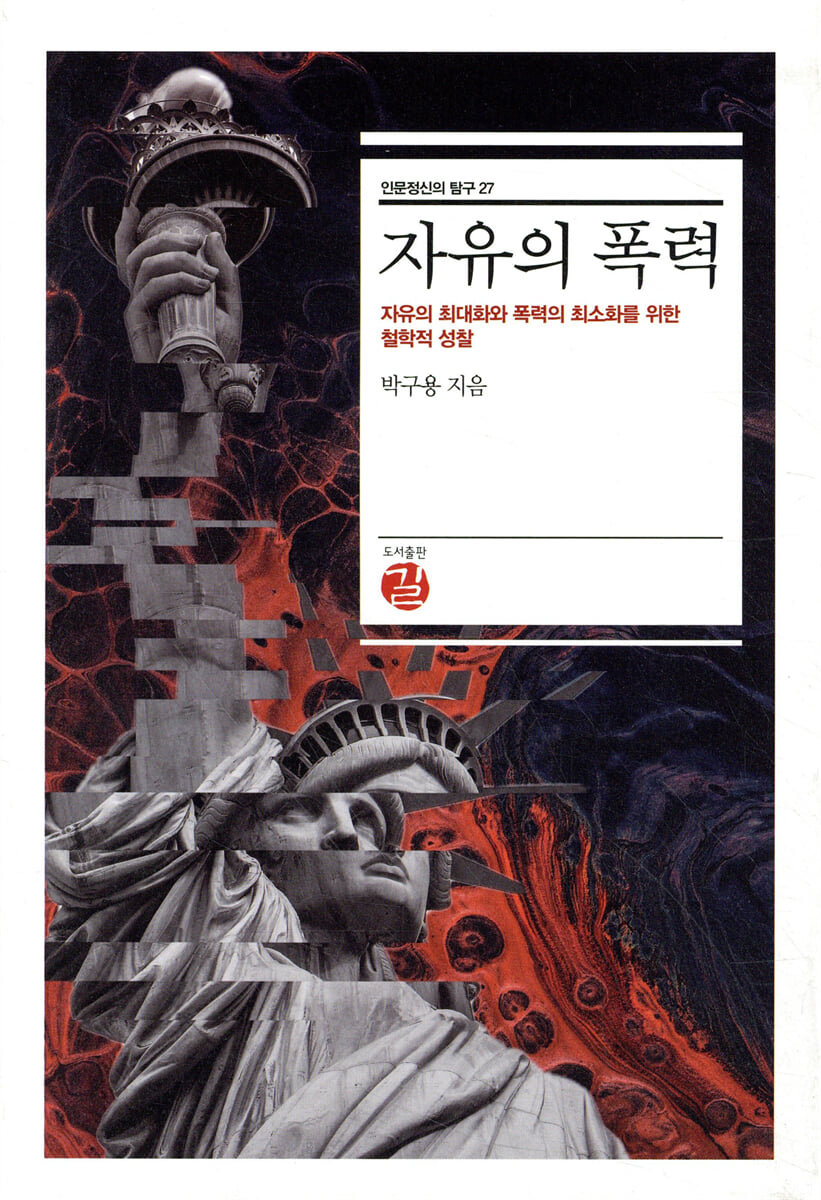
The violence of freedom
 |
Description
Book Introduction
What is the future of humanity, and freedom, as we move through the era of interregnum after the end of neoliberalism?
With the financial crisis of 2008, neoliberalism, which had enjoyed the status of the zeitgeist for nearly 40 years since the 1970s, fell into a state of brain death.
And with the coronavirus pandemic of 2020, neoliberalism as the zeitgeist was declared dead.
Neoliberalism has been pointed out as having caused or contributed to the plunder and destruction of nature by humans, economic inequality and political polarization, the strengthening of monopolies, and slowing growth.
A zeitgeist has lost its life.
But the problem is that a new zeitgeist has not been born.
Humanity is now in a state of interregnum, a vacuum of supreme power, a period of absence of the spirit of the age, in other words, a time of vacancy.
The old ideology of neoliberalism has been dismantled, but no new ideology has emerged to replace it.
As Antonio Gramsci said, “A crisis consists precisely in the fact that the old has died and the new has not been born.
“A wide variety of pathological symptoms appear within this interregnum”.
The crisis of interregnum lies in the fact that the dead do not go to the grave but walk around as if alive.
Neoliberalism, which has become a zombie, or zombie-liberalism, is wandering around in search of the possibility of revival.
Interregnum is a space of crisis and at the same time a new political space.
In this open space, a discourse that seeks a new zeitgeist must be created.
The idea of freedom and violence may be one important theme that shapes this discourse.
The freedom that the spirit of the future will demand must meet the demand that its maximization be accompanied by the minimization of violence.
In line with this demand, the author seeks to reconstruct free discourse.
With the financial crisis of 2008, neoliberalism, which had enjoyed the status of the zeitgeist for nearly 40 years since the 1970s, fell into a state of brain death.
And with the coronavirus pandemic of 2020, neoliberalism as the zeitgeist was declared dead.
Neoliberalism has been pointed out as having caused or contributed to the plunder and destruction of nature by humans, economic inequality and political polarization, the strengthening of monopolies, and slowing growth.
A zeitgeist has lost its life.
But the problem is that a new zeitgeist has not been born.
Humanity is now in a state of interregnum, a vacuum of supreme power, a period of absence of the spirit of the age, in other words, a time of vacancy.
The old ideology of neoliberalism has been dismantled, but no new ideology has emerged to replace it.
As Antonio Gramsci said, “A crisis consists precisely in the fact that the old has died and the new has not been born.
“A wide variety of pathological symptoms appear within this interregnum”.
The crisis of interregnum lies in the fact that the dead do not go to the grave but walk around as if alive.
Neoliberalism, which has become a zombie, or zombie-liberalism, is wandering around in search of the possibility of revival.
Interregnum is a space of crisis and at the same time a new political space.
In this open space, a discourse that seeks a new zeitgeist must be created.
The idea of freedom and violence may be one important theme that shapes this discourse.
The freedom that the spirit of the future will demand must meet the demand that its maximization be accompanied by the minimization of violence.
In line with this demand, the author seeks to reconstruct free discourse.
index
Author's Note 5
Part 1: The Voice of the Other Within Us
Chapter 1: Loss of Freedom: The Philosophy of the Other Within Us 43
Chapter 2 Communicative Freedom and Recognition 97
Chapter 3: The Violence of Freedom 145
Chapter 4: Social Perspectives and Freedom 203
Part II: Public and Private Liberty, and Naturalism
Chapter 5: Sovereignty-Centered Freedom: The Maximization and Violence of Public Freedom 223
Chapter 6: Human Rights-Centered Freedom: Maximizing Private Liberty and the State Monopoly on Violence 267
Chapter 7: Naturalism of Freedom 325
Part 3: The Possibility and Reality of Freedom in a Pluralistic Society
Chapter 8: Ethics: Expanding Freedom Between Pluralism and Universalism 387
Chapter 9: Political Liberalism as Constrained Pluralism 411
Chapter 10: Cosmopolitanism: Maximizing Freedom 453
Chapter 11: The Shadow of Happiness on the Boundary of Freedom and Violence 481
Part 4: Human Rights and Welfare, and the Justification and Freedom of Autonomy
Chapter 12: Universalist Justification of Human Rights and Freedom 517
Chapter 13: The Boundaries of Human Rights and Welfare and Their Mutually Restrictive Clarification 557
Chapter 14: Welfare as a Right in a Democratic, Rule-of-Law State 593
Chapter 15: State Power and Citizenship 625
Chapter 16: Civil Autonomy and Intersubjective Freedom 653
Epilogue 685
Reference 697
Find details 713
Search for people 730
Part 1: The Voice of the Other Within Us
Chapter 1: Loss of Freedom: The Philosophy of the Other Within Us 43
Chapter 2 Communicative Freedom and Recognition 97
Chapter 3: The Violence of Freedom 145
Chapter 4: Social Perspectives and Freedom 203
Part II: Public and Private Liberty, and Naturalism
Chapter 5: Sovereignty-Centered Freedom: The Maximization and Violence of Public Freedom 223
Chapter 6: Human Rights-Centered Freedom: Maximizing Private Liberty and the State Monopoly on Violence 267
Chapter 7: Naturalism of Freedom 325
Part 3: The Possibility and Reality of Freedom in a Pluralistic Society
Chapter 8: Ethics: Expanding Freedom Between Pluralism and Universalism 387
Chapter 9: Political Liberalism as Constrained Pluralism 411
Chapter 10: Cosmopolitanism: Maximizing Freedom 453
Chapter 11: The Shadow of Happiness on the Boundary of Freedom and Violence 481
Part 4: Human Rights and Welfare, and the Justification and Freedom of Autonomy
Chapter 12: Universalist Justification of Human Rights and Freedom 517
Chapter 13: The Boundaries of Human Rights and Welfare and Their Mutually Restrictive Clarification 557
Chapter 14: Welfare as a Right in a Democratic, Rule-of-Law State 593
Chapter 15: State Power and Citizenship 625
Chapter 16: Civil Autonomy and Intersubjective Freedom 653
Epilogue 685
Reference 697
Find details 713
Search for people 730
Publisher's Review
A political and philosophical search for maximizing freedom and minimizing violence
In this book, the author begins by proposing "the philosophy of the other within us" as a normative model of practical philosophy to criticize the false consciousness that dominates Korean society at the border of social and political philosophy.
"The Violence of Freedom" seeks to find an alternative way of thinking that can overcome the dangers of ourist and globalist philosophies in the "other within us."
Through the philosophy of the "other within us" that lies on the border between intersubjectivity and postsubjectivity, this book explores a path to simultaneously achieving "maximization of freedom and minimization of violence" by focusing on the core agenda of social and political philosophy in current Korean society.
However, the author fears that the philosophy of the 'other within us' could degenerate into a philosophy of trite indoctrination that impoverishes philosophy.
For that reason, the author ① captures the reality we face in the name of thought, even though it is at an experimental stage, ② listens to what we have lost in exchange for our pitiful comfort and the voices of others whose language has been taken away from us, ③ aims for a system of mutually subjective norms that does not fall into nihilism or pessimism, and ④ seeks a philosophy of social criticism that can restrain the 'economic imperialism' concealed in globalism and the 'moral imperialism' running rampant in our-ism.
In Part I, the author argues that in a state of moral reconciliation between economic imperialism and moral imperialism, concealed within globalism and ourism, freedom risks turning into violence, and explores the possibility of justifying "communicative freedom" and "intersubjective communication" as normative measures of social justice.
Part II focuses first on exploring the philosophical roots of liberalism.
In particular, he focuses on Thomas Hobbes, John Locke, David Hume, and John Stuart Mill, revealing that the freedom that permeates their philosophies is an ideology derived from naturalism, while at the same time being a right that prioritizes the protection of an individual's private sphere.
Despite their clear differences, they are very similar in that they all placed little value on freedom exercised in the public sphere, that is, on public autonomy.
To find out the reason, the author organizes Plato and Aristotle's positions on freedom and political system in Chapter 5.
Part 3 explores the possibilities of maximizing freedom while minimizing violence in a context of peak pluralism and globalization.
Above all, by accepting pluralism as a fact, we seek ways for global citizens to realize common freedom, peace, and happiness.
The final fourth part addresses the philosophical justification of human rights, welfare, and autonomy.
Freedom is a subjective yet universal right.
As the minimum right of a democratic constitutional state, freedom is the subjective right of an individual to act freely according to his or her own will.
Freedom of subjective action does not require the consent or approval of others.
Therefore, the subject need not bear the burden of responsibility for the freedom of subjective action.
The best human community is the best freedom.
The struggle for recognition among individuals to maximize freedom is by no means a barbaric struggle for survival on the plains of nature.
The struggle for recognition takes place not in nature but in the heart of culture.
The struggle for recognition is not a confrontation between natural people.
The struggle for recognition is between parents and children, wives and husbands, capitalists and workers, regular and irregular workers, men and women, heterosexuals and homosexuals.
It is a resistance to neglect that takes place in numerous social relationships, such as between the central and local governments, Seoul and the regions, powerful and weak countries, and teachers and students.
So the struggle for recognition is not a process of increasing violence, but of reducing it, and at the same time, it is a process of increasing not only your freedom but also my freedom.
The author argues that only the freedom accumulated through the process of struggle for recognition in the realm of freedom and publicness, where you and I respect each other rather than ignore each other, can have irreversible universality.
In this book, the author begins by proposing "the philosophy of the other within us" as a normative model of practical philosophy to criticize the false consciousness that dominates Korean society at the border of social and political philosophy.
"The Violence of Freedom" seeks to find an alternative way of thinking that can overcome the dangers of ourist and globalist philosophies in the "other within us."
Through the philosophy of the "other within us" that lies on the border between intersubjectivity and postsubjectivity, this book explores a path to simultaneously achieving "maximization of freedom and minimization of violence" by focusing on the core agenda of social and political philosophy in current Korean society.
However, the author fears that the philosophy of the 'other within us' could degenerate into a philosophy of trite indoctrination that impoverishes philosophy.
For that reason, the author ① captures the reality we face in the name of thought, even though it is at an experimental stage, ② listens to what we have lost in exchange for our pitiful comfort and the voices of others whose language has been taken away from us, ③ aims for a system of mutually subjective norms that does not fall into nihilism or pessimism, and ④ seeks a philosophy of social criticism that can restrain the 'economic imperialism' concealed in globalism and the 'moral imperialism' running rampant in our-ism.
In Part I, the author argues that in a state of moral reconciliation between economic imperialism and moral imperialism, concealed within globalism and ourism, freedom risks turning into violence, and explores the possibility of justifying "communicative freedom" and "intersubjective communication" as normative measures of social justice.
Part II focuses first on exploring the philosophical roots of liberalism.
In particular, he focuses on Thomas Hobbes, John Locke, David Hume, and John Stuart Mill, revealing that the freedom that permeates their philosophies is an ideology derived from naturalism, while at the same time being a right that prioritizes the protection of an individual's private sphere.
Despite their clear differences, they are very similar in that they all placed little value on freedom exercised in the public sphere, that is, on public autonomy.
To find out the reason, the author organizes Plato and Aristotle's positions on freedom and political system in Chapter 5.
Part 3 explores the possibilities of maximizing freedom while minimizing violence in a context of peak pluralism and globalization.
Above all, by accepting pluralism as a fact, we seek ways for global citizens to realize common freedom, peace, and happiness.
The final fourth part addresses the philosophical justification of human rights, welfare, and autonomy.
Freedom is a subjective yet universal right.
As the minimum right of a democratic constitutional state, freedom is the subjective right of an individual to act freely according to his or her own will.
Freedom of subjective action does not require the consent or approval of others.
Therefore, the subject need not bear the burden of responsibility for the freedom of subjective action.
The best human community is the best freedom.
The struggle for recognition among individuals to maximize freedom is by no means a barbaric struggle for survival on the plains of nature.
The struggle for recognition takes place not in nature but in the heart of culture.
The struggle for recognition is not a confrontation between natural people.
The struggle for recognition is between parents and children, wives and husbands, capitalists and workers, regular and irregular workers, men and women, heterosexuals and homosexuals.
It is a resistance to neglect that takes place in numerous social relationships, such as between the central and local governments, Seoul and the regions, powerful and weak countries, and teachers and students.
So the struggle for recognition is not a process of increasing violence, but of reducing it, and at the same time, it is a process of increasing not only your freedom but also my freedom.
The author argues that only the freedom accumulated through the process of struggle for recognition in the realm of freedom and publicness, where you and I respect each other rather than ignore each other, can have irreversible universality.
GOODS SPECIFICS
- Publication date: December 29, 2022
- Page count, weight, size: 734 pages | 153*224*40mm
- ISBN13: 9788964452639
- ISBN10: 8964452631
You may also like
카테고리
korean


korean

![GQ KOREA Mark (Monthly): December [2025]](http://librairie.coreenne.fr/cdn/shop/files/8ef265dbbfbf186523ed75ba7319009d.jpg?v=1765340328&width=3840)


