

Queer Theology
 |
Description
Book Introduction
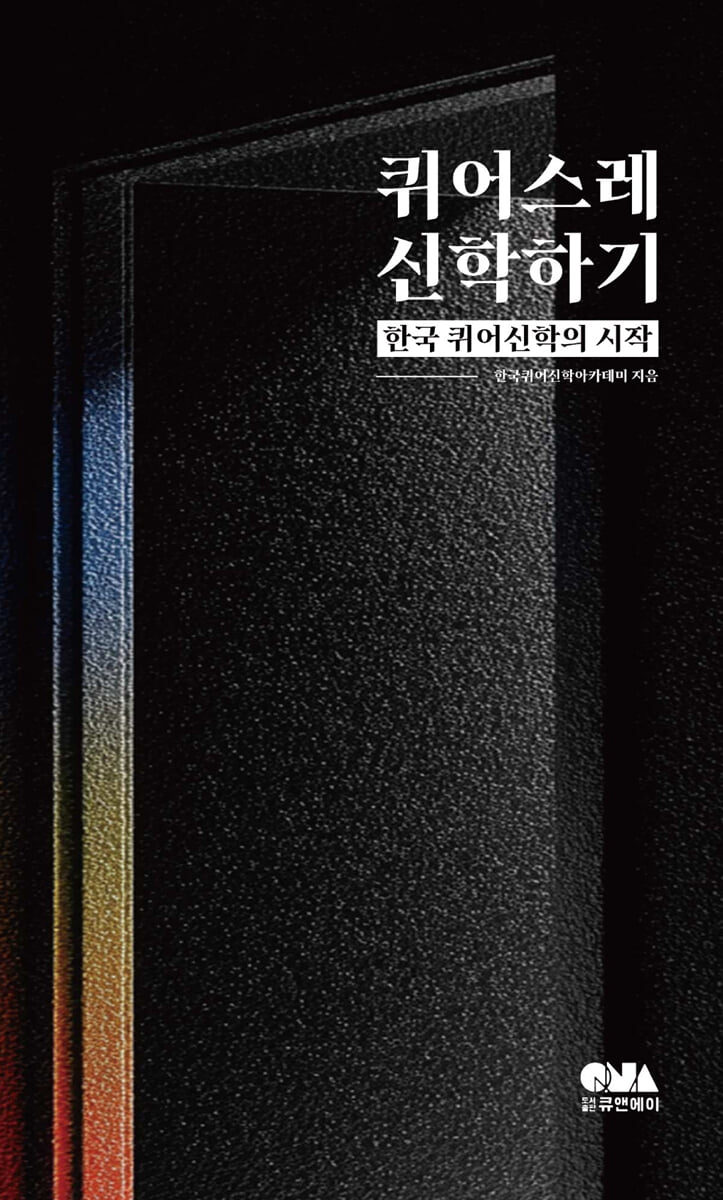
《Doing Queer Theology》 is a work that compiles research findings and theological discussions centered around the Korean Queer Theology Academy, and is an important indicator of the trajectory along which queer theology has developed within the Korean context.
This book goes beyond simply introducing queer theology; it deeply documents and analyzes the processes of institutional oppression, social resistance, and theological reconstruction within the Korean church and theological discourse.
This book goes beyond simply introducing queer theology; it deeply documents and analyzes the processes of institutional oppression, social resistance, and theological reconstruction within the Korean church and theological discourse.
- You can preview some of the book's contents.
Preview
index
Preface (Choi Hyeong-mi, President of the Korean Queer Theology Academy)
Chapter 1: A Hitchhiker's Guide to Queer Theology (Lee Woo-yeon, Seomdolhyangrin Church)
Chapter 2: "Why Do We Only Meet When We're Sad?": Minjung Theology and Queering Intersect in Survival and Resurrection (Yoo Young-sang, Hyanglin Church)
Chapter 3: Yukwoodang and the People's Messiah (Lee Yu-jeong, Steering Committee Member, Korean Queer Theology Academy)
Chapter 4: Reconstructing Theology from an Anti-Discrimination Perspective (Hwang Yong-yeon, Research Director, Third Age Christian Research Institute)
Chapter 5: "Why Eat with Sinners?": Reflecting on Jesus in the Face of the Excommunication of Pastor Lee Dong-hwan from the Methodist Church (Jeong Hye-jin, Executive Committee Member, Christian Network for an Equal World Without Discrimination and Hatred)
Chapter 6: Theological Thinking in Queer Christian Counseling (Hee-gyu Park, Department of Christian Studies, Ewha Womans University)
Chapter 7: Difference, Diversity, and Heterosexual Privilege (Choi Hyung-mi, President of the Korean Queer Theology Academy)
Chapter 1: A Hitchhiker's Guide to Queer Theology (Lee Woo-yeon, Seomdolhyangrin Church)
Chapter 2: "Why Do We Only Meet When We're Sad?": Minjung Theology and Queering Intersect in Survival and Resurrection (Yoo Young-sang, Hyanglin Church)
Chapter 3: Yukwoodang and the People's Messiah (Lee Yu-jeong, Steering Committee Member, Korean Queer Theology Academy)
Chapter 4: Reconstructing Theology from an Anti-Discrimination Perspective (Hwang Yong-yeon, Research Director, Third Age Christian Research Institute)
Chapter 5: "Why Eat with Sinners?": Reflecting on Jesus in the Face of the Excommunication of Pastor Lee Dong-hwan from the Methodist Church (Jeong Hye-jin, Executive Committee Member, Christian Network for an Equal World Without Discrimination and Hatred)
Chapter 6: Theological Thinking in Queer Christian Counseling (Hee-gyu Park, Department of Christian Studies, Ewha Womans University)
Chapter 7: Difference, Diversity, and Heterosexual Privilege (Choi Hyung-mi, President of the Korean Queer Theology Academy)
Into the book
I hope that we can be ourselves as queers and allies, and that we can be ourselves not as me, with my various intersectionalities coexisting.
I hope that through queer theology, oppressed queers and allies can regain their voices and speak about their experiences.
We've lost many times shouting "Love Wins," and it seems like we're going through hopeless times, but I still hope we can still believe in hope.
I hope we can continue to travel together like hitchhikers.
I hope that we will not lose sight of the fact that we live in God's love and that we still love God.
I hope that through queer theology, oppressed queers and allies can regain their voices and speak about their experiences.
We've lost many times shouting "Love Wins," and it seems like we're going through hopeless times, but I still hope we can still believe in hope.
I hope we can continue to travel together like hitchhikers.
I hope that we will not lose sight of the fact that we live in God's love and that we still love God.
--- p.43
Publisher's Review
In the first chapter, Lee Woo-yeon's "A Hitchhiker's Guide to Queer Theology" outlines the overall concept and theoretical horizon of queer theology, emphasizing that queer theology is not simply a theology of sexual minorities, but a theology that dismantles norms and boundaries and creates a new language.
Subsequent studies reveal the multi-layered potential of queer theology through diverse approaches, including the intersection of people's theology and queer theology, the reconstruction of anti-discrimination theology, and queer Christian counseling and theological reflection.
In particular, the analysis of specific cases, such as Pastor Lee Dong-hwan's excommunication and queer Christian counseling, clearly shows that queer theology is not merely an academic discourse, but functions as a milestone toward which society and the actual church should strive.
From an academic perspective, this book has three significances.
First, by systematically organizing the historical development of Korean queer theology, it suggests the possibility of an indigenous discourse that goes beyond the acceptance of Western queer theology.
Second, it contains an attempt to develop queer theology beyond a simple apologetic dimension (advocacy for sexual minorities) into a critical sensibility that respects intersectionality and diversity.
Third, by simultaneously embracing theological texts and pastoral experiences, it confirms that theology is newly formed within the context of real suffering and oppression.
In summary, "Doing Queer Theology" is a work that persuasively presents the legitimacy and necessity of queer theology within Korean theological discourse, making a significant contribution not only to theological researchers but also to interdisciplinary research that intersects pastoral practices and social movements.
Furthermore, this book has great academic and practical value in that it criticizes the exclusionary reality of the Korean church while also opening up new theological possibilities and practical perspectives.
Subsequent studies reveal the multi-layered potential of queer theology through diverse approaches, including the intersection of people's theology and queer theology, the reconstruction of anti-discrimination theology, and queer Christian counseling and theological reflection.
In particular, the analysis of specific cases, such as Pastor Lee Dong-hwan's excommunication and queer Christian counseling, clearly shows that queer theology is not merely an academic discourse, but functions as a milestone toward which society and the actual church should strive.
From an academic perspective, this book has three significances.
First, by systematically organizing the historical development of Korean queer theology, it suggests the possibility of an indigenous discourse that goes beyond the acceptance of Western queer theology.
Second, it contains an attempt to develop queer theology beyond a simple apologetic dimension (advocacy for sexual minorities) into a critical sensibility that respects intersectionality and diversity.
Third, by simultaneously embracing theological texts and pastoral experiences, it confirms that theology is newly formed within the context of real suffering and oppression.
In summary, "Doing Queer Theology" is a work that persuasively presents the legitimacy and necessity of queer theology within Korean theological discourse, making a significant contribution not only to theological researchers but also to interdisciplinary research that intersects pastoral practices and social movements.
Furthermore, this book has great academic and practical value in that it criticizes the exclusionary reality of the Korean church while also opening up new theological possibilities and practical perspectives.
GOODS SPECIFICS
- Date of issue: October 23, 2025
- Page count, weight, size: 189 pages | 148*225mm
- ISBN13: 9791198802330
- ISBN10: 1198802332
You may also like
카테고리
korean


korean

![GQ KOREA Mark (Monthly): December [2025]](http://librairie.coreenne.fr/cdn/shop/files/8ef265dbbfbf186523ed75ba7319009d.jpg?v=1765340328&width=3840)


