

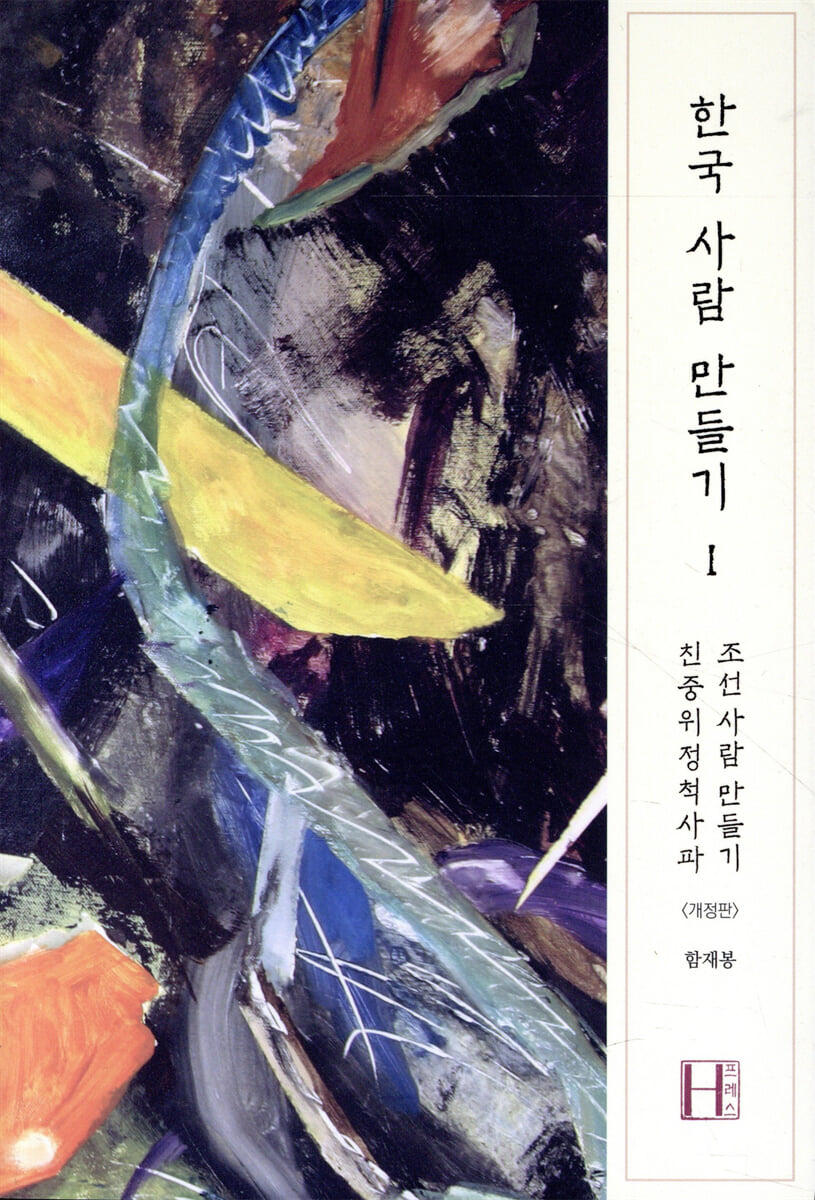
Making Korean People 1
 |
Description
Book Introduction
“Making Korean People” is a genealogy of “Korean people.” It traces the political, international, and ideological backgrounds of five types of people who form the basis of modern Koreans: “pro-Chinese, anti-Japanese faction,” “pro-Japanese reformist faction,” “pro-American Christian faction,” “pro-Soviet communist faction,” and “racial nationalist faction.” The first volume of the series, planned to consist of a total of six volumes, consists of “Introduction,” “Creating a Joseon Person,” and “Pro-Chinese, Anti-Japanese, and Anti-Japanese Factions.” |
index
introduction
Part 1: Creating Korean People 39
Introduction 40
Chapter 1: Goryeo People vs. Joseon People 47
1.
Don't Get Married, Get Married 48
2.
52 Goryeo people who only got married
3.
Goryeo's incestuous marriage customs 61
4.
64 Joseon people who lived with their in-laws
5.
67 Joseon people who refused ancestral rites
Chapter 2: The Political Economy of Zhu Xi's Neo-Confucianism 74
1.
China's Jiangnan Development 76
2.
Gangnam Farming and Song's Economic Revolution 85
3.
State-Market Relations in the Song Dynasty 90
4.
Song's Film 95
Chapter 3: The Birth of a Scholar 103
1.
The Past System and the Birth of [Sa] 105
2.
From Literature to Taoism 110
3.
Runner and Gangnam Farming Method 113
4.
The Resurrection of Sawa Etiquette 117
5.
The Resurrection of the Sawa Clan System 121
6.
The Completion of the Family Rituals 126
7.
Alternative 134
Chapter 4: The Korean Revolution 139
1.
Yuan and Goryeo: A Gateway to the Introduction of Zhu Xi's Civilization 140
2.
Sejong's Radical Reforms 146
3.
Joseon's Agricultural Revolution 153
4.
The Establishment of Joseon Rural Order 157
5.
The Birth of Genealogy and Clan Villages 167
Part 1 Conclusion 170
Part 2: Pro-Chinese and Anti-Japanese Factions 177
Introduction 178
Chapter 1: The Second Manchu Invasion and the Fall of the Ming Dynasty 187
1.
The decline of the Ming Dynasty and the rise of the Jurchen people 194
2.
The Rise of Nurhaci 198
3.
The Birth of the Eight Banner Army 200
4.
The Mongol Surrender and the Fall of Liaodong 204
5.
Qing Taizong and Dorgon 209
6.
Qing's Success Factors 217
Chapter 2: The Qing Conquest of the Continent and the Reactions of Chinese Intellectuals 227
1.
Reactions from Chinese Intellectuals 229
2.
Hwang Jong-hui's Critique of Zhu Xi's and Yangming's Theories 233
3.
Go Yeom-mu, Wang Bu-ji, and An Yuan's Criticism of Zhu Xi's Neo-Confucianism 238
4.
The Birth of Textual Criticism 244
Chapter 3: Qing Conquest of the Continent and Joseon's Response 247
1.
Prince Sohyeon: The First Sacrifice of the Closing Joseon Dynasty 250
2.
Song Si-yeol and [Gichukbongsa] 260
3.
Systematization of the Pro-Ming Anti-Qing Ideology 267
4.
First Presbyterian Church 269
5.
2nd Pre-Song 279
6.
Yesong's Three Points of Argument 280
7.
Zhu Xi's Neo-Confucianism Fundamentalism and the Theory of Daoism 288
8.
Zhu Xi's Neo-Confucianism Fundamentalism and the Male-Female Ideology 294
9.
Record of the 11th Yangju Chronicles, Volume 301
Chapter 4: The Catholic Challenge 307
1.
Example and Faith 309
2.
Benefit: The Encounter of Confucianism and Catholicism 316
3.
Confucian asceticism and the infiltration of Catholicism 321
4.
Jeong Yak-yong and the Role of the Emperor 332
5.
Catholicism as Faith 337
6.
The Ritual Controversy between Emperor Kangxi and Pope Clement XI, 340
7.
Joseon's Liturgical Debate and Refusal of Ancestral Rites 344
8.
The Beginning of Catholic Persecution: The Sinyu Persecution of 349
9.
Hwang Sa-young White Paper Case 355
10.
The Paris Foreign Mission Society and the Beginning of Missions in Korea 359
11.
The Gihae Persecution and the Appearance of the French Fleet, 362
Chapter 5: The Opium Wars, the Taiping Rebellion, and the Restoration of the Eastern Zhi 371
1.
First Opium War 374
2.
Second Opium War 379
3.
The Fall of Beijing and the Sack of the Yuanmingyuan (384)
4.
The Taiping Rebellion and the Hunan School 397
5.
Formation of the Sanggun 406
6.
Success Factors of the Sanggun 410
7.
The Role of the Ascendant Army 417
8.
The failure of the Dongzhi Restoration Project 420
Chapter 6: The Righteous and the Isolation Policy 425
1.
The Appearance of Sheep 427
2.
Joseon's Exploration of China 430
3.
Byungin Persecution 433
4.
General Sherman Incident 441
5.
Byeong-in Yangyo 446
6.
Lee Hang-ro's Thoughts on the Rebellion 455
7.
Shinmiyangyo 467
Chapter 7: The Conflict Between the Righteous and the Righteous and the Heungseon Daewongun (483)
1.
Contradictions of the Joseon Economy 486
2.
Contradictions in Joseon Politics 494
3.
Heungseon Daewongun's Reforms 496
4.
The Last Scholar Choi Ik-hyeon 499
5.
Royal Politics vs. a Rich and Strong Nation 509
6.
Emperor Gojong's family government and the collapse of the Joseon economy (516)
Part 2 Conclusion 524
Part 1: Creating Korean People 39
Introduction 40
Chapter 1: Goryeo People vs. Joseon People 47
1.
Don't Get Married, Get Married 48
2.
52 Goryeo people who only got married
3.
Goryeo's incestuous marriage customs 61
4.
64 Joseon people who lived with their in-laws
5.
67 Joseon people who refused ancestral rites
Chapter 2: The Political Economy of Zhu Xi's Neo-Confucianism 74
1.
China's Jiangnan Development 76
2.
Gangnam Farming and Song's Economic Revolution 85
3.
State-Market Relations in the Song Dynasty 90
4.
Song's Film 95
Chapter 3: The Birth of a Scholar 103
1.
The Past System and the Birth of [Sa] 105
2.
From Literature to Taoism 110
3.
Runner and Gangnam Farming Method 113
4.
The Resurrection of Sawa Etiquette 117
5.
The Resurrection of the Sawa Clan System 121
6.
The Completion of the Family Rituals 126
7.
Alternative 134
Chapter 4: The Korean Revolution 139
1.
Yuan and Goryeo: A Gateway to the Introduction of Zhu Xi's Civilization 140
2.
Sejong's Radical Reforms 146
3.
Joseon's Agricultural Revolution 153
4.
The Establishment of Joseon Rural Order 157
5.
The Birth of Genealogy and Clan Villages 167
Part 1 Conclusion 170
Part 2: Pro-Chinese and Anti-Japanese Factions 177
Introduction 178
Chapter 1: The Second Manchu Invasion and the Fall of the Ming Dynasty 187
1.
The decline of the Ming Dynasty and the rise of the Jurchen people 194
2.
The Rise of Nurhaci 198
3.
The Birth of the Eight Banner Army 200
4.
The Mongol Surrender and the Fall of Liaodong 204
5.
Qing Taizong and Dorgon 209
6.
Qing's Success Factors 217
Chapter 2: The Qing Conquest of the Continent and the Reactions of Chinese Intellectuals 227
1.
Reactions from Chinese Intellectuals 229
2.
Hwang Jong-hui's Critique of Zhu Xi's and Yangming's Theories 233
3.
Go Yeom-mu, Wang Bu-ji, and An Yuan's Criticism of Zhu Xi's Neo-Confucianism 238
4.
The Birth of Textual Criticism 244
Chapter 3: Qing Conquest of the Continent and Joseon's Response 247
1.
Prince Sohyeon: The First Sacrifice of the Closing Joseon Dynasty 250
2.
Song Si-yeol and [Gichukbongsa] 260
3.
Systematization of the Pro-Ming Anti-Qing Ideology 267
4.
First Presbyterian Church 269
5.
2nd Pre-Song 279
6.
Yesong's Three Points of Argument 280
7.
Zhu Xi's Neo-Confucianism Fundamentalism and the Theory of Daoism 288
8.
Zhu Xi's Neo-Confucianism Fundamentalism and the Male-Female Ideology 294
9.
Record of the 11th Yangju Chronicles, Volume 301
Chapter 4: The Catholic Challenge 307
1.
Example and Faith 309
2.
Benefit: The Encounter of Confucianism and Catholicism 316
3.
Confucian asceticism and the infiltration of Catholicism 321
4.
Jeong Yak-yong and the Role of the Emperor 332
5.
Catholicism as Faith 337
6.
The Ritual Controversy between Emperor Kangxi and Pope Clement XI, 340
7.
Joseon's Liturgical Debate and Refusal of Ancestral Rites 344
8.
The Beginning of Catholic Persecution: The Sinyu Persecution of 349
9.
Hwang Sa-young White Paper Case 355
10.
The Paris Foreign Mission Society and the Beginning of Missions in Korea 359
11.
The Gihae Persecution and the Appearance of the French Fleet, 362
Chapter 5: The Opium Wars, the Taiping Rebellion, and the Restoration of the Eastern Zhi 371
1.
First Opium War 374
2.
Second Opium War 379
3.
The Fall of Beijing and the Sack of the Yuanmingyuan (384)
4.
The Taiping Rebellion and the Hunan School 397
5.
Formation of the Sanggun 406
6.
Success Factors of the Sanggun 410
7.
The Role of the Ascendant Army 417
8.
The failure of the Dongzhi Restoration Project 420
Chapter 6: The Righteous and the Isolation Policy 425
1.
The Appearance of Sheep 427
2.
Joseon's Exploration of China 430
3.
Byungin Persecution 433
4.
General Sherman Incident 441
5.
Byeong-in Yangyo 446
6.
Lee Hang-ro's Thoughts on the Rebellion 455
7.
Shinmiyangyo 467
Chapter 7: The Conflict Between the Righteous and the Righteous and the Heungseon Daewongun (483)
1.
Contradictions of the Joseon Economy 486
2.
Contradictions in Joseon Politics 494
3.
Heungseon Daewongun's Reforms 496
4.
The Last Scholar Choi Ik-hyeon 499
5.
Royal Politics vs. a Rich and Strong Nation 509
6.
Emperor Gojong's family government and the collapse of the Joseon economy (516)
Part 2 Conclusion 524
GOODS SPECIFICS
- Date of issue: July 30, 2020
- Page count, weight, size: 576 pages | 842g | 152*225*28mm
- ISBN13: 9791197103513
- ISBN10: 1197103511
You may also like
카테고리
korean


korean

![GQ KOREA Mark (Monthly): December [2025]](http://librairie.coreenne.fr/cdn/shop/files/8ef265dbbfbf186523ed75ba7319009d.jpg?v=1765340328&width=3840)


