

The Psychology of Murder
 |
Description
Book Introduction
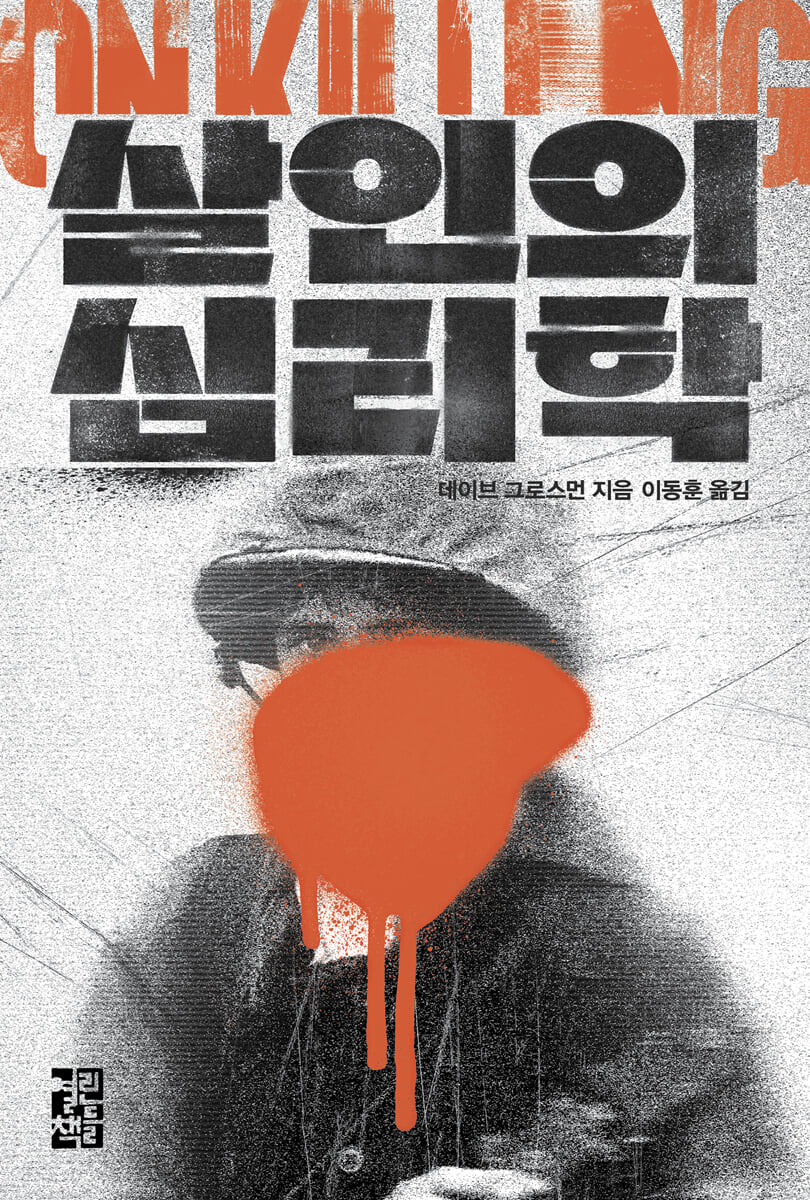
The fear that soldiers feel on the battlefield A thrilling masterpiece that delves into the true nature of fear! When acts deemed heinous by the state and society are legalized the moment they enter battle, and when the state and society demand and encourage them, will young people truly commit murder without any psychological conflict? And when they return to society, will they live normal lives as if nothing had happened? "The Psychology of Murder," a classic in military psychology, begins with these questions. |
- You can preview some of the book's contents.
Preview
index
time
Acknowledgements
introduction
Part 1: The Existence of Murder and Repulsion: The World of Virgins Studying Sexual Behavior
1 Fight or flee, or confront or submit,
2 Soldiers in History Who Refused to Shoot
3 Why can't I kill you?
4 The nature and source of rejection
Part 2: Murder and Combat Trauma: The Impact of Murder on the Cause of Mental Casualties
1 The nature of mental illness
2 The Dominion of Fear
3 The weight of fatigue
4 A swamp of guilt and fear
5 Wind of Hatred
6 Well of Will
7 Burden of Murder
8 The Blind Men and the Elephant
Part 3: Murder and Physical Distance: You Don't Seem Like a Friend From a Distance
1 street
2 Long range and extreme range killing
3 Kills at medium and grenade ranges
4 Killing at close range
5 Killing with a flying weapon
6. Killing with bare hands
7 Murders of Sexual Distance
Part 4: Anatomy of a Murder: All the Factors Considered
1. Command of the authority
2. Group Exoneration
3 Emotional distance
4 Characteristics of the victim
5. The killer's aggressive tendencies
6 All factors to be considered
Part 5: Murder and Atrocities: "There Was No Honor, No Virtue"
1 The overall spectrum of atrocities
2 The Dark Power of Atrocities
3 The Trap of Cruelty
4 Case Studies of Atrocities
5 Giant Traps
Part 6: The Killing Reaction Stage_What emotions do you feel when you kill?
1. Killing Reaction Stage
Application of Model 2
Part 7: Killing in Vietnam - What Did We Do to Our Soldiers?
1 Desensitization and Conditioning in Vietnam
2 What have we done to the soldiers?
3 Post-traumatic stress disorder and the cost of killing in Vietnam
4. The Limits of Patience and the Lessons of Vietnam
Part 8 Murder in America: What Are We Doing to Our Children?
1 Violent Virus
2 Desensitization through film and Pavlov's dog
3 Skinner's Operant Conditioning in the Rats and the Arcade
4 Social learning and role models in the media
5. For emotional recovery
main
References
Search
Acknowledgements
introduction
Part 1: The Existence of Murder and Repulsion: The World of Virgins Studying Sexual Behavior
1 Fight or flee, or confront or submit,
2 Soldiers in History Who Refused to Shoot
3 Why can't I kill you?
4 The nature and source of rejection
Part 2: Murder and Combat Trauma: The Impact of Murder on the Cause of Mental Casualties
1 The nature of mental illness
2 The Dominion of Fear
3 The weight of fatigue
4 A swamp of guilt and fear
5 Wind of Hatred
6 Well of Will
7 Burden of Murder
8 The Blind Men and the Elephant
Part 3: Murder and Physical Distance: You Don't Seem Like a Friend From a Distance
1 street
2 Long range and extreme range killing
3 Kills at medium and grenade ranges
4 Killing at close range
5 Killing with a flying weapon
6. Killing with bare hands
7 Murders of Sexual Distance
Part 4: Anatomy of a Murder: All the Factors Considered
1. Command of the authority
2. Group Exoneration
3 Emotional distance
4 Characteristics of the victim
5. The killer's aggressive tendencies
6 All factors to be considered
Part 5: Murder and Atrocities: "There Was No Honor, No Virtue"
1 The overall spectrum of atrocities
2 The Dark Power of Atrocities
3 The Trap of Cruelty
4 Case Studies of Atrocities
5 Giant Traps
Part 6: The Killing Reaction Stage_What emotions do you feel when you kill?
1. Killing Reaction Stage
Application of Model 2
Part 7: Killing in Vietnam - What Did We Do to Our Soldiers?
1 Desensitization and Conditioning in Vietnam
2 What have we done to the soldiers?
3 Post-traumatic stress disorder and the cost of killing in Vietnam
4. The Limits of Patience and the Lessons of Vietnam
Part 8 Murder in America: What Are We Doing to Our Children?
1 Violent Virus
2 Desensitization through film and Pavlov's dog
3 Skinner's Operant Conditioning in the Rats and the Arcade
4 Social learning and role models in the media
5. For emotional recovery
main
References
Search
Detailed image
.jpg)
Into the book
Just as I do not wish to condemn those who kill in legal combat, I do not wish to judge soldiers who choose not to kill.
There are many soldiers like that.
In fact, I will present evidence that in many historical situations, the majority of soldiers on the firing line did not fire their guns.
As a soldier in their situation, I cannot help but feel disappointed that they were unable to provide any help to their cause, their country, or their fellow soldiers.
But as a human being who also empathizes to a great extent with the weight of the burdens that have weighed on their shoulders and the sacrifices they have had to make, I cannot help but feel proud of their noble character, which represents our species so well.
--- p.
29-30
For those who have never killed, trying to understand killing based on the battle scenes depicted in Hollywood movies and the cultural myths Hollywood uses to base its understanding is as futile as trying to understand the intimacy of sexual relationships while watching pornographic films.
--- p.35
A dead soldier ends his suffering with death, but the soldier who killed him must live with him forever.
The lesson becomes increasingly clear.
Killing is what war is all about, and killing in combat inherently leaves deep scars of pain and guilt.
The language of war helps us deny the reality of war, and in doing so, makes it more acceptable.
--- p.156
Modern armies control the flow of violence by manipulating variables, turning on and off the tap of murder.
However, this is a risky process that requires delicacy.
If you play too much, the Mirai massacre will happen and the efforts put into waging war will be devalued.
If you play too little, you will be defeated and killed by someone with a more aggressive attitude.
--- p.279-280
Only when the orders from authority or the threat of the enemy are so strong that the soldier overcomes his reluctance to kill can he admit that he felt satisfaction.
He hit his target, saved his friends, and saved his own life.
He successfully resolved the conflict.
He won.
He survived! But much of the subsequent pangs of conscience and guilt seem to be a reaction to the shock of this very natural and universal intoxication.
Future soldiers need to understand that this is a very natural and universal response to the unusual situation of combat, and that the satisfaction of killing is a relatively common and natural aspect of combat.
--- p.358
The same tools that more than quadrupled the shooting rate in Vietnam are now being used widely among civilians.
The soldiers are just beginning to understand and accept what they have done to themselves and their men.
If we have doubts about the use of these mechanisms to ensure the survival and victory of combatants, how can we not be concerned that the same processes are being indiscriminately applied to our children?
There are many soldiers like that.
In fact, I will present evidence that in many historical situations, the majority of soldiers on the firing line did not fire their guns.
As a soldier in their situation, I cannot help but feel disappointed that they were unable to provide any help to their cause, their country, or their fellow soldiers.
But as a human being who also empathizes to a great extent with the weight of the burdens that have weighed on their shoulders and the sacrifices they have had to make, I cannot help but feel proud of their noble character, which represents our species so well.
--- p.
29-30
For those who have never killed, trying to understand killing based on the battle scenes depicted in Hollywood movies and the cultural myths Hollywood uses to base its understanding is as futile as trying to understand the intimacy of sexual relationships while watching pornographic films.
--- p.35
A dead soldier ends his suffering with death, but the soldier who killed him must live with him forever.
The lesson becomes increasingly clear.
Killing is what war is all about, and killing in combat inherently leaves deep scars of pain and guilt.
The language of war helps us deny the reality of war, and in doing so, makes it more acceptable.
--- p.156
Modern armies control the flow of violence by manipulating variables, turning on and off the tap of murder.
However, this is a risky process that requires delicacy.
If you play too much, the Mirai massacre will happen and the efforts put into waging war will be devalued.
If you play too little, you will be defeated and killed by someone with a more aggressive attitude.
--- p.279-280
Only when the orders from authority or the threat of the enemy are so strong that the soldier overcomes his reluctance to kill can he admit that he felt satisfaction.
He hit his target, saved his friends, and saved his own life.
He successfully resolved the conflict.
He won.
He survived! But much of the subsequent pangs of conscience and guilt seem to be a reaction to the shock of this very natural and universal intoxication.
Future soldiers need to understand that this is a very natural and universal response to the unusual situation of combat, and that the satisfaction of killing is a relatively common and natural aspect of combat.
--- p.358
The same tools that more than quadrupled the shooting rate in Vietnam are now being used widely among civilians.
The soldiers are just beginning to understand and accept what they have done to themselves and their men.
If we have doubts about the use of these mechanisms to ensure the survival and victory of combatants, how can we not be concerned that the same processes are being indiscriminately applied to our children?
--- p.441
Publisher's Review
Why study murder?
According to psychologist and retired lieutenant colonel Dave Grossman, asking why we study murder is like asking why we study sex.
Murder is an uncomfortable topic that can elicit feelings of disgust and discomfort.
But a century ago, the castle was like that too.
People of that era considered anything that brought up sexual images to be taboo, to the point where they would cover the legs of tables with cloth.
But after Freud, everything changed.
The author says that the veil over murder must now also be lifted.
As with surnames, when we refuse to think and talk about death and murder because they evoke uncomfortable emotions, when we try to conceal and deny them, society reveals them in a distorted and twisted way.
Since time immemorial, people have always witnessed scenes of death and murder up close.
To make daily bread, housewives had to twist the chicken's neck.
I even had my kids do it.
But in modern times, everything began to change.
The advent of slaughterhouses and refrigerators eliminated the need to kill animals for food, and nursing homes, hospitals, and funeral homes removed the scenes of death and murder from our view.
But while society sanitizes killing, people's desire to depict and experience killing is growing increasingly compulsive.
Serial killers who brutally murder people for no reason have become a common theme in movies.
It seems that the key to box office success is how brutally one can kill and how brutally one can portray it.
The oppression and compulsion to kill coexist.
Dave Grossman's "The Psychology of Murder" challenges the taboo topic of "murder" by revealing such paradoxical pathological signs.
But the realm of murder he explores is neither the murderous acts of psychopathic killers nor criminal psychology.
Grossman deals with the murders of ordinary, mentally sound men, namely soldiers.
These young men who shoulder their duty of national defense and go out to fight on the battlefield are your sons, your friends, and your fellow citizens.
Killing the enemy on the battlefield is not only a legitimate act, but also an act to be praised.
Those who fight and win are revered as heroes.
But does this simply mean that war is inevitable and that the murders committed during it are legitimate, even desirable? When acts deemed heinous by the state and society are legalized the moment they enter battle, and when the state and society demand and encourage them, will young people truly commit murder without any psychological conflict? And when they return to society, will they live normal lives as if nothing had happened? Grossman's argument begins with this very question.
Murder, a fear greater than death
We are accustomed to the battle scenes depicted by Hollywood.
The battle scenes recreated with cutting-edge technology are so incredibly dynamic and vivid that it feels like you're watching an actual battle.
But Grossman asserts that most of the fight scenes Hollywood portrays are lies.
In movies, we see Hollywood heroes like James Bond, Rambo, and Indiana Jones killing hundreds of people as if it were nothing.
But these descriptions tell us nothing about the nature of the murder.
Because the reality is completely different.
Grossman's argument begins with the assumption that there is a deep-seated aversion to killing fellow human beings.
For those who believe that murder is difficult and that they are incapable of killing someone, Grossman says that anyone can and does commit murder given the right training and environment.
Conversely, for those who believe that anyone who encounters someone intent on killing them would kill anyone, Grossman presents ample evidence showing that the vast majority of soldiers in history have never considered killing an enemy, even when their own lives were in danger.
The aversion to killing is so strong that it can lead to death before a soldier can overcome it.
During World War II, the U.S. military made efforts to keep over 800,000 soldiers classified as mentally unfit for military service (F-4) and kept them out of combat. However, over 500,000 soldiers, equivalent to 50 divisions, were evacuated due to mental illness.
Why do so many psychological casualties occur during war? Many researchers have studied this question.
They gave several reasons, stating that the main cause of psychological damage was the soldiers' fear that they might be killed or injured.
However, Grossman refutes these claims, arguing that the fear of having to kill and the guilt that follows actual killing are the main causes of mental illness in soldiers.
Grossman also analyzes in detail the psychological processes that occur during actual killing.
First, it details the intensity of the psychological burden of murder, which varies depending on the physical distance, and then comprehensively analyzes the various factors that enable soldiers to kill, such as orders from authority figures, collective absolution, emotional distance (cultural distance, moral distance, social distance, mechanical distance), the characteristics of the victim, and the killer's aggressive tendencies.
According to psychologist and retired lieutenant colonel Dave Grossman, asking why we study murder is like asking why we study sex.
Murder is an uncomfortable topic that can elicit feelings of disgust and discomfort.
But a century ago, the castle was like that too.
People of that era considered anything that brought up sexual images to be taboo, to the point where they would cover the legs of tables with cloth.
But after Freud, everything changed.
The author says that the veil over murder must now also be lifted.
As with surnames, when we refuse to think and talk about death and murder because they evoke uncomfortable emotions, when we try to conceal and deny them, society reveals them in a distorted and twisted way.
Since time immemorial, people have always witnessed scenes of death and murder up close.
To make daily bread, housewives had to twist the chicken's neck.
I even had my kids do it.
But in modern times, everything began to change.
The advent of slaughterhouses and refrigerators eliminated the need to kill animals for food, and nursing homes, hospitals, and funeral homes removed the scenes of death and murder from our view.
But while society sanitizes killing, people's desire to depict and experience killing is growing increasingly compulsive.
Serial killers who brutally murder people for no reason have become a common theme in movies.
It seems that the key to box office success is how brutally one can kill and how brutally one can portray it.
The oppression and compulsion to kill coexist.
Dave Grossman's "The Psychology of Murder" challenges the taboo topic of "murder" by revealing such paradoxical pathological signs.
But the realm of murder he explores is neither the murderous acts of psychopathic killers nor criminal psychology.
Grossman deals with the murders of ordinary, mentally sound men, namely soldiers.
These young men who shoulder their duty of national defense and go out to fight on the battlefield are your sons, your friends, and your fellow citizens.
Killing the enemy on the battlefield is not only a legitimate act, but also an act to be praised.
Those who fight and win are revered as heroes.
But does this simply mean that war is inevitable and that the murders committed during it are legitimate, even desirable? When acts deemed heinous by the state and society are legalized the moment they enter battle, and when the state and society demand and encourage them, will young people truly commit murder without any psychological conflict? And when they return to society, will they live normal lives as if nothing had happened? Grossman's argument begins with this very question.
Murder, a fear greater than death
We are accustomed to the battle scenes depicted by Hollywood.
The battle scenes recreated with cutting-edge technology are so incredibly dynamic and vivid that it feels like you're watching an actual battle.
But Grossman asserts that most of the fight scenes Hollywood portrays are lies.
In movies, we see Hollywood heroes like James Bond, Rambo, and Indiana Jones killing hundreds of people as if it were nothing.
But these descriptions tell us nothing about the nature of the murder.
Because the reality is completely different.
Grossman's argument begins with the assumption that there is a deep-seated aversion to killing fellow human beings.
For those who believe that murder is difficult and that they are incapable of killing someone, Grossman says that anyone can and does commit murder given the right training and environment.
Conversely, for those who believe that anyone who encounters someone intent on killing them would kill anyone, Grossman presents ample evidence showing that the vast majority of soldiers in history have never considered killing an enemy, even when their own lives were in danger.
The aversion to killing is so strong that it can lead to death before a soldier can overcome it.
During World War II, the U.S. military made efforts to keep over 800,000 soldiers classified as mentally unfit for military service (F-4) and kept them out of combat. However, over 500,000 soldiers, equivalent to 50 divisions, were evacuated due to mental illness.
Why do so many psychological casualties occur during war? Many researchers have studied this question.
They gave several reasons, stating that the main cause of psychological damage was the soldiers' fear that they might be killed or injured.
However, Grossman refutes these claims, arguing that the fear of having to kill and the guilt that follows actual killing are the main causes of mental illness in soldiers.
Grossman also analyzes in detail the psychological processes that occur during actual killing.
First, it details the intensity of the psychological burden of murder, which varies depending on the physical distance, and then comprehensively analyzes the various factors that enable soldiers to kill, such as orders from authority figures, collective absolution, emotional distance (cultural distance, moral distance, social distance, mechanical distance), the characteristics of the victim, and the killer's aggressive tendencies.
GOODS SPECIFICS
- Date of issue: August 20, 2023
- Page count, weight, size: 512 pages | 786g | 152*223*30mm
- ISBN13: 9788932923468
- ISBN10: 8932923469
You may also like
카테고리
korean


korean

![GQ KOREA Mark (Monthly): December [2025]](http://librairie.coreenne.fr/cdn/shop/files/8ef265dbbfbf186523ed75ba7319009d.jpg?v=1765340328&width=3840)


