

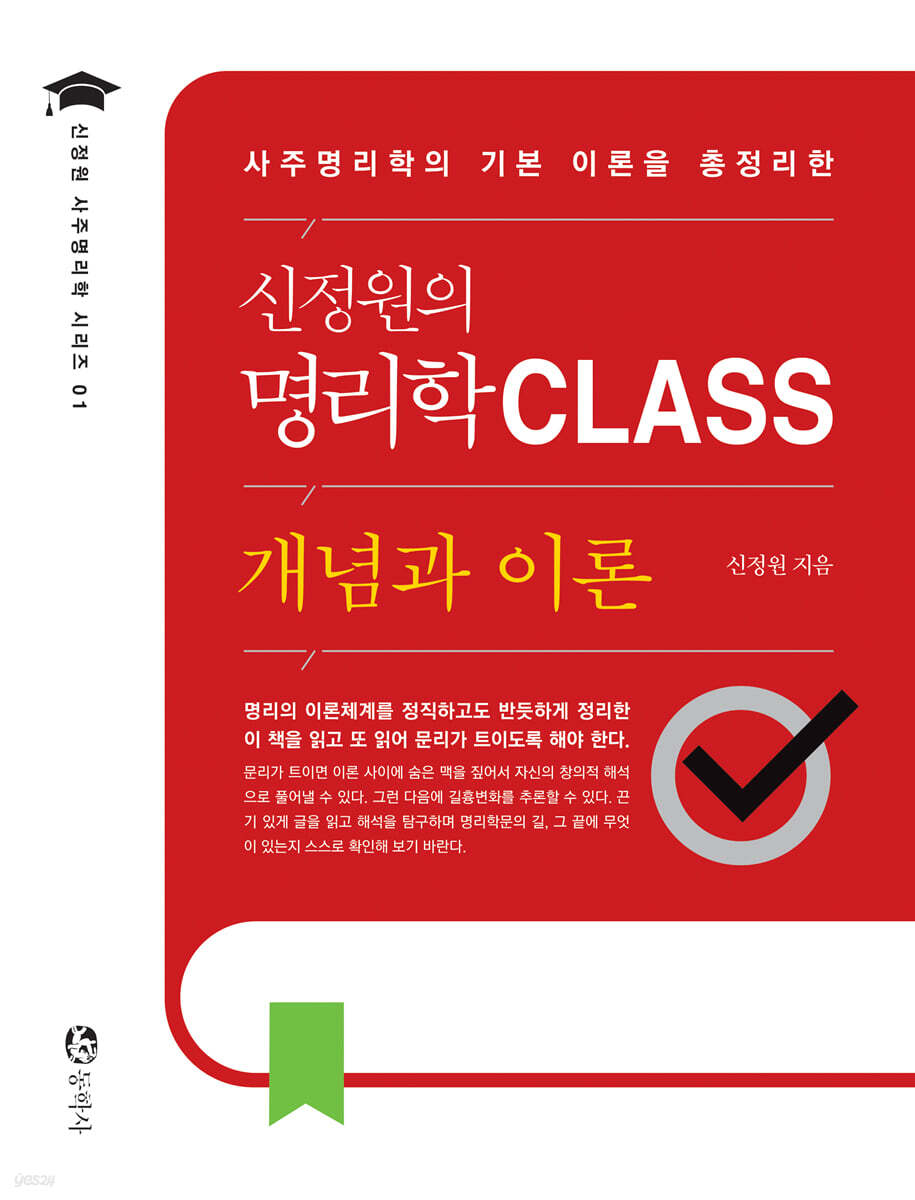
Shin Jeong-won's fortune-telling class
 |
Description
Book Introduction
A comprehensive compilation of the vast theory of fortune telling and the practical application of on-site interpretation in one volume!
I know the destiny given to me and read the changes that time will bring.
Astrology is the study of making the right choices in life.
There are gray areas in astrology that are difficult to explain logically.
This book is an introductory book in which the author, who teaches fortune telling academically on a university campus, identifies the theoretical system and its origins of fortune telling, and adds his own interpretations based on his field experience to organically and neatly organize each theory.
I know the destiny given to me and read the changes that time will bring.
Astrology is the study of making the right choices in life.
There are gray areas in astrology that are difficult to explain logically.
This book is an introductory book in which the author, who teaches fortune telling academically on a university campus, identifies the theoretical system and its origins of fortune telling, and adds his own interpretations based on his field experience to organically and neatly organize each theory.
- You can preview some of the book's contents.
Preview
index
Part 1_ Introduction
CHAPTER 1 Four Pillars of Destiny
01 Fortune-telling as astrology
Universal and Particular
object of study
Methods of learning
Interdisciplinary research in astrology
02 Academic System of Sajumyeongrihak
The name of the four pillars of destiny
I Ching
The establishment and development of Sajumyeongrihak
03 Key concepts and theories of Sajumyeongrihak
Eternal calendar / Ten thousand stems / Twelve Earthly Branches
Jijanggan / Sexagenary Cycle / Napeum
The mutual generation of the five elements and the conflict of the five elements
Four Pillars of Destiny / Ten Stars and Six Relatives
Hyung · Chung · Hoe · Hap
Twelve Zodiac Signs / Sinsal / Geokguk and Yongsin
CHAPTER 2 Yin-Yang and the Five Elements
01 Yin-Yang Theory
Establishment of the concept of yin and yang
The protagonist's positive
The characteristics of yin and yang
Application of Four Pillars of Destiny and Yin-Yang
02 Theory of the Five Elements
Establishment of the concept of the five elements
Classification and distribution of the five elements
Hadona Graffiti
Application of Saju and the Five Elements
Part 2_ Theory of Ganji
CHAPTER 1 The Heavenly Stems and Earthly Branches
01 Theory of Heavenly Stems
Creation of the Heavenly Stems and Earthly Branches
Overview of the Ten Thousand Years
The five elements and characteristics of the ten thousand stems
Examples of historical figures' fortunes by the 10,000 stems
02 Support theory
The relationship between the heavenly stems and earthly branches
Overview of the Twelve Zodiac Signs
Time and space categories of the twelve zodiac signs
Jijanggan
Monthly age
Application of Sajupalja of support
03 Commuting and moving
CHAPTER 2 The Perpetual Calendar and Sajumyeongsik
01 Perpetual Calendar
The Meaning and Types of the Lunar Calendar / 24 Solar Terms
02 Sajumyeongsik
Composition of the four pillars / Composition of the performance
Composition of the monthly week / Composition of the daily week
Composition of the poem
Taewon / Daeun and Daeunsu / Soun / Seun
Part 3_ Interaction of the Ganji
CHAPTER 1 Theory of Six Kinships
01 Concept and distinction of kinship
The concept of kinship
Types of ten constellations
Relationship between the ten constellations and the day
Characteristics of the Ten Stars
The daily cycle of the Five Elements
Various aspects of human life as seen through the ten constellations
CHAPTER 2 Type, Chong, Hui, and Hap
01 The meaning of type, loyalty, reciprocity, and agreement
02 Heavenly Stems Combination
The relationship between the five heavenly stems
The origin of the five heavenly stems
Characteristics of the five heavenly stem combinations
Interpretation of the Incarnation
Application of the five heavenly stems
03 Heavenly Stems Clash
04 Support Six Combinations
Types of support hexagons
The origin of the support hexagon
Characteristics and Applications of Support Hexagon
05 Ganji combination
06 Support Meeting
Banghap / Samhap / Banhap
07 Support and conflict
Types of insects / Interpretation of insects
08 Support Formation
Origin of Hyungsal / Types of Hyungsal
The origin of the form of murder
Criticism and understanding of corporal punishment
09 Other: Waves and Sea
10. Dissolution and Change of the Hyeongchunghoe
The solution of 『Japyeongjinjeon』
The solution to 『Red Heavenly Water』
Application of the Hyungchunghoe
The main points of the Hyungchung meeting
Part 4_ In-depth learning
CHAPTER 1 Modern Orthodox Sajumyeongrihak
01 The Twelve Zodiac Signs Theory
The origin and significance of the twelve zodiac signs
Types and characteristics of the twelve zodiac signs
Application of the twelve zodiac signs
02 Theory of the Battle of Nations
The concept of a rival country
The structure of the four pillars of destiny and the four pillars of destiny
Classification of the country
The success or failure of a fierce battle
The conflict between the country and the dragon god
Che and dragon
CHAPTER 2: Application of ancient law to modern fortune-telling
01 Shinsalon
The origin and concept of Shinsal
Reference materials for Shinsalron
Gilsinryu
thoracic type
02 Twelve Gods
CHAPTER 1 Four Pillars of Destiny
01 Fortune-telling as astrology
Universal and Particular
object of study
Methods of learning
Interdisciplinary research in astrology
02 Academic System of Sajumyeongrihak
The name of the four pillars of destiny
I Ching
The establishment and development of Sajumyeongrihak
03 Key concepts and theories of Sajumyeongrihak
Eternal calendar / Ten thousand stems / Twelve Earthly Branches
Jijanggan / Sexagenary Cycle / Napeum
The mutual generation of the five elements and the conflict of the five elements
Four Pillars of Destiny / Ten Stars and Six Relatives
Hyung · Chung · Hoe · Hap
Twelve Zodiac Signs / Sinsal / Geokguk and Yongsin
CHAPTER 2 Yin-Yang and the Five Elements
01 Yin-Yang Theory
Establishment of the concept of yin and yang
The protagonist's positive
The characteristics of yin and yang
Application of Four Pillars of Destiny and Yin-Yang
02 Theory of the Five Elements
Establishment of the concept of the five elements
Classification and distribution of the five elements
Hadona Graffiti
Application of Saju and the Five Elements
Part 2_ Theory of Ganji
CHAPTER 1 The Heavenly Stems and Earthly Branches
01 Theory of Heavenly Stems
Creation of the Heavenly Stems and Earthly Branches
Overview of the Ten Thousand Years
The five elements and characteristics of the ten thousand stems
Examples of historical figures' fortunes by the 10,000 stems
02 Support theory
The relationship between the heavenly stems and earthly branches
Overview of the Twelve Zodiac Signs
Time and space categories of the twelve zodiac signs
Jijanggan
Monthly age
Application of Sajupalja of support
03 Commuting and moving
CHAPTER 2 The Perpetual Calendar and Sajumyeongsik
01 Perpetual Calendar
The Meaning and Types of the Lunar Calendar / 24 Solar Terms
02 Sajumyeongsik
Composition of the four pillars / Composition of the performance
Composition of the monthly week / Composition of the daily week
Composition of the poem
Taewon / Daeun and Daeunsu / Soun / Seun
Part 3_ Interaction of the Ganji
CHAPTER 1 Theory of Six Kinships
01 Concept and distinction of kinship
The concept of kinship
Types of ten constellations
Relationship between the ten constellations and the day
Characteristics of the Ten Stars
The daily cycle of the Five Elements
Various aspects of human life as seen through the ten constellations
CHAPTER 2 Type, Chong, Hui, and Hap
01 The meaning of type, loyalty, reciprocity, and agreement
02 Heavenly Stems Combination
The relationship between the five heavenly stems
The origin of the five heavenly stems
Characteristics of the five heavenly stem combinations
Interpretation of the Incarnation
Application of the five heavenly stems
03 Heavenly Stems Clash
04 Support Six Combinations
Types of support hexagons
The origin of the support hexagon
Characteristics and Applications of Support Hexagon
05 Ganji combination
06 Support Meeting
Banghap / Samhap / Banhap
07 Support and conflict
Types of insects / Interpretation of insects
08 Support Formation
Origin of Hyungsal / Types of Hyungsal
The origin of the form of murder
Criticism and understanding of corporal punishment
09 Other: Waves and Sea
10. Dissolution and Change of the Hyeongchunghoe
The solution of 『Japyeongjinjeon』
The solution to 『Red Heavenly Water』
Application of the Hyungchunghoe
The main points of the Hyungchung meeting
Part 4_ In-depth learning
CHAPTER 1 Modern Orthodox Sajumyeongrihak
01 The Twelve Zodiac Signs Theory
The origin and significance of the twelve zodiac signs
Types and characteristics of the twelve zodiac signs
Application of the twelve zodiac signs
02 Theory of the Battle of Nations
The concept of a rival country
The structure of the four pillars of destiny and the four pillars of destiny
Classification of the country
The success or failure of a fierce battle
The conflict between the country and the dragon god
Che and dragon
CHAPTER 2: Application of ancient law to modern fortune-telling
01 Shinsalon
The origin and concept of Shinsal
Reference materials for Shinsalron
Gilsinryu
thoracic type
02 Twelve Gods
Detailed image

Publisher's Review
What and how should I study to conquer fortune telling?
If you read this book over and over again, you will be able to grasp the hidden meaning of the theory and come up with your own creative interpretation.
· Academic basis of fortune telling: The Book of Changes and major fortune telling theories
· Historical stages and main theories of fortune telling
· The creation and inhibition of yin and yang and the interaction between them
· The meaning and combination of the heavenly stems and earthly branches
· Sexagenary cycle
· Composition of the four pillars: Geummyohwasil and Gungseong
· Understanding the lunar cycle
· Six Gods: Correlation between each element of the four pillars
· Hyungchunghoehap (刑沖會合): things that disappear, things that change, and things that arise anew
· Gyeokguk and Yongsin
· Shinsal
· How to decipher a symbolic combination of the sexagenary cycle
· Discerning Good and Bad Luck: Research on Improvements and Alternatives
If you read this book over and over again, you will be able to grasp the hidden meaning of the theory and come up with your own creative interpretation.
· Academic basis of fortune telling: The Book of Changes and major fortune telling theories
· Historical stages and main theories of fortune telling
· The creation and inhibition of yin and yang and the interaction between them
· The meaning and combination of the heavenly stems and earthly branches
· Sexagenary cycle
· Composition of the four pillars: Geummyohwasil and Gungseong
· Understanding the lunar cycle
· Six Gods: Correlation between each element of the four pillars
· Hyungchunghoehap (刑沖會合): things that disappear, things that change, and things that arise anew
· Gyeokguk and Yongsin
· Shinsal
· How to decipher a symbolic combination of the sexagenary cycle
· Discerning Good and Bad Luck: Research on Improvements and Alternatives
GOODS SPECIFICS
- Date of issue: April 10, 2023
- Page count, weight, size: 608 pages | 1,014g | 174*225*30mm
- ISBN13: 9788971908532
- ISBN10: 897190853X
You may also like
카테고리
korean


korean

![GQ KOREA Mark (Monthly): December [2025]](http://librairie.coreenne.fr/cdn/shop/files/8ef265dbbfbf186523ed75ba7319009d.jpg?v=1765340328&width=3840)


